
 EN
EN

Efficiency in Modern Farming: The Essential Role of Advanced Drip Irrigation
Modern agriculture faces unprecedented challenges in achieving optimal crop yields while conserving precious water resources. The integration of advanced drip irrigation line systems has emerged as a cornerstone technology that directly addresses the efficiency demands of contemporary farming operations. These sophisticated irrigation networks enable farmers to deliver precise amounts of water and nutrients directly to plant root zones, revolutionizing how agricultural productivity is achieved in today's resource-constrained environment.
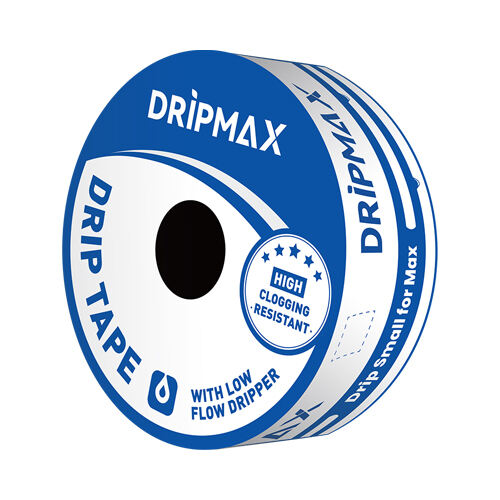
The essential role of advanced drip irrigation extends far beyond simple water delivery, encompassing precision agriculture principles that optimize every aspect of crop production. When properly implemented, a well-designed drip irrigation line network transforms farming operations by reducing water consumption by up to forty percent while simultaneously increasing crop yields by twenty to thirty percent. This dual benefit of resource conservation and enhanced productivity positions advanced drip irrigation as an indispensable component of efficient modern farming systems.
Water Conservation Through Precision Delivery Systems
Targeted Root Zone Application
Advanced drip irrigation line technology fundamentally changes how water reaches crops by delivering moisture directly to the root zone where plants can utilize it most effectively. This precise delivery method eliminates the water waste associated with traditional irrigation approaches that apply water broadly across field surfaces. Each drip irrigation line contains strategically placed emitters that release water at controlled rates, ensuring optimal soil moisture levels while preventing runoff and deep percolation losses.
The engineering behind modern drip irrigation line systems incorporates pressure compensation technology that maintains uniform water distribution regardless of field topography or line length variations. This consistency ensures that every plant receives identical water applications, eliminating the over-watering and under-watering issues that plague conventional irrigation methods. Farmers implementing these systems observe immediate improvements in water use efficiency as crops receive precisely calibrated moisture levels throughout their growth cycles.
Reduced Evaporation and Surface Loss
Traditional irrigation methods lose substantial amounts of water through surface evaporation, particularly during hot weather conditions when crops require maximum hydration. Advanced drip irrigation line installations virtually eliminate these losses by delivering water beneath the soil surface or through low-profile emitters that minimize exposure to atmospheric conditions. This protection mechanism becomes increasingly critical as climate variability intensifies and water resources become more precious.
The subsurface delivery capability of modern drip irrigation line systems also prevents weed germination by maintaining dry soil conditions in areas between crop rows. This dual benefit reduces both water consumption and labor requirements for weed control, contributing to overall farming efficiency. Studies demonstrate that properly configured drip irrigation line networks can achieve water application efficiencies exceeding ninety percent, compared to sixty to seventy percent efficiency rates typical of sprinkler systems.
Enhanced Nutrient Management and Crop Health
Fertigation Integration Capabilities
Modern drip irrigation line systems excel at integrating fertilizer delivery with water application through fertigation technology that transforms how nutrients reach crops. This integration allows farmers to apply precise nutrient concentrations directly to root zones, maximizing uptake efficiency while minimizing environmental impact. The controlled delivery mechanism ensures that fertilizers dissolve properly and reach target areas without wasteful surface application or leaching losses.
The scheduling flexibility inherent in advanced drip irrigation line operations enables farmers to match nutrient delivery with crop growth stages and physiological demands. Rather than applying large fertilizer quantities at predetermined intervals, fertigation systems provide continuous low-level feeding that maintains optimal soil nutrient levels throughout growing seasons. This approach reduces fertilizer costs while improving crop response and minimizing groundwater contamination risks associated with excess nutrient applications.
Disease Prevention and Plant Health Optimization
Maintaining dry foliage represents a critical advantage of drip irrigation line technology in promoting crop health and preventing disease development. Unlike overhead irrigation methods that wet entire plant canopies, drip systems deliver water exclusively to soil areas, keeping leaves and stems dry during irrigation cycles. This moisture management strategy significantly reduces fungal disease pressure and bacterial infections that thrive in humid leaf environments.
The consistent soil moisture maintenance achieved through properly designed drip irrigation line networks also promotes stronger root development and enhanced plant stress tolerance. Plants receiving steady water supplies through drip systems develop more extensive root systems capable of accessing nutrients and moisture from larger soil volumes. This improved root architecture translates into enhanced drought tolerance and more consistent crop performance during environmental stress periods.
Economic Benefits and Return on Investment
Labor Reduction and Automation Advantages
Advanced drip irrigation line installations dramatically reduce labor requirements compared to traditional irrigation methods by automating water delivery processes and eliminating manual sprinkler movement or flood irrigation management. Modern systems integrate with programmable controllers and sensor networks that monitor soil conditions and automatically adjust irrigation schedules based on crop needs and environmental factors. This automation capability allows farmers to manage larger acreages with fewer personnel while maintaining precise control over irrigation timing and duration.
The reliability of contemporary drip irrigation line technology also reduces emergency interventions and system repairs that consume valuable labor time during critical growing periods. Quality components and professional installation practices ensure consistent system performance throughout multiple growing seasons, minimizing disruptions to farming operations. Farmers report significant time savings that can be redirected toward other essential farm management activities, improving overall operational efficiency.
Yield Improvements and Quality Enhancement
The precise water and nutrient delivery capabilities of advanced drip irrigation line systems consistently produce higher crop yields compared to conventional irrigation approaches. Research across multiple crop types demonstrates yield increases ranging from fifteen to thirty-five percent when transitioning from traditional irrigation to properly designed drip systems. These improvements result from optimal moisture management, enhanced nutrient uptake, and reduced plant stress throughout growing seasons.
Beyond quantity improvements, drip irrigation line technology frequently enhances crop quality characteristics that command premium market prices. Consistent moisture levels promote uniform fruit sizing, improved color development, and enhanced storage characteristics that increase marketability. The reduced disease pressure associated with drip irrigation also produces cleaner crops with fewer blemishes and defects, further improving market value and customer satisfaction.
System Design and Implementation Considerations
Field Layout and Hydraulic Planning
Successful implementation of advanced drip irrigation line systems requires careful attention to field topography, soil characteristics, and crop spacing requirements during the design phase. Professional hydraulic analysis ensures uniform water distribution across entire field areas while accounting for elevation changes and pressure variations that could affect system performance. Proper zone design separates areas with different water requirements, allowing customized irrigation schedules for various crop types or growth stages within single operations.
The spacing and configuration of individual drip irrigation line runs must align with crop row spacing and root zone characteristics to maximize water application efficiency. Engineers consider soil infiltration rates, root spread patterns, and emitter flow rates when determining optimal lateral spacing and emitter placement. This comprehensive planning approach ensures that water reaches all plant root zones while avoiding over-application in any specific areas.
Component Selection and Quality Standards
Selecting appropriate components for drip irrigation line installations requires understanding the specific performance characteristics needed for particular crops and growing conditions. Emitter flow rates, pressure requirements, and clogging resistance vary significantly among different product lines, making component matching critical for system success. Quality filtration systems protect drip irrigation line emitters from particulate contamination that could reduce performance or cause complete blockages.
Long-term system reliability depends heavily on choosing drip irrigation line products manufactured to appropriate quality standards and designed for local environmental conditions. UV resistance, chemical compatibility, and temperature tolerance affect system longevity and maintenance requirements. Farmers investing in premium components typically experience lower operating costs and fewer replacement needs over system lifespans, justifying initial investment premiums through reduced long-term expenses.
Future Innovations and Technological Integration
Smart Sensor Integration and Data Analytics
The integration of advanced sensor technology with drip irrigation line systems represents the cutting edge of precision agriculture implementation. Soil moisture sensors, weather stations, and plant monitoring devices provide real-time data that enables automatic irrigation adjustments based on actual crop needs rather than predetermined schedules. These smart systems optimize water application timing and duration, further enhancing the efficiency benefits already achieved through drip irrigation line technology.
Data analytics platforms process information from multiple sensors to identify patterns and trends that inform irrigation management decisions. Machine learning algorithms analyze historical performance data to predict optimal irrigation strategies for specific crops and environmental conditions. This technological evolution transforms drip irrigation line systems from simple water delivery networks into comprehensive crop management platforms that optimize multiple production variables simultaneously.
Sustainable Agriculture and Environmental Compliance
Advanced drip irrigation line technology plays an increasingly important role in meeting environmental regulations and sustainability goals that govern modern agricultural operations. Water conservation requirements, nutrient management protocols, and groundwater protection standards align perfectly with the precision delivery capabilities of drip systems. Farmers implementing these technologies often exceed compliance requirements while improving operational efficiency and profitability.
The environmental benefits of drip irrigation line systems extend beyond water conservation to include reduced chemical runoff, minimized soil erosion, and improved carbon sequestration through enhanced soil health. These broader environmental impacts position drip irrigation as a key technology for sustainable agriculture practices that balance productivity goals with ecological stewardship responsibilities. Future regulations may increasingly favor or require precision irrigation approaches that demonstrate measurable environmental benefits.
FAQ
How much water can farmers save by switching to advanced drip irrigation line systems?
Farmers typically achieve water savings of thirty to fifty percent when transitioning from conventional irrigation methods to properly designed drip irrigation line systems. The exact savings depend on previous irrigation efficiency, crop types, soil conditions, and climate factors. Most installations achieve water application efficiencies exceeding eighty-five percent, compared to sixty to seventy percent efficiency rates common with sprinkler or flood irrigation systems.
What crops benefit most from drip irrigation line technology implementation?
Row crops, orchards, vineyards, and vegetable operations experience the greatest benefits from drip irrigation line installations. High-value crops with intensive water and nutrient requirements, such as tomatoes, peppers, citrus, and berries, show particularly strong responses to precision irrigation management. However, field crops including corn, cotton, and soybeans also demonstrate significant yield improvements and water conservation benefits when properly managed through drip irrigation systems.
How long do quality drip irrigation line systems typically last before requiring replacement?
Well-designed drip irrigation line systems using quality components typically provide eight to twelve years of reliable service before major component replacement becomes necessary. Subsurface systems may last longer due to reduced UV exposure, while surface installations require more frequent lateral replacement. Proper maintenance, including regular flushing and filter cleaning, significantly extends system lifespan and maintains optimal performance throughout the operational period.
Can existing farms retrofit drip irrigation line systems without major infrastructure changes?
Most existing farming operations can successfully retrofit drip irrigation line systems with minimal infrastructure modifications. The main requirements include adequate water supply capacity, basic filtration equipment, and electrical service for pump and controller operations. Existing wells, pumps, and distribution networks often provide suitable foundations for drip system installations, making conversion projects economically feasible for established agricultural operations seeking efficiency improvements.