
 EN
EN

Innovatiewe Landbou-besproeiingstendense 2026: Die Ontwikkeling van Druppelbandtegnologie
Die landbou-besproeiingslandskap beleef 'n ongekende transformasie terwyl ons 2026 nader, met innoverende tegnologieë wat die manier waarop boere water aan hul gewasse lewer, herskik. Moderne drupbesproeiingslyn stelsels verteenwoordig die voorpunt van hierdie evolusie en sluit gevorderde materiale, slim sensore en presisie-ingenieurswese in wat belowe om waterbestuur oor wêreldwye landboubedrywighede te revolusionêer. Hierdie nuwe tendense dui op 'n fundamentele skuif na meer volhoubare, doeltreffende en tegnologies geïntegreerde besproeiingsoplossings wat aan die groeiende vereistes vir voedselsekerheid voldoen terwyl waardevolle waterbronne bewaar word.
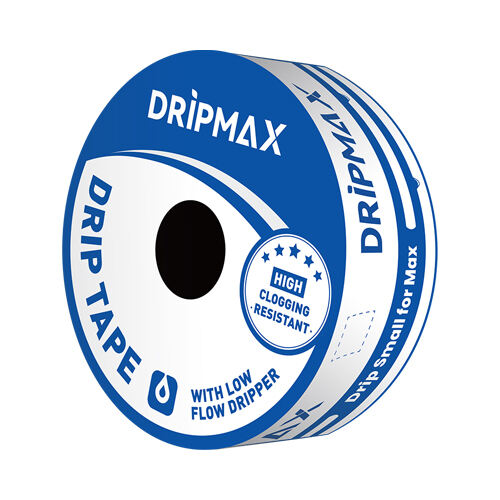
Die ontwikkeling van druppelbandtegnologie na 2026 behels verskeie deurbraakinnovasies wat verder strek as tradisionele plastiekpyp met gate. Gevorderde drupbesproeiingslyn vervaardiging integreer nou afbaarbare polimere, self-kompenserende drukreëling en ingebedde mikrosensors wat voortdurend grondvochtigheid, voedingsvlakke en wortelgebiedtoestande monitor. Hierdie tegnologiese samevloeiing skep besproeiingstelsels wat outomaties aanpas by veranderende omgewingsomstandighede, die tydstip van waterlewering optimeer en werklike terugvoer verskaf aan boerderybestuurstelsels vir besluitneming gebaseer op data.
Slim Materiaalintegrasie in Gevorderde Druppelstelsels
Afbaarbare Polimeertegnologie
Die ontwikkeling van afbaarbare polimere vir drupbesproeiingslyn konstruksie verteenwoordig 'n groot volhoubaarheidsdeurbraak wat verwag word om kommersiële skaal teen 2026 te bereik. Hierdie innoverende materiale ontbind natuurlik aan die einde van groeiseisoene, wat die arbeidsintensiewe proses van bandverwydering en -verwydering wat tradisioneel landboubedrywighede belas het, elimineer. Gevorderde polimeervormuleringe behou strukturele integriteit gedurende die besproeiingsseisoen terwyl dit beheerde afbreking begin sodra vog- en temperatuurtoestande oesvoltooiing aandui.
Vervaardigingsprosesse vir biologies afbreekbare drupbesproeiingslyn stelsels sluit plantgebaseerde polimere in wat van landbouafvalprodukte afkomstig is, wat 'n sirkulêre ekonomie-benadering skep wat gewasrestante in besproeiingsinfrastruktuur omskep. Hierdie materiale toon vergelykbare prestasie aan tradisionele polietileenstelsels ten opsigte van waterleweringspresisie en drukweerstand, terwyl dit ook beter omgewingsvoordele bied wat strook met toenemende wetgewende vereistes vir landbouduurzaamheid.
Veldtoetse oor verskeie klimaatsones toon dat biologies afbreekbare drupbandtegnologie optimale vloei-tempo's en konsekwente uitlaat-afstande gedurende groeiseisoene van 90 tot 180 dae handhaaf. Die beheerde afbreektydperk laat boere toe om die afgebreekte materiaal direk in die grondbereiding vir daaropvolgende plantingsiklusse in te voeg, wat die koste vir afvalverwydering verminder en organiese saak bydra tot grondgesondheidsverbeteringsprogramme.
Selfherstellende Membran-tegnologie
Revolutionêre selfherstellende membraan-tegnologie wat geïntegreer is in drupbesproeiingslyn konstruksie, adres die aanhoudende uitdaging van prikkings en skeurings wat tradisioneel stelselprestasie kompromitteer. Hierdie gevorderde membrane bevat vormgeheue-polimere wat outomaties klein prikkings versiel wanneer dit blootgestel word aan vog en temperatuurveranderings wat tipies is vir landbouomgewings. Die tegnologie verleng die leeftyd van die stelsel aansienlik terwyl onderhoudsvereistes en waterverlies as gevolg van lekkasies verminder word.
Die selfherstellende eienskappe aktiveer deur molekulêre-vlak reaksies op fisiese skade, waar polimeerkettings weer met mekaar verbind en die barrièrintegriteit binne minute na die voorkoms van ’n prikking herstel. Hierdie innovasie kom veral ten goede in rotsagtige of abrasiewe grondtoestande waar tradisionele drupbesproeiingslyn stelsels dikwels skade ly vanaf klippe, wortels of bewerkingsuitrusting. Verbeterde duursaamheid vertaal na laer vervangingskoste en verbeterde watergebruikseffektiwiteit gedurende die besproeiingsseisoen.
Laboratoriumtoetse toon dat selfherstellende drupbesproeiingslyn stelsels drukintegriteit behou selfs na verskeie deurboor-gebeurtenisse, met herstel-doeltreffendheid wat konsekwent bly vir deurboor-gate tot 2 millimeter in deursnee. Hierdie tegnologiese vooruitgang verteenwoordig 'n beduidende stap in die rigting van onderhoudvrye besproeiingsstelsels wat bedryfskompleksiteit vir groot-skaal landboubedrywighede verminder.
Presisievloei-beheer- en drukkompensasie-stelsels
Veranderlike-tempo-besproeiingstegnologie
Gevorderde veranderlike-tempo-besproeiingstegnologie transformeer tradisionele eenvormige waterlewering na presisie-gerigte toepassings wat op werklike tyd reageer op grond- en gewasomstandighede. Moderne drupbesproeiingslyn stelsels sluit mikro-kranse en vloei-reguleerders in wat waterleweringstempo outomaties aanpas op grond van sensorgeweergawe vanaf verskeie sones binne individuele velde. Hierdie tegnologie stel boere in staat om wateraanwendings te optimaliseer vir verskillende grondtipes, relief en gewasgroei-fases binne dieselfde besproeiingsstelsel.
Die integrasie van GPS-gestuurde veranderlike tempo-beheer laat drupbesproeiingslyn installasies toe om aangepaste besproeiingskedules vir verskillende velddoeleindes te lewer gebaseer op grondkaartdata, historiese opbrengsprestasie en werklike vogmonitoring. Gevorderde algoritmes verwerk verskeie datastrominge om die optimale tydstip en volume vir waterlewering vir elke doelgebied te bepaal, wat gewasproduktiwiteit maksimeer terwyl waterverspilling en energieverbruik tot 'n minimum beperk word.
Kommersiële implementerings van veranderlike tempo- drupbesproeiingslyn stelsels toon waterbesparings van 15–25% in vergelyking met eenvormige toepassingsmetodes, terwyl opbrengste behou of verbeter word deur meer presiese vogbestuur. Die tegnologie is veral voordelig vir onreëlmatig gevormde velde, hellende terrein en gemengde gewasplante waar tradisionele besproeiingsbenaderings sukkel om optimale waterverspreiding te lewer.
Druk-kompenserende Uitlaat-openinginnovasie
Nuwe-generasie druk-kompenserende uitlaat-openinge wat geïntegreer is in drupbesproeiingslyn stelsels handhaaf konsekwente vloei-tempo's oor wisselende druktoestande en hoogteverskille wat gewoonlik 'n uitdaging vir eenvormige waterverspreiding inhou. Hierdie gevorderde uitlaatpunte bevat buigsame membraanmeganismes wat outomaties die openinggrootte aanpas volgens die inlaatdruk, wat gelyke waterlewering deur die hele besproeiingslyn verseker, ongeag die velddraai of stelseldruk-swaaiings.
Die presisie-ontwerp van moderne drukkompenserende uitlaatpunte maak dit moontlik vir drupbesproeiingslyn installasies om vloei-tempo-eenheid binne 'n variasie van 5% te handhaaf oor afstande van tot 400 meter op skuins grond. Hierdie prestasie-konsekwentheid laat boere toe om groter besproeiingsblokke te ontwerp met minder toevoerlyne, wat installasiekoste en stelselkompleksiteit verminder terwyl presiese waterlewering deur die hele velddrein gehandhaaf word.
Gevorderde materiale wat in drukkompenserende drupbesproeiingslyn uitstraalers weerstaan verstopping deur gesuspendeerde deeltjies en opgeloste minerale wat algemeen in landbouwaterbronne voorkom. Selfskommel-meganismes aktiveer tydens stelselopstart- en afskakelingsiklusse, wat vrye vloei-kanale gedurende die besproeiingseisoen handhaaf en onderhoudsvereistes vir grootskaalse installasies verminder.
Sensorintegrasie en slim moniteringstelsels
Ingeboude vogopsporingtegnologie
Rewolusionêre ingeboude sensortegnologie transformeer tradisionele drupbesproeiingslyn stelsels in intelligente moniteringnetwerke wat voortdurende terugvoering verskaf oor grondtoestande, plantwaterstres en stelselprestasie. Mikrosensors wat direk in die besproeiingsband geïntegreer is, meet grondvochtigheidsvlakke, temperatuurvariasies en elektriese geleidingsvermoë by presiese intervals langs die besproeiingslyn, wat gedetailleerde kaarte van velddoestande skep wat outomatiese besproeiingsbesluite begelei.
Die verkleining van sensortegnologie maak koste-effektiewe integrasie in drupbesproeiingslyn vervaardigingsprosesse, waar sensors permanentdele van die besproeiingstelsel word eerder as afsonderlike moniteringsapparate. Hierdie ingebedde sensore kommunikeer draadloos met sentrale beheerstelsels en verskaf werkliktydsdatastrominge wat onmiddellike reaksies op veranderende velddae toelaat sonder handmonitering of -intervensie.
Stelsels drupbesproeiingslyn skep omvangryke databasisse van velddoeeltreffendheid wat voorspellende analitiese en masjienleer-toepassings ondersteun. Historiese data-analise ontbloot patrone in grondvocht-dinamika, gewaswateropname en optimale besproeiingstyd wat toekomstige besproeiingskedules verbeter en besluitnemingprosesse vir presisie-landbou ondersteun.
Geoutomatiseerde Voedingstofleweringintegrasi
Gevorderde drupbesproeiingslyn stelsels sluit outomatiese voedingsafleweringvermoëns in wat bemestingstoepassing met wateraflewering sinchroniseer op grond van werklike gewasbehoeftes en grondvoedingsanalise. Geïntegreerde inspuitstelsels reageer op sensorenvoedings om presiese voedingskonsentrasies op die optimale tydstip vir plantopname af te lewer, wat bemestingseffektiwiteit maksimeer terwyl die omgewingsimpak van oormatige toepassing tot 'n minimum beperk word.
Stelsels drupbesproeiingslyn stelsels stel boere in staat om presiese bemestingprogramme te implementeer wat aan veranderende gewasvereistes gedurende die groeiseisoen aanpas. Outomatiese meng- en afleweringsstelsels handhaaf konstante voedingskonsentrasies terwyl dit toepassingskoerse aanpas op grond van gewasgroei-fase, weeromstandighede en grondvoedingsbeskikbaarheid wat gemeet word deur geïntegreerde moniteringstelsels.
Presiese voedingsaflewering deur drupbesproeiingslyn stelsels verminder bemestingverspilling met tot 30% in vergelyking met verspreide toepassingsmetodes, terwyl dit die doeltreffendheid van gewasvoedingopname verbeter deur gezielde toepassing in die wortelgebied. Die tegnologie is veral voordelig vir hoëwaardewasse waar presiese voedingbestuur direk invloed het op produkgehalte en markwaarde.
Verbinding- en Data-analitiese Platforms
IoT-integrasie en Afstandsbewaking
Internet van Dinge-tegnologie-integrasie transformeer drupbesproeiingslyn stelsels na gekoppelde netwerke wat afstandsbewaking en -beheer vanaf smartfone, tablette en rekenaarinterfaces moontlik maak. Gevorderde verbindingsplatforms verskaf boere met real-time toegang tot stelselprestasiedata, alarmmeldings en afstandbeheermoeilikheid wat doeltreffende besproeiingsbestuur vanaf enige plek met internettoegang ondersteun.
Cloud-gebaseerde data-platforms versamel en analiseer inligting van drupbesproeiingslyn sensornetwerke, wat omvattende dashboards skep wat velddae, waterverbruikpatrone en stelselprestasie-metriek vertoon. Masjienleeralgoritmes verwerk historiese data om optimaliseringsgeleenthede te identifiseer en optimale besproeiingskedules te voorspel gebaseer op weervoorspellings, gewasgroeimodelle en grondtoestandtendense.
Stelsels ondersteun integrasie met breër boerderybestuursofwaarplatforms, wat naadlose datadeling tussen besproeiingsbeheer-, gewasmoniterings- en finansiële bestuurstelsels moontlik maak. Hierdie integrasie verskaf boere met omvattende bedryfsinsigte wat strategiese besluitneming en hulpbronoptimalisering oor die hele boerderybedryf ondersteun. drupbesproeiingslyn gevorderde analitiese platforms vir
Voorspellende Onderhoud Analitika
Besproeiingsbestuurstelsels drupbesproeiingslyn stelsels sluit voorspellende onderhoudvermoëns in wat moontlike stelselversagings identifiseer voordat dit gewasproduksie beïnvloed. Masjienleeralgoritmes ontleed stelselprestasiedata, vloei-tempo-variasies en drukpatrone om vroeë aanwysers van uitlaatverstopping, lynbeskadiging of pompprestasievermindering wat aandag vereis, op te spoor.
Voorspellende onderhoudstelsels vir drupbesproeiingslyn installasies verminder onverwagte stelselversagings met tot 40% deur vroeë opsporing van ontwikkelende probleme en outomatiese beplanning van preventiewe onderhoudaktiwiteite. Die tegnologie is veral voordelig vir grootskaalse bedrywe waar stelselonderbrekings tydens kritieke groeiperiode 'n beduidende impak op gewasopbrengs en plaaswinsgewendheid kan hê.
Integrasie van voorspellende analitiese tegnieke met drupbesproeiingslyn monitoringstelsels skep outomatiese onderhoudbeplanning wat arbeidsallokasie en die bestuur van vervangstukvoorraad optimeer. Voorspellende insigte stel boere in staat om onderhoudsaktiwiteite tydens optimale weervensters te beplan en diensvereistes met seisoenale arbeidsbeplanning en toeganklikheid van toerusting te koördineer.
Volhoubaarheid en Innovasies vir Omgewingsimpak
Vordering in Waterbehoudtegnologie
Stelsels geïntegreer word drupbesproeiingslyn stelsels bereik ongekende doeltreffendheidsvlakke wat groeiende kommer oor landbouwatergebruik en omgewingsvolhoubaarheid aanspreek. Gevorderde uitlaatontwerpe en vloei-beheermeganismes verminder waterverbruik met tot 50% in vergelyking met tradisionele besproeiingsmetodes, terwyl optimale gewas-hidrasie behou word deur presiese aflewering aan die wortelgebied.
Die ontwikkeling van ultra-laagvloei drupbesproeiingslyn stelsels maak suksesvolle gewasproduksie in water-gebrekkige streke moontlik waar tradisionele besproeiingsbenaderings nie lewensvatbaar is nie. Hierdie stelsels sluit spesiale uitlaatstukke in wat water teen baie lae koerse verskaf terwyl konstante grondvochtvlakke gehandhaaf word wat gesonde plantgroei en -ontwikkeling gedurende die hele groeiseisoen ondersteun.
Waterherwinning- en her gebruikstelsels geïntegreer met drupbesproeiingslyn installasies vang en behandel dreineringwater vir hergebruik in besproeiingstoepassings. Gevorderde filters- en behandeltegnologieë verwyder sout, voedingstowwe en besoedelingsmiddels uit dreineringwater, wat geslote-lus besproeiingstelsels skep wat watergebruikdoeltreffendheid maksimeer terwyl omgewingsimpak tot 'n minimum beperk word.
Strategieë vir Koolstofvoetspoor Reduktie
Innovatiewe vervaardigingsprosesse vir drupbesproeiingslyn produksie sluit hernubare energiebronne en herwinde materiale in om die koolstofvoetspoor gedurende die hele produklewensiklus te verminder. Sonkrag-aangedrewe vervaardigingsfasiliteite en die integrasie van windenergie verminder die uitstoot van kweekhuisgasse wat met die produksie van besproeiingstelsels geassosieer word, terwyl herwinde plastiekinhoud in die vervaardiging van bandjies afvalmateriale van stortplekke wegskuif.
Stelsels dra by tot laer koolstofuitstoot van landboubedrywighede deur verminderde pompmagsbehoeftes en verminderde bemestingstoepassings. drupbesproeiingslyn energie-doeltreffende stelselontwerpe minimiseer drukvereistes terwyl optimale waterleweringsprestasie behou word, wat elektrisiteitsverbruik en verwante koolstofuitstoot gedurende die besproeiingseisoen verminder.
Lewensiklusbeoordelings van gevorderde drupbesproeiingslyn stelsels toon beduidende vermindering van die koolstofvoetspoor in vergelyking met alternatiewe besproeiingsmetodes, met totale emissies wat verminder word met tot 35% wanneer waterbesparings-, energie-doeltreffendheids- en bemestingsoptimaliseringvoordele in ag geneem word. Hierdie omgewingsvoordele ondersteun boerderyvolhoubaarheidsdoelwitte terwyl bedryfskoste verminder word deur verbeterde hulpbrongebruik.
VEE
Wat maak die 2026 druppelbesproeiingslyn-tegnologie verskillend van bestaande stelsels?
Die 2026-generasie druppelbesproeiingslyn-tegnologie sluit biologies afbreekbare materiale, ingebedde sensore, selfherstellende membrane en IoT-konnektiwiteit in wat intelligente besproeiingsstelsels skep wat in staat is om outonomies te werk en in werklike tyd aan te pas by velddae. Hierdie innoverings verteenwoordig 'n fundamentele skuif van passiewe waterlewering na aktiewe monitering en presisiebeheerstelsels.
Hoe verbeter slim sensore wat in druppelbesproeiingslyne geïntegreer is, landbou-doeltreffendheid?
Ingebedde sensore in moderne druppelbesproeiingslynstelsels verskaf voortdurende monitering van grondvochtigheid, temperatuur en voedingsvlakke, wat outomatiese besproeiingskedulering en presiese waterlewering op grond van werklike gewasbehoeftes in realtyd moontlik maak. Hierdie tegnologie elimineer raaispelwerk in besproeiingsbestuur terwyl dit waterspilling verminder en gewasopbrengste verbeter deur optimale tydsberekening en toepassingskoerse.
Is biologies afbreekbare druppelbesproeiingslyne ewe duursaam as tradisionele plastiekstelsels?
Gevorderde biologies afbreekbare druppelbesproeiingslynmateriale handhaaf vergelykbare prestasie met tradisionele polietileenstelsels gedurende die hele groeiseisoen, met beheerde ontbinding wat eers na oesvoltooiing begin. Hierdie stelsels verskaf gelykwaardige presisie in waterlewering en drukweerstand terwyl dit boonop uitstekende omgewingsvoordele bied deur natuurlike ontbinding en bydrae tot grondorganiese saamstelling.
Watter kostevoordele kan boere van gevorderde druppelbesproeiingslyn-tegnologie verwag?
Boere wat gevorderde druppelbesproeiingslynstelsels implementeer, behaal gewoonlik 15–30% waterbesparings, verminderde arbeidskoste deur outomatisering en verbeterde opbrengste van gewasse deur presisie-waterbestuur. Al is die aanvanklike beleggingskoste hoër, bied die bedryfsbesparings wat voortspruit uit verminderde waterverbruik, onderhoudsvereistes en verbeterde produktiwiteit gewoonlik ’n positiewe opbrengs op belegging binne 2–3 groeiseisoene.