Advanced Greenhouse Irrigation Control Systems - Automated Water Management Solutions

All Categories

Get a Free Quote

Our representative will contact you soon.
Email
Name
Whats App
Message
0/1000

greenhouse irrigation control system

A greenhouse irrigation control system represents a sophisticated technological solution designed to automate and optimize water management within controlled agricultural environments. This advanced system integrates multiple components including sensors, controllers, valves, pumps, and monitoring devices to create a comprehensive water distribution network that responds precisely to plant needs and environmental conditions. The system operates through a centralized control unit that processes real-time data from various sensors measuring soil moisture, temperature, humidity, and light levels throughout the greenhouse facility. Modern greenhouse irrigation control systems utilize programmable logic controllers or computer-based interfaces that allow operators to set specific watering schedules, duration periods, and flow rates tailored to different crop varieties and growth stages. The technology incorporates multiple irrigation methods such as drip irrigation, micro-sprinklers, misting systems, and overhead sprinklers, which can be controlled independently or in coordinated sequences. Smart greenhouse irrigation control systems feature wireless connectivity enabling remote monitoring and adjustment through mobile applications or web-based platforms. These systems include fail-safe mechanisms and backup protocols to ensure continuous operation during power outages or equipment malfunctions. Data logging capabilities track water usage patterns, system performance metrics, and environmental conditions over extended periods, providing valuable insights for optimizing irrigation strategies. The greenhouse irrigation control system integrates seamlessly with climate control equipment, fertilizer injection systems, and greenhouse management software to create a holistic growing environment. Advanced models incorporate artificial intelligence algorithms that learn from historical data and automatically adjust watering parameters based on weather forecasts, seasonal changes, and plant response patterns. Zone-based control allows different greenhouse sections to receive customized irrigation treatments based on specific crop requirements, plant density, and microclimate variations. The system supports multiple water sources including municipal supply, wells, rainwater collection, and recycled water systems, automatically switching between sources based on availability and quality parameters.
New Product Recommendations

The greenhouse irrigation control system delivers substantial water conservation benefits by precisely delivering water only when and where plants need it, eliminating waste from over-watering and reducing overall consumption by up to 50% compared to manual irrigation methods. This precision approach significantly reduces labor costs since the automated system eliminates the need for constant manual monitoring and watering tasks, freeing staff to focus on other critical greenhouse operations like pest management and harvesting. The system enhances crop yields by maintaining optimal soil moisture levels consistently, preventing both drought stress and root rot conditions that commonly occur with irregular watering schedules. Plants receive uniform water distribution across all growing areas, ensuring even growth patterns and reducing crop variability that often results from manual watering inconsistencies. The greenhouse irrigation control system provides remarkable flexibility in scheduling, allowing growers to program different watering cycles for various crop types simultaneously within the same facility. Real-time monitoring capabilities enable immediate detection of system malfunctions, leaks, or clogged emitters, preventing potential crop damage and reducing maintenance costs through early intervention. The system maintains detailed records of water usage, irrigation timing, and system performance, supporting compliance with agricultural regulations and sustainability certifications while providing valuable data for insurance and audit purposes. Energy efficiency improves significantly as the system operates pumps and valves only when necessary, reducing electricity consumption and extending equipment lifespan through optimized usage patterns. The greenhouse irrigation control system integrates seamlessly with fertilizer injection systems, enabling precise nutrient delivery synchronized with watering cycles for enhanced plant nutrition and reduced fertilizer waste. Weather integration features automatically adjust irrigation schedules based on rainfall, humidity, and temperature forecasts, preventing unnecessary watering during optimal natural conditions. The technology scales efficiently from small hobby greenhouses to large commercial operations, providing cost-effective solutions regardless of facility size. Remote access capabilities allow growers to monitor and adjust irrigation settings from anywhere, enabling quick responses to changing conditions even when off-site. The system reduces disease pressure by maintaining consistent moisture levels and avoiding leaf wetness that promotes fungal infections common with overhead watering methods.

Latest News

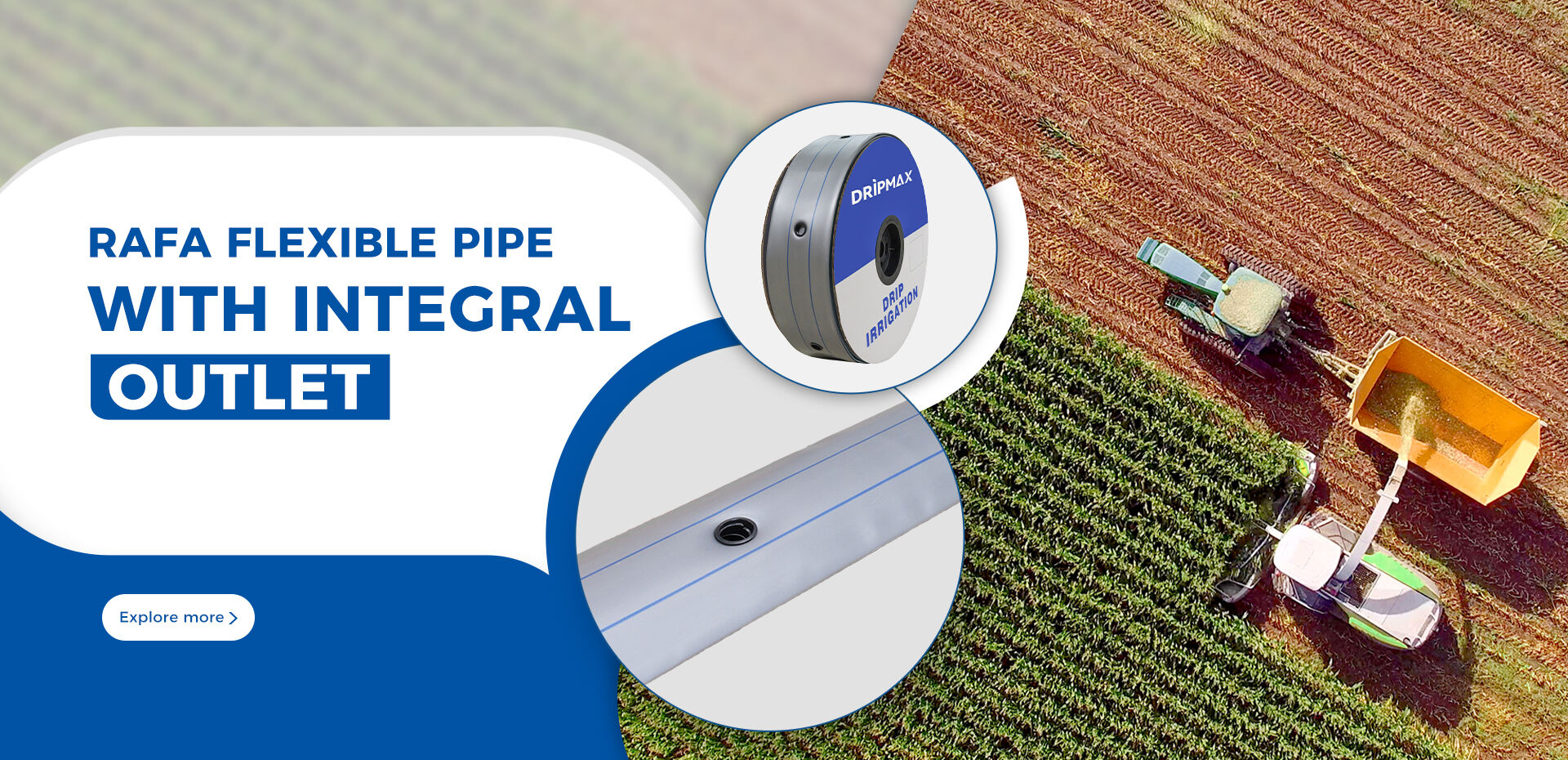
Introducing the RAFA Flexible Pipe: A New Standard in Efficient Irrigation

12

Dec

Introducing the RAFA Flexible Pipe: A New Standard in Efficient Irrigation

View More
 Comparing Traditional vs. Modern Drip Irrigation Tape Systems

23

Jul

Comparing Traditional vs. Modern Drip Irrigation Tape Systems

Discover the key differences between traditional and modern drip irrigation systems, highlighting water efficiency, technological advancements, and cost-effectiveness. Learn how modern systems improve water conservation, crop yield, and sustainability in agriculture.
View More
Quick-Install Drip Line Components Save Labor Costs

23

Jul

Quick-Install Drip Line Components Save Labor Costs

Explore labor cost challenges in traditional irrigation systems and discover how modern drip irrigation ensures efficiency with reduced installation time and minimal maintenance. Learn the key benefits for water conservation and scalable growth in agriculture.
View More
 Prevent Clogging: Self-Cleaning Drip Tape Technology Explained

23

Jul

Prevent Clogging: Self-Cleaning Drip Tape Technology Explained

Explore the challenges of drip system clogging and discover innovative solutions with self-cleaning drip tape technology. Learn about common causes of blockages, benefits of self-cleaning systems, and installation best practices.
View More

Get a Free Quote

Our representative will contact you soon.
Email
Name
Company Name
Message
0/1000

greenhouse irrigation control system

Advanced Sensor Integration and Real-Time Environmental Monitoring

Advanced Sensor Integration and Real-Time Environmental Monitoring

The greenhouse irrigation control system employs a comprehensive network of advanced sensors strategically positioned throughout the growing environment to continuously monitor critical parameters that directly impact plant health and irrigation needs. Soil moisture sensors utilize tensiometric or capacitive technology to measure water content at multiple depths and locations, providing precise data about root zone conditions and water availability. Temperature sensors monitor both air and soil temperatures to determine evapotranspiration rates and adjust watering schedules accordingly, while humidity sensors track atmospheric moisture levels that influence plant water uptake and transpiration patterns. Light sensors measure photosynthetically active radiation to correlate irrigation timing with plant metabolic activity, ensuring water delivery coincides with periods of maximum plant growth and nutrient absorption. The system incorporates pH and electrical conductivity sensors to monitor water quality parameters, automatically triggering alerts when conditions fall outside optimal ranges for plant health. Weather stations integrated with the greenhouse irrigation control system provide external environmental data including wind speed, rainfall, and barometric pressure, enabling predictive irrigation adjustments based on anticipated weather changes. Advanced sensor fusion algorithms process multiple data streams simultaneously to create comprehensive environmental profiles that inform intelligent irrigation decisions. The system maintains sensor calibration through automated self-diagnostic routines and provides maintenance alerts when sensors require cleaning or replacement, ensuring data accuracy and system reliability. Wireless sensor networks eliminate complex wiring requirements while providing redundant communication pathways that maintain system operation even if individual sensors fail. Data visualization dashboards present sensor information in intuitive graphical formats, allowing operators to quickly identify trends, anomalies, and optimization opportunities. The greenhouse irrigation control system stores historical sensor data for trend analysis, enabling long-term optimization of irrigation strategies based on seasonal patterns and crop response characteristics. Machine learning algorithms analyze sensor data patterns to predict irrigation needs and automatically adjust system parameters for optimal plant growth while minimizing water consumption.
Precision Zone Control and Customizable Irrigation Scheduling

Precision Zone Control and Customizable Irrigation Scheduling

The greenhouse irrigation control system features sophisticated zone-based control capabilities that allow independent management of multiple irrigation circuits within a single facility, enabling customized watering programs tailored to specific crop varieties, growth stages, and microenvironmental conditions. Each zone operates independently with programmable start times, duration settings, flow rates, and frequency patterns that can be adjusted based on plant species requirements, container sizes, substrate types, and seasonal growing conditions. The system supports unlimited scheduling flexibility with multiple daily watering cycles, weekly variations, and seasonal adjustments that automatically adapt to changing daylight hours and temperature patterns throughout the year. Advanced scheduling algorithms consider plant growth stages, implementing different irrigation strategies for seedlings, vegetative growth, flowering, and fruiting phases to optimize water delivery timing and volume for maximum crop performance. The greenhouse irrigation control system incorporates deficit irrigation protocols that strategically reduce water application during specific growth periods to enhance fruit quality, concentrate flavors, or trigger desired physiological responses while maintaining plant health. Programmable irrigation windows prevent watering during inappropriate times such as late evening hours when prolonged leaf wetness could promote disease development or during peak sunlight periods when water droplets might cause leaf burning. The system manages complex crop rotation schedules automatically adjusting irrigation programs as different plants are introduced to growing zones, eliminating manual reprogramming and reducing the risk of inappropriate watering for newly planted crops. Integration with greenhouse management software enables coordination between irrigation schedules and other cultural practices including fertilizer application, climate control adjustments, and harvest timing to optimize overall production efficiency. Emergency override capabilities allow immediate manual intervention when unexpected conditions require immediate irrigation adjustments, while maintaining detailed logs of all manual interventions for analysis and system improvement. The greenhouse irrigation control system supports staged irrigation programs that gradually increase or decrease water application over time, facilitating smooth transitions between growth phases and preventing shock from sudden watering changes that could stress plants and reduce productivity.
Water Conservation Technology and Sustainable Resource Management

Water Conservation Technology and Sustainable Resource Management

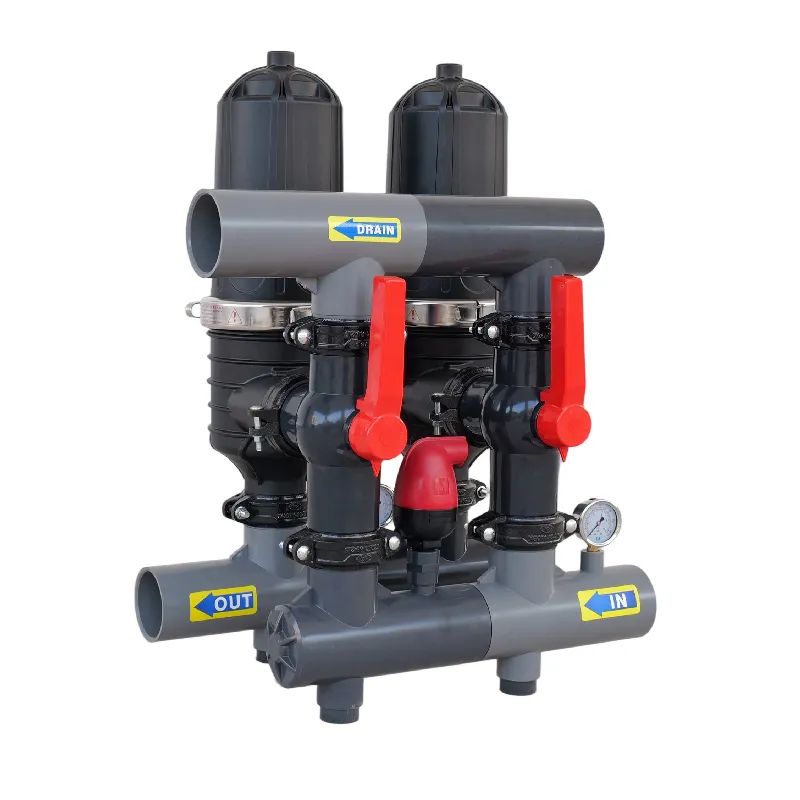
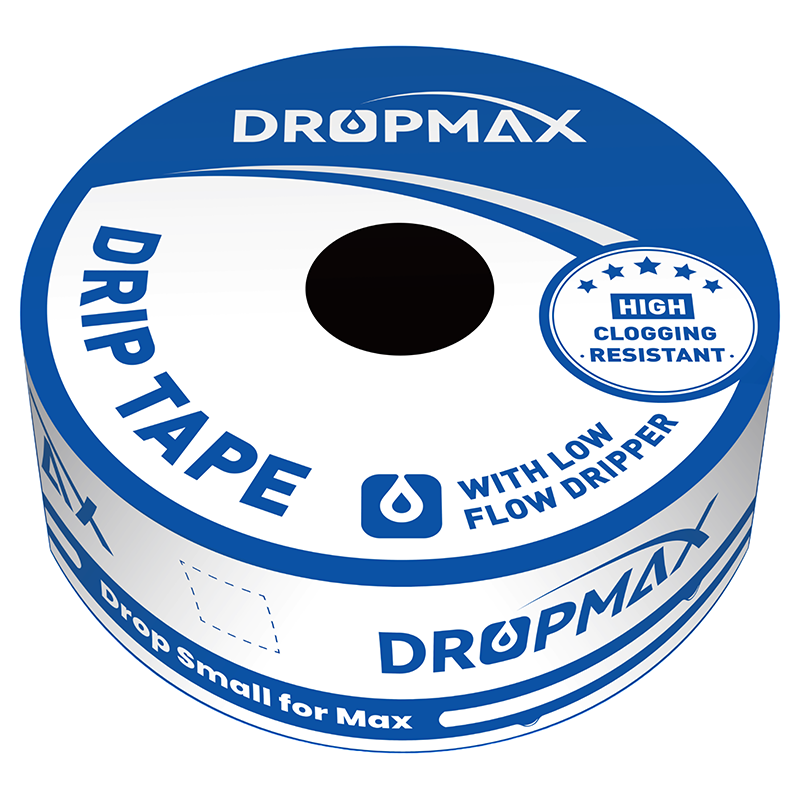
The greenhouse irrigation control system incorporates cutting-edge water conservation technologies that dramatically reduce consumption while maintaining optimal growing conditions, addressing critical environmental concerns and operational cost considerations facing modern agricultural operations. Precision drip irrigation components deliver water directly to root zones with minimal evaporation losses, while pressure-compensating emitters ensure uniform water distribution regardless of elevation differences or system pressure variations throughout the greenhouse facility. The system features advanced leak detection algorithms that monitor flow rates and pressure levels continuously, immediately alerting operators to potential leaks or system malfunctions that could waste significant water volumes if left undetected. Recycling capabilities enable collection and treatment of drainage water for reuse in irrigation systems, reducing fresh water consumption by up to 40% while maintaining water quality standards through integrated filtration and sterilization components. The greenhouse irrigation control system optimizes water use efficiency through evapotranspiration-based scheduling that calculates precise water requirements based on plant type, environmental conditions, and growth stage, eliminating guesswork and preventing both over-watering and under-watering scenarios. Smart flow control valves modulate water delivery rates in real-time based on sensor feedback, ensuring optimal soil moisture levels without waste from runoff or deep percolation beyond root zones. The system integrates with rainwater harvesting infrastructure to automatically prioritize collected precipitation for irrigation use, reducing dependence on municipal water supplies and lowering operational costs during periods of adequate rainfall. Advanced filtration systems protect irrigation components from clogging while ensuring water quality meets plant health requirements, extending equipment lifespan and maintaining system efficiency over extended operating periods. The greenhouse irrigation control system generates comprehensive water usage reports that support sustainability certifications, regulatory compliance, and cost accounting while identifying opportunities for further conservation improvements. Predictive analytics capabilities analyze weather forecasts and historical consumption patterns to optimize water storage and distribution scheduling, ensuring adequate supplies during peak demand periods while minimizing waste during low-demand intervals. The technology supports integration with greywater systems and treated wastewater sources, expanding available water resources while maintaining strict quality controls through automated monitoring and treatment protocols that ensure plant safety and crop quality.

Get a Free Quote

Our representative will contact you soon.
Email
Name
Company Name
Message
0/1000