Wireless Irrigation Control System - Smart Automated Watering Solutions

All Categories

Get a Free Quote

Our representative will contact you soon.
Email
Name
Whats App
Message
0/1000

wireless irrigation control system

A wireless irrigation control system represents a revolutionary advancement in agricultural and landscaping technology, designed to automate and optimize water distribution across various applications. This sophisticated system eliminates the need for traditional wired connections between controllers and valves, utilizing radio frequency signals, WiFi, or other wireless communication protocols to manage irrigation schedules remotely. The core functionality revolves around a central control unit that communicates with wireless valve controllers positioned throughout the irrigation zone, enabling precise water management from a single interface. Modern wireless irrigation control systems integrate weather monitoring capabilities, soil moisture sensors, and smart scheduling algorithms to deliver water exactly when and where needed. The technology features programmable timers, zone-specific controls, and real-time monitoring capabilities that allow users to adjust irrigation parameters instantly. Advanced models incorporate smartphone applications and cloud-based management platforms, providing complete control from anywhere with internet connectivity. These systems typically support multiple irrigation zones simultaneously, accommodating diverse plant watering requirements and terrain variations. The wireless infrastructure reduces installation complexity significantly, eliminating extensive trenching and cable laying traditionally required for wired systems. Solar-powered options ensure continuous operation even in remote locations without electrical infrastructure. Environmental sensors integrated within the wireless irrigation control system automatically adjust watering schedules based on rainfall, temperature, humidity, and soil conditions, preventing overwatering and water waste. The modular design allows for easy system expansion, accommodating growing agricultural operations or landscape developments. Battery backup features ensure uninterrupted operation during power outages, while weatherproof enclosures protect electronic components from harsh environmental conditions. Professional-grade systems offer advanced diagnostics, maintenance alerts, and detailed water usage reporting for comprehensive irrigation management and optimization.

Popular Products

The wireless irrigation control system delivers numerous practical benefits that directly impact operational efficiency and cost savings for agricultural operations, commercial landscapes, and residential properties. Installation becomes remarkably simpler compared to traditional wired systems, as property owners eliminate the need for extensive excavation, conduit installation, and cable routing throughout their irrigation zones. This streamlined installation process reduces labor costs by up to 60 percent and minimizes landscape disruption, allowing existing gardens and lawns to remain intact during system deployment. The wireless technology enables remote monitoring and control capabilities, empowering users to manage their irrigation schedules from smartphones, tablets, or computers regardless of their physical location. This remote access proves invaluable for property managers overseeing multiple sites, farmers monitoring distant fields, or homeowners traveling frequently. Water conservation becomes significantly more effective through intelligent scheduling algorithms that analyze weather forecasts, soil moisture levels, and plant requirements to optimize watering cycles automatically. Users typically experience 20-40 percent reductions in water usage while maintaining healthier plant growth, resulting in substantial utility bill savings over time. The system provides real-time alerts and notifications for maintenance issues, system malfunctions, or unusual water usage patterns, enabling prompt intervention before minor problems escalate into costly repairs. Scalability represents another major advantage, as wireless irrigation control systems accommodate future expansion without requiring complete infrastructure overhauls. Adding new zones simply involves installing additional wireless valve controllers that integrate seamlessly with the existing network. The technology offers superior reliability through redundant communication pathways and battery backup systems that maintain operation during power outages or network interruptions. Detailed reporting features track water usage patterns, system performance metrics, and irrigation efficiency statistics, providing valuable data for optimizing resource allocation and demonstrating environmental stewardship. Professional landscaping companies benefit from centralized management capabilities that allow technicians to monitor and adjust multiple client properties from a single dashboard, improving service efficiency and customer satisfaction. The wireless irrigation control system reduces ongoing maintenance requirements through self-diagnostic capabilities and predictive maintenance alerts that identify potential issues before system failures occur.

Tips And Tricks

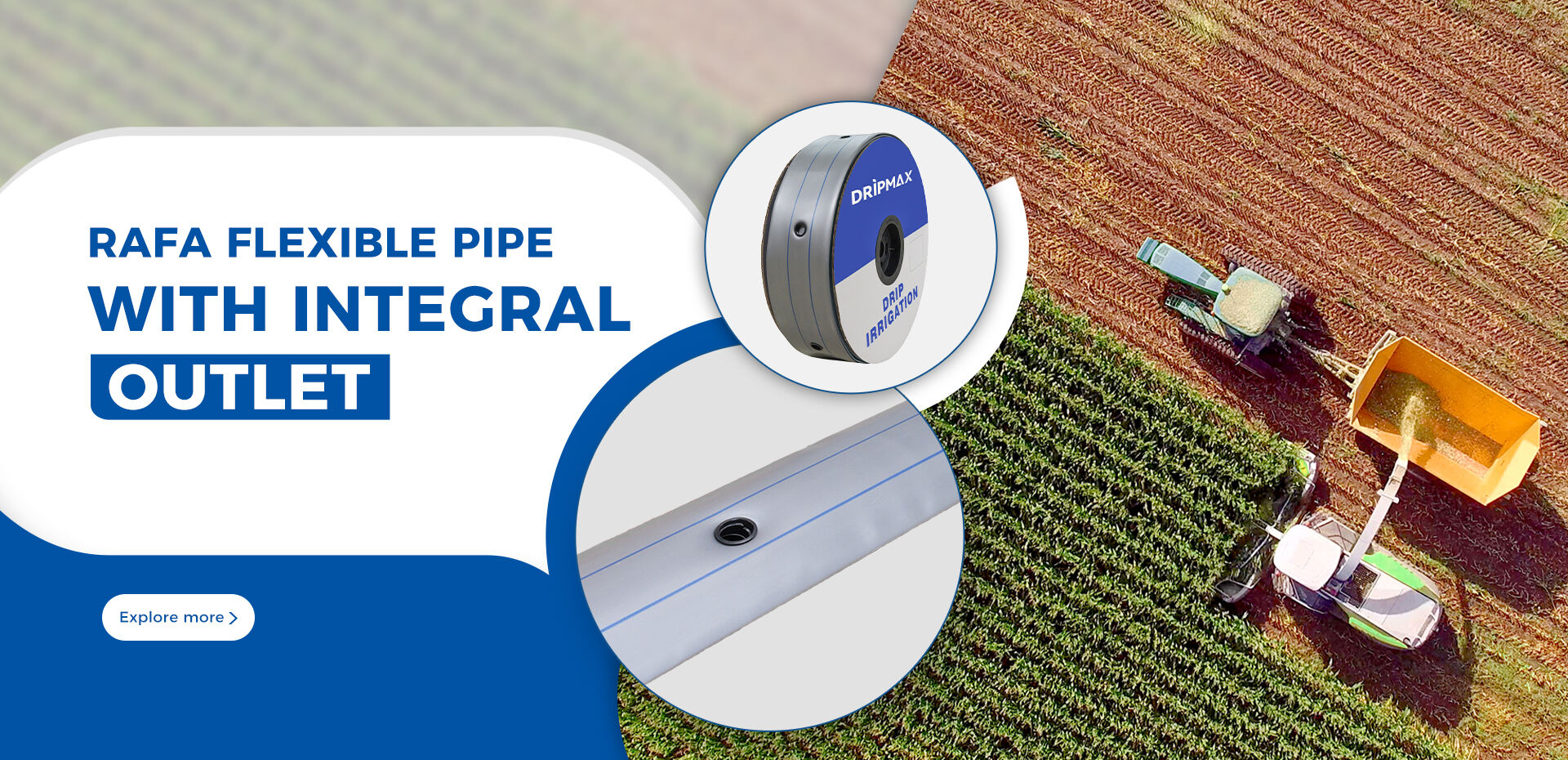
Introducing the RAFA Flexible Pipe: A New Standard in Efficient Irrigation

12

Dec

Introducing the RAFA Flexible Pipe: A New Standard in Efficient Irrigation

View More
How Layflat Hose Enhances Water Distribution in Modern Farming

10

Jun

How Layflat Hose Enhances Water Distribution in Modern Farming

Explore the fundamentals of layflat hose for agricultural water distribution, focusing on design principles, material composition, and advantages over traditional irrigation methods. Learn how layflat hose technology optimizes water distribution, reduces labor, and increases efficiency in modern farming operations.
View More
Quick-Install Drip Line Components Save Labor Costs

23

Jul

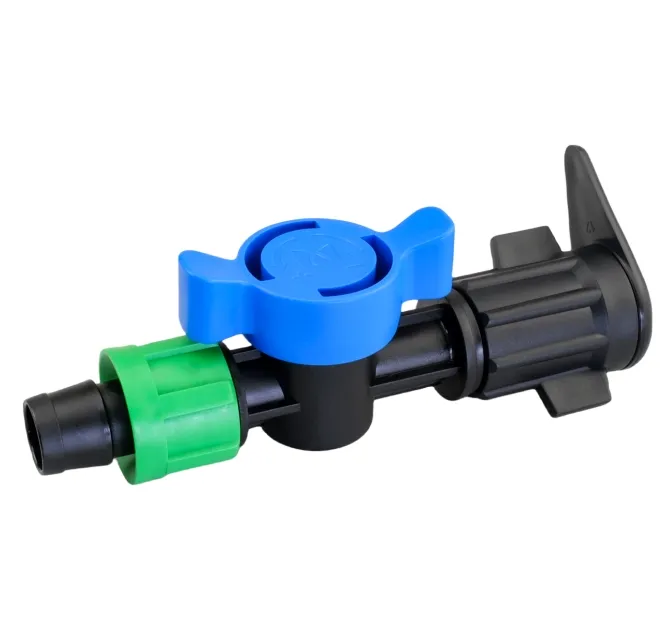
Quick-Install Drip Line Components Save Labor Costs

Explore labor cost challenges in traditional irrigation systems and discover how modern drip irrigation ensures efficiency with reduced installation time and minimal maintenance. Learn the key benefits for water conservation and scalable growth in agriculture.
View More
What Are the Main Benefits of Agricultural Irrigation Systems?

29

Aug

What Are the Main Benefits of Agricultural Irrigation Systems?

View More

Get a Free Quote

Our representative will contact you soon.
Email
Name
Company Name
Message
0/1000

wireless irrigation control system

Advanced Smart Scheduling with Weather Intelligence

Advanced Smart Scheduling with Weather Intelligence

The wireless irrigation control system revolutionizes water management through sophisticated smart scheduling capabilities that integrate real-time weather data and environmental sensors to deliver optimal irrigation timing and duration. This intelligent feature represents a quantum leap from traditional timer-based systems, utilizing advanced algorithms that analyze multiple data points including current weather conditions, rainfall forecasts, soil moisture levels, temperature fluctuations, and seasonal plant requirements. The system connects to professional weather stations and meteorological services, automatically adjusting irrigation schedules when rain is predicted, preventing unnecessary watering and reducing water waste significantly. Soil moisture sensors strategically placed throughout irrigation zones provide continuous feedback about ground saturation levels, ensuring plants receive adequate hydration without overwatering that can damage root systems or promote fungal growth. The smart scheduling function learns from historical data patterns, gradually optimizing irrigation cycles based on specific plant responses and seasonal variations. Users can customize watering preferences for different plant types, establishing specialized schedules for drought-resistant succulents, water-loving vegetables, or established trees with varying hydration needs. The wireless irrigation control system automatically compensates for temperature extremes, increasing watering frequency during heat waves while reducing irrigation during cooler periods to prevent root rot and other moisture-related plant diseases. Advanced models incorporate evapotranspiration calculations that consider factors like wind speed, humidity levels, and solar radiation intensity to determine precise water requirements for different landscape zones. This scientific approach to irrigation scheduling eliminates guesswork and manual adjustments, providing consistent results that promote healthier plant growth while minimizing water consumption. The system generates detailed reports showing water savings achieved through intelligent scheduling, helping users track conservation efforts and demonstrate environmental responsibility. Emergency override functions allow immediate manual control when unexpected weather events or plant stress conditions require intervention, while maintaining the benefits of automated optimization for normal operations.
Seamless Remote Monitoring and Control Technology

Seamless Remote Monitoring and Control Technology

The wireless irrigation control system empowers users with comprehensive remote monitoring and control capabilities that transform irrigation management from a time-consuming manual process into an efficient, automated operation manageable from anywhere with internet connectivity. This technological advancement utilizes secure cloud-based platforms and dedicated mobile applications that provide real-time visibility into every aspect of irrigation system performance, enabling proactive management and immediate response to changing conditions. Users access detailed dashboards displaying current irrigation status, upcoming scheduled activities, water flow rates, system pressure readings, and individual zone performance metrics through intuitive interfaces designed for both technical professionals and everyday homeowners. The remote control functionality extends beyond simple on-off commands, allowing precise adjustments to watering duration, frequency, and intensity for each irrigation zone independently. Property managers overseeing multiple locations benefit tremendously from centralized monitoring capabilities that consolidate dozens or hundreds of irrigation sites into a single management interface, dramatically reducing site visit requirements and operational overhead. The wireless irrigation control system sends immediate notifications via email, text message, or push notifications when abnormal conditions occur, such as broken sprinkler heads, pipe leaks, power failures, or communication disruptions, enabling rapid response before minor issues escalate into major problems. Historical data logging provides valuable insights into long-term irrigation patterns, seasonal water usage trends, and system efficiency metrics that inform strategic planning and budget allocation decisions. Advanced analytics features identify optimization opportunities by analyzing irrigation effectiveness across different zones, plant types, and weather conditions, suggesting improvements that enhance plant health while reducing water consumption. The remote access capability proves invaluable during travel, allowing homeowners to maintain their landscapes and farmers to monitor crop irrigation without physical presence on-site. Security features including encrypted communications, user authentication protocols, and access level controls ensure that sensitive irrigation data remains protected while enabling appropriate personnel to manage system operations effectively.
Flexible Installation and Expandable Architecture

Flexible Installation and Expandable Architecture

The wireless irrigation control system offers unparalleled installation flexibility and expandable architecture that accommodates diverse property layouts, terrain challenges, and evolving irrigation needs without the constraints and limitations associated with traditional wired systems. This innovative approach eliminates the extensive excavation, trenching, and conduit installation typically required for conventional irrigation controllers, reducing installation time by up to 70 percent while minimizing landscape disruption and associated restoration costs. The wireless technology adapts seamlessly to challenging terrain features such as slopes, rocky soil, existing hardscape elements, and mature landscaping where cable installation would prove difficult or impossible. Property owners can position valve controllers optimally for irrigation efficiency rather than compromising placement due to wiring constraints, resulting in superior coverage patterns and reduced water waste. The modular design philosophy enables incremental system expansion as landscaping develops or property usage evolves, allowing users to add new irrigation zones by simply installing additional wireless valve controllers that automatically integrate with the existing network. This scalability proves particularly valuable for agricultural operations that expand cultivation areas, commercial properties that develop new landscape sections, or residential properties that undergo landscape renovations over time. Solar-powered valve controllers extend installation possibilities to remote locations without electrical infrastructure, making the wireless irrigation control system viable for rural properties, large estates, and agricultural fields distant from power sources. The system architecture supports mixed installation approaches, combining solar-powered units in remote areas with electrically powered controllers in convenient locations, providing maximum flexibility for diverse property requirements. Advanced mesh networking capabilities ensure reliable communication even across extensive properties, with controllers automatically establishing communication pathways and redundant connections that maintain system reliability despite temporary signal interruptions. The wireless technology accommodates various irrigation methods including drip systems, sprinklers, and micro-irrigation setups, supporting diverse plant watering requirements within a single integrated system. Professional installers appreciate the simplified deployment process that reduces project complexity and completion time, while property owners benefit from reduced installation costs and minimal landscape disruption during system implementation.

Get a Free Quote

Our representative will contact you soon.
Email
Name
Company Name
Message
0/1000