
 EN
EN

Analisis Biaya-Manfaat: Beralih ke Irigasi Tetes untuk Pertanian Skala Besar
Operasi pertanian skala besar menghadapi tekanan yang semakin meningkat untuk mengoptimalkan penggunaan air sekaligus mempertahankan hasil panen dan profitabilitas. Metode irigasi konvensional sering kali menyebabkan pemborosan air yang signifikan, distribusi air yang tidak merata, serta biaya operasional yang lebih tinggi—faktor-faktor yang dapat berdampak serius terhadap ekonomi pertanian. Dalam mengevaluasi implikasi finansial dari modernisasi infrastruktur irigasi, analisis biaya-manfaat yang komprehensif menjadi sangat penting guna mengambil keputusan investasi yang tepat dan selaras dengan tujuan keberlanjutan pertanian jangka panjang.
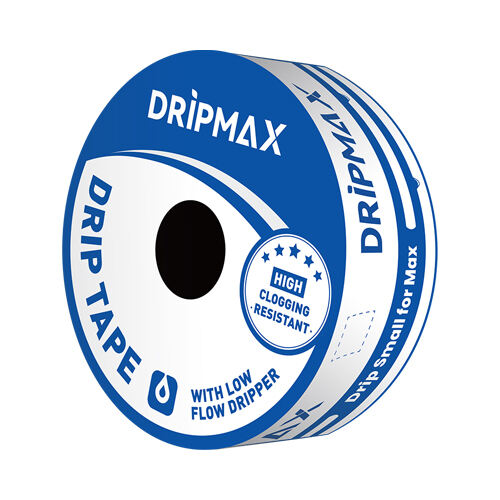
Transisi ke sistem irigasi tetes merupakan pergeseran strategis yang memerlukan perencanaan keuangan yang cermat serta pemahaman terhadap biaya langsung maupun pengembalian jangka panjang. Analisis ini mengkaji faktor-faktor ekonomi yang terlibat dalam beralih dari metode irigasi konvensional ke teknologi sistem irigasi tetes, sehingga memberikan manajer pertanian data yang diperlukan untuk mengevaluasi apakah investasi ini akan memberikan manfaat finansial yang dapat diukur. Keputusan ini tidak hanya berdampak pada pengeluaran operasional saat ini, tetapi juga pada keamanan pasokan air di masa depan, produktivitas tanaman, serta profitabilitas keseluruhan pertanian selama beberapa musim tanam.
Biaya Investasi Awal dan Persyaratan Infrastruktur
Rincian Pengeluaran Modal untuk Sistem Irigasi Tetes
Investasi awal untuk menerapkan sistem saluran irigasi tetes bervariasi secara signifikan tergantung pada ukuran lahan pertanian, kompleksitas medan, dan infrastruktur yang sudah ada. Untuk operasi berskala besar yang mencakup 500 acre atau lebih, pengeluaran modal awal umumnya berkisar antara $1.200 hingga $2.500 per acre, tergantung pada kualitas komponen yang dipilih serta tingkat kerumitan pemasangan. Investasi ini mencakup saluran distribusi utama, pipa sekunder, jaringan saluran irigasi tetes, sistem filtrasi, serta mekanisme pengendali yang diperlukan untuk operasi otomatis.
Biaya peralatan merupakan bagian terbesar dari pengeluaran awal, dengan bahan-bahan saluran irigasi tetes berkualitas tinggi menyumbang sekitar 40–50% dari total biaya sistem. Pemasangan profesional menambahkan 25–30% lagi ke anggaran proyek, sedangkan stasiun pompa, peralatan filtrasi, dan sistem kontrol membentuk sisa investasi. Operasi berskala besar memperoleh manfaat dari ekonomi skala, yang sering kali mengurangi biaya per hektare sebesar 15–25% dibandingkan instalasi berukuran lebih kecil berkat keuntungan pembelian dalam jumlah besar dan proses pemasangan yang lebih efisien.
Biaya Modifikasi Infrastruktur dan Persiapan Lokasi
Infrastruktur irigasi yang sudah ada mungkin memerlukan modifikasi signifikan agar sistem saluran irigasi tetes dapat diaplikasikan secara efektif. Perataan lahan, peningkatan drainase, dan pembangunan jalan akses dapat menambah biaya proyek secara substansial. Ketidakrataan medan sering kali mengharuskan penambahan stasiun pompa atau peralatan pengatur tekanan, yang berpotensi meningkatkan investasi awal sebesar 20–40% dalam kondisi topografi yang menantang.
Peningkatan infrastruktur kelistrikan sering kali menyertai pemasangan saluran irigasi tetes, khususnya untuk sistem kontrol otomatis dan penggerak frekuensi variabel (variable frequency drives) pada peralatan pompa. Peningkatan kelistrikan ini, meskipun menambah biaya awal, memungkinkan penjadwalan irigasi yang presisi serta kemampuan pemantauan jarak jauh yang secara signifikan meningkatkan efisiensi operasional jangka panjang. Pekerjaan persiapan lokasi—termasuk pengolahan tanah dan penghilangan puing—umumnya menambah biaya proyek sebesar $200–$500 per acre, tergantung pada kondisi lahan yang ada.
Analisis Biaya Operasional dan Peningkatan Efisiensi Air
Pengurangan Konsumsi Air dan Penghematan Biaya
Sistem saluran irigasi tetes secara konsisten menunjukkan pengurangan konsumsi air sebesar 30–50% dibandingkan metode irigasi tradisional seperti penyiraman semprot atau irigasi genangan. Bagi operasi pertanian skala besar, efisiensi air ini berubah menjadi penghematan biaya tahunan yang signifikan, terutama di wilayah-wilayah di mana harga air terus meningkat atau ketersediaannya menjadi terbatas. Sebuah operasi seluas 1.000 acre yang beralih ke teknologi saluran irigasi tetes dapat menghemat 2.000–3.500 acre-foot air per tahun, yang mewakili potensi penghematan sebesar $150.000–$400.000 tergantung pada struktur penetapan harga air lokal.
Pengiriman air secara presisi yang dicapai melalui sistem saluran irigasi tetes menghilangkan sebagian besar pemborosan yang terkait dengan penguapan, limpasan, dan kehilangan perkolasi dalam. Metode aplikasi terarah ini memastikan air mencapai zona akar tanaman secara langsung, sehingga memaksimalkan efisiensi penyerapan sekaligus meminimalkan kehilangan air yang tidak produktif. Selain itu, pengurangan penggunaan air sering kali menghasilkan biaya pemompaan yang lebih rendah, karena energi yang dibutuhkan untuk mengalirkan volume air yang lebih kecil melalui sistem distribusi menjadi lebih sedikit.
Optimalisasi Biaya Tenaga Kerja dan Manfaat Otomatisasi
Kebutuhan tenaga kerja untuk pengelolaan irigasi berkurang secara signifikan dengan penerapan sistem saluran irigasi tetes yang dirancang secara tepat. Kemampuan penjadwalan dan pemantauan otomatis mengurangi kebutuhan akan penyesuaian katup manual, pemantauan sistem, serta kegiatan pemecahan masalah yang menjadi ciri khas metode irigasi konvensional. Operasi berskala besar umumnya melaporkan penurunan biaya tenaga kerja terkait irigasi sebesar 40–60% dalam dua tahun pertama penerapan sistem saluran irigasi tetes.
Sistem saluran irigasi tetes modern terintegrasi dengan platform perangkat lunak manajemen pertanian, memungkinkan kemampuan pemantauan dan pengendalian jarak jauh yang semakin mengoptimalkan efisiensi tenaga kerja. Operator dapat menyesuaikan jadwal irigasi, memantau kinerja sistem, serta mengidentifikasi kebutuhan perawatan dari lokasi terpusat, sehingga menghilangkan kebutuhan kehadiran konstan di lapangan. Kemampuan otomatisasi ini menjadi khususnya bernilai tinggi selama musim tanam puncak, ketika tuntutan tenaga kerja paling tinggi dan fleksibilitas penjadwalan paling krusial untuk mempertahankan kondisi tanaman yang optimal.
Peningkatan Hasil Panen dan Peningkatan Pendapatan
Peningkatan Produktivitas Melalui Irigasi Presisi
Studi ilmiah secara konsisten menunjukkan bahwa tanaman yang dibudidayakan dengan sistem saluran irigasi tetes menghasilkan peningkatan hasil panen sebesar 15–25% dibandingkan dengan metode irigasi konvensional. Peningkatan produktivitas ini dihasilkan dari tingkat kelembapan tanah yang lebih konsisten, penurunan stres tanaman, serta peningkatan efisiensi penyerapan nutrisi. Untuk tanaman bernilai tinggi seperti sayuran, buah-buahan, dan biji-bijian khusus, peningkatan hasil panen dapat menghasilkan pendapatan tambahan sebesar $500–$1.500 per acre per tahun, sehingga secara signifikan mempercepat periode pengembalian investasi untuk sistem tersebut.
Penerapan air terkendali yang disediakan oleh teknologi sistem irigasi tetes memungkinkan program fertigasi yang lebih presisi, di mana nutrisi didistribusikan secara langsung ke zona akar tanaman melalui sistem irigasi. Pengiriman nutrisi yang ditargetkan ini meningkatkan efisiensi pupuk sebesar 20–30%, sekaligus mengurangi biaya pupuk secara keseluruhan dan dampak lingkungan. Kemampuan pengelolaan nutrisi yang ditingkatkan berkontribusi pada peningkatan kualitas tanaman, harga jual di pasar yang lebih baik, serta penurunan biaya input—semua faktor tersebut memperkuat manfaat finansial dari beralih ke sistem irigasi tetes.
Mitigasi Risiko dan Peningkatan Kualitas Tanaman
Sistem saluran irigasi tetes memberikan ketahanan terhadap kekeringan dan pengelolaan stres air yang lebih unggul dibandingkan metode irigasi konvensional. Selama periode kelangkaan air atau pembatasan penggunaan air, pertanian yang menggunakan irigasi tetes mampu mempertahankan tingkat produksi tanaman, sedangkan pertanian yang bergantung pada sistem yang kurang efisien dapat mengalami penurunan hasil yang signifikan. Kemampuan mitigasi risiko ini memiliki nilai ekonomi yang substansial, khususnya di wilayah-wilayah yang kerap mengalami kondisi kekeringan berkala atau ketidakpastian dalam alokasi air.
Kualitas tanaman yang meningkat melalui pengelolaan kelembapan yang konsisten sering kali memperoleh harga pasar premium. Buah-buahan dan sayuran yang ditanam dengan saluran irigasi tetes sistem tersebut umumnya menunjukkan keseragaman ukuran yang lebih baik, profil rasa yang lebih unggul, serta berkurangnya cacat permukaan yang meningkatkan daya jualnya. Harga premium untuk hasil panen berkualitas tinggi dapat menambah pendapatan kotor per hektar sebesar 10–20%, sehingga memberikan justifikasi finansial tambahan atas investasi awal sistem di luar perhitungan dasar penghematan air.
Pengembalian Keuangan Jangka Panjang dan Analisis Titik Impas
Perhitungan Pengembalian Investasi dan Garis Waktu Titik Impas
Analisis keuangan komprehensif terhadap investasi pada sistem irigasi tetes umumnya menunjukkan pengembalian positif dalam jangka waktu 3–7 tahun untuk operasi pertanian skala besar. Periode titik impas bergantung pada beberapa faktor, antara lain jenis tanaman, biaya air lokal, tingkat kompleksitas sistem, serta ketentuan pembiayaan. Operasi yang menghasilkan tanaman bernilai tinggi di wilayah dengan ketersediaan air terbatas sering kali mencapai titik impas dalam waktu 3–4 tahun, sedangkan produsen biji-bijian di daerah dengan ketersediaan air melimpah mungkin memerlukan waktu 6–7 tahun untuk memulihkan investasi awalnya.
Perhitungan nilai sekarang bersih menunjukkan bahwa sistem saluran irigasi tetes menghasilkan pengembalian positif selama masa pakai sistem 15–20 tahun, umumnya memberikan tingkat pengembalian internal antara 12–18% untuk pemasangan yang dirancang dengan baik. Pengembalian ini memperhitungkan biaya perawatan berkelanjutan, penggantian komponen secara berkala, serta peningkatan sistem yang diperlukan guna mempertahankan kinerja optimal. Kombinasi penghematan air, peningkatan hasil panen, dan penurunan biaya tenaga kerja menciptakan beberapa aliran pendapatan yang mendukung kinerja keuangan jangka panjang yang kuat.
Pertimbangan Masa Pakai Sistem dan Biaya Pemeliharaan
Komponen saluran irigasi tetes berkualitas tinggi umumnya memiliki masa pakai 8–12 tahun dengan perawatan yang tepat, sedangkan sistem distribusi utama dan peralatan pompa dapat berfungsi secara efektif selama 15–20 tahun. Biaya perawatan tahunan umumnya berkisar antara 3–5% dari investasi awal sistem, termasuk penggantian filter, perbaikan saluran irigasi tetes, serta kegiatan pembersihan sistem. Program perawatan preventif secara signifikan memperpanjang masa pakai komponen dan mengurangi biaya perbaikan tak terduga yang dapat mengganggu jadwal irigasi selama periode pertumbuhan kritis.
Perkembangan teknologi terus meningkatkan keandalan sistem saluran irigasi tetes dan mengurangi kebutuhan perawatan. Bahan modern lebih tahan terhadap penyumbatan, degradasi kimia, dan kerusakan fisik dibandingkan generasi sebelumnya dari peralatan irigasi tetes. Sistem pemantauan cerdas memungkinkan pendekatan perawatan prediktif yang mengidentifikasi potensi masalah sebelum menyebabkan kegagalan sistem, sehingga semakin mengurangi biaya operasional jangka panjang dan meningkatkan keandalan keseluruhan sistem untuk aplikasi pertanian skala besar.
Faktor Risiko dan Tantangan Implementasi
Risiko Teknis serta Pertimbangan Desain Sistem
Desain sistem yang buruk merupakan faktor risiko paling signifikan dalam penerapan saluran irigasi tetes, yang berpotensi menghilangkan manfaat yang diharapkan dan memperpanjang periode pengembalian investasi secara signifikan. Sistem filtrasi yang tidak memadai, regulasi tekanan yang tidak tepat, serta kapasitas aliran yang tidak cukup dapat menyebabkan distribusi air yang tidak merata, penyumbatan yang sering terjadi, dan kegagalan komponen secara dini. Melibatkan perancang irigasi berpengalaman serta menggunakan produk saluran irigasi tetes yang telah teruji membantu memitigasi risiko teknis ini dan menjamin kinerja sistem sesuai dengan proyeksi keuangan.
Masalah kualitas air menimbulkan tantangan berkelanjutan bagi sistem saluran irigasi tetes, terutama di wilayah dengan kandungan mineral tinggi, kontaminasi biologis, atau partikel tersuspensi. Pengolahan air yang tidak memadai dapat menyebabkan penyumbatan emitor, penurunan efisiensi sistem, serta peningkatan biaya perawatan yang mengikis manfaat finansial. Analisis kualitas air secara komprehensif dan perancangan sistem pengolahan yang tepat sangat penting untuk mencapai tingkat kinerja yang diproyeksikan serta menjaga keandalan jangka panjang sistem dalam kondisi air yang menantang.
Penilaian Risiko Pasar dan Regulasi
Perubahan dalam penetapan harga air, kebijakan alokasi air, atau regulasi lingkungan dapat berdampak signifikan terhadap imbal hasil finansial dari investasi pada sistem irigasi tetes. Kenaikan biaya air umumnya memperbaiki kelayakan ekonomi sistem, sedangkan pembatasan regulasi terhadap penggunaan air dapat mewajibkan peningkatan efisiensi tanpa mempertimbangkan aspek finansial. Operasional pertanian perlu mempertimbangkan kemungkinan perubahan kebijakan dan tren pasar saat mengevaluasi imbal hasil investasi jangka panjang serta keputusan terkait ukuran sistem.
Volatilitas pasar tanaman pangan memengaruhi sisi pendapatan dalam perhitungan biaya-manfaat, khususnya bagi operasi yang menanam tanaman khusus dengan harga yang fluktuatif. Sistem saluran irigasi tetes memberikan sebagian perlindungan terhadap penurunan pasar dengan mengurangi biaya input dan meningkatkan efisiensi, namun penurunan harga yang drastis tetap dapat memperpanjang periode pengembalian investasi. Sistem pertanaman terdiversifikasi dan desain saluran irigasi tetes yang fleksibel membantu mengurangi risiko pasar sekaligus mempertahankan manfaat inti berupa peningkatan efisiensi penggunaan air dan stabilitas hasil panen.
FAQ
Berapa lama waktu yang biasanya dibutuhkan untuk memperoleh pengembalian positif setelah beralih ke sistem saluran irigasi tetes?
Sebagian besar operasi pertanian berskala besar mulai menghasilkan arus kas positif dari investasi pada sistem irigasi tetes dalam jangka waktu 3–7 tahun, tergantung pada jenis tanaman, biaya air, dan tingkat kompleksitas sistem. Tanaman bernilai tinggi di wilayah yang kekurangan air sering kali mencapai titik impas dalam waktu 3–4 tahun, sedangkan operasi budidaya sereal mungkin memerlukan waktu 6–7 tahun. Kombinasi penghematan air, peningkatan hasil panen, dan penurunan biaya tenaga kerja umumnya menghasilkan tingkat pengembalian internal (IRR) sebesar 12–18% selama masa pakai sistem, yaitu 15–20 tahun.
Apa saja faktor utama yang dapat berdampak negatif terhadap analisis biaya-manfaat sistem irigasi tetes?
Desain sistem yang buruk, pengolahan air yang tidak memadai, dan biaya perawatan tak terduga merupakan risiko utama yang dapat memperpanjang periode pengembalian investasi atau mengurangi tingkat pengembalian keseluruhan. Masalah teknis seperti penyumbatan yang sering terjadi, distribusi air yang tidak merata, atau kegagalan komponen secara prematur umumnya disebabkan oleh perencanaan yang kurang matang atau penggunaan bahan pipa irigasi tetes berkualitas rendah. Volatilitas pasar, perubahan harga air, serta pergeseran regulasi juga dapat memengaruhi proyeksi keuangan jangka panjang dan harus dipertimbangkan dalam perencanaan investasi.
Bagaimana perbandingan biaya perawatan untuk pipa irigasi tetes dibandingkan dengan metode irigasi konvensional?
Biaya pemeliharaan tahunan untuk sistem saluran irigasi tetes biasanya berkisar antara 3–5% dari investasi awal, yang umumnya setara dengan atau sedikit lebih tinggi dibandingkan metode irigasi konvensional. Namun, ketepatan dan kemampuan otomatisasi sistem modern sering kali mengurangi kebutuhan tenaga kerja sebesar 40–60%, sehingga menutupi biaya pemeliharaan material yang lebih tinggi. Selain itu, peningkatan hasil panen dan efisiensi penggunaan air biasanya menghasilkan pendapatan tambahan yang cukup untuk menutupi seluruh kenaikan biaya pemeliharaan, sekaligus tetap memberikan laba bersih positif.
Pilihan pembiayaan apa saja yang tersedia untuk membantu mengelola biaya awal pemasangan irigasi tetes skala besar?
Berbagai opsi pembiayaan tersedia untuk investasi sistem saluran irigasi tetes, termasuk pinjaman peralatan pertanian, program konservasi pemerintah, serta perjanjian sewa-beli. Banyak negara bagian dan lembaga federal menawarkan program bagi hasil biaya yang dapat menutupi 25–75% dari biaya pemasangan bagi operasi yang memenuhi syarat. Pembiayaan peralatan melalui produsen atau lembaga pemberi pinjaman pertanian umumnya menawarkan jangka waktu 5–10 tahun dengan suku bunga kompetitif, sehingga memungkinkan operasi menyebarkan beban biaya sambil segera mulai memperoleh manfaat penghematan air dan peningkatan efisiensi dari sistem saluran irigasi tetes baru mereka.