
 EN
EN

Falhas Comuns na Irrigação por Gotejamento e Como os Conectores Adequados as Evitam
Os sistemas de irrigação por gotejamento prometem uma entrega eficiente de água e redução de desperdícios, mas seu sucesso depende fortemente da manutenção da integridade do sistema ao longo de toda a linha de irrigação por gotejamento. Quando esses sistemas falham, as consequências vão além da simples perda de água, incluindo danos às culturas, aumento dos custos operacionais e comprometimento da produtividade agrícola. Compreender os pontos de falha mais comuns nos sistemas de irrigação por gotejamento e como a seleção adequada de conectores evita esses problemas é essencial para agricultores, empreiteiros de irrigação e engenheiros agrícolas que buscam desempenho confiável a longo prazo.
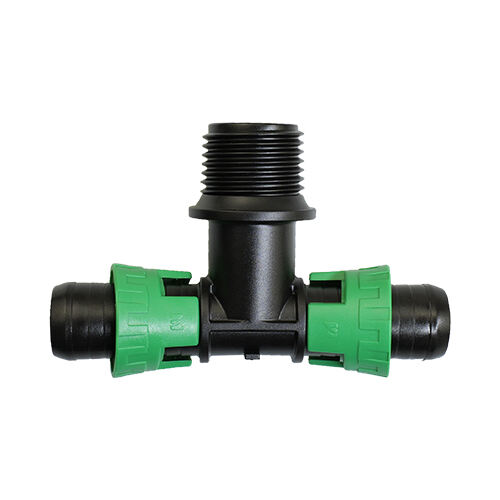
A vulnerabilidade dos sistemas de irrigação por gotejamento muitas vezes remonta aos pontos de conexão, onde segmentos de tubo, emissores e componentes de distribuição se unem ao longo da linha de irrigação por gotejamento. Essas junções críticas estão sujeitas a flutuações constantes de pressão, expansão térmica e tensão mecânica, o que pode comprometer a integridade do sistema ao longo do tempo. Embora diversos fatores contribuam para falhas na irrigação, os problemas relacionados aos conectores representam uma porcentagem significativa das avarias do sistema, tornando a seleção e a instalação adequadas dos conectores um pilar fundamental para o desempenho confiável da irrigação por gotejamento.
Falhas Relacionadas à Pressão em Sistemas de Irrigação por Gotejamento
Conexões Estouradas por Pressão Excessiva no Sistema
Uma das falhas mais catastróficas na irrigação por gotejamento ocorre quando as conexões estouram devido à pressão excessiva na tubulação de irrigação por gotejamento. Essas falhas normalmente se manifestam como jatos súbitos de água nos pontos de conexão, causando perda imediata de água e potencial alagamento das culturas. As conexões estouradas frequentemente resultam da falha de reguladores de pressão, de bombas que fornecem pressão excessiva ou de obstruções no sistema que geram pressão reversa acima da tolerância dos conectores. O impacto financeiro vai além do desperdício de água, incluindo custos com reparos de emergência e possíveis danos às culturas causados pela descarga descontrolada de água.
Conectores de alta qualidade projetados para classes específicas de pressão evitam falhas por ruptura ao incorporar materiais de construção reforçados e mecanismos de vedação projetados com precisão. Esses conectores possuem anéis de fixação robustos e conexões por compressão que mantêm ligações seguras mesmo quando ocorrem picos de pressão. A engenharia por trás dos conectores resistentes à pressão inclui espessuras calculadas das paredes, composições avançadas de polímeros e protocolos de ensaio que garantem desempenho sob condições reais de estresse.
Perda Gradual de Pressão por Microfugas
Menos dramáticas, mas igualmente problemáticas, são as microfugas que se desenvolvem gradualmente ao longo do linha de irrigação por gotejamento nos pontos de conexão. Esses pequenos vazamentos muitas vezes passam despercebidos inicialmente, mas se acumulam ao longo do tempo, causando quedas significativas de pressão e distribuição irregular da água. Os microvazamentos geralmente têm origem em vedação inadequada nas interfaces dos conectores, ciclos térmicos que afrouxam as conexões ou erros de instalação que comprometem a integridade da vedação. O efeito cumulativo reduz a eficiência do sistema e cria zonas secas onde as culturas recebem quantidade insuficiente de água.
Conectores premium abordam a prevenção de microvazamentos por meio de múltiplas camadas de vedação e materiais especificamente escolhidos pela sua elasticidade a longo prazo. A tecnologia de vedação incorpora anéis de vedação (O-rings), juntas de compressão e ajustes por interferência que mantêm vedações firmes apesar das flutuações de temperatura e das variações de pressão. Projetos avançados de conectores incluem ainda mecanismos de autovedação que compensam automaticamente pequenos assentamentos ou movimentos térmicos no sistema.
Tensão Mecânica e Integridade da Conexão
Efeitos da Expansão e Contração Térmicas
As flutuações de temperatura geram tensões mecânicas significativas em todo o sistema de irrigação por gotejamento, pois os materiais dos tubos expandem-se e contraem-se com as mudanças diárias e sazonais de temperatura. Esses movimentos térmicos exercem uma tensão particular nos pontos de conexão, onde diferentes materiais ou componentes com taxas de expansão variáveis se encontram ao longo da linha de irrigação por gotejamento. Quando os conectores não conseguem acomodar esse movimento, podem trincar, separar-se ou desenvolver fissuras por fadiga que comprometem a integridade do sistema ao longo de múltiplos ciclos térmicos.
Conectores projetados combatem a tensão térmica por meio de elementos de design flexíveis e seleção de materiais que acomodam o movimento térmico sem falha. Esses conectores frequentemente incorporam seções de acoplamento flexíveis, materiais compatíveis com expansão e designs de junta que permitem movimento controlado, mantendo ao mesmo tempo a integridade da vedação. A ciência dos materiais envolve a seleção de polímeros com coeficientes apropriados de expansão térmica e o projeto de interfaces mecânicas que flexionam em vez de racharem sob tensão térmica.
Impacto Mecânico e Danos durante a Instalação
As instalações no campo e as atividades contínuas de manutenção frequentemente submetem as conexões das linhas de irrigação por gotejamento a impactos mecânicos que podem danificar conectores padrão. O tráfego de equipamentos, o tráfego de pedestres durante a manutenção e o contato acidental com ferramentas ou máquinas geram forças de impacto que conectores mal projetados não conseguem suportar. Esses impactos muitas vezes resultam em corpos de conectores rachados, vedações deslocadas ou separação completa da conexão, exigindo reparos de emergência e paralisação do sistema.
Conectores robustos projetados para ambientes agrícolas apresentam uma construção resistente a impactos e elementos de design protetores que protegem os componentes críticos de vedação contra danos mecânicos. A engenharia inclui corpos de conectores reforçados, flanges protetores e geometrias absorvedoras de impacto que distribuem as forças para longe das superfícies de vedação vulneráveis. A seleção de materiais concentra-se em polímeros resistentes e duráveis, capazes de manter a integridade estrutural mesmo após significativa solicitação mecânica.
Degradação Química e Ambiental
Radiação UV e Degradação de Polímeros
A exposição prolongada à radiação ultravioleta causa degradação gradual dos componentes plásticos em sistemas de irrigação por gotejamento, afetando especialmente os materiais dos conectores que podem não incluir estabilização UV adequada. Essa degradação se manifesta como fragilidade, fissuração e perda de propriedades mecânicas, comprometendo a confiabilidade das conexões ao longo do tempo. O problema intensifica-se em ambientes de alta altitude ou alta incidência de UV, onde os níveis de radiação excedem as tolerâncias padrão dos materiais, levando à falha prematura de conectores inadequadamente protegidos ao longo da linha de irrigação por gotejamento.
Conectores estabilizados contra UV incorporam formulações avançadas de polímeros com aditivos e estabilizadores bloqueadores de UV que mantêm as propriedades do material apesar da exposição prolongada ao sol. A tecnologia inclui dispersões de negro de fumo, produtos químicos absorvedores de UV e pacotes antioxidantes que impedem a degradação das cadeias poliméricas. Essas medidas protetoras garantem a confiabilidade dos conectores durante toda a vida útil típica em aplicações agrícolas, sem falhas relacionadas à degradação.
Compatibilidade Química e Corrosão
As fontes de água agrícola frequentemente contêm minerais dissolvidos, fertilizantes e produtos químicos de tratamento que podem atacar os materiais dos conectores, caso a compatibilidade não seja devidamente considerada. A incompatibilidade química pode causar inchaço, fissuração ou dissolução do material do conector, comprometendo a eficácia da vedação e a integridade estrutural. O problema torna-se particularmente agudo em aplicações de fertirrigação, nas quais nutrientes concentrados fluem através da linha de irrigação por gotejamento, criando ambientes químicos agressivos que conectores padrão não conseguem suportar a longo prazo.
Conectores resistentes a produtos químicos utilizam materiais especializados e tratamentos de superfície que resistem ao ataque de produtos químicos agrícolas comuns. O processo de seleção de materiais leva em consideração a compatibilidade com fertilizantes, reguladores de pH e produtos químicos para tratamento de água normalmente encontrados em aplicações de irrigação. Projetos avançados de conectores podem incorporar materiais de vedação resistentes a produtos químicos, revestimentos protetores e aditivos inibidores de corrosão que garantem desempenho duradouro em ambientes químicos agressivos.
Distribuição de Fluxo e Desempenho Hidráulico
Problemas de Turbulência e Queda de Pressão
Um projeto inadequado de conectores pode criar restrições ao fluxo e turbulência que prejudicam o desempenho hidráulico em toda a linha de irrigação por gotejamento. Essas perturbações hidráulicas se manifestam como quedas de pressão, distribuição irregular do fluxo e redução da eficiência do sistema, afetando a uniformidade da irrigação das culturas. Conectores com bordas afiadas, mudanças bruscas de diâmetro ou obstruções internas geram resistência ao fluxo, cujo efeito se acumula em múltiplas conexões, impactando significativamente o desempenho global do sistema.
Conectores otimizados hidraulicamente apresentam trajetórias internas de fluxo suaves e transições graduais que minimizam a queda de pressão e a turbulência. O projeto envolve análise por dinâmica dos fluidos computacional para otimizar as geometrias internas e eliminar perturbações no fluxo. Esses projetos garantem que as conexões melhorem, em vez de prejudicar, o desempenho hidráulico do sistema, contribuindo para uma distribuição uniforme da água e para uma eficiência ótima da irrigação.
Prevenção do Acúmulo de Sedimentos e Entupimentos
Projetos de conectores que criam zonas de estagnação de fluxo ou mudanças bruscas de direção podem aprisionar sedimentos e detritos, os quais se acumulam gradualmente, causando obstruções parciais ou completas. Essas obstruções reduzem a capacidade de vazão e geram pressão reversa que sobrecarrega os componentes a montante da linha de irrigação por gotejamento. O problema intensifica-se com fontes de água de baixa qualidade, contendo altas cargas de sedimentos ou matéria orgânica que se depositam nas zonas mortas dos conectores.
Projetos de conectores autolimpantes incorporam geometrias de fluxo que impedem o acúmulo de sedimentos mediante a manutenção de uma velocidade de fluxo adequada e a eliminação de zonas de estagnação. A engenharia hidráulica cria perfis de velocidade que transportam as partículas através das conexões, em vez de permitir sua deposição. Alguns projetos avançados incluem funcionalidades de purga ou geometrias que facilitam a remoção de detritos, prevenindo ativamente a formação de obstruções durante a operação normal.
Considerações sobre Instalação e Manutenção
Técnicas de instalação adequadas
Muitas falhas em conectores são diretamente atribuídas a técnicas inadequadas de instalação que comprometem a integridade da vedação ou geram concentrações de tensão desde o momento da instalação. Erros comuns de instalação incluem aperto excessivo, que deforma as superfícies de vedação; aperto insuficiente, que permite movimento e desgaste; e introdução de contaminação durante a montagem. Esses problemas relacionados à instalação muitas vezes não se manifestam imediatamente, mas criam modos latentes de falha que emergem após períodos de operação, tornando a técnica adequada de instalação essencial para a confiabilidade a longo prazo das linhas de irrigação por gotejamento.
Conectores de qualidade projetados para instalação em campo incluem características que facilitam a montagem correta e reduzem o potencial de erros de instalação. Esses elementos de projeto podem incluir indicadores visuais de instalação, mecanismos limitadores de torque e procedimentos de montagem resistentes à contaminação. A engenharia foca-se na criação de designs tolerantes, capazes de manter o desempenho mesmo quando as condições de instalação não forem ideais.
Manutenção Preventiva e Inspeção
A inspeção e manutenção regulares das condições dos conectores ao longo da linha de irrigação por gotejamento permitem a detecção precoce de problemas emergentes antes que evoluam para falhas do sistema. Os protocolos de manutenção devem incluir inspeção visual para vazamentos, testes de pressão para detectar microvazamentos e programação de substituições com base nas expectativas de vida útil. O desafio reside no desenvolvimento de procedimentos de inspeção que identifiquem eficientemente os conectores problemáticos sem exigir mão de obra excessiva ou tempo de inatividade do sistema.
Projetos avançados de conectores incorporam características voltadas à inspeção, como componentes transparentes para avaliação visual da vedação, portas de teste para verificação de pressão e sistemas indicadores que revelam problemas em desenvolvimento. Esses recursos permitem que a equipe de manutenção avalie rapidamente o estado dos conectores e programe substituições antes que ocorram falhas, reduzindo os custos com reparos de emergência e o tempo de inatividade do sistema.
Perguntas Frequentes
Quais são os sinais mais comuns de falha nos conectores de sistemas de irrigação por gotejamento?
Os sinais mais evidentes incluem vazamentos de água visíveis nos pontos de conexão, leituras reduzidas de pressão nos pontos de monitoramento do sistema e padrões irregulares de distribuição de água nas áreas irrigadas. Indicadores sutis incluem aumentos graduais no tempo de funcionamento da bomba para manter a pressão, áreas úmidas em locais inesperados e redução das taxas de fluxo nos emissores localizados a jusante das conexões problemáticas. O monitoramento regular da pressão e inspeções visuais ajudam a identificar problemas emergentes nos conectores antes que se transformem em falhas críticas.
Com que frequência os conectores devem ser substituídos em um sistema de irrigação por gotejamento?
A frequência de substituição depende da qualidade dos conectores, das condições ambientais e das pressões de operação do sistema, mas conectores de qualidade normalmente duram de 5 a 10 anos em condições agrícolas normais. Sistemas que operam em pressões mais elevadas ou em condições ambientais extremas podem exigir substituições mais frequentes. O essencial é estabelecer um cronograma de substituição com base na observação real do desempenho, em vez de prazos arbitrários, substituindo os conectores assim que a inspeção revelar sinais de degradação, e não esperando até a falha total.
O uso de conectores de maior qualidade justifica seu custo aumentado?
Conectores de maior qualidade normalmente proporcionam um retorno sobre o investimento significativamente melhor por meio de taxas reduzidas de falha, menores custos de manutenção e maior confiabilidade do sistema. O custo inicial ligeiramente superior é frequentemente recuperado já na primeira temporada, graças à redução do desperdício de água, à eliminação dos custos com reparos de emergência e ao aumento da produtividade das culturas decorrente de uma entrega consistente de água. Conectores de qualidade também reduzem os custos com mão de obra associados à manutenção e à solução de problemas do sistema, tornando-os economicamente vantajosos para a maioria das aplicações comerciais de irrigação por gotejamento.
Quais fatores devem ser considerados ao selecionar conectores para aplicações específicas de irrigação por gotejamento?
Os principais fatores de seleção incluem as classificações máximas de pressão do sistema, a compatibilidade química com as fontes de água e fertilizantes, a resistência aos raios UV para instalações expostas e a capacidade de ciclagem térmica em ambientes com variações de temperatura. A facilidade de instalação e os requisitos de manutenção também afetam significativamente os custos a longo prazo e a confiabilidade do sistema. Os requisitos específicos da cultura, as condições climáticas locais e os recursos de manutenção disponíveis devem todos influenciar a seleção dos conectores, a fim de garantir um desempenho ideal durante toda a vida útil prevista.