
 EN
EN

Como os Filtros de Disco com Lavagem Reversa Melhoram a Uniformidade e a Produtividade das Culturas
A agricultura moderna exige precisão e eficiência em todos os aspectos da produção agrícola, sendo os sistemas de irrigação fundamentais para determinar a produtividade e qualidade gerais. Entre as tecnologias mais eficazes que estão revolucionando a irrigação agrícola estão os filtros de disco com lavagem reversa, que oferecem capacidades superiores de filtração, impactando diretamente a uniformidade e a produtividade das culturas. Esses sistemas avançados de filtração resolvem o desafio fundamental de manter um fluxo de água limpo e constante em toda a rede de irrigação, garantindo que cada planta receba água de qualidade ideal para um desenvolvimento saudável.
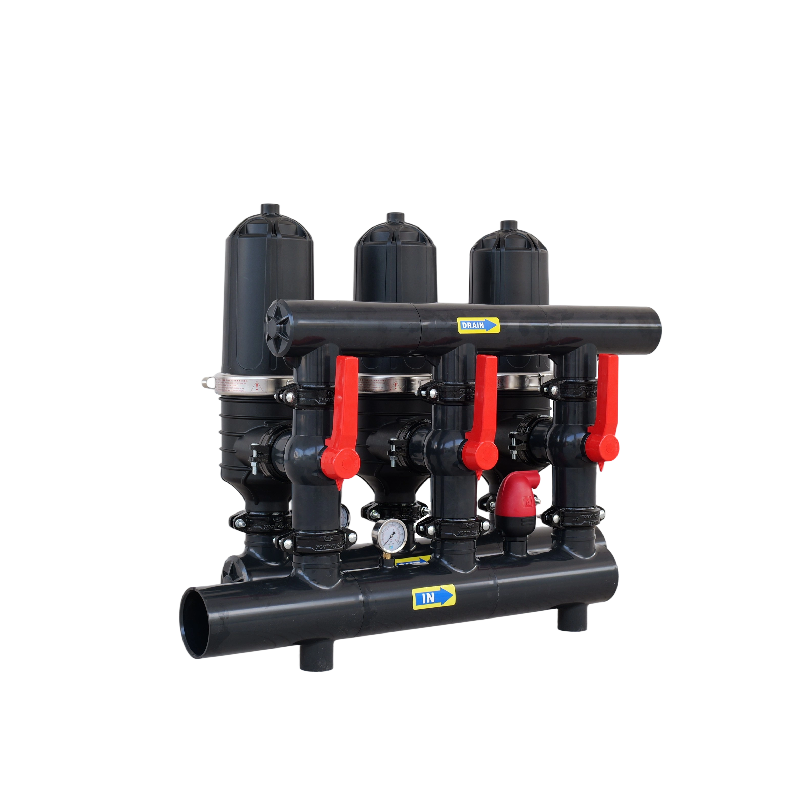
A indústria agrícola tem testemunhado uma transformação significativa por meio da implementação de tecnologias avançadas de irrigação, com sistemas de filtração surgindo como componentes essenciais para um manejo eficaz das culturas. Os filtros de disco com lavagem reversa representam um avanço na eficiência da irrigação, oferecendo aos agricultores a capacidade de manter uma qualidade de água consistente, ao mesmo tempo que reduzem os requisitos de manutenção e os custos operacionais. Esses sistemas funcionam criando uma barreira de filtração multicamada que retém detritos, sedimentos e matéria orgânica antes que possam atingir componentes delicados da irrigação ou as zonas radiculares das plantas.
Compreender como esses sistemas de filtração contribuem para melhores resultados nas colheitas exige analisar a relação entre a qualidade da água e a saúde das plantas. Quando a água de irrigação contém partículas, algas ou outros contaminantes, esses materiais podem entupir emissores, causar distribuição irregular da água e potencialmente introduzir substâncias nocivas aos sistemas radiculares das culturas. Ao implementar filtros de disco com lavagem reversa, as operações agrícolas podem eliminar esses problemas enquanto mantêm condições ideais de cultivo em toda a área.
Princípios Fundamentais da Tecnologia de Filtração por Disco
Mecanismo de Filtração em Múltiplas Camadas
A funcionalidade principal dos filtros de disco com lavagem reversa baseia-se em conjuntos de discos projetados com precisão que criam passagens microscópicas para a água, retendo partículas indesejadas. Esses discos são fabricados com padrões e profundidades específicos de ranhuras que correspondem aos níveis desejados de filtração, normalmente variando entre 50 e 400 malhas equivalentes. A configuração em pilha dos discos cria uma matriz tridimensional de filtração que maximiza a área superficial, mantendo ao mesmo tempo taxas de fluxo constantes em todo o sistema.
Cada disco na montagem possui canais cuidadosamente projetados que permitem a passagem de água limpa, ao mesmo tempo em que direcionam os contaminantes para áreas de coleta. O padrão sobreposto dos discos adjacentes cria pontos adicionais de filtração, garantindo que partículas maiores que a classificação em mícrons especificada não consigam atravessar o sistema. Essa abordagem multicamadas oferece redundância e confiabilidade que os métodos de filtração de estágio único não conseguem igualar, tornando-a particularmente valiosa para aplicações agrícolas onde o desempenho consistente é essencial.
Ciclos Automatizados De Limpeza
Uma das vantagens mais significativas dos modernos filtros de disco com lavagem reversa é a sua capacidade de limpeza automatizada, que elimina a manutenção manual ao mesmo tempo que garante operação contínua. O processo de lavagem reversa funciona invertendo o fluxo de água através do conjunto de discos, removendo as partículas retidas e expulsando-as do sistema por meio de saídas dedicadas de desperdício. Esse processo ocorre normalmente em intervalos predefinidos ou quando sensores de pressão diferencial detectam redução na capacidade de fluxo.
A automação dos ciclos de limpeza evita a diminuição gradual da eficiência de filtração que caracteriza os sistemas manuais, mantendo uma qualidade de água consistente durante as estações de crescimento. Sistemas avançados de controle podem ser programados para otimizar a frequência de limpeza com base nas condições de qualidade da água, variações sazonais e requisitos específicos das culturas. Essa abordagem inteligente à manutenção reduz o desperdício de água, ao mesmo tempo que garante que os filtros de disco com lavagem reversa operem com eficiência máxima quando as culturas mais precisam.
Impacto na Uniformidade das Culturas por meio da Melhoria da Distribuição de Água
Proteção e Desempenho do Emissor
Sistemas de irrigação por gotejamento e microaspersão dependem de designs precisos de emissores para fornecer volumes exatos de água a plantas individuais ou áreas cultivadas. Quando esses emissores ficam entupidos com detritos ou sedimentos, a distribuição de água se torna irregular, levando ao estresse das plantas em algumas áreas, enquanto outras podem receber um excesso de umidade. Os filtros de disco com lavagem reversa evitam esse cenário ao remover partículas antes que elas alcancem componentes sensíveis da irrigação, mantendo taxas de fluxo consistentes em todas as zonas de irrigação.
A proteção fornecida por esses sistemas de filtração vai além da simples prevenção de entupimentos, incluindo a preservação da calibração dos emissores e das características de fluxo. Muitos emissores modernos são projetados com tamanhos específicos de orifícios e padrões de fluxo que podem ser alterados permanentemente por partículas abrasivas ou depósitos minerais. Ao implementar uma filtração completa por meio de filtros de disco com lavagem reversa, os agricultores podem manter as características precisas de entrega de água que seus sistemas de irrigação foram projetados para proporcionar.
Regulação de Pressão e Eficiência do Sistema
A pressão uniforme da água em toda a rede de irrigação é essencial para uma irrigação consistente das culturas, e os sistemas de filtração desempenham um papel crucial na manutenção de condições ideais de pressão. Quando os filtros ficam entupidos ou obstruídos, a pressão do sistema diminui e os padrões de fluxo tornam-se irregulares, criando áreas de superirrigação e subirrigação dentro do mesmo campo. A capacidade de limpeza automática dos filtros de disco com lavagem reversa evita essas flutuações de pressão, mantendo caminhos de fluxo desobstruídos e um desempenho hidráulico consistente.
As melhorias na eficiência do sistema proporcionadas pela filtração adequada estendem-se ao consumo de energia e ao desempenho da bomba, pois sistemas limpos requerem menos energia para manter as pressões e vazões alvo. Essa eficiência se traduz diretamente em custos operacionais reduzidos, ao mesmo tempo que melhora a confiabilidade na entrega de água às culturas. A manutenção constante da pressão fornecida por filtros de disco com lavagem reversa garante que o planejamento da irrigação permaneça preciso e previsível, apoiando padrões ideais de desenvolvimento das culturas.
Aumento da Produtividade por meio da Melhoria da Qualidade da Água
Otimização da Entrega de Nutrientes
As práticas modernas de fertirrigação dependem da injeção precisa de nutrientes diretamente nos sistemas de irrigação, tornando a qualidade da água um fator crítico na eficiência da entrega de nutrientes. Contaminantes na água de irrigação podem interferir na absorção de nutrientes, provocar reações químicas que reduzem a eficácia dos fertilizantes ou obstruir fisicamente a entrega de nutrientes às zonas radiculares das plantas. Os filtros de disco com lavagem reversa resolvem esses desafios ao fornecer um ambiente de água limpa necessário para a utilização ideal dos nutrientes.
O processo de filtração remove matéria orgânica e partículas em suspensão que, de outra forma, poderiam consumir oxigênio dissolvido ou criar condições anaeróbicas ao redor das raízes das plantas. A manutenção da química adequada da água favorece o desenvolvimento saudável das raízes e maximiza a eficácia dos fertilizantes aplicados. Além disso, a água de irrigação limpa evita o acúmulo de detritos orgânicos nas zonas radiculares, o que poderia abrigar bactérias ou fungos prejudiciais que comprometem a saúde das plantas e reduzem os rendimentos.
Saúde e Desenvolvimento da Zona Radicular
Os sistemas radiculares das plantas são altamente sensíveis ao seu ambiente imediato, e a qualidade da água de irrigação impacta diretamente a saúde e os padrões de desenvolvimento das raízes. Água contaminada pode introduzir patógenos, criar condições tóxicas ou simplesmente interferir no funcionamento normal das raízes por obstrução física ou desequilíbrio químico. Ao garantir que apenas água limpa e filtrada alcance as zonas radiculares das plantas, os filtros de disco com lavagem reversa apoiam o desenvolvimento e o funcionamento ideais das raízes.
Sistemas radiculares saudáveis são mais eficientes na absorção de nutrientes, absorção de água e eliminação de resíduos, tudo o que contribui para o aumento do vigor e da produtividade das plantas. A qualidade constante da água fornecida por sistemas avançados de filtração permite que as plantas desenvolvam redes radiculares mais extensas e eficientes, apoiando maiores rendimentos e melhor qualidade das colheitas. Esse benefício é particularmente acentuado em culturas de alto valor, nas quais a saúde das raízes impacta diretamente o rendimento comercializável e os padrões de qualidade.
Benefícios Econômicos e Retorno sobre Investimento
Redução dos Custos de Manutenção e Mão de Obra
Métodos tradicionais de filtração em irrigação frequentemente exigem limpeza manual frequente, substituição de componentes e paralisação do sistema, gerando custos significativos com mão de obra e interrupções operacionais durante períodos críticos de cultivo. Os filtros de disco com lavagem reversa eliminam a maioria dessas necessidades de manutenção por meio de seus sistemas automatizados de limpeza e construção durável. A capacidade de autolimpeza reduz a necessidade de intervenção manual, ao mesmo tempo que prolonga a vida útil tanto dos próprios filtros quanto dos componentes de irrigação a jusante.
As reduções de custos com mão de obra provenientes de sistemas automatizados de filtração tornam-se particularmente significativas durante as épocas de pico de cultivo, quando a mão de obra agrícola é cara e conflitos de agendamento são comuns. A confiabilidade dos filtros de disco com lavagem reversa permite que os gestores das fazendas concentrem recursos em outras atividades críticas, mantendo a confiança no desempenho do sistema de irrigação. Ao longo de períodos plurianuais, essas economias com mão de obra frequentemente representam uma parcela substancial do retorno total sobre o investimento em sistemas de filtração.
Vida útil do equipamento extendida
Os componentes dos sistemas de irrigação representam importantes investimentos de capital que os agricultores esperam que ofereçam serviço confiável por muitos anos. A água contaminada acelera o desgaste de bombas, válvulas, emissores e sistemas de controle, levando a custos prematuros de substituição e falhas inesperadas do sistema. A filtração abrangente proporcionada pelos filtros de disco com lavagem reversa protege esses investimentos, garantindo que água limpa circule por toda a rede de irrigação, prolongando drasticamente a vida útil dos equipamentos.
A proteção de componentes caros de irrigação por meio de filtragem adequada muitas vezes gera retornos que superam o custo inicial dos sistemas de filtração em apenas algumas temporadas. Esse benefício econômico torna-se ainda mais significativo ao considerar os custos indiretos de falhas no sistema, incluindo perdas de culturas, reparos de emergência e interrupções nos cronogramas de plantio. Ao investir em tecnologia de filtração de qualidade, os agricultores podem alcançar maior previsibilidade nos custos operacionais, ao mesmo tempo que protegem seus investimentos de capital.
Considerações sobre Instalação e Integração
Dimensionamento e Seleção do Sistema
O dimensionamento adequado dos filtros de disco com lavagem reversa requer uma análise cuidadosa das necessidades de vazão, das condições da qualidade da água e dos objetivos de filtração específicos de cada operação agrícola. Filtros subdimensionados provocam quedas de pressão e exigem ciclos excessivos de limpeza, enquanto sistemas superdimensionados representam despesas desnecessárias de capital e podem não operar com eficiência nas vazões típicas. A avaliação profissional dos requisitos do sistema garante desempenho ideal e custo-efetividade dos investimentos em filtração.
O processo de seleção também deve considerar as variações sazonais na qualidade da água e nas demandas de irrigação, já que muitas operações agrícolas enfrentam mudanças significativas em ambos ao longo das estações de cultivo. Filtros de disco com lavagem reversa projetados para aplicações agrícolas normalmente incluem configurações ajustáveis e construção modular que permite a modificação do sistema conforme as necessidades mudam. Essa flexibilidade garante que os sistemas de filtração possam se adaptar às necessidades em evolução, mantendo características de desempenho ideais.
Integração com Infraestrutura Existente
A maioria das operações agrícolas precisa integrar novos sistemas de filtração à infraestrutura existente de irrigação, exigindo um planejamento cuidadoso para minimizar interrupções e maximizar a compatibilidade. Filtros modernos de disco com lavagem reversa são projetados com tamanhos e configurações de conexão padrão que facilitam a integração com componentes comuns de irrigação. No entanto, a integração adequada muitas vezes exige modificações nos sistemas de controle, regulação de pressão e equipamentos de monitoramento para aproveitar plenamente os benefícios da tecnologia avançada de filtração.
O processo de integração deve levar em consideração planos futuros de expansão e requisitos de irrigação em evolução, garantindo que os sistemas de filtração possam suportar operações em crescimento. Muitas instalações bem-sucedidas incluem previsões para capacidade adicional de filtração, sistemas de controle atualizados e capacidades aprimoradas de monitoramento que podem tornar-se necessárias conforme as operações agrícolas se expandem ou intensificam seus métodos de produção.
Monitoramento e Otimização de Desempenho
Indicadores Chave de Desempenho
A gestão eficaz dos filtros de disco com lavagem reversa exige o monitoramento contínuo de indicadores de desempenho que reflitam tanto a eficiência da filtração quanto a saúde do sistema. Os principais indicadores incluem a pressão diferencial nos conjuntos de filtro, a frequência dos ciclos de limpeza, as medições da qualidade da água e os dados de desempenho do sistema de irrigação. Esses indicadores fornecem alertas precoces sobre possíveis problemas, ao mesmo tempo que documentam os benefícios obtidos com os investimentos no sistema de filtração.
Sistemas avançados de monitoramento podem fornecer dados em tempo real sobre o desempenho da filtração, permitindo que os operadores otimizem os horários de limpeza e identifiquem tendências que possam indicar mudanças nas condições da qualidade da água ou desgaste do sistema. Essa abordagem proativa na gestão do sistema maximiza a eficácia dos filtros de disco com lavagem reversa, ao mesmo tempo que evita que pequenos problemas se transformem em falhas graves que possam comprometer a produção agrícola.
Ajustes e Manutenção Sazonais
As fontes de água agrícolas frequentemente apresentam variações sazonais na qualidade, o que exige ajustes correspondentes na operação do sistema de filtração. O escoamento da primavera pode aumentar a carga de sedimentos, enquanto as condições de verão podem favorecer o crescimento de algas, desafiando diferentes aspectos dos sistemas de filtração. Compreender esses padrões permite aos operadores otimizar os filtros de disco com lavagem reversa para condições variáveis, mantendo uma qualidade de água consistente para a produção de culturas.
A programação de manutenção preventiva deve alinhar-se aos padrões sazonais de irrigação e aos ciclos de qualidade da água, garantindo que os sistemas de filtração recebam atenção durante períodos em que as culturas dependem menos da irrigação. Essa abordagem estratégica à manutenção minimiza interrupções e assegura que os filtros de disco com lavagem reversa estejam preparados para períodos de demanda máxima, quando o desempenho consistente é mais crítico.
Perguntas Frequentes
Com que frequência os filtros de disco com lavagem reversa exigem ciclos de limpeza
A frequência de limpeza depende das condições da qualidade da água e das configurações do sistema, mas a maioria das instalações agrícolas realiza ciclos de limpeza a cada 24 a 72 horas durante os períodos ativos de irrigação. Sistemas avançados com monitoramento de pressão diferencial podem ajustar automaticamente a frequência de limpeza com base na carga real de filtração, otimizando o desempenho e minimizando o desperdício de água. Durante períodos de alta sedimentação ou carga orgânica, os ciclos de limpeza podem ocorrer com mais frequência para manter vazões ideais.
Qual classificação em mícron é recomendada para diferentes tipos de culturas
A maioria das aplicações agrícolas se beneficia da filtração na faixa de 100 a 200 mícrons, o que oferece excelente proteção para emissores de irrigação por gotejamento, mantendo ao mesmo tempo taxas de vazão adequadas. Culturas de alto valor ou sistemas de irrigação sensíveis podem exigir uma filtração mais fina, até 50 mícrons, enquanto aplicações menos críticas podem funcionar adequadamente com filtração de 400 mícrons. A seleção deve equilibrar a eficácia da filtração com os requisitos de pressão do sistema e considerações de manutenção.
Os filtros de disco com lavagem reversa podem lidar com água de alto teor de ferro
Esses filtros removem eficazmente partículas de ferro e precipitação, embora águas com alto teor de ferro possam exigir ciclos de limpeza mais frequentes e potencialmente um pré-tratamento adicional. Fontes de água ricas em ferro frequentemente se beneficiam de tratamento por oxidação antes da filtração, para converter o ferro dissolvido em partículas que os filtros de disco com lavagem reversa possam remover eficazmente. O monitoramento regular dos níveis de ferro ajuda a otimizar os cronogramas de limpeza e prevenir o entupimento do sistema.
Qual é a vida útil esperada dos conjuntos de filtros de disco
Conjuntos de discos de qualidade geralmente oferecem de 5 a 10 anos de serviço confiável em condições agrícolas normais, sendo a vida útil real dependente da qualidade da água, da frequência de limpeza e das práticas de manutenção. A inspeção regular e a substituição de discos desgastados garantem um desempenho consistente de filtração durante toda a vida operacional do sistema. Alguns fabricantes oferecem programas de substituição de discos que ajudam a manter o desempenho ideal enquanto gerenciam os custos de longo prazo.