drip irrigation farming
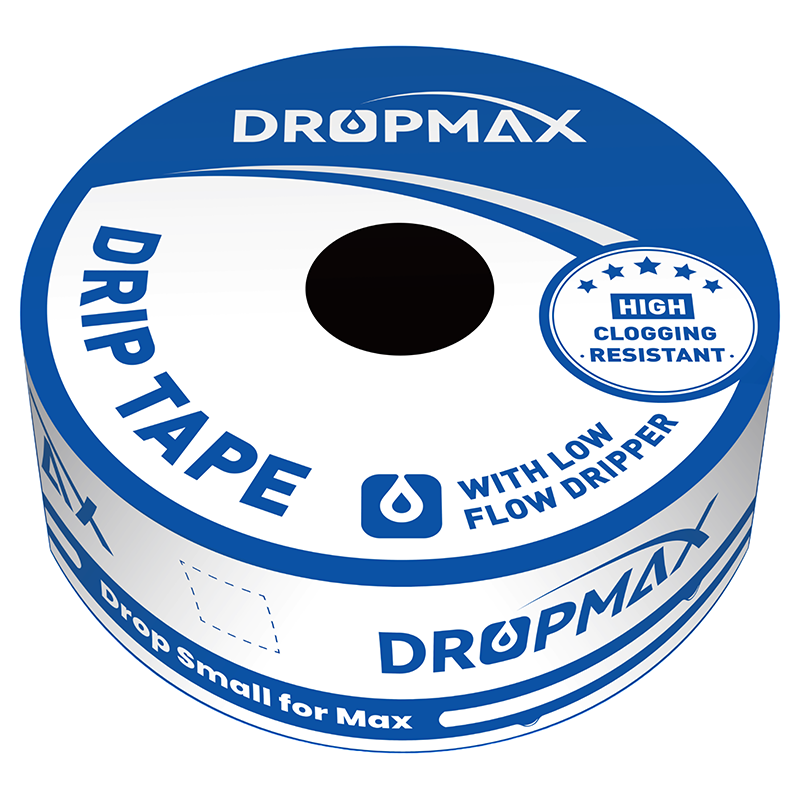

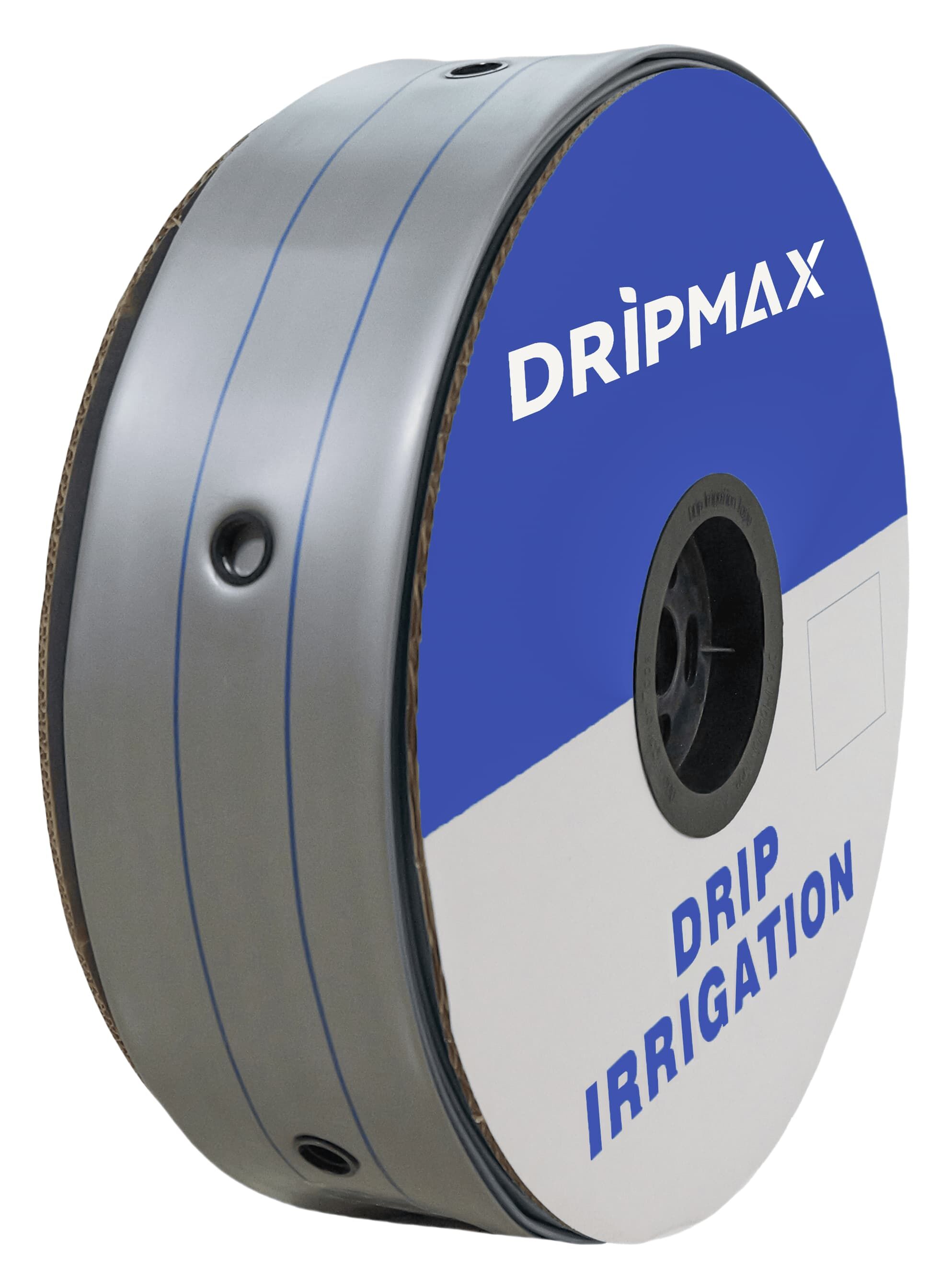
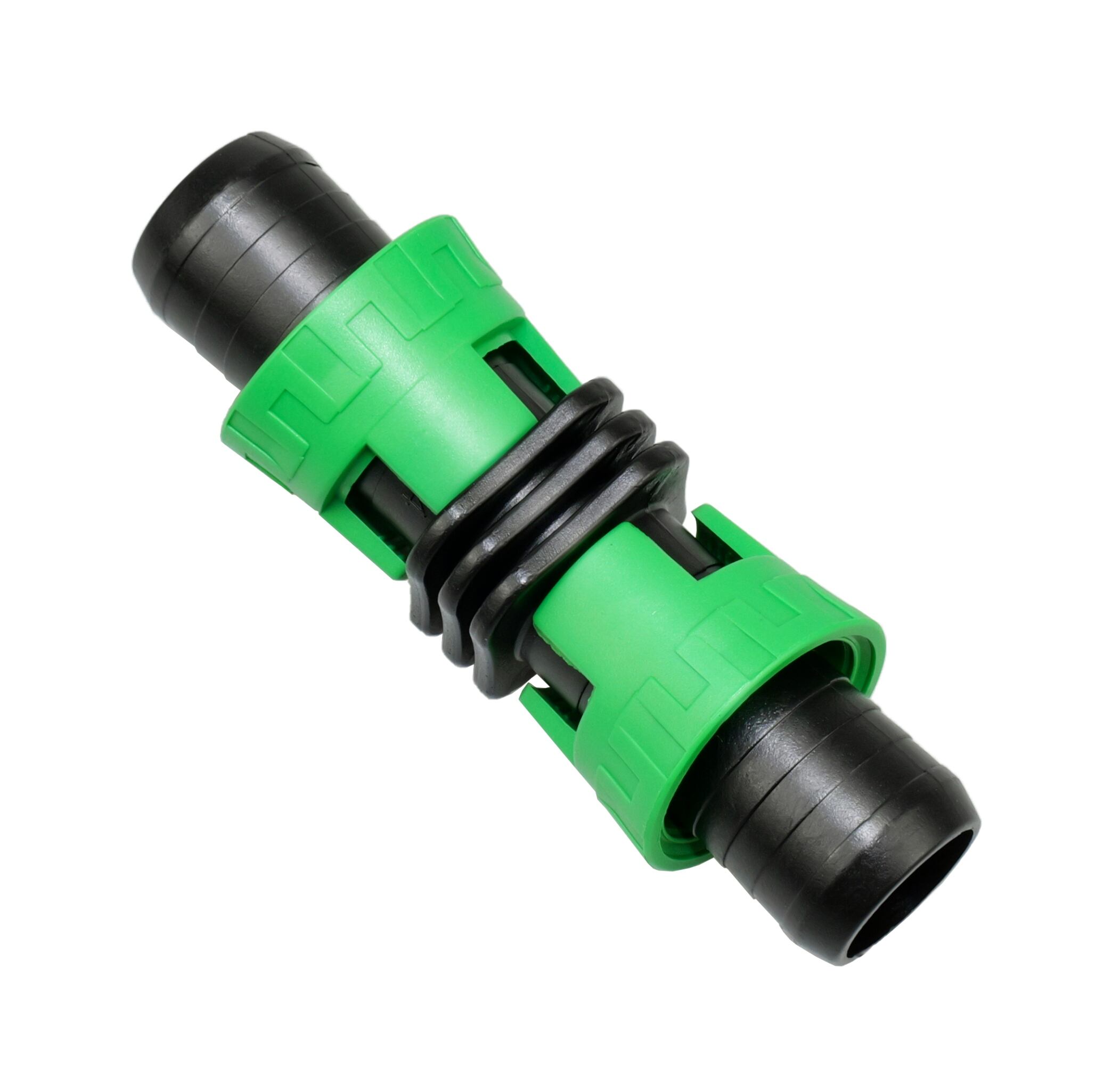
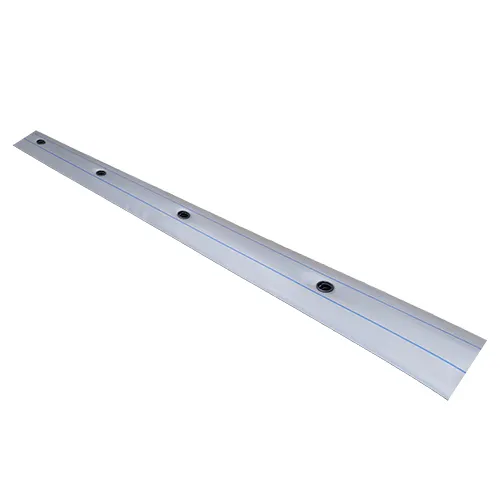
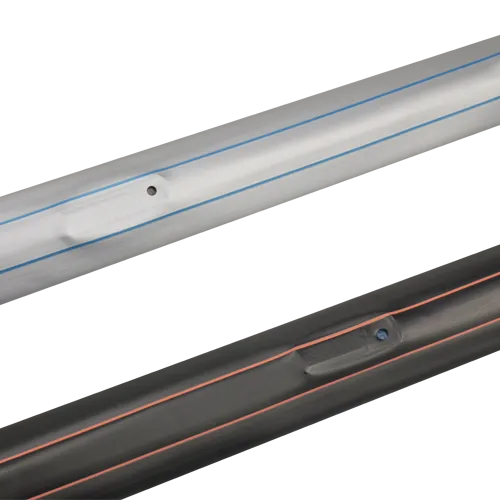
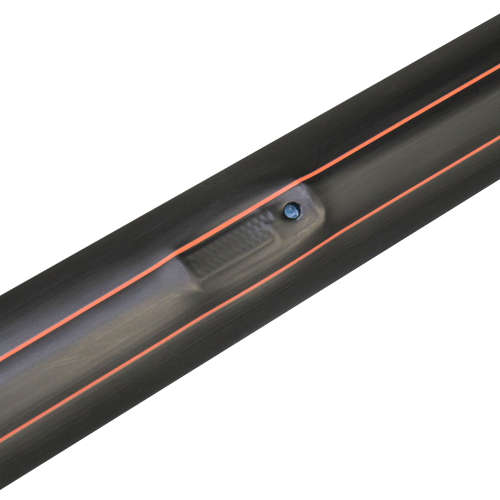
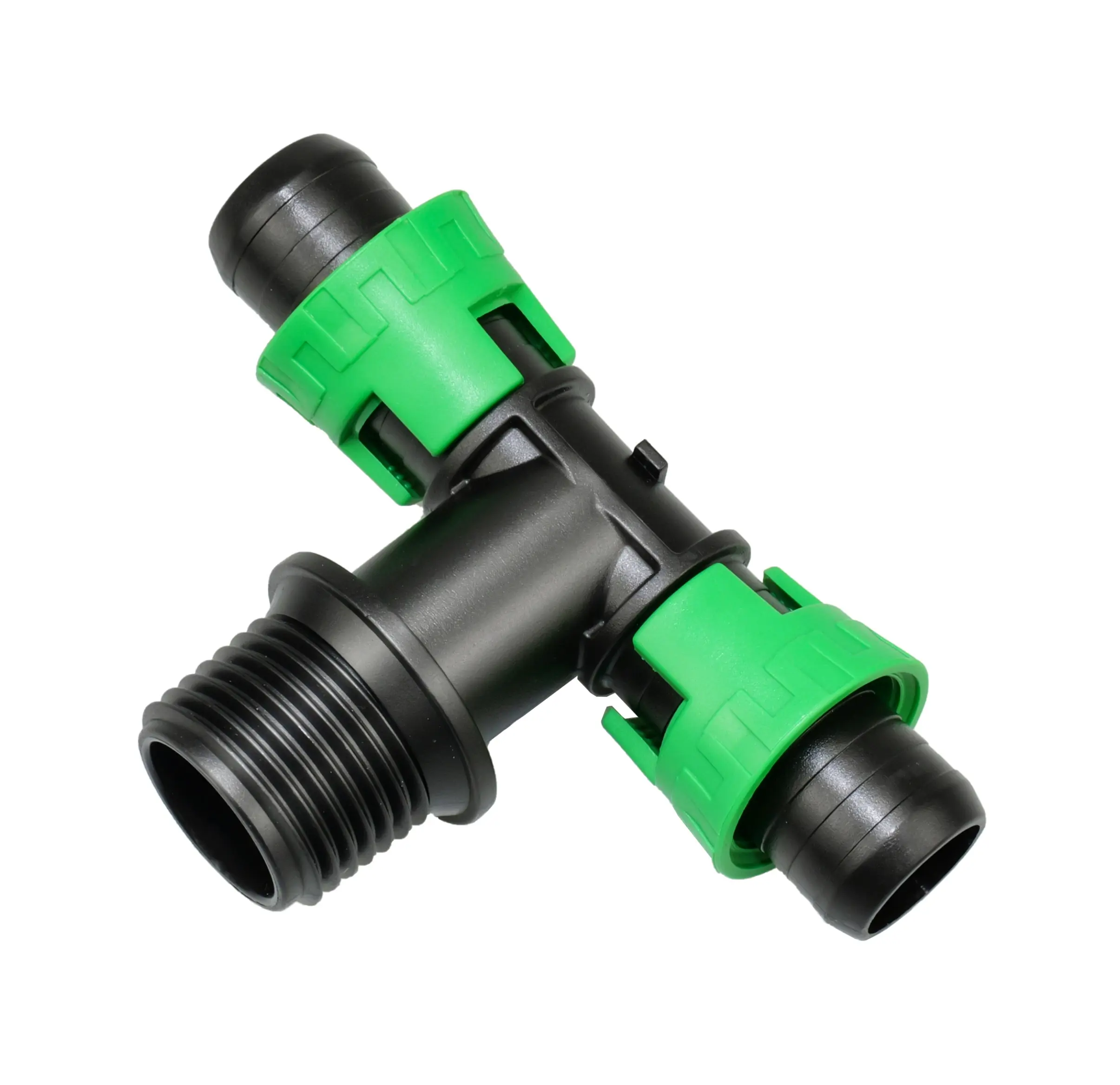
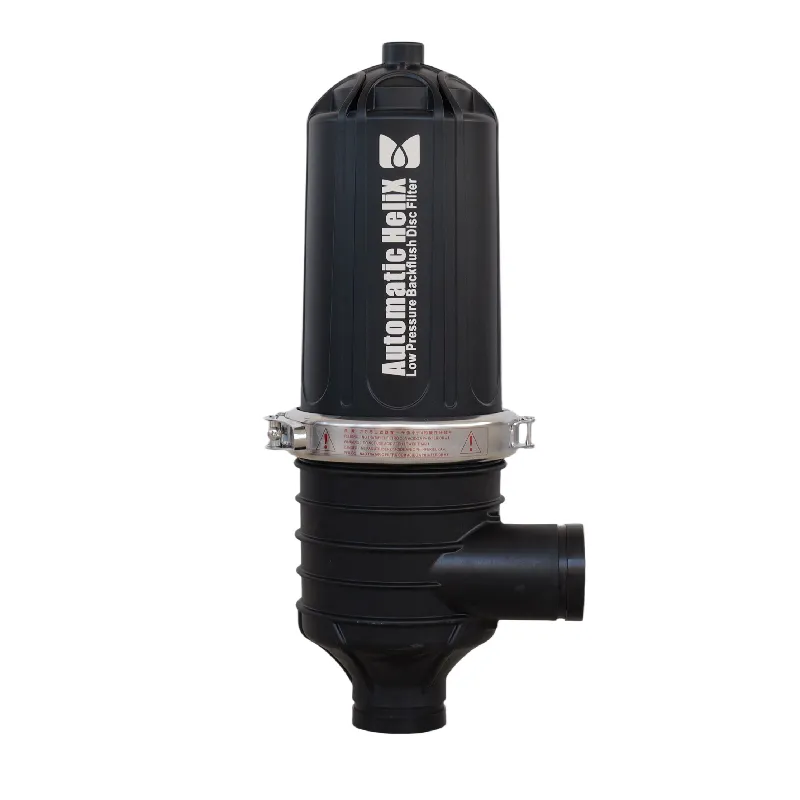
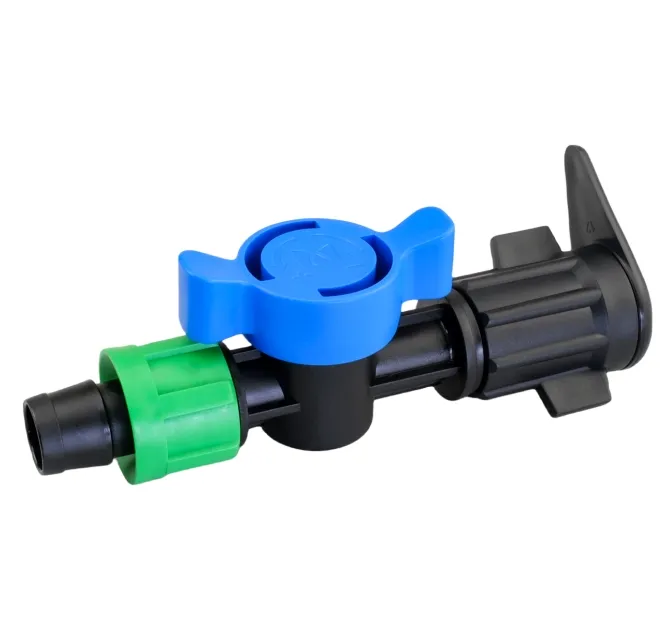
Ang pagsasaka gamit ang drip irrigation ay kumakatawan sa isang rebolusyonaryong paraan sa pamamahala ng tubig sa agrikultura na nagdadala ng tubig nang direkta sa mga ugat ng halaman sa pamamagitan ng isang network ng mga tubo, pipa, at mga emitter. Ang eksaktong paraan ng pagbuhos ng tubig na ito ay nagpapalit sa tradisyonal na pagsasaka sa pamamagitan ng kontroladong distribusyon ng tubig upang mapabilis ang ani habang pinipigilan ang pag-aaksaya ng tubig. Gumagana ang sistema sa pamamagitan ng isang sopistikadong network ng mga bahagi kabilang ang pangunahing supply lines, mga distribution tube, pressure regulator, filter, at espesyal na drip emitter na nagpapalabas ng tubig sa mga nakatakda nang rate. Ang mga modernong sistema ng drip irrigation farming ay kasama ang mga advanced na teknolohikal na tampok tulad ng automated timer, soil moisture sensor, at computerized control system na sinusubaybayan at binabago ang pagdadala ng tubig batay sa mga real-time na kondisyon ng kapaligiran. Ang pangunahing mga tungkulin ng drip irrigation farming ay lumalampas sa simpleng pagdadala ng tubig upang isama ang eksaktong distribusyon ng nutrisyon sa pamamagitan ng fertigation capabilities, kung saan ang likido na pataba ay hinahalo nang direkta sa tubig para sa irigasyon para sa target na nutrisyon ng halaman. Ang paraang ito ay nag-aaseguro ng pantay na distribusyon ng tubig sa buong field ng pananim habang pinapanatili ang optimal na antas ng kahaluman ng lupa na nagpapromote sa malusog na pag-unlad ng ugat at mas mahusay na paglaki ng halaman. Ang teknolohikal na kahusayan ng mga kasalukuyang sistema ng drip irrigation farming ay kasama ang pressure-compensating emitter na nananatiling pare-pareho ang daloy ng tubig anuman ang pagbabago sa taas o pagkakaiba-iba sa presyon ng sistema. Ang smart irrigation controller na naisasama sa mga modernong setup ng drip irrigation farming ay maaaring awtomatikong i-adjust ang mga schedule ng pagbuhos ng tubig batay sa mga weather forecast, kondisyon ng lupa, at mga yugto ng paglaki ng halaman. Ang mga aplikasyon ng drip irrigation farming ay sumasaklaw sa iba’t ibang sektor ng agrikultura kabilang ang produksyon ng gulay, mga fruit orchard, pamamahala sa vineyard, operasyon sa greenhouse, at irigasyon sa landscape para sa komersyal na ari-arian. Ang versatility ng drip irrigation farming ay ginagawang partikular na mahalaga ito sa mga rehiyon na may hamon sa kakulangan ng tubig, matatalas na terreno, o di-regular na hugis ng field kung saan ang tradisyonal na sprinkler system ay hindi epektibo. Ang inobatibong paraan ng irigasyon na ito ay sumusuporta sa mga sustainable na praktika sa agrikultura sa pamamagitan ng pagbawas sa konsumo ng tubig, pag-iwas sa soil erosion, at pagpapaliit sa chemical runoff patungo sa mga kapaligirang pinagkukunan ng tubig.

 EN
EN