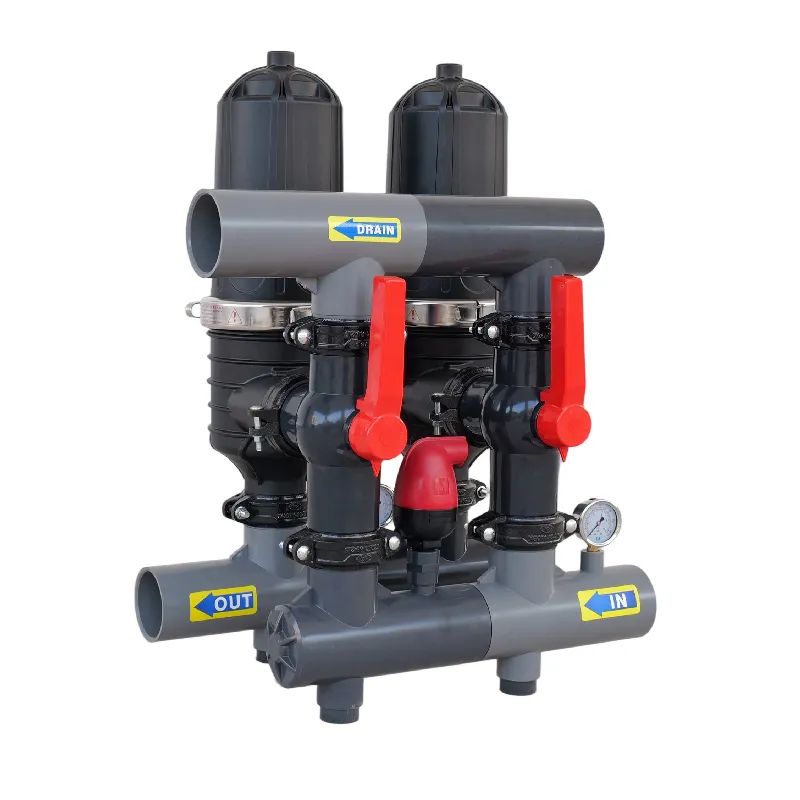
hệ thống tưới nhỏ giọt

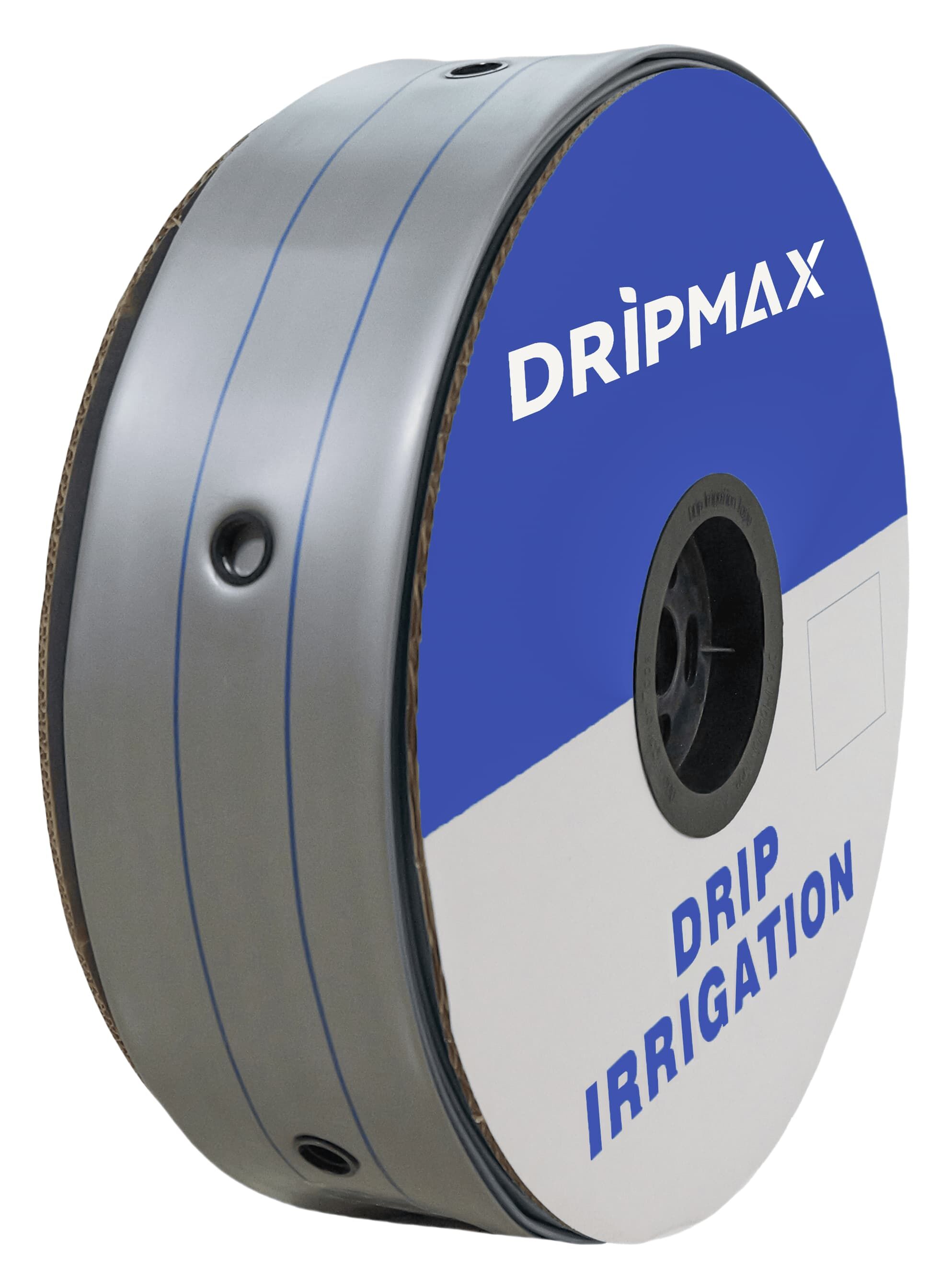
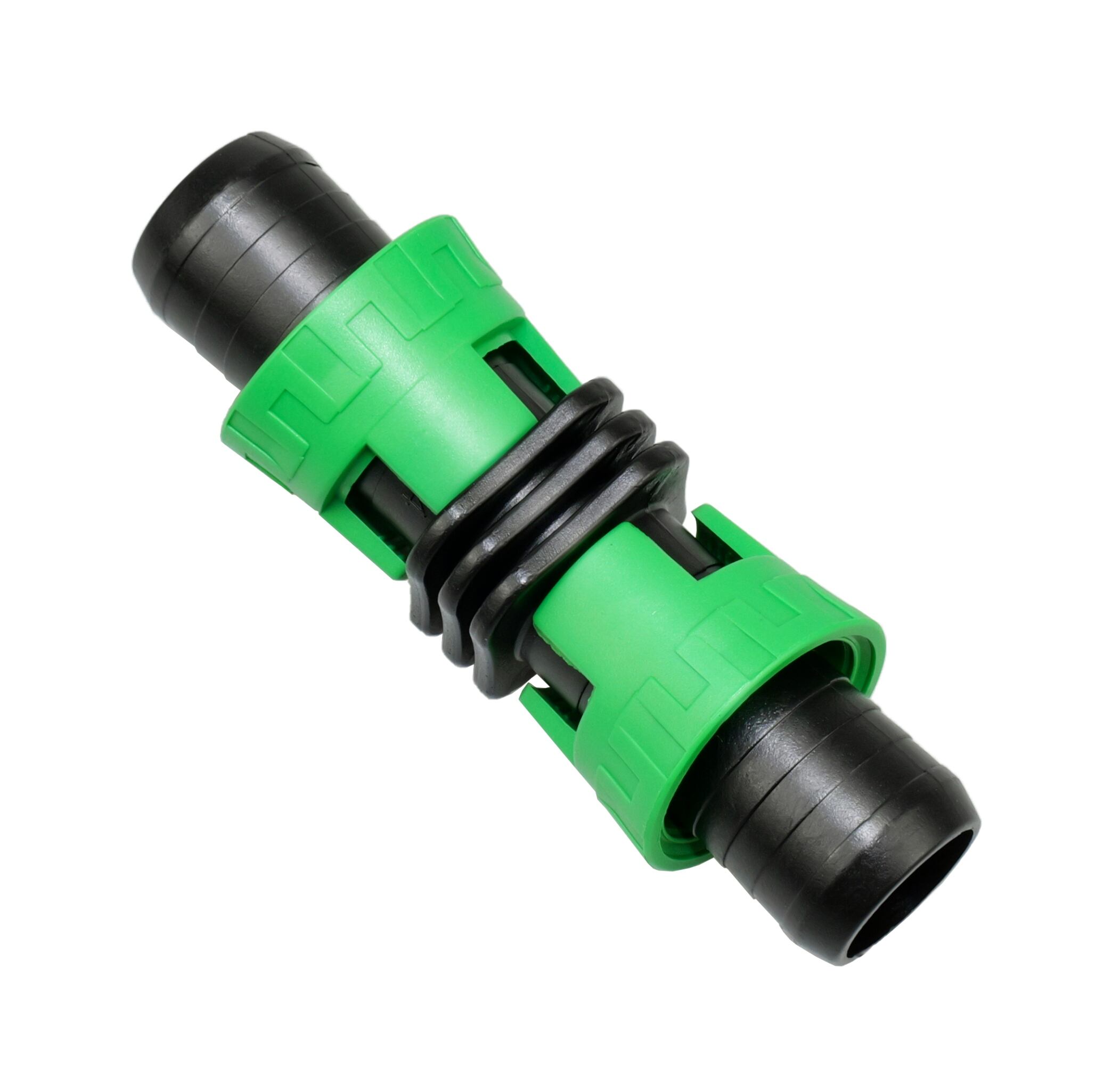
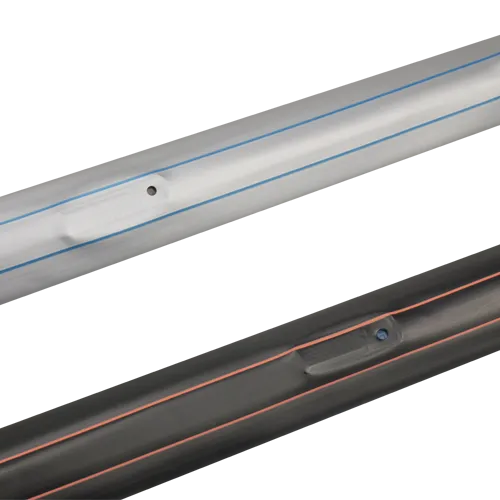
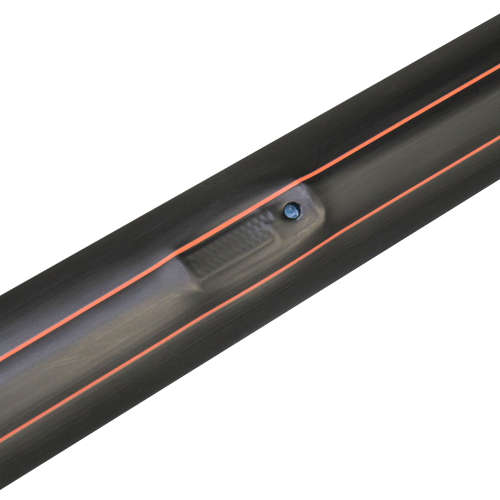
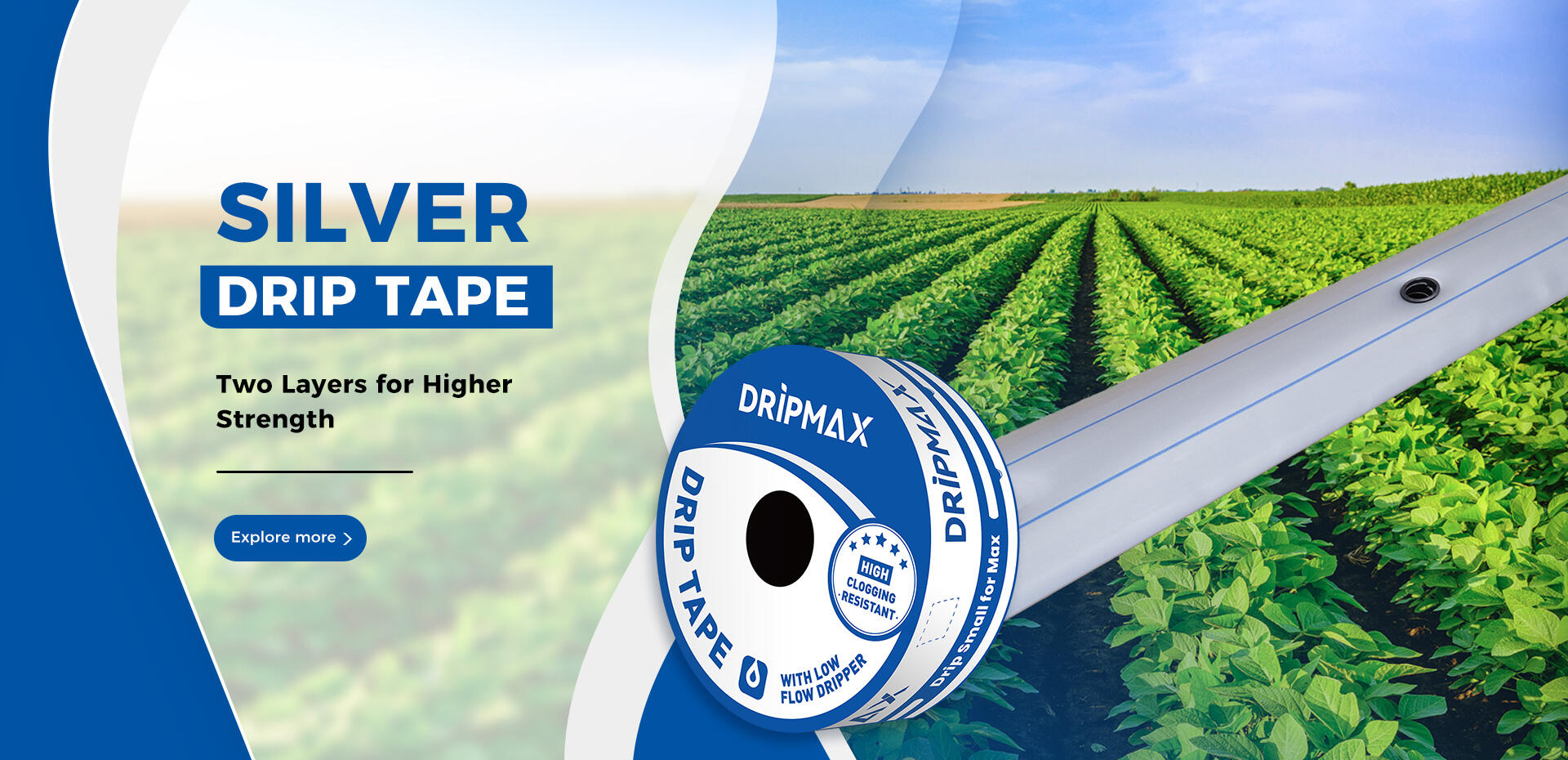
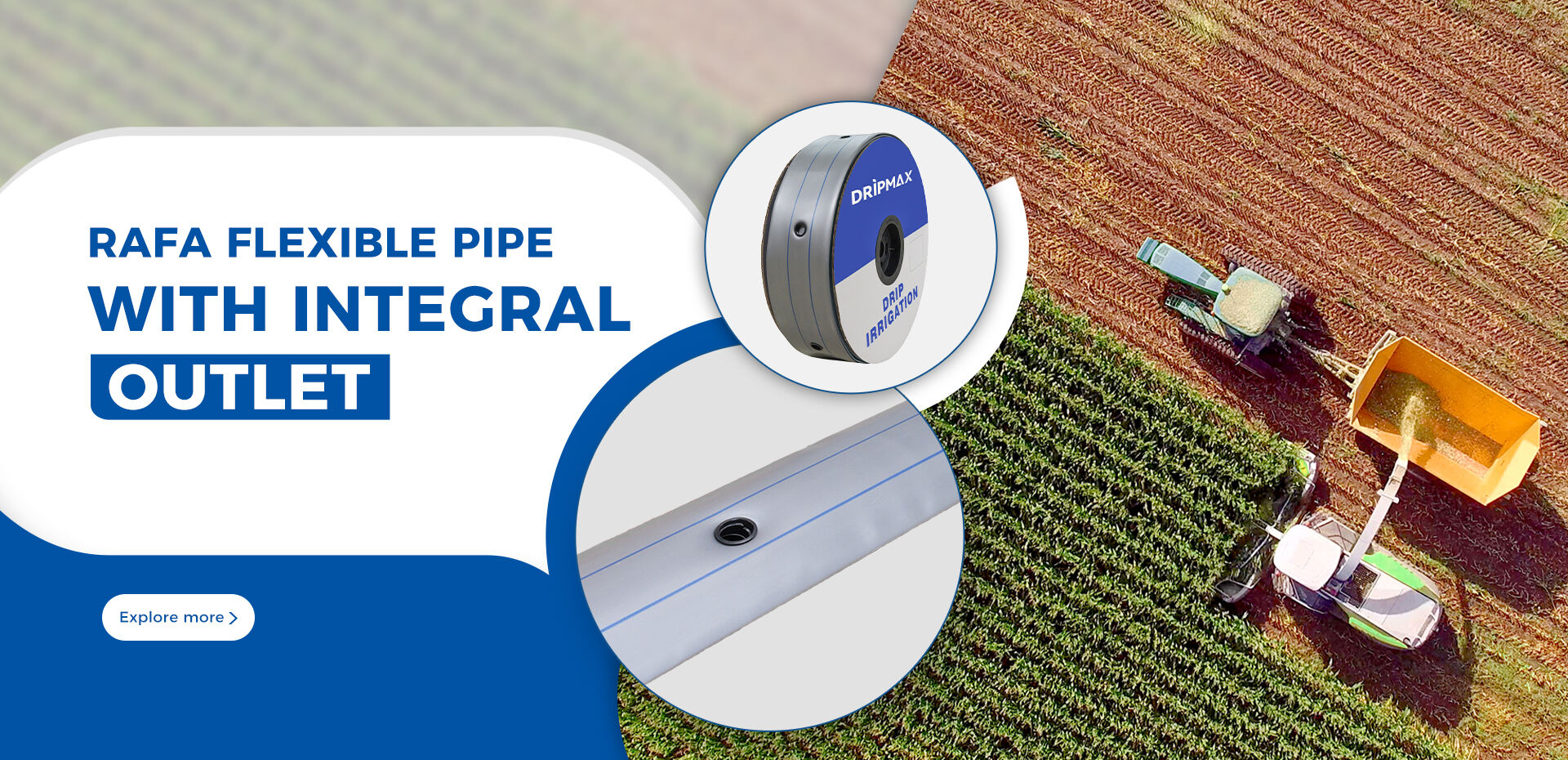
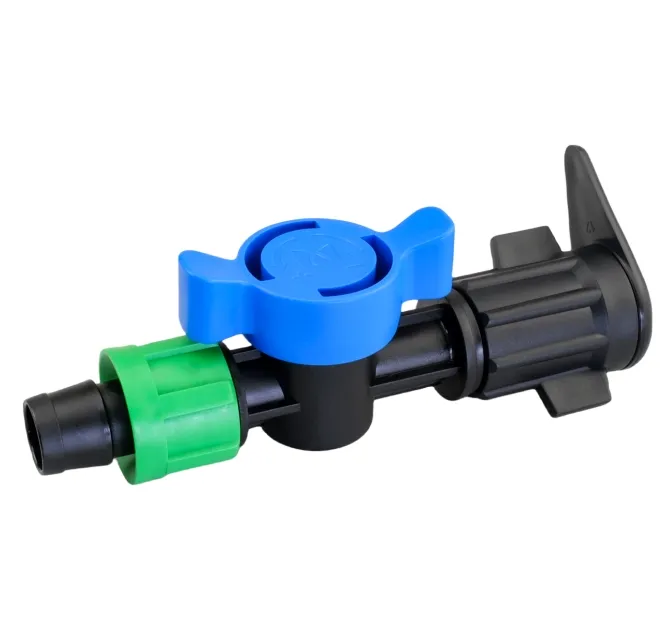
Các hệ thống tưới nhỏ giọt đại diện cho một bước tiến cách mạng trong công nghệ quản lý nước trong nông nghiệp, cung cấp nước trực tiếp đến vùng rễ của cây thông qua mạng lưới đường ống, đầu phun và ống dẫn. Phương pháp tưới chính xác này đã thay đổi các phương thức canh tác truyền thống bằng cách cung cấp nước một cách có kiểm soát và tập trung, từ đó tối đa hóa hiệu quả sử dụng nước đồng thời giảm thiểu thất thoát. Chức năng cốt lõi của các hệ thống tưới nhỏ giọt nằm ở khả năng phân phối nước chậm rãi và đều đặn trên toàn bộ diện tích canh tác, đảm bảo mức độ ẩm tối ưu cho sự phát triển của cây trồng. Những hệ thống tiên tiến này được tích hợp nhiều tính năng công nghệ hiện đại như đầu phun bù áp, thiết bị lọc và cơ chế điều khiển tự động nhằm duy trì lưu lượng nước ổn định bất chấp sự thay đổi về địa hình hay dao động áp lực trong hệ thống. Các hệ thống tưới nhỏ giọt hiện đại sử dụng công nghệ tưới vi (micro-irrigation) hoạt động ở áp suất thấp, thường trong khoảng 10–30 PSI, nhờ đó tiết kiệm năng lượng và chi phí cho các hoạt động nông nghiệp dài hạn. Kiến trúc công nghệ bao gồm các đường ống chính vận chuyển nước từ nguồn đến các điểm phân phối, các đường ống phụ phân nhánh vào từng khu vực cụ thể trên cánh đồng, và các đường ống nhánh được trang bị đầu phun để cung cấp nước trực tiếp tới từng cây hoặc hàng cây. Các hệ thống tưới nhỏ giọt thông minh ngày nay còn tích hợp công nghệ cảm biến, khả năng theo dõi thời tiết và bộ hẹn giờ lập trình được, cho phép tự động điều chỉnh lịch tưới dựa trên hàm lượng độ ẩm trong đất, điều kiện môi trường và nhu cầu cụ thể của từng loại cây trồng. Ứng dụng của các hệ thống này rất đa dạng, bao gồm sản xuất nông nghiệp thương mại, canh tác trong nhà kính, vườn cây ăn trái, vườn nho, sản xuất rau củ và tưới cảnh quan cho các bất động sản dân dụng và thương mại. Những hệ thống này đặc biệt hữu ích tại các vùng khô hạn – nơi việc bảo tồn nước mang tính sống còn, trong các mô hình canh tác đô thị – nơi tối ưu hóa không gian là yếu tố then chốt, cũng như trong các hoạt động nông nghiệp chính xác đòi hỏi việc cung cấp nước và dinh dưỡng một cách chính xác tuyệt đối. Tính linh hoạt của các hệ thống tưới nhỏ giọt cho phép chúng thích nghi với nhiều loại cây trồng khác nhau, quy mô cánh đồng đa dạng và các thách thức về địa hình, do đó phù hợp cả với các dự án làm vườn quy mô nhỏ lẫn các doanh nghiệp nông nghiệp thương mại quy mô lớn.

 EN
EN