
 EN
EN

Cost-Benefit Analysis: Is Upgrading to a Professional Drip Irrigation System Worth It?
Modern agriculture demands efficient water management solutions that maximize crop yield while minimizing resource waste. Agricultural professionals are increasingly turning to advanced irrigation technologies to address water scarcity challenges and improve operational profitability. The decision to upgrade from traditional irrigation methods to a professional drip irrigation line represents a significant investment that requires careful evaluation of costs, benefits, and long-term returns.
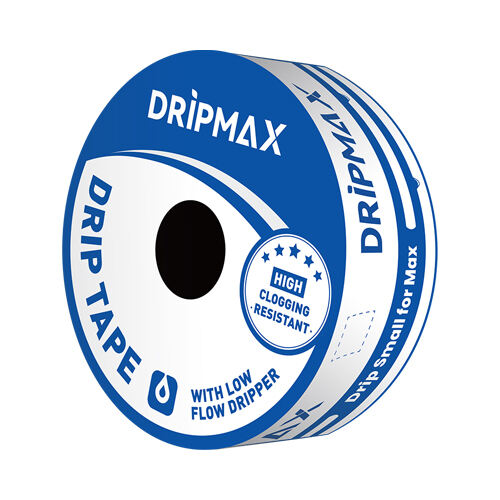
Professional drip irrigation systems have revolutionized water delivery in commercial agriculture, delivering precise amounts of water directly to plant root zones. This targeted approach contrasts sharply with traditional flood or sprinkler irrigation methods that often result in significant water loss through evaporation and runoff. Understanding the financial implications of implementing a drip irrigation line involves analyzing initial capital expenditure, ongoing operational costs, water savings, yield improvements, and labor efficiency gains.
Initial Investment and Setup Costs
Equipment and Material Expenses
The primary cost component of a professional drip irrigation line includes the purchasing of specialized equipment such as pressure regulators, filters, main distribution lines, and emitter tubing. High-quality drip tape or tubing represents the largest expense category, with costs varying based on wall thickness, emitter spacing, and flow rates. Professional-grade systems typically require investment in pressure compensating emitters that maintain consistent flow rates across varying topography and pressure conditions.
Additional equipment costs encompass control valves, moisture sensors, automated timers, and fertigation equipment for nutrient delivery integration. The total equipment cost for a drip irrigation line system ranges from $1,200 to $3,500 per acre depending on crop type, field configuration, and automation level. Premium systems with advanced monitoring capabilities and weather-based controllers command higher prices but offer enhanced precision and remote management capabilities.
Installation and Labor Requirements
Professional installation ensures optimal system performance and longevity, though it represents a substantial portion of initial investment costs. Installation expenses include field preparation, trenching for main lines, system assembly, and calibration procedures. Labor costs vary significantly based on field complexity, soil conditions, and regional wage rates, typically ranging from $300 to $800 per acre for complete installation services.
Many agricultural operations choose to perform installation in-house to reduce costs, particularly when expanding existing drip irrigation line networks. This approach requires staff training and equipment procurement but can reduce installation expenses by 40-60%. However, improper installation can lead to system inefficiencies, increased maintenance requirements, and reduced component lifespan, potentially negating cost savings.
Water Conservation and Efficiency Benefits
Reduced Water Consumption
Professional drip irrigation line systems deliver water directly to plant root zones with minimal waste, achieving application efficiencies of 90-95% compared to 60-75% for sprinkler systems and 40-60% for flood irrigation. This efficiency translates to water savings of 30-50% in most agricultural applications, representing significant cost reductions in regions with expensive or scarce water resources.
Water conservation benefits extend beyond direct cost savings to include reduced pumping energy requirements and lower water treatment expenses. The precise delivery mechanism of a drip irrigation line minimizes deep percolation losses and surface runoff, ensuring maximum utilization of applied water. These efficiency gains become increasingly valuable as water costs continue rising and regulatory restrictions on agricultural water use intensify.
Improved Water Quality Management
Drip irrigation systems enable precise control over water quality and salinity levels, crucial factors for crop health and yield optimization. The closed-system design of a professional drip irrigation line prevents contamination from external sources while allowing for targeted water treatment and filtration. This controlled environment reduces crop stress associated with poor water quality and enables cultivation in areas with marginal water resources.
Advanced filtration systems integrated with drip irrigation line networks remove sediments, organic matter, and chemical contaminants that could damage crops or clog emitters. The investment in water quality management pays dividends through improved crop quality, reduced plant disease incidence, and extended system operational life.
Crop Yield and Quality Improvements
Enhanced Plant Growth Conditions
Professional drip irrigation line systems create optimal growing conditions by maintaining consistent soil moisture levels and preventing water stress cycles that limit plant development. The precise water delivery allows for fine-tuning irrigation schedules based on crop growth stages, weather conditions, and soil characteristics. This level of control typically results in yield increases of 15-40% compared to traditional irrigation methods across various crop types.
The localized water application reduces weed growth in non-irrigated areas between crop rows, decreasing competition for nutrients and water. Additionally, keeping foliage dry through ground-level water delivery reduces fungal disease pressure, leading to healthier plants and higher marketable yields. These improvements in crop health and productivity directly impact farm profitability and justify the investment in professional drip irrigation infrastructure.
Product Quality and Market Value
Consistent water delivery through a well-designed drip irrigation line promotes uniform crop development and improved product quality characteristics. Fruits and vegetables grown with drip irrigation often exhibit better size consistency, enhanced flavor profiles, and extended shelf life due to reduced water stress and optimal nutrient uptake. These quality improvements translate to premium market prices and stronger buyer relationships.
The ability to integrate fertigation with drip irrigation line systems enables precise nutrient delivery timing and concentration, further enhancing crop quality. This integrated approach reduces fertilizer waste while ensuring plants receive optimal nutrition throughout critical growth periods, resulting in superior product characteristics that command higher market values.
Labor Efficiency and Operational Savings
Reduced Manual Labor Requirements
Automated drip irrigation line systems significantly reduce labor requirements for irrigation management compared to traditional methods that require manual valve operation, sprinkler repositioning, or flood gate management. Once properly installed and programmed, professional systems can operate with minimal supervision, freeing farm workers for other critical tasks during peak growing seasons.
The time savings from automation become particularly valuable during labor-intensive periods such as harvest when workforce availability is limited and wages are highest. Many operations report labor cost reductions of 50-70% for irrigation-related activities after implementing comprehensive drip irrigation line systems with automated controls and monitoring capabilities.
Maintenance and Longevity Considerations
Professional-grade drip irrigation line components are designed for durability and extended operational life, with quality systems providing 10-15 years of reliable service when properly maintained. Regular maintenance requirements include filter cleaning, emitter inspection, and seasonal system flushing to prevent clogging and ensure optimal performance.
While maintenance costs are ongoing, they are typically lower than expenses associated with maintaining and operating traditional irrigation systems. The reduced mechanical wear from eliminated moving parts in sprinkler systems and the elimination of erosion-related repairs common in flood irrigation result in lower overall maintenance expenditures over the system lifecycle.
Environmental Impact and Sustainability
Resource Conservation Benefits
The environmental advantages of professional drip irrigation line systems extend beyond water conservation to include reduced soil erosion, decreased nutrient runoff, and lower energy consumption for water pumping. These benefits align with sustainable agriculture practices and may qualify operations for environmental incentive programs or certification premiums.
Precision water application through drip irrigation line systems minimizes nutrient leaching into groundwater and reduces agricultural contribution to water pollution. This environmental stewardship becomes increasingly important as regulatory oversight of agricultural practices intensifies and consumer demand for sustainably produced crops grows.
Carbon Footprint Reduction
Energy efficiency gains from reduced pumping requirements and eliminated need for pressurized sprinkler systems contribute to lower carbon emissions from agricultural operations. The reduced fuel consumption for equipment operation and decreased fertilizer requirements through improved nutrient use efficiency further minimize the environmental footprint of crop production.
Many drip irrigation line installations qualify for renewable energy integration, particularly solar-powered systems that can operate independently of grid electricity. These sustainable energy solutions provide additional operational cost savings while demonstrating environmental responsibility to consumers and regulatory agencies.
Financial Return Analysis
Payback Period Calculations
The typical payback period for professional drip irrigation line investments ranges from 3-7 years depending on crop type, water costs, yield improvements, and system complexity. High-value crops with significant water requirements often justify shorter payback periods due to substantial water cost savings and yield improvements.
Accurate payback calculations must include all cost components including initial investment, installation, ongoing maintenance, and any required infrastructure upgrades. Benefits calculations should incorporate water savings, yield increases, quality premiums, labor reductions, and any available incentive payments or tax benefits for water-efficient technologies.
Long-term Profitability Impact
Beyond the initial payback period, professional drip irrigation line systems continue generating positive returns through ongoing operational savings and improved crop production capabilities. The cumulative financial benefit over a 10-15 year system lifespan often exceeds 200-400% of initial investment costs for well-designed installations.
Long-term profitability analysis should consider potential changes in water availability, energy costs, and crop prices that could affect system economics. The flexibility and efficiency advantages of drip irrigation line technology position operations to better adapt to changing market conditions and resource constraints.
FAQ
What factors most significantly influence the cost-effectiveness of upgrading to a professional drip irrigation line system
The primary factors affecting cost-effectiveness include current water costs, crop value per acre, existing irrigation efficiency, field size and configuration, and local labor rates. Operations with expensive water, high-value crops, and inefficient existing systems typically see the fastest returns on investment. Field characteristics such as slope, soil type, and proximity to water sources also significantly impact installation costs and system performance.
How does system complexity affect the overall investment and operational costs
More complex systems with automation, fertigation capabilities, and advanced monitoring require higher initial investments but often provide superior long-term returns through increased efficiency and reduced labor requirements. Basic drip irrigation line systems offer lower entry costs but may require more manual management and provide fewer optimization opportunities. The optimal complexity level depends on operation size, management capability, and available capital.
What maintenance requirements should be expected with professional drip irrigation systems
Regular maintenance includes weekly filter cleaning during operating season, monthly emitter inspection and cleaning, seasonal system flushing, and annual component replacement as needed. Most operations budget 2-4% of system value annually for maintenance and repairs. Proper maintenance is crucial for achieving projected system lifespan and maintaining efficiency benefits throughout the operational period.
How do financing options affect the decision to upgrade irrigation systems
Various financing options including equipment loans, lease programs, and government incentives can significantly improve project economics by reducing upfront capital requirements. Many suppliers offer seasonal payment plans aligned with crop income cycles. Government programs often provide cost-share funding for water-efficient technologies, potentially covering 25-50% of installation costs and dramatically improving return on investment calculations.