
 EN
EN

Maximizing Crop Yield: Why Drip Irrigation is the Future of Sustainable Agriculture
Modern agriculture faces unprecedented challenges in water management as global water scarcity intensifies and farming operations demand more sustainable practices. Effective water conservation has become essential for agricultural productivity and environmental stewardship. Among the most revolutionary solutions available today, precision irrigation systems offer farmers the ability to maximize crop yields while minimizing water waste through targeted delivery methods that ensure optimal plant hydration.
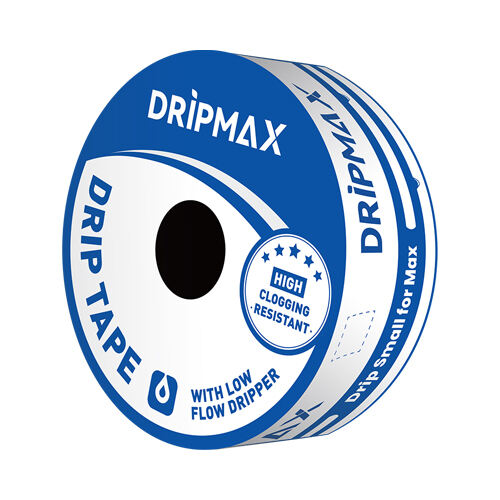
Water conservation in agriculture represents more than an environmental necessity—it drives economic sustainability for farming operations worldwide. Traditional flood irrigation methods can waste up to 50% of applied water through evaporation, runoff, and deep percolation. Contemporary precision irrigation technology addresses these inefficiencies by delivering water directly to plant root zones, significantly reducing waste while improving crop quality and yield consistency across diverse agricultural applications.
Advanced Water Delivery Systems in Modern Agriculture
Precision Application Technology
Precision water application technology transforms traditional farming approaches by implementing sophisticated delivery systems that target specific plant zones. These systems utilize advanced engineering principles to control water flow rates, pressure distribution, and timing mechanisms. The technology ensures consistent moisture levels throughout growing seasons while adapting to varying soil conditions and crop requirements across different agricultural environments.
Modern precision systems incorporate flow control mechanisms that regulate water distribution with remarkable accuracy. These mechanisms utilize pressure-compensating components that maintain uniform water delivery regardless of terrain variations or system length. The technology enables farmers to customize water application rates based on specific crop needs, soil types, and environmental conditions, resulting in optimal growing conditions and resource utilization.
System Components and Infrastructure
Contemporary irrigation infrastructure relies on sophisticated component networks that ensure reliable water distribution across agricultural operations. Primary system elements include main distribution lines, secondary branches, and terminal delivery points that work together to maintain consistent pressure and flow throughout the network. These components utilize durable materials designed to withstand environmental stresses while maintaining operational integrity over extended periods.
Quality drip irrigation line systems incorporate specialized emitter technology that controls water release rates with precision. These emitters feature self-flushing capabilities that prevent clogging while maintaining consistent flow patterns. The integration of pressure-compensating mechanisms ensures uniform water distribution across varying elevations and distances, enabling farmers to achieve consistent irrigation coverage across diverse topographical conditions and field configurations.
Water Conservation Benefits and Environmental Impact
Efficiency Improvements Over Traditional Methods
Modern irrigation systems deliver substantial efficiency improvements compared to conventional flood irrigation methods. Research demonstrates that precision irrigation can reduce water consumption by 30-50% while maintaining or improving crop yields. These systems eliminate surface runoff and minimize evaporation losses by delivering water directly to root zones, ensuring maximum water utilization efficiency across agricultural operations.
The controlled water application provided by advanced drip irrigation line technology prevents over-watering and under-watering scenarios that commonly occur with traditional methods. This precision reduces water stress on crops while preventing nutrient leaching and soil erosion. The technology enables farmers to implement fertigation programs that combine water and nutrient delivery, further enhancing resource efficiency and crop productivity.
Environmental Sustainability Advantages
Environmental benefits of precision irrigation extend beyond water conservation to encompass soil health preservation and ecosystem protection. Controlled water application prevents soil compaction and erosion while maintaining optimal soil structure for root development. The technology reduces agricultural runoff that can carry fertilizers and pesticides into water sources, protecting local watersheds and aquatic ecosystems from contamination.
Sustainable irrigation practices contribute to carbon footprint reduction through decreased energy consumption for water pumping and distribution. The precise water delivery eliminates the need for frequent irrigation cycles, reducing fuel consumption and equipment operating hours. These environmental advantages align with sustainable agriculture initiatives while providing economic benefits through reduced operational costs and improved resource utilization.
Installation and System Design Considerations
Field Layout and Planning
Effective system design requires comprehensive field analysis to determine optimal layout configurations for maximum efficiency. Site evaluation includes soil type assessment, topographical mapping, and crop spacing requirements that influence system specifications. Professional installation teams analyze water source characteristics, pressure requirements, and distribution patterns to develop customized solutions for specific agricultural applications and operational needs.
Proper spacing and configuration of drip irrigation line components ensure uniform water coverage while minimizing installation costs. Design considerations include emitter spacing, line spacing, and zone configuration that accommodate crop requirements and field characteristics. The planning process incorporates future expansion possibilities and maintenance accessibility to ensure long-term system performance and operational flexibility.
Installation Best Practices
Professional installation techniques ensure optimal system performance and longevity through proper component integration and testing procedures. Installation teams follow manufacturer specifications for component connections, pressure testing, and system commissioning to verify operational parameters. Quality installation practices include proper trenching techniques, component protection, and system flushing procedures that prevent contamination and ensure reliable operation.
System integration requires careful attention to filtration systems, pressure regulation, and control mechanisms that maintain optimal operating conditions. Installation professionals ensure proper grading and drainage to prevent water accumulation while providing adequate system access for maintenance activities. The installation process includes comprehensive testing protocols that verify system performance before operational deployment.
Economic Benefits and Return on Investment
Cost Savings Analysis
Economic advantages of modern irrigation systems extend beyond water savings to include reduced labor costs, improved crop quality, and enhanced productivity. Automated systems eliminate manual irrigation labor while providing consistent water application that improves crop uniformity and market value. The precision water delivery provided by quality drip irrigation line systems reduces plant stress and disease pressure, resulting in higher yields and improved crop quality grades.
Energy cost reductions represent significant economic benefits through decreased pumping requirements and optimized system operation. Precision irrigation systems operate at lower pressures than sprinkler systems while delivering superior water distribution efficiency. The technology enables farmers to utilize smaller pumping equipment and reduce electrical consumption, resulting in substantial operational cost savings over system lifetime.
Productivity Enhancement Benefits
Enhanced productivity through improved water management translates directly into increased profitability for agricultural operations. Consistent moisture levels provided by precision irrigation promote uniform plant growth and development, resulting in more predictable harvest timing and improved crop quality. The technology enables farmers to extend growing seasons through precise water control while maintaining optimal growing conditions throughout production cycles.
Market advantages include premium pricing opportunities for consistently high-quality produce and reduced crop loss from water-related stress factors. The controlled growing environment enabled by drip irrigation line systems allows farmers to meet specific market requirements for size, appearance, and quality characteristics. These benefits contribute to improved customer relationships and enhanced market positioning for agricultural producers.
Maintenance and System Longevity
Preventive Maintenance Protocols
Regular maintenance ensures optimal system performance and extends equipment lifespan through systematic inspection and servicing procedures. Maintenance protocols include periodic emitter cleaning, pressure monitoring, and component inspection that identify potential issues before they impact system operation. Professional maintenance programs incorporate seasonal preparation activities that protect system components from environmental damage while ensuring reliable operation throughout growing seasons.
Filtration system maintenance represents a critical component of overall system care that prevents emitter clogging and maintains water quality. Regular filter cleaning and replacement schedules ensure consistent water flow while protecting drip irrigation line components from contamination. Maintenance teams monitor system pressure and flow rates to identify performance variations that may indicate component wear or system problems requiring attention.
Troubleshooting Common Issues
Common system issues include emitter clogging, pressure variations, and component wear that can impact irrigation uniformity and efficiency. Troubleshooting procedures involve systematic diagnosis techniques that identify root causes and appropriate corrective actions. Professional service teams utilize specialized tools and testing equipment to evaluate system performance and implement effective solutions for operational problems.
Proactive problem identification through regular monitoring prevents minor issues from developing into major system failures. Monitoring protocols include visual inspections, pressure testing, and flow rate measurements that provide early warning of potential problems. The systematic approach to maintenance and troubleshooting ensures maximum system reliability while minimizing operational disruptions during critical growing periods.
Future Innovations and Technology Trends
Smart Irrigation Technology Integration
Emerging smart irrigation technologies integrate sensors, automation, and data analytics to optimize water application based on real-time environmental conditions. These systems utilize soil moisture sensors, weather monitoring, and plant stress indicators to automatically adjust irrigation schedules and application rates. The integration of Internet of Things (IoT) technology enables remote monitoring and control capabilities that enhance system efficiency while reducing labor requirements.
Advanced control systems incorporate machine learning algorithms that analyze historical data and environmental patterns to optimize irrigation timing and duration. These intelligent systems adapt to changing conditions while maintaining optimal growing environments through predictive irrigation scheduling. The technology enables farmers to achieve maximum water efficiency while ensuring consistent crop production across varying environmental conditions and seasonal patterns.
Sustainable Agriculture Applications
Future irrigation technology development focuses on sustainability initiatives that address climate change challenges and resource conservation requirements. Innovation areas include biodegradable drip irrigation line materials, renewable energy integration, and closed-loop water recycling systems that minimize environmental impact. These developments align with sustainable agriculture practices while providing economic benefits through reduced operational costs and improved resource utilization.
Precision agriculture integration combines irrigation technology with GPS mapping, variable rate application, and crop monitoring systems to optimize resource utilization across field zones. The technology enables site-specific water management that addresses varying soil conditions and crop requirements within individual fields. These comprehensive approaches to agricultural management provide enhanced productivity while supporting environmental stewardship and sustainable farming practices.
FAQ
What are the main advantages of using drip irrigation systems compared to traditional sprinkler irrigation
Drip irrigation systems provide significantly higher water efficiency rates, typically achieving 90-95% efficiency compared to 75-85% for sprinkler systems. The technology delivers water directly to root zones, eliminating evaporation losses and wind drift while reducing weed growth between crop rows. Additionally, drip irrigation line systems operate at lower pressures, reducing energy costs and enabling uniform water distribution across varying terrain conditions.
How much water can farmers save by implementing precision drip irrigation technology
Research indicates that properly designed and managed drip irrigation systems can reduce water consumption by 30-50% compared to flood irrigation methods while maintaining or improving crop yields. The actual savings depend on factors such as crop type, soil conditions, climate, and previous irrigation methods. Many farmers report water savings of 40% or more when transitioning from overhead sprinkler or flood irrigation to precision drip systems.
What maintenance requirements are necessary to ensure optimal drip irrigation system performance
Regular maintenance includes periodic flushing of drip irrigation line components, cleaning or replacing filtration systems, and monitoring pressure levels throughout the distribution network. Monthly visual inspections help identify clogged emitters, damaged components, or system leaks that require attention. Seasonal maintenance involves winterization procedures in cold climates and system startup procedures that ensure proper operation at the beginning of growing seasons.
Can drip irrigation systems be effectively used for all crop types and growing conditions
Drip irrigation technology adapts to most crop types including vegetables, fruits, nuts, and field crops, though specific design considerations vary based on plant characteristics and growing requirements. The systems work effectively in diverse soil types and climate conditions when properly designed for site-specific factors. Some crops may require specialized emitter spacing or application rates, while others benefit from subsurface installation methods that accommodate specific growing practices and equipment operations.