
 EN
EN

Agricultural Irrigation Systems: A Comprehensive Comparison of Drip vs. Sprinkler Methods
Modern agricultural practices demand efficient water management systems to maximize crop yields while minimizing resource consumption. The choice between drip and sprinkler irrigation methods significantly impacts farming operations, water conservation efforts, and overall agricultural productivity. Understanding the fundamental differences, applications, and technical requirements of each system enables farmers and agricultural professionals to make informed decisions that align with their specific crop requirements and environmental conditions.
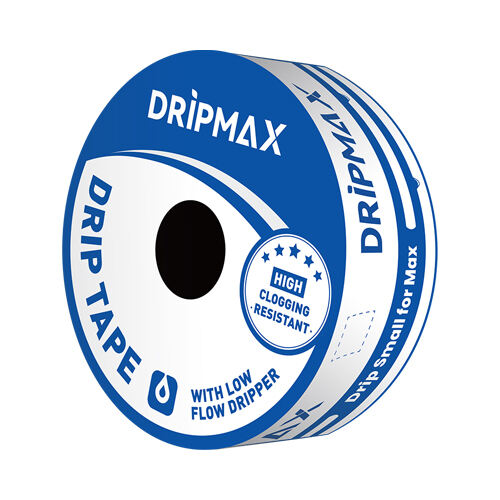
Each irrigation method presents unique advantages and challenges that must be carefully evaluated against factors such as soil type, crop characteristics, water availability, and economic considerations. The selection process involves analyzing installation costs, maintenance requirements, water efficiency ratings, and long-term operational benefits. Professional agricultural consultants emphasize the importance of conducting thorough site assessments before committing to any particular irrigation infrastructure.
Understanding Drip Irrigation Technology
System Components and Design Principles
Drip irrigation systems operate on the principle of delivering water directly to plant root zones through a network of tubes, emitters, and specialized components. The foundation of any effective drip system relies heavily on quality connections that ensure consistent water flow and prevent system failures. A reliable drip irrigation connector serves as the critical link between main supply lines and distribution tubing, maintaining system pressure while allowing for easy maintenance and expansion.
The design philosophy behind drip irrigation emphasizes precision water delivery, which requires careful consideration of emitter spacing, flow rates, and pressure regulation throughout the system. Engineers typically specify emitter discharge rates between 0.5 to 4.0 gallons per hour, depending on crop water requirements and soil infiltration characteristics. System designers must account for pressure compensation mechanisms that maintain uniform water distribution across varied topographical conditions.
Advanced drip systems incorporate filtration components, pressure regulators, and automated control mechanisms that optimize water delivery schedules based on environmental sensors and crop growth stages. These sophisticated systems require robust connector assemblies that can withstand continuous operation under varying pressure conditions while maintaining leak-proof seals throughout extended growing seasons.
Installation and Maintenance Considerations
Professional installation of drip irrigation systems requires careful attention to component compatibility and proper connection techniques. The installation process begins with system layout planning, followed by main line installation and the strategic placement of distribution networks. Each connection point represents a potential failure location, making the selection of high-quality drip irrigation connector components essential for long-term system reliability.
Maintenance protocols for drip systems focus on preventing emitter clogging, monitoring system pressure, and inspecting connection integrity throughout the growing season. Regular flushing procedures help remove accumulated debris and mineral deposits that can compromise system performance. Technicians recommend quarterly inspections of all connection points to identify potential wear issues before they develop into costly system failures.
The modular nature of drip irrigation systems allows for seasonal modifications and expansion capabilities that accommodate changing crop rotations and field configurations. This flexibility depends on standardized connection interfaces that enable quick disconnection and reconfiguration without specialized tools or extensive downtime. Quality connector systems feature user-friendly designs that facilitate rapid field adjustments during critical growing periods.
Sprinkler Irrigation System Analysis
Operational Mechanisms and Coverage Patterns
Sprinkler irrigation systems distribute water through pressurized spray patterns that simulate natural rainfall conditions across designated agricultural areas. These systems utilize rotating or stationary spray heads positioned at calculated intervals to achieve uniform water coverage throughout the irrigation zone. The effectiveness of sprinkler systems depends on proper head spacing, pressure regulation, and nozzle selection appropriate for specific crop requirements and environmental conditions.
Modern sprinkler technology encompasses various application methods including center pivot systems, linear move irrigation, and solid set installations. Each configuration offers distinct advantages for different agricultural applications, with center pivot systems providing efficient coverage for large circular fields, while linear move systems accommodate rectangular field layouts more effectively. The selection process involves evaluating field geometry, crop characteristics, and available water pressure capabilities.
Advanced sprinkler systems incorporate variable rate irrigation technology that adjusts application rates based on soil conditions, crop growth stages, and real-time environmental data. These precision irrigation capabilities require sophisticated control systems and sensor networks that monitor field conditions continuously throughout the growing season. The integration of GPS technology enables site-specific water management that optimizes resource utilization while maintaining optimal crop growing conditions.
Infrastructure Requirements and Setup Processes
Sprinkler irrigation infrastructure demands significant initial investment in pumping equipment, distribution pipelines, and control systems designed to handle high-pressure water delivery across extensive agricultural areas. The installation process requires careful hydraulic calculations to ensure adequate pressure and flow rates at each sprinkler location while accounting for elevation changes and friction losses throughout the distribution network.
System design considerations include pump station specifications, pipeline sizing, and sprinkler head selection based on desired application rates and coverage patterns. Professional engineers typically conduct detailed hydraulic analyses to optimize system performance while minimizing energy consumption and operational costs. The complexity of sprinkler system design often necessitates specialized expertise during both initial installation and ongoing system modifications.
Maintenance requirements for sprinkler systems focus on pump servicing, pipeline inspection, and sprinkler head calibration to maintain consistent application patterns throughout the irrigation season. Regular cleaning procedures prevent nozzle clogging and ensure proper spray distribution, while periodic system pressure testing identifies potential pipeline issues before they compromise irrigation effectiveness. The mechanical complexity of sprinkler systems typically requires more intensive maintenance protocols compared to drip irrigation alternatives.
Comparative Water Efficiency Analysis
Water Conservation Performance Metrics
Water efficiency represents a critical evaluation criterion when comparing irrigation systems, with drip irrigation consistently demonstrating superior conservation performance compared to traditional sprinkler methods. Drip systems typically achieve water use efficiency ratings between 85-95%, while sprinkler systems generally operate at 70-85% efficiency under optimal conditions. These efficiency differences result from reduced evaporation losses, minimized wind drift, and precise water placement directly at crop root zones.
The precision delivery capabilities of drip irrigation systems eliminate water waste associated with overspray, wind drift, and application to non-crop areas that commonly occur with sprinkler irrigation methods. Quality drip irrigation connector components ensure minimal system leakage, maintaining the water conservation advantages that make drip systems particularly valuable in water-scarce regions or areas with strict water usage regulations.
Environmental factors significantly impact the relative efficiency of both irrigation methods, with high temperature and windy conditions particularly affecting sprinkler system performance through increased evaporation and drift losses. Drip irrigation systems maintain consistent efficiency levels regardless of atmospheric conditions, making them more suitable for arid and semi-arid agricultural regions where water conservation is paramount.
Application Rate Control and Uniformity
Precise application rate control represents a fundamental advantage of drip irrigation systems, allowing farmers to match water delivery rates exactly to crop water requirements and soil infiltration capabilities. This precision control prevents both water stress and oversaturation conditions that can negatively impact crop development and yield potential. The uniformity of water application in properly designed drip systems typically exceeds 90%, compared to 75-85% uniformity commonly achieved with sprinkler systems.
Sprinkler irrigation systems face inherent challenges in achieving uniform water distribution due to wind effects, pressure variations, and overlapping spray patterns that can create areas of over-application and under-application within the same field. These uniformity issues require careful system design and ongoing maintenance to minimize their impact on crop production and water use efficiency.
The ability to customize application rates for different crop zones represents a significant advantage of drip irrigation technology, particularly in fields with varying soil types or crop varieties. This zone-specific irrigation capability enables precision agriculture practices that optimize water use while maximizing yield potential across diverse growing conditions within the same agricultural operation.
Economic Considerations and Return on Investment
Initial Installation Cost Analysis
The initial capital investment required for irrigation system installation varies significantly between drip and sprinkler technologies, with cost differentials influenced by field size, terrain characteristics, and system complexity requirements. Drip irrigation systems typically require higher per-acre installation costs due to the extensive network of tubing and emitters needed to service individual crop rows, while sprinkler systems may offer lower initial costs for large-scale applications with relatively simple field layouts.
Component costs represent a major factor in overall system economics, with quality drip irrigation connector assemblies and emitters requiring substantial initial investment compared to sprinkler heads and distribution pipelines. However, the modular nature of drip systems allows for phased installation approaches that can spread capital costs over multiple growing seasons while providing immediate benefits in installed areas.
Labor costs during installation typically favor sprinkler systems for large-scale applications, as the installation of main pipelines and sprinkler heads requires less intensive fieldwork compared to the detailed tubing networks necessary for drip irrigation coverage. However, the precision required for proper drip system installation often justifies the additional labor investment through improved long-term performance and reduced maintenance requirements.
Operational Cost Comparisons
Ongoing operational expenses differ substantially between irrigation methods, with energy costs representing a primary consideration for sprinkler systems that require high-pressure water delivery compared to low-pressure drip alternatives. Drip irrigation systems typically operate at pressures between 10-30 PSI, while sprinkler systems commonly require 30-80 PSI, resulting in significantly higher pumping energy requirements and associated utility costs.
Maintenance costs tend to be more predictable for drip irrigation systems, with routine tasks focusing on emitter cleaning, filter replacement, and occasional drip irrigation connector inspection and replacement. Sprinkler systems require more complex maintenance procedures including pump servicing, pipeline pressure testing, and sprinkler head calibration, often necessitating specialized technical expertise and higher maintenance budgets.
Water cost considerations favor drip irrigation systems in regions with expensive water supplies or usage restrictions, as the superior water use efficiency translates directly into reduced operational expenses. The precision application capabilities of drip systems also enable reduced fertilizer and chemical applications through fertigation techniques that can significantly lower input costs while maintaining or improving crop productivity.
Crop Compatibility and Application Suitability
Row Crop Applications
Row crop production represents an ideal application for drip irrigation systems, with the linear arrangement of crops allowing for efficient tubing installation parallel to planting rows. Vegetables, small fruits, and specialty crops particularly benefit from the precise water and nutrient delivery capabilities that drip systems provide. The ability to maintain consistent soil moisture levels throughout the growing season promotes optimal crop development while minimizing disease pressure associated with foliar moisture from overhead irrigation methods.
Tree and vine crops demonstrate exceptional compatibility with drip irrigation technology, as the permanent crop structure allows for long-term system installations that provide decades of reliable service. Orchards and vineyards commonly utilize drip systems with multiple emitter lines per tree row to accommodate mature root systems and varying water requirements throughout different growth stages. The precise control offered by quality drip irrigation connector assemblies enables zone-specific irrigation management that can optimize fruit quality and yield consistency.
Annual row crops such as cotton, soybeans, and corn can benefit significantly from drip irrigation systems, particularly in regions with limited water availability or irregular rainfall patterns. The ability to provide consistent moisture levels during critical growth periods such as flowering and fruit development can dramatically improve yield stability and crop quality compared to rainfed production or less precise irrigation methods.
Field Crop and Pasture Considerations
Large-scale field crop production often favors sprinkler irrigation systems due to the extensive coverage areas and relatively uniform water requirements across entire fields. Crops such as wheat, barley, and alfalfa typically perform well under sprinkler irrigation, particularly when field sizes exceed the economic threshold for drip system installation. The ability to cover large areas with relatively few sprinkler units makes this technology attractive for commodity crop production.
Pasture and forage crop irrigation commonly utilizes sprinkler systems due to the need for uniform water distribution across irregular field boundaries and varying topographical conditions. The flexibility of portable sprinkler systems enables efficient irrigation of temporary grazing areas and rotation pastures that would be impractical to serve with permanent drip installations.
Specialty applications such as seed production, research plots, and organic farming operations may benefit from either irrigation method depending on specific crop requirements and production goals. The precision control capabilities of drip systems support intensive management practices common in high-value crop production, while sprinkler systems may be more appropriate for extensive production systems with lower management intensity requirements.
Environmental Impact Assessment
Water Resource Conservation
The environmental benefits of efficient irrigation practices extend beyond immediate water conservation to include broader ecosystem impacts such as reduced groundwater depletion, minimized agricultural runoff, and improved water quality protection. Drip irrigation systems contribute significantly to these environmental objectives through their superior water use efficiency and precise application capabilities that minimize off-site water movement and associated nutrient transport.
Groundwater protection represents a critical environmental consideration, particularly in regions with declining aquifer levels or water quality concerns. The reduced water requirements of drip irrigation systems help preserve groundwater resources for future agricultural and municipal uses, while the precision application characteristics minimize deep percolation losses that can contribute to groundwater contamination through excess fertilizer and chemical leaching.
Surface water quality protection benefits from reduced agricultural runoff associated with precise irrigation practices that match water application rates to soil infiltration capabilities. The elimination of overspray and wind drift inherent in properly designed drip systems prevents water and nutrient losses that contribute to surface water quality degradation and associated environmental problems such as algae blooms and aquatic habitat deterioration.
Energy Consumption and Carbon Footprint
Energy efficiency considerations favor drip irrigation systems due to their low-pressure operational requirements that significantly reduce pumping energy consumption compared to high-pressure sprinkler alternatives. The reduced energy requirements translate directly into lower carbon footprint calculations for agricultural operations seeking to minimize their environmental impact while maintaining productive crop production systems.
The manufacturing and transportation impacts associated with irrigation system components must be considered in comprehensive environmental assessments, with drip systems requiring more extensive component networks but potentially offering longer service life and reduced replacement frequency. Quality drip irrigation connector assemblies contribute to system longevity and reduced environmental impact through improved durability and reduced maintenance requirements throughout the system operational life.
Life cycle analysis of irrigation systems must account for manufacturing energy, transportation requirements, installation impacts, operational energy consumption, and end-of-life disposal considerations. Drip irrigation systems generally demonstrate favorable environmental profiles when evaluated across their complete operational lifespan, particularly in water-scarce regions where conservation benefits outweigh the additional component requirements.
Technology Integration and Automation
Smart Irrigation Control Systems
Modern irrigation management increasingly relies on automated control systems that integrate weather data, soil moisture sensors, and crop growth models to optimize water application timing and quantities. Both drip and sprinkler irrigation systems can benefit from these technological advances, although the precision control capabilities of drip systems may provide greater opportunities for fine-tuned automation and site-specific water management.
Sensor technology integration enables real-time monitoring of soil moisture levels, plant stress indicators, and environmental conditions that inform automated irrigation scheduling decisions. Advanced systems can adjust water application rates and timing based on continuous data collection, ensuring optimal crop growing conditions while minimizing water waste and operational costs.
Remote monitoring capabilities allow agricultural managers to supervise irrigation operations from distant locations, receiving alerts about system performance issues and making real-time adjustments to irrigation schedules based on changing field conditions. These capabilities are particularly valuable for large-scale operations managing multiple irrigation zones across extensive agricultural areas.
Precision Agriculture Integration
The integration of irrigation systems with broader precision agriculture technologies enables comprehensive farm management approaches that optimize resource utilization across all production inputs. GPS-guided application systems can coordinate irrigation timing with fertilizer application, pest management activities, and harvest planning to maximize overall operational efficiency and crop productivity.
Variable rate irrigation technology allows for customized water application based on spatial variability in soil characteristics, crop conditions, and yield potential within individual fields. This precision management approach requires sophisticated control systems and high-quality components throughout the irrigation infrastructure to ensure reliable operation under varying application scenarios.
Data collection and analysis capabilities of modern irrigation systems provide valuable insights for continuous improvement of water management practices and long-term agricultural sustainability planning. The detailed operational data generated by automated systems supports evidence-based decision making and helps optimize irrigation strategies for changing environmental conditions and crop requirements.
FAQ
What are the main advantages of drip irrigation over sprinkler systems
Drip irrigation systems offer superior water use efficiency, typically achieving 85-95% efficiency compared to 70-85% for sprinkler systems. The precision water delivery directly to root zones eliminates losses from evaporation, wind drift, and overspray while enabling exact control of application rates. Additionally, drip systems operate at lower pressures, reducing energy consumption, and allow for precise fertigation applications that can improve crop nutrition while reducing input costs. The reduced foliar moisture also helps minimize disease pressure in susceptible crops.
How do installation costs compare between drip and sprinkler irrigation systems
Initial installation costs vary significantly based on field size, crop type, and terrain characteristics. Drip irrigation systems typically require higher per-acre costs due to the extensive network of tubing, emitters, and specialized components like drip irrigation connector assemblies needed for comprehensive coverage. However, sprinkler systems require substantial investment in pumping equipment and high-pressure distribution networks. For smaller fields and high-value crops, drip systems often provide better long-term return on investment through water savings and improved crop quality, while sprinkler systems may be more economical for large-scale field crop applications.
Which irrigation method is better for water conservation in drought conditions
Drip irrigation systems significantly outperform sprinkler systems for water conservation, particularly during drought conditions. The precise application directly to root zones eliminates evaporation losses that can exceed 30% with overhead sprinkler systems during hot, windy conditions. Drip systems maintain consistent efficiency regardless of weather conditions, while sprinkler efficiency decreases substantially during high temperature and wind periods. The ability to operate drip systems at very low application rates also enables effective crop maintenance with minimal water supplies during extended drought periods.
What maintenance requirements should be expected for each irrigation system type
Drip irrigation systems require routine maintenance focusing on emitter cleaning, filter replacement, and periodic inspection of tubing and connection integrity. Seasonal system flushing helps prevent mineral buildup, while quality drip irrigation connector components minimize leak potential and reduce maintenance frequency. Sprinkler systems demand more complex maintenance including pump servicing, pressure regulation adjustments, sprinkler head cleaning and calibration, and pipeline inspection. The mechanical complexity of sprinkler systems typically requires more specialized technical expertise and results in higher annual maintenance costs compared to drip alternatives.