
 EN
EN

Maximizing Crop Yield: Why Drip Irrigation is the Future of Sustainable Agriculture
Modern agriculture faces unprecedented challenges from water scarcity, climate change, and the growing demand for food production. In this evolving landscape, drip irrigation has emerged as a revolutionary solution that addresses both sustainability and productivity concerns. The efficiency of any drip irrigation system largely depends on the quality and reliability of its components, particularly the drip irrigation connector that ensures seamless water distribution throughout the network. By implementing precision irrigation techniques, farmers can achieve remarkable improvements in crop yield while conserving precious water resources.
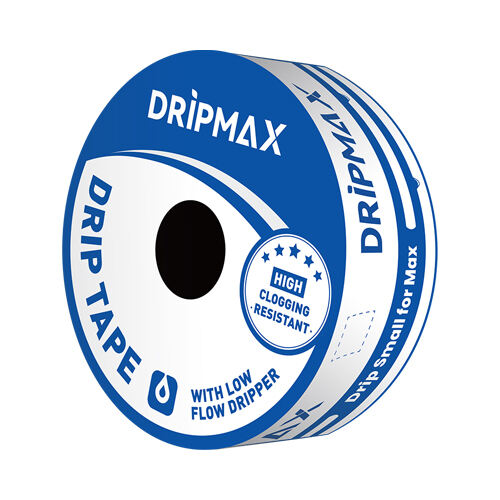
Understanding Drip Irrigation Technology
Core Components of Modern Systems
Drip irrigation systems consist of several interconnected components that work together to deliver water directly to plant roots with remarkable precision. The main water line connects to a filtration system, which removes sediments and prevents clogging of smaller components downstream. Pressure regulators maintain consistent water flow throughout the network, while timers and controllers automate the irrigation schedule based on crop requirements and environmental conditions.
The distribution network relies heavily on various fittings and connections to ensure reliable water delivery. Each drip irrigation connector plays a crucial role in maintaining system integrity and preventing water loss through leaks or disconnections. These connectors must withstand varying water pressures, temperature fluctuations, and chemical exposure from fertilizers or soil treatments commonly used in agricultural applications.
Water Distribution Mechanisms
The heart of drip irrigation lies in its ability to deliver controlled amounts of water directly to the root zone of plants. This targeted approach minimizes evaporation losses and reduces weed growth in areas between crop rows. Emitters regulate flow rates typically ranging from 0.5 to 8 gallons per hour, depending on crop water requirements and soil characteristics.
Proper connection points throughout the system ensure uniform water distribution across the entire growing area. Quality drip irrigation connector components prevent pressure drops that could result in uneven watering patterns. The reliability of these connections directly impacts overall system performance and crop health, making component selection a critical factor in system design and implementation.
Benefits of Precision Irrigation Systems
Water Conservation Advantages
Traditional flood irrigation methods can waste up to 50% of applied water through evaporation, runoff, and deep percolation beyond the root zone. Drip irrigation systems achieve water use efficiencies of 90-95%, representing a dramatic improvement in resource conservation. This efficiency gain becomes increasingly important as water sources become more scarce and expensive in many agricultural regions worldwide.
The precise control offered by drip systems allows farmers to apply exact amounts of water based on crop stage, weather conditions, and soil moisture levels. Smart sensors and automated controls can adjust irrigation schedules in real-time, further optimizing water usage. Every drip irrigation connector in the system contributes to this efficiency by maintaining leak-free connections that prevent water waste.
Enhanced Crop Production
Consistent moisture levels in the root zone create optimal growing conditions that promote healthy plant development and maximum yield potential. Plants receive steady water supply without the stress cycles associated with traditional irrigation methods that alternate between drought and flood conditions. This stability enables plants to focus energy on fruit and seed production rather than survival mechanisms.
Research studies consistently demonstrate yield increases of 20-50% when comparing drip irrigation to conventional methods across various crop types. The ability to deliver nutrients through the irrigation system, known as fertigation, provides additional benefits by ensuring precise nutrient timing and placement. Reliable system connections prevent disruptions that could stress plants during critical growth periods.
Implementation Strategies for Maximum Efficiency
System Design Considerations
Successful drip irrigation implementation begins with thorough site analysis including soil type, topography, crop selection, and water source characteristics. System layout must account for field shape, plant spacing, and maintenance access requirements. Proper sizing of main lines, sub-mains, and laterals ensures adequate pressure and flow throughout the network while minimizing energy costs.
Component selection significantly impacts long-term system performance and maintenance requirements. High-quality materials resist degradation from UV exposure, chemicals, and mechanical stress. Each drip irrigation connector must meet specific pressure ratings and compatibility requirements to ensure reliable operation throughout the growing season. Standardizing connection types simplifies maintenance and reduces inventory requirements.
Installation Best Practices
Proper installation techniques are essential for achieving optimal system performance and longevity. Trenching for main lines should provide adequate depth to protect pipes from mechanical damage while allowing for thermal expansion and contraction. Careful attention to slope and drainage prevents water accumulation that could damage system components during freeze-thaw cycles.
Connection integrity directly affects system reliability and water use efficiency. Training installation crews on proper techniques for each type of drip irrigation connector reduces the likelihood of leaks and connection failures. Quality control inspections during installation identify potential problems before system startup, preventing costly repairs and crop damage later in the season.
Maintenance and Troubleshooting
Preventive Maintenance Programs
Regular maintenance extends system life and maintains optimal performance throughout multiple growing seasons. Seasonal inspections should include checking all connection points for signs of wear, corrosion, or loosening. Filter cleaning schedules depend on water quality but typically require attention monthly during active growing periods to prevent system clogging and pressure loss.
Component replacement schedules help prevent unexpected failures during critical crop growth periods. Keeping spare parts inventory including common drip irrigation connector types ensures quick repairs when problems arise. Documentation of maintenance activities helps identify recurring issues and optimize replacement schedules based on actual field experience rather than theoretical component life.
Common Issues and Solutions
Pressure variations throughout the system often indicate problems with connections, filters, or component sizing. Systematic pressure monitoring helps identify problem areas before they significantly impact crop performance. Low pressure zones may require additional supply lines or pressure compensation devices to maintain uniform water distribution.
Connection failures represent one of the most common maintenance issues in drip irrigation systems. Temperature cycling, chemical exposure, and mechanical stress can cause deterioration of sealing materials and connection integrity. Using appropriate drip irrigation connector types for specific applications and environmental conditions minimizes failure rates and reduces maintenance requirements.
Economic Considerations and Return on Investment
Initial Investment Analysis
Drip irrigation systems require higher upfront investment compared to conventional irrigation methods, but the long-term benefits typically justify the initial expense. Cost factors include system components, installation labor, and control equipment. Component quality significantly impacts both initial cost and long-term performance, making careful selection of suppliers and products crucial for project success.
Government incentives and cost-sharing programs often help offset installation expenses for water conservation technologies. Many regions offer rebates or low-interest loans for irrigation efficiency improvements that reduce water consumption. The payback period typically ranges from 3-7 years depending on crop type, water costs, and yield improvements achieved through precision irrigation.
Operating Cost Benefits
Reduced water consumption directly translates to lower utility costs in areas where irrigation water is purchased. Energy savings result from lower pumping requirements due to improved system efficiency and reduced operating hours. Labor costs decrease through automation and reduced need for manual irrigation management tasks.
Higher crop yields and improved quality often command premium prices that further enhance economic returns. Consistent moisture management reduces crop stress and pest pressure, potentially lowering input costs for pesticides and plant growth regulators. Reliable system performance depends on quality components including properly selected drip irrigation connector options that minimize maintenance disruptions and maximize system uptime.
Environmental Impact and Sustainability
Resource Conservation Benefits
Drip irrigation systems contribute significantly to environmental sustainability through reduced water consumption and improved nutrient management. Precise water application minimizes runoff that can carry fertilizers and pesticides into surface water systems. This targeted approach protects water quality while maintaining agricultural productivity in regions with sensitive ecosystems.
Reduced soil erosion results from elimination of surface water flow associated with flood irrigation methods. Maintaining soil structure and organic matter content supports long-term agricultural sustainability and carbon sequestration goals. Every component in the system, including each drip irrigation connector, contributes to these environmental benefits by ensuring efficient water delivery without waste.
Climate Change Adaptation
As weather patterns become more unpredictable due to climate change, precision irrigation systems provide farmers with tools to adapt to varying conditions. Automated controls can respond to real-time weather data and soil moisture readings, optimizing water use under changing environmental conditions. This adaptability becomes increasingly valuable as water resources become more limited and expensive.
Carbon footprint reduction results from decreased energy consumption for water pumping and distribution. Local food production using efficient irrigation methods reduces transportation-related emissions while maintaining food security. The durability and longevity of quality system components minimize replacement needs and associated manufacturing impacts over the system lifecycle.
Future Developments and Technology Trends
Smart Agriculture Integration
Internet of Things sensors and wireless communication technologies are revolutionizing irrigation management through real-time monitoring and automated control systems. Advanced analytics can predict irrigation needs based on weather forecasts, crop growth models, and historical performance data. These developments enhance the efficiency gains already achieved through precision irrigation methods.
Remote monitoring capabilities allow farmers to manage multiple fields from central locations, reducing labor requirements and improving response times to system problems. Mobile applications provide instant access to system status and controls, enabling rapid adjustments to irrigation schedules based on changing conditions. Reliable hardware components including quality drip irrigation connector systems form the foundation that enables these technological advances.
Component Innovation
Material science advances continue to improve the durability and performance of irrigation system components. New polymer formulations offer enhanced UV resistance, chemical compatibility, and mechanical strength while reducing environmental impact through improved recyclability. These developments extend system life and reduce long-term maintenance requirements.
Self-monitoring components equipped with sensors can detect problems such as clogs, leaks, or pressure variations before they significantly impact crop performance. Predictive maintenance capabilities help optimize component replacement schedules and minimize unexpected system failures. Innovation in drip irrigation connector design focuses on improving installation ease, connection reliability, and compatibility with emerging system technologies.
FAQ
What factors should I consider when selecting components for my drip irrigation system
Component selection should be based on your specific crop requirements, soil conditions, water quality, and climate factors. Consider the pressure ratings, material compatibility, and UV resistance of all components including the drip irrigation connector types used throughout the system. Evaluate supplier reputation, warranty coverage, and local availability of replacement parts to ensure long-term system reliability and cost-effective maintenance.
How often should I inspect and maintain my drip irrigation system connections
Plan monthly inspections during active growing seasons to check connection integrity, clean filters, and verify proper system operation. Seasonal maintenance should include comprehensive inspection of all drip irrigation connector points, pressure testing, and replacement of worn components. Document maintenance activities to identify patterns and optimize replacement schedules based on actual field conditions and component performance.
What are the most common causes of connection failures in drip irrigation systems
Connection failures typically result from temperature cycling, chemical exposure from fertilizers or soil treatments, mechanical stress from soil movement, and UV degradation of exposed components. Poor installation practices such as over-tightening or improper joint preparation can also lead to premature failure. Selecting appropriate drip irrigation connector materials for your specific application conditions and following proper installation procedures significantly reduces failure rates.
How can I calculate the return on investment for upgrading to drip irrigation
Calculate ROI by comparing the total system cost against annual savings from reduced water consumption, lower energy costs, decreased labor requirements, and increased crop yields. Include any available government incentives or cost-sharing programs in your analysis. Factor in the improved crop quality and potential premium prices that result from consistent moisture management. Most drip irrigation systems achieve payback within 3-7 years depending on local conditions and crop types.