
 EN
EN

How Backflush Disc Filters Help Optimize Large-Scale Drip Systems
Large-scale agricultural operations face increasing pressure to maximize water efficiency while maintaining optimal crop yields. Modern drip irrigation systems offer precise water delivery, but their effectiveness depends heavily on maintaining clean, unobstructed water flow. Backflush disc filters have emerged as a critical component for protecting drip irrigation infrastructure from clogging particles and contaminants. These advanced filtration systems provide automated cleaning capabilities that ensure consistent performance across thousands of acres of farmland.
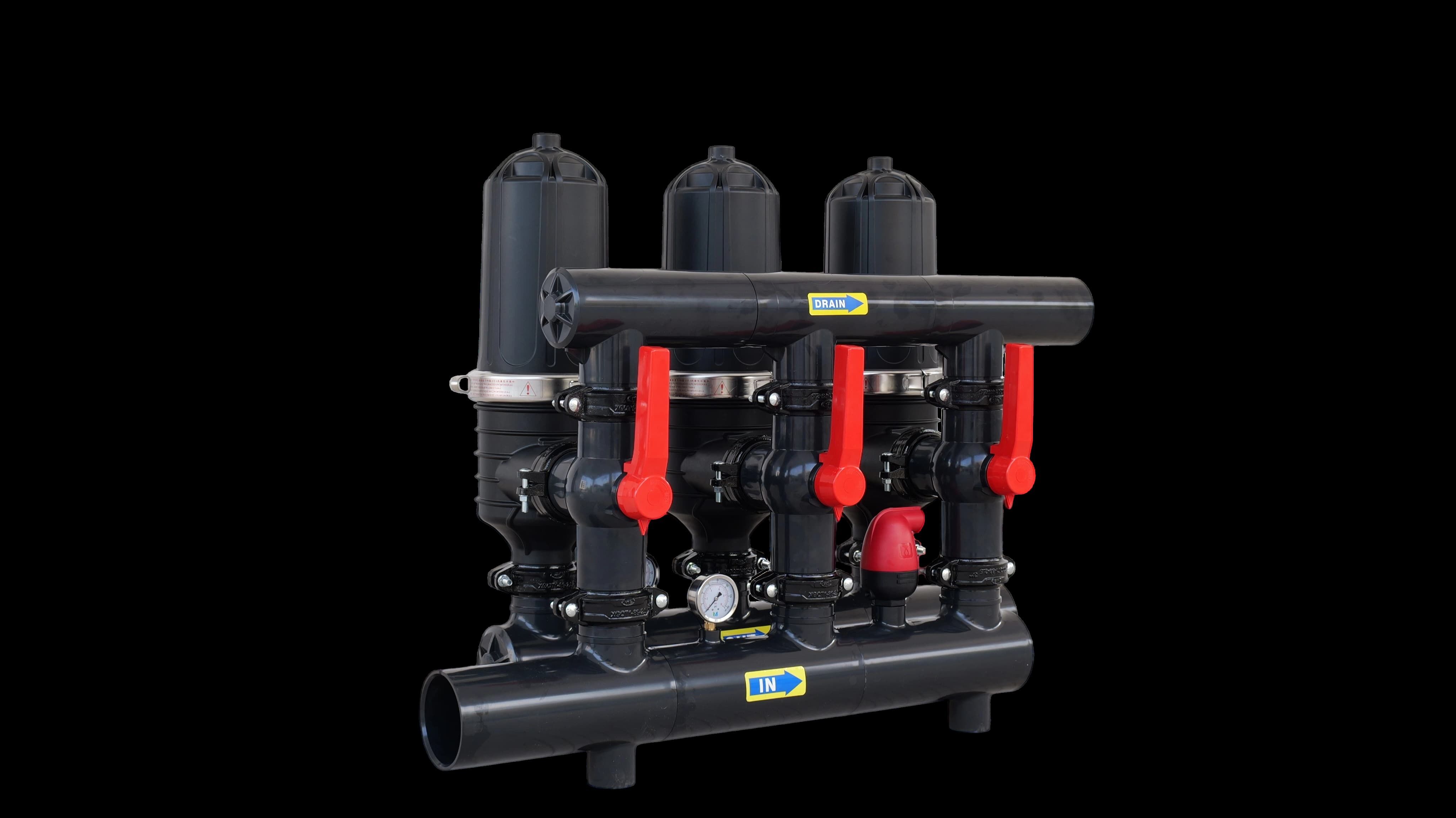
The integration of backflush disc filters into large-scale drip systems represents a significant advancement in agricultural water management technology. These specialized filtration units address the primary challenge that operators face when managing extensive irrigation networks spanning hundreds or thousands of acres. Traditional filtration methods often require manual intervention and frequent maintenance, creating operational inefficiencies that can impact crop health and productivity during critical growing seasons.
Understanding Backflush Disc Filter Technology
Core Filtration Mechanisms
Backflush disc filters utilize a sophisticated multi-layer disc assembly that creates tortuous pathways for water flow. Each disc contains precisely engineered grooves that trap particles larger than the specified micron rating. The overlapping disc design creates a three-dimensional filtration matrix that captures contaminants while maintaining high flow rates essential for large-scale operations.
The filtration process begins when water enters the filter housing and passes through the compressed disc stack. Particles become trapped in the groove intersections while clean water continues through the system. This design allows backflush disc filters to handle varying particle sizes and shapes more effectively than single-barrier filtration methods.
Automated Cleaning Cycles
The backflush mechanism distinguishes these filters from conventional alternatives by providing automated self-cleaning capabilities. During normal operation, system pressure maintains disc compression for optimal filtration. When cleaning becomes necessary, the backflush cycle begins by reducing inlet pressure and allowing the discs to expand slightly.
Clean water from the system outlet reverses direction and flows back through the filter assembly. This reverse flow dislodges trapped particles from the disc grooves and flushes them out through a dedicated drain valve. The entire cleaning cycle typically completes within 30 to 60 seconds, minimizing disruption to irrigation schedules.
Optimizing Water Quality for Drip Irrigation
Particle Size Management
Large-scale drip systems require consistent water quality to prevent emitter clogging and ensure uniform distribution patterns. Backflush disc filters provide precise particle size control, typically removing contaminants down to 20 to 200 microns depending on disc specifications. This level of filtration protects sensitive drip emitters that often have internal passages smaller than 1 millimeter in diameter.
The multi-stage filtration approach allows operators to customize particle removal based on water source characteristics and crop requirements. Primary filtration stages remove larger debris, while secondary stages capture fine particles that could accumulate in emitter pathways over time. This comprehensive approach extends emitter life and maintains consistent application rates across the entire irrigation zone.
Chemical Compatibility and Durability
Modern agricultural practices often involve fertigation and chemigation applications that introduce various chemicals into irrigation water. Backflush disc filters feature chemical-resistant materials that withstand exposure to fertilizers, pesticides, and pH adjustment chemicals commonly used in large-scale operations.
The robust construction materials, including reinforced polymer housings and corrosion-resistant hardware, ensure long-term performance in challenging agricultural environments. UV-stabilized components resist degradation from prolonged sun exposure, while reinforced seals maintain pressure integrity throughout thousands of backflush cycles.
System Integration and Flow Management
Hydraulic Design Considerations
Successful integration of backflush disc filters requires careful attention to hydraulic design principles that affect system performance. Proper sizing ensures adequate flow rates while maintaining sufficient pressure differentials for effective cleaning cycles. Oversized filters may not generate enough cleaning pressure, while undersized units create excessive pressure drops that reduce system efficiency.
Flow velocity through the filter housing must remain within optimal ranges to prevent particle settling while avoiding excessive turbulence that could damage filter media. Design engineers typically specify flow rates between 2 and 6 feet per second through the filter chamber, balancing cleaning effectiveness with energy efficiency requirements.
Control System Integration
Advanced backflush disc filters integrate seamlessly with modern irrigation control systems through programmable logic controllers and remote monitoring capabilities. Automated cleaning schedules can be programmed based on time intervals, pressure differentials, or flow rate reductions that indicate filter loading.
Remote monitoring systems provide real-time feedback on filter performance, allowing operators to optimize cleaning cycles and identify potential issues before they impact irrigation effectiveness. Data logging capabilities track filter performance over time, supporting predictive maintenance strategies that minimize downtime during critical irrigation periods.
Performance Benefits in Large-Scale Applications
Water Conservation and Efficiency
Backflush disc filters contribute significantly to water conservation efforts in large-scale drip systems by maintaining optimal emitter performance throughout the growing season. Clean emitters deliver precise water volumes according to design specifications, preventing over-watering that wastes resources and under-watering that stresses crops.
The automated cleaning capability reduces water waste associated with manual filter maintenance procedures. Traditional cleaning methods often require system shutdown and significant water volumes for flushing operations. Backflush systems use minimal water for cleaning cycles while maintaining continuous irrigation operation.
Labor and Maintenance Reduction
Large-scale operations benefit from reduced labor requirements associated with filter maintenance when using backflush disc filters. Automated cleaning eliminates the need for manual disassembly, cleaning, and reassembly procedures that consume valuable labor hours during busy growing seasons.
Maintenance schedules become more predictable and less frequent, allowing farm managers to allocate labor resources more effectively. The robust design of backflush disc filters typically provides several seasons of reliable operation with minimal intervention, reducing total cost of ownership compared to alternative filtration methods.
Economic Impact and Return on Investment
Cost Analysis and Payback Periods
The initial investment in backflush disc filters typically generates positive returns within two to three growing seasons through reduced maintenance costs and improved crop yields. Water savings alone often justify the investment, particularly in regions where water costs continue to increase or availability becomes restricted.
Reduced emitter replacement costs provide additional economic benefits, as clean water extends emitter life significantly compared to unfiltered systems. Consistent irrigation patterns also contribute to more uniform crop quality and yields, improving overall farm profitability and market competitiveness.
Scalability and Expansion Benefits
Backflush disc filters provide excellent scalability for expanding agricultural operations. Standardized filter sizes and connection methods simplify system expansion while maintaining consistent water quality standards across all irrigation zones. Modular design allows operators to add filtration capacity incrementally as acreage increases.
The proven performance of backflush disc filters in large-scale applications provides confidence for major capital investments in irrigation infrastructure. Banks and investors increasingly recognize the value of modern filtration systems when evaluating agricultural loan applications and investment opportunities.
FAQ
How often do backflush disc filters require cleaning cycles
Cleaning frequency depends on water quality conditions and system flow rates, but most installations operate effectively with cleaning cycles every 4 to 24 hours. Systems with high sediment loads may require more frequent cleaning, while clean water sources allow extended intervals between cycles. Automated controls can adjust cleaning frequency based on pressure differential measurements for optimal performance.
What maintenance is required for backflush disc filters in large-scale systems
Routine maintenance typically involves annual inspection of disc assemblies, seal replacement every 3 to 5 years, and periodic cleaning of control valves. Most systems operate reliably for multiple seasons with minimal intervention. Preventive maintenance schedules should include checking pressure gauges, testing automatic controls, and verifying proper drainage during cleaning cycles.
Can backflush disc filters handle variable water quality conditions
Yes, backflush disc filters adapt well to varying water conditions by adjusting cleaning frequency automatically. Systems can handle seasonal changes in sediment loads, algae growth, and other contaminants common in agricultural water sources. Multiple disc grades can be installed in series to address particularly challenging water quality situations while maintaining consistent filtration performance.
What are the power requirements for automated backflush systems
Most backflush disc filters operate using existing system pressure and require minimal electrical power only for control valves and monitoring equipment. Typical power consumption ranges from 50 to 200 watts during cleaning cycles, making them suitable for solar-powered irrigation systems. Battery backup systems can maintain cleaning schedules during power outages to prevent filter clogging.