
 EN
EN

How Irrigation Valves Enhance Performance of Automated Drip Systems
Modern agricultural operations increasingly rely on precision irrigation systems to maximize crop yields while minimizing water waste. At the heart of these sophisticated systems lie irrigation valves, which serve as critical control mechanisms that regulate water flow, pressure, and distribution across vast agricultural landscapes. These essential components have revolutionized how farmers approach water management, transforming traditional irrigation methods into highly efficient, automated systems that respond to real-time environmental conditions and crop requirements.
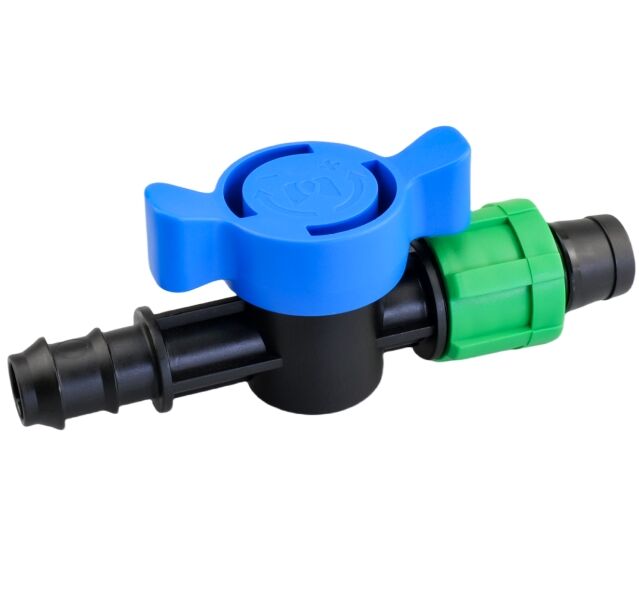
The integration of irrigation valves into automated drip systems represents a significant advancement in agricultural technology. These valves work in conjunction with sensors, controllers, and distribution networks to create a seamless irrigation experience that adapts to changing field conditions. By providing precise control over water delivery, irrigation valves enable farmers to optimize resource utilization while maintaining optimal growing conditions for their crops.
Understanding the Role of Irrigation Valves in Modern Agriculture
Essential Functions of Automated Irrigation Control
Irrigation valves serve multiple critical functions within automated drip systems, acting as the primary interface between water sources and crop delivery points. These sophisticated devices manage water pressure regulation, ensuring consistent flow rates across extensive irrigation networks regardless of topographical variations or distance from the water source. The pressure regulation capability of irrigation valves prevents both under-watering and over-watering conditions that can severely impact crop health and yield potential.
Advanced irrigation valves incorporate flow control mechanisms that respond to electronic signals from central management systems. This responsiveness allows for precise timing of irrigation cycles, enabling farmers to deliver water during optimal periods when evaporation rates are minimal and plant absorption is maximized. The automated nature of these systems reduces labor requirements while simultaneously improving irrigation accuracy and consistency.
Temperature and environmental sensors integrated with irrigation valves provide real-time feedback about soil moisture levels, ambient humidity, and weather conditions. This data integration enables dynamic adjustments to irrigation schedules, ensuring that crops receive appropriate water quantities based on actual needs rather than predetermined schedules that may not reflect current growing conditions.
Integration with Smart Agricultural Systems
Contemporary irrigation valves seamlessly integrate with comprehensive farm management systems, creating interconnected networks that optimize resource allocation across multiple agricultural parameters. These systems utilize wireless communication protocols to transmit data between field sensors, irrigation valves, and central control units, enabling real-time monitoring and adjustment capabilities from remote locations.
The integration extends beyond simple water delivery, encompassing fertilizer injection systems that work in tandem with irrigation valves to provide nutrient delivery through fertigation processes. This combined approach maximizes nutrient uptake efficiency while minimizing environmental impact through precise application timing and quantities. Modern irrigation valves support multiple input channels, allowing simultaneous control of water and nutrient delivery systems.
Data analytics platforms connected to irrigation valves collect and analyze historical performance data, identifying patterns and trends that inform future irrigation strategies. This analytical capability enables predictive maintenance schedules, preventing system failures before they impact crop production and ensuring consistent performance throughout growing seasons.
Technical Advantages of Advanced Irrigation Valve Systems
Precision Water Management Capabilities
Advanced irrigation valves offer unprecedented precision in water management, with flow rate control accuracy that can be adjusted to within fractions of gallons per minute. This level of precision ensures that each crop zone receives exactly the amount of water required for optimal growth, preventing both water stress and waterlogging conditions that can compromise plant health and productivity.
The pressure compensation features built into modern irrigation valves maintain consistent output pressure regardless of input pressure variations, ensuring uniform water distribution across terrain with elevation changes. This capability is particularly valuable in agricultural operations spanning diverse topographical conditions, where traditional irrigation methods often result in uneven water distribution and inconsistent crop performance.
Multi-zone control capabilities allow single irrigation valve systems to manage multiple field sections simultaneously, each with customized watering schedules and flow rates appropriate for specific crop types and growth stages. This flexibility enables diverse crop rotations and mixed agricultural operations while maintaining optimal growing conditions for each plant variety.
Durability and Reliability Features
Professional-grade irrigation valves incorporate corrosion-resistant materials and weatherproof construction designed to withstand harsh agricultural environments. These robust components maintain consistent performance through extreme temperature variations, exposure to fertilizers and chemicals, and continuous outdoor operation throughout multiple growing seasons without significant performance degradation.
Self-cleaning mechanisms integrated into advanced irrigation valves prevent debris accumulation that could impair valve operation or water flow consistency. These features reduce maintenance requirements while ensuring reliable long-term performance even in environments with high particulate content in water sources or challenging field conditions.
Redundant safety systems built into irrigation valves include fail-safe mechanisms that prevent system over-pressurization and automatic shut-off features that activate during abnormal operating conditions. These safety measures protect both the irrigation infrastructure and crop health while minimizing the risk of system damage during equipment malfunctions or power interruptions.
Economic Benefits and Return on Investment
Water Conservation and Cost Reduction
Implementing advanced irrigation valves in automated drip systems typically results in water usage reductions of twenty to forty percent compared to traditional irrigation methods. This conservation translates directly into reduced water costs for agricultural operations, particularly significant in regions where water pricing is based on consumption volumes or where water rights carry premium valuations.
Energy cost reductions accompany water savings as irrigation valves optimize system pressure requirements, reducing the operational demands on pumping systems. Lower pressure requirements translate into reduced electrical consumption for pump operations, creating compound savings that improve overall system economics while reducing environmental impact from energy production.
Labor cost reductions represent another significant economic benefit as irrigation valves enable automated operation that requires minimal human intervention. Agricultural operations can reallocate labor resources to higher-value activities while maintaining superior irrigation performance compared to manual systems that require constant monitoring and adjustment.
Productivity and Yield Enhancement
Optimized water delivery through precision irrigation valves creates ideal growing conditions that typically increase crop yields by fifteen to thirty percent compared to conventional irrigation methods. These yield improvements result from consistent soil moisture levels, reduced plant stress, and improved nutrient uptake facilitated by optimal water management throughout growing cycles.
Quality improvements in harvested crops often accompany yield increases as consistent irrigation reduces stress-related quality variations and promotes uniform plant development. Premium pricing for higher-quality produce provides additional revenue benefits that compound the economic advantages of implementing advanced irrigation valve systems.
Extended growing seasons become possible through precise environmental control provided by sophisticated irrigation valves, enabling multiple harvest cycles per year in appropriate climates. This increased production frequency maximizes land utilization efficiency while providing additional revenue opportunities throughout extended growing periods.
Installation and Implementation Considerations
System Design and Planning Requirements
Successful implementation of irrigation valve systems requires comprehensive site analysis and hydraulic calculations to ensure proper valve sizing and placement throughout the irrigation network. Professional system design considers factors including water source capacity, field topography, crop water requirements, and soil characteristics to optimize valve selection and positioning for maximum efficiency.
Electrical infrastructure planning accompanates irrigation valve installation, as automated systems require reliable power sources and communication networks to support valve operation and control systems. Proper electrical design ensures consistent valve performance while providing expansion capabilities for future system enhancements or operational modifications.
Integration with existing agricultural infrastructure requires careful coordination to minimize operational disruptions during installation while ensuring compatibility with current irrigation components and farm management practices. Phased implementation approaches allow gradual system deployment that maintains production continuity throughout the installation process.
Maintenance and Operational Procedures
Preventive maintenance programs for irrigation valves include regular inspection schedules that identify potential issues before they impact system performance or crop health. These programs encompass valve cleaning, seal replacement, calibration verification, and performance testing that ensures consistent operation throughout demanding agricultural seasons.
Seasonal preparation procedures prepare irrigation valves for changing environmental conditions, including winterization processes that prevent freeze damage and spring startup procedures that verify system readiness for new growing seasons. Proper seasonal maintenance extends valve lifespan while ensuring reliable performance during critical growing periods.
Troubleshooting protocols enable rapid identification and resolution of valve-related issues that could compromise irrigation effectiveness. These procedures include diagnostic techniques, replacement part identification, and emergency repair methods that minimize system downtime during critical irrigation periods when crop health depends on consistent water delivery.
Future Developments and Technology Trends
Emerging Technologies and Innovations
Artificial intelligence integration represents the next frontier in irrigation valve technology, with machine learning algorithms that analyze historical data, weather patterns, and crop performance to optimize irrigation schedules automatically. These intelligent systems continuously refine irrigation strategies based on accumulated experience and changing environmental conditions.
Wireless sensor networks expanding beyond traditional parameters now include plant health monitoring, soil nutrient analysis, and pest detection capabilities that provide comprehensive agricultural intelligence to irrigation valve control systems. This expanded data collection enables holistic farm management approaches that optimize multiple agricultural variables simultaneously.
Solar-powered irrigation valves eliminate dependence on traditional electrical infrastructure while providing sustainable operation in remote agricultural locations. These self-sufficient systems incorporate battery storage and energy management capabilities that ensure consistent operation regardless of grid power availability or reliability.
Sustainability and Environmental Impact
Environmental sustainability initiatives drive continued innovation in irrigation valve design, with manufacturers developing products that minimize plastic waste, reduce energy consumption, and incorporate recycled materials without compromising performance or reliability. These sustainability efforts align with broader agricultural industry commitments to environmental stewardship.
Carbon footprint reduction through optimized irrigation valves occurs through multiple mechanisms including reduced energy consumption for pumping systems, decreased fertilizer requirements through precision application, and improved soil health that enhances carbon sequestration capabilities in agricultural soils.
Water quality protection features integrated into advanced irrigation valves include backflow prevention systems and filtration capabilities that prevent contamination of water sources while maintaining high-quality irrigation water for optimal crop health and environmental protection.
FAQ
What factors should be considered when selecting irrigation valves for automated drip systems
When selecting irrigation valves for automated drip systems, consider water source pressure and flow capacity, field size and topography, crop water requirements, soil type and drainage characteristics, climate conditions, and integration requirements with existing farm management systems. Additionally, evaluate valve durability ratings, maintenance requirements, warranty coverage, and manufacturer support availability to ensure long-term system reliability and performance.
How do irrigation valves improve water efficiency compared to traditional irrigation methods
Irrigation valves improve water efficiency through precise flow control that delivers exact water quantities based on crop needs rather than fixed schedules, pressure regulation that ensures uniform distribution across varying terrain, automated timing that optimizes application during periods of minimal evaporation, and integration with soil moisture sensors that prevents over-watering. These capabilities typically reduce water consumption by twenty to forty percent while improving crop health and yields.
What maintenance is required for irrigation valve systems in automated applications
Irrigation valve maintenance includes regular inspection of valve housings and seals for wear or damage, cleaning of internal components to prevent debris accumulation, calibration verification to ensure accurate flow control, electrical connection inspection for automated systems, seasonal winterization and startup procedures, and performance testing to verify proper operation. Most maintenance tasks can be performed during off-seasons to minimize operational disruptions.
Can irrigation valves be retrofitted to existing irrigation systems
Yes, irrigation valves can typically be retrofitted to existing irrigation systems with proper planning and installation. Retrofitting may require electrical infrastructure upgrades for automated control, pressure system modifications to accommodate valve requirements, and integration with existing piping networks. Professional assessment ensures compatibility and optimal performance while minimizing installation costs and operational disruptions during the upgrade process.