
 EN
EN

How Mini Control Valves Enhance Precision Water Flow in Agriculture
Modern agricultural irrigation systems demand precise water control mechanisms to optimize crop yields while conserving valuable water resources. Mini control valves represent a revolutionary advancement in agricultural water management, offering farmers unprecedented control over water distribution across their fields. These compact yet powerful devices enable precise flow regulation, ensuring that each plant receives the exact amount of water needed for optimal growth. The integration of mini control valves into irrigation networks has transformed traditional farming practices, allowing for more efficient water usage and improved crop productivity. Agricultural professionals increasingly recognize the importance of these precision instruments in sustainable farming operations, where water conservation and crop optimization must work in harmony.
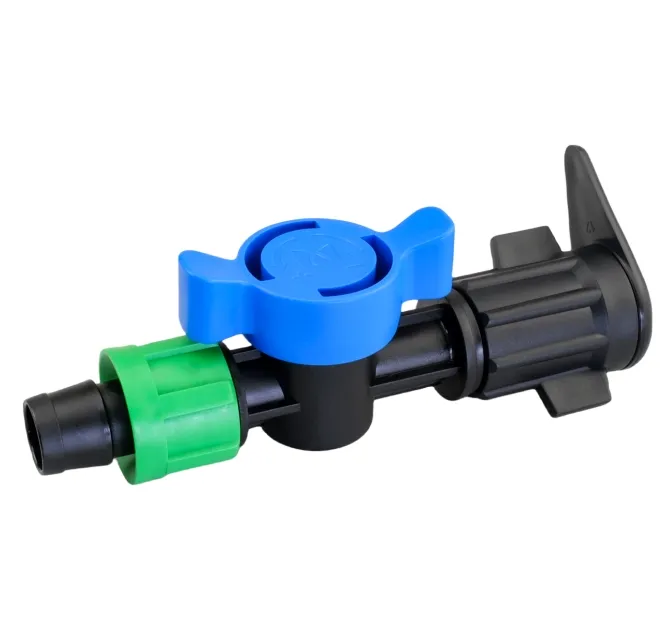
Understanding Mini Control Valve Technology in Agricultural Applications
Core Components and Design Principles
Mini control valves incorporate sophisticated engineering principles designed specifically for agricultural water management systems. The internal mechanism consists of precision-machined components that regulate flow rates with remarkable accuracy, typically featuring adjustable orifices that can be calibrated to specific flow requirements. These valves utilize advanced materials resistant to corrosion and wear, ensuring long-term reliability in harsh agricultural environments. The compact design allows for easy installation in existing irrigation infrastructure without requiring extensive system modifications. Modern mini control valves often incorporate pressure compensation features that maintain consistent flow rates regardless of upstream pressure variations, a critical capability for maintaining uniform water distribution across large agricultural fields.
Flow Regulation Mechanisms and Performance Characteristics
The performance of mini control valves depends on their ability to maintain precise flow control under varying operational conditions. These devices typically operate within specific pressure ranges, commonly between 10 to 50 PSI, making them suitable for most agricultural irrigation systems. Flow rates can be adjusted from minimal drip rates to higher volume applications, depending on crop requirements and soil conditions. The valve's response time to adjustments is nearly instantaneous, allowing farmers to make real-time modifications to irrigation patterns. Temperature stability ensures consistent performance across seasonal variations, while the self-cleaning design prevents clogging from debris commonly found in agricultural water sources.
Installation Strategies for Maximum Efficiency
System Integration and Placement Considerations
Proper installation of mini control valves requires careful consideration of system hydraulics and field layout characteristics. Optimal placement typically occurs at strategic points within the irrigation network where precise flow control provides maximum benefit to crop zones with varying water requirements. Installation should account for accessibility for maintenance and adjustment purposes while ensuring protection from mechanical damage during field operations. The valve orientation must align with manufacturer specifications to ensure proper operation and longevity. Professional installers recommend incorporating filtration upstream of mini control valves to prevent debris-related malfunctions and extend operational life.
Connection Methods and Compatibility Requirements
Mini control valves connect to irrigation systems through various methods, including threaded connections, barbed fittings, and compression joints, depending on the specific application and pipe materials used. Compatibility with different tubing materials such as polyethylene, PVC, and flexible irrigation tubing ensures versatile application across diverse agricultural settings. Proper sealing techniques prevent leaks that could compromise system efficiency and water conservation goals. Installation depth considerations become important in buried applications, where valves must remain accessible while being protected from surface disturbances. The connection process should include pressure testing to verify system integrity before commissioning.
Operational Benefits in Agricultural Water Management
Water Conservation and Resource Optimization
The implementation of mini control valves significantly reduces water waste through precise flow regulation that eliminates over-irrigation common in traditional systems. These devices enable farmers to apply water at rates that match plant uptake capacity and soil infiltration characteristics, preventing runoff and deep percolation losses. Water conservation benefits become particularly pronounced in arid regions where every drop counts toward sustainable agricultural production. The ability to fine-tune flow rates allows for optimal soil moisture maintenance without excess application that could lead to waterlogging or nutrient leaching. Studies indicate that properly implemented mini control valve systems can reduce agricultural water consumption by 20-40% while maintaining or improving crop yields.
Crop Yield Enhancement and Quality Improvement
Precision water application through mini control valves creates optimal growing conditions that directly impact crop productivity and quality. Consistent soil moisture levels promote steady plant growth and reduce stress-related yield losses commonly associated with irregular irrigation patterns. The ability to customize water delivery to specific crop zones accommodates varying growth stages and species requirements within the same field. Improved root zone management prevents both drought stress and oversaturation conditions that can negatively affect plant health and productivity. Farmers report improved crop uniformity and quality when using mini control valves compared to conventional irrigation methods, resulting in higher market values and improved profitability.
Technical Specifications and Performance Parameters
Flow Rate Ranges and Pressure Requirements
Mini control valves operate effectively across a wide range of flow rates, typically from 0.5 gallons per hour up to 10 gallons per hour, making them suitable for various agricultural applications from greenhouse operations to field crop irrigation. Pressure requirements generally range from 8 to 60 PSI, providing flexibility for integration into existing irrigation infrastructure without requiring extensive modifications. The pressure drop across the valve remains minimal, typically less than 5 PSI at rated flow, ensuring efficient system operation and energy conservation. Temperature operating ranges usually span from 32°F to 140°F, accommodating most agricultural climate conditions. Flow coefficient values provide precise engineering data for system design and optimization calculations.
Material Specifications and Durability Factors
Construction materials for mini control valves emphasize corrosion resistance and longevity in agricultural environments where exposure to fertilizers, pesticides, and varying water quality conditions is common. Body materials typically include engineering plastics such as polypropylene, POM, or specialized polymer compounds that resist chemical degradation and UV exposure. Internal components often utilize stainless steel or ceramic materials for wear resistance and precision maintenance over extended operational periods. Seal materials must withstand temperature variations and chemical exposure while maintaining leak-proof operation throughout the valve's service life. Manufacturing tolerances ensure consistent performance and interchangeability across valve units within the same specification range.
Maintenance Protocols and Troubleshooting
Preventive Maintenance Procedures
Regular maintenance of mini control valves ensures optimal performance and extends operational life while preventing costly system failures during critical growing periods. Recommended maintenance schedules typically include monthly visual inspections for leaks, debris accumulation, and physical damage from field operations. Quarterly cleaning procedures involve disassembly and cleaning of internal components to remove mineral deposits and organic matter that could affect flow regulation accuracy. Annual calibration checks verify that flow rates remain within specified tolerances and may require adjustment or component replacement. Preventive maintenance programs should include spare parts inventory management to ensure rapid repair capability during peak irrigation seasons.
Common Issues and Diagnostic Techniques
Troubleshooting mini control valves requires systematic diagnosis of symptoms such as irregular flow rates, complete flow stoppage, or inability to adjust flow settings. Clogging represents the most common issue, typically resolved through disassembly and cleaning of the flow control orifice and internal passages. Pressure-related problems may indicate upstream system issues or incorrect valve sizing for the specific application requirements. Mechanical wear in adjustment mechanisms can cause inconsistent flow control and requires component replacement or valve refurbishment. Diagnostic tools including flow meters and pressure gauges help identify performance deviations and guide appropriate corrective actions.
Economic Impact and Return on Investment
Cost Analysis and Budget Considerations
Investment in mini control valves requires careful economic analysis considering both initial equipment costs and long-term operational benefits. Initial costs typically range from moderate to substantial depending on system size and valve specifications, but these expenses are often offset by water savings and improved crop yields within the first growing season. Installation costs vary based on system complexity and existing infrastructure compatibility, with professional installation recommended for optimal performance and warranty compliance. Ongoing maintenance costs remain relatively low compared to the economic benefits of improved water management and crop productivity. Financial analysis should include consideration of water cost savings, yield improvements, and reduced labor requirements for irrigation management.
Productivity Gains and Profitability Enhancement
The implementation of mini control valves typically results in measurable productivity gains through improved water use efficiency and optimized growing conditions. Farmers commonly report yield increases of 10-30% when transitioning from conventional irrigation methods to precision control systems incorporating these valves. Labor cost reductions occur through automated or semi-automated irrigation control that reduces manual intervention requirements. Market premium opportunities arise from improved crop quality and consistency achieved through precision water management. Long-term profitability enhancement includes reduced input costs, improved resource efficiency, and increased operational sustainability that supports continued agricultural productivity.
FAQ
What factors determine the appropriate flow rate setting for mini control valves in different crops
Flow rate settings for mini control valves depend on several critical factors including crop type, growth stage, soil characteristics, climate conditions, and irrigation system design. Different crops have varying water requirements, with vegetables typically needing higher flow rates than tree crops or ornamentals. Soil type affects infiltration rates, with sandy soils requiring lower flow rates to prevent runoff while clay soils can accommodate higher rates. Plant spacing and root zone characteristics also influence optimal flow settings, requiring adjustment as plants mature and root systems expand.
How do mini control valves perform in systems with variable water pressure
Modern mini control valves incorporate pressure compensation features that maintain consistent flow rates despite upstream pressure variations, typically functioning effectively within a pressure range of 15-45 PSI. When pressure exceeds or falls below optimal ranges, flow rates may deviate from set points, requiring system pressure regulation or valve recalibration. Pressure-compensating models automatically adjust internal settings to maintain target flow rates, while standard models may require manual adjustment when significant pressure changes occur in the irrigation system.
What maintenance schedule provides optimal performance for agricultural mini control valves
Optimal maintenance schedules for mini control valves include weekly visual inspections during active irrigation periods, monthly cleaning of external components and debris removal, and quarterly internal cleaning and calibration checks. Annual comprehensive maintenance should include component replacement, seal inspection, and performance verification against original specifications. Maintenance frequency may increase in high-sediment water conditions or when using recycled water sources that contain higher levels of organic matter and minerals that can affect valve operation.
Can mini control valves integrate with automated irrigation control systems
Mini control valves readily integrate with automated irrigation control systems through various connection methods including solenoid actuators, motorized adjustment mechanisms, and electronic flow monitoring interfaces. Integration capabilities depend on valve specifications and control system requirements, with many models supporting remote adjustment and monitoring functions. Automated systems can adjust valve settings based on soil moisture sensors, weather data, and programmed irrigation schedules, providing comprehensive water management automation while maintaining the precision flow control benefits of mini control valve technology.