
 EN
EN

How Mini Valve Tape Improves Flow Control in Drip Irrigation Systems
Modern agricultural irrigation systems demand precision and efficiency to maximize water conservation while ensuring optimal crop yields. The integration of mini valve tape technology has revolutionized how farmers and agricultural professionals approach flow control in drip irrigation applications. This innovative solution provides unprecedented control over water distribution, enabling targeted irrigation that responds to specific crop needs and environmental conditions. By incorporating mini valve tape into existing drip systems, operators can achieve granular control over flow rates, reducing water waste and improving overall system performance.
Understanding Mini Valve Tape Technology
Core Components and Design Principles
Mini valve tape represents a significant advancement in irrigation technology, combining traditional drip tape benefits with sophisticated flow control mechanisms. The system consists of precision-engineered valve components integrated directly into the tape structure, allowing for individual emitter control along the entire length. Each valve operates independently, providing operators with the ability to adjust flow rates at specific points without affecting the entire line. This granular control capability makes mini valve tape particularly valuable for applications requiring variable water distribution across different zones or crop types.
The engineering behind mini valve tape focuses on durability and reliability under field conditions. Materials used in construction resist UV degradation, chemical corrosion, and physical stress from soil movement and temperature fluctuations. The valve mechanisms themselves employ advanced polymer technologies that maintain consistent performance over extended operational periods. This robust design ensures that the mini valve tape system continues to deliver precise flow control throughout multiple growing seasons, providing excellent return on investment for agricultural operations.
Integration with Existing Irrigation Infrastructure
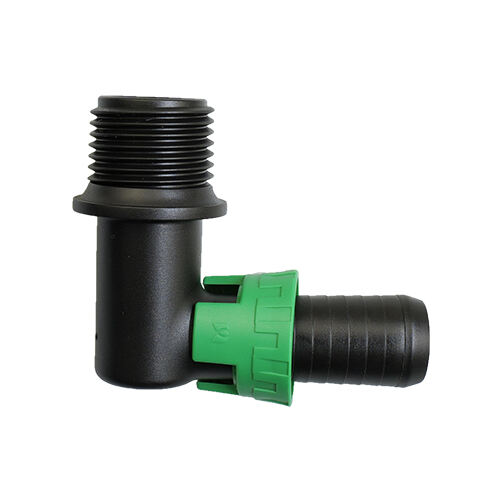
One of the primary advantages of mini valve tape technology lies in its compatibility with existing drip irrigation systems. The tape can be easily integrated into current infrastructure without requiring extensive modifications or complete system overhauls. Standard connectors and fittings accommodate the mini valve tape, allowing for seamless installation and operation. This compatibility factor significantly reduces implementation costs and minimizes disruption to ongoing agricultural operations during system upgrades.
The installation process for mini valve tape follows established protocols for drip tape systems while incorporating additional considerations for valve positioning and control line routing. Proper installation ensures optimal performance and longevity of the valve mechanisms. Technical specifications for mini valve tape systems typically include pressure ratings, flow rate ranges, and spacing requirements that align with industry standards for commercial agricultural applications.
Flow Control Mechanisms and Performance
Precision Flow Rate Management
The flow control capabilities of mini valve tape extend far beyond simple on-off functionality, offering graduated flow adjustment across a wide operational range. Individual valves can be adjusted to deliver specific flow rates measured in gallons per hour or liters per minute, depending on crop requirements and soil conditions. This precision enables farmers to implement sophisticated irrigation strategies that optimize water usage while maintaining ideal soil moisture levels for different plant varieties within the same field or greenhouse environment.
Advanced mini valve tape systems incorporate feedback mechanisms that monitor actual flow rates and compare them to programmed setpoints. When discrepancies occur due to pressure variations or partial blockages, the system can automatically adjust valve positions to maintain consistent delivery rates. This self-regulating capability ensures reliable irrigation performance even under changing operational conditions, reducing the need for manual intervention and constant monitoring by farm personnel.
Zone-Specific Control Applications
Agricultural operations frequently require different irrigation rates across various zones within a single field or growing area. Mini valve tape technology addresses this need by enabling independent control of flow rates for specific sections or individual plant rows. Zone-specific control proves particularly valuable in mixed-crop environments where different plant varieties have varying water requirements or growth stages that demand adjusted irrigation schedules.
The implementation of zone control using mini valve tape involves strategic planning of valve placement and control system integration. Operators can create irrigation maps that define specific flow rates for each zone, allowing for automated execution of complex watering programs. This capability supports precision agriculture practices that optimize resource utilization while maximizing crop productivity across diverse growing conditions.
Installation and Maintenance Considerations
Best Practices for System Implementation
Successful implementation of mini valve tape systems requires careful attention to installation procedures and system design considerations. Proper spacing of valve points along the tape ensures uniform water distribution while maintaining adequate flow control resolution. Industry recommendations typically specify valve spacing based on crop type, row spacing, and soil characteristics to achieve optimal irrigation efficiency. The mini valve tape installation process also involves careful routing of control lines and power connections to support automated operation of the valve mechanisms.
Field preparation for mini valve tape installation includes soil conditioning and proper bedding to protect the tape and valve components from damage during operation. Installation teams must ensure adequate soil coverage while maintaining access to valve adjustment points for future maintenance activities. Proper installation procedures significantly impact long-term system performance and reliability, making professional installation or thorough training of farm personnel essential for successful outcomes.
Maintenance Requirements and Procedures
Regular maintenance of mini valve tape systems involves inspection of valve operation, cleaning of emitter points, and verification of flow rate accuracy across all zones. Preventive maintenance schedules typically include seasonal inspections before and after growing seasons, with periodic checks during active irrigation periods. Maintenance procedures focus on ensuring valve mechanisms remain free of debris and mineral deposits that could affect flow control accuracy.
The modular design of mini valve tape systems facilitates maintenance activities by allowing replacement of individual valve components without disturbing the entire tape length. This serviceability feature reduces maintenance costs and minimizes system downtime during repair activities. Proper documentation of valve settings and flow rates supports efficient troubleshooting and system optimization throughout the operational lifecycle.
Economic Benefits and Return on Investment
Water Conservation and Cost Savings
The precision control offered by mini valve tape technology translates directly into measurable water conservation and reduced operational costs. By delivering exact water quantities to specific zones based on actual crop needs, farmers can eliminate overwatering and reduce total water consumption by significant percentages. These water savings result in lower utility costs for operations using municipal water supplies and reduced pumping costs for systems drawing from wells or surface water sources.
Beyond direct water cost savings, mini valve tape systems contribute to reduced fertilizer and chemical usage through improved application efficiency. Precise water control enables targeted delivery of liquid fertilizers and other agricultural inputs, minimizing waste and reducing environmental impact. The cumulative effect of these savings often results in payback periods of two to three years for mini valve tape system investments, depending on local water costs and farm size.
Productivity Improvements and Crop Quality
The enhanced control capabilities of mini valve tape systems support improved crop productivity through optimized growing conditions and reduced plant stress. Consistent soil moisture levels maintained through precise irrigation control promote healthy root development and reduce susceptibility to water-related diseases. These improvements in plant health typically translate to higher yields and improved crop quality, further enhancing the economic benefits of mini valve tape implementation.
Commercial growers report significant improvements in crop uniformity and reduced loss rates when implementing mini valve tape technology. The ability to adjust irrigation rates based on specific field conditions and crop growth stages enables farmers to maximize production potential across their entire growing area. These productivity gains often exceed the direct cost savings from water conservation, providing compelling justification for mini valve tape system investments.
Technical Specifications and Selection Criteria
Performance Parameters and Compatibility
Selecting appropriate mini valve tape systems requires careful consideration of technical specifications that match specific application requirements. Key performance parameters include operating pressure ranges, flow rate capabilities, and valve response times that must align with existing irrigation infrastructure and crop watering needs. Most mini valve tape systems operate effectively within pressure ranges of 8 to 25 PSI, providing consistent performance across typical drip irrigation system parameters.
Compatibility considerations extend beyond basic pressure and flow requirements to include control system integration and automation capabilities. Modern mini valve tape systems often feature electronic controls that integrate with farm management software and irrigation scheduling systems. This integration capability enables automated operation based on weather data, soil moisture sensors, and programmed irrigation schedules, maximizing the operational benefits of the technology investment.
Environmental Factors and Application Suitability
Environmental conditions significantly impact mini valve tape performance and longevity, requiring careful evaluation during system selection and design phases. Temperature extremes, UV exposure levels, and soil chemistry all influence material selection and valve component specifications. High-temperature environments may require enhanced polymer formulations, while acidic soils might necessitate upgraded corrosion resistance in valve mechanisms and connections.
Application-specific factors such as crop type, field topology, and water quality also influence mini valve tape selection criteria. Row crops with uniform spacing requirements may benefit from different valve configurations than specialty crops with irregular planting patterns. Understanding these application-specific requirements ensures optimal system performance and maximizes the return on technology investments in mini valve tape solutions.
FAQ
How does mini valve tape differ from standard drip tape systems
Mini valve tape incorporates individual flow control valves at regular intervals along the tape length, while standard drip tape relies on fixed emitters with predetermined flow rates. This valve integration allows operators to adjust water delivery rates for specific sections or individual plants without affecting the entire irrigation line. The result is significantly greater control precision and the ability to implement variable rate irrigation strategies that optimize water usage and crop productivity.
What maintenance requirements are associated with mini valve tape systems
Mini valve tape systems require regular inspection of valve operation, cleaning of emitter points, and periodic calibration to ensure accurate flow control. Maintenance schedules typically include pre-season system checks, mid-season performance verification, and post-season cleaning and storage procedures. The modular design allows for replacement of individual valve components without system shutdown, minimizing maintenance disruption to irrigation operations.
Can mini valve tape integrate with existing automation systems
Most modern mini valve tape systems feature electronic controls that readily integrate with existing farm automation and irrigation management software. Standard communication protocols enable connection to weather stations, soil moisture sensors, and scheduling systems for automated operation. This integration capability allows farmers to implement sophisticated irrigation strategies that respond automatically to changing environmental conditions and crop needs.
What cost savings can be expected from mini valve tape implementation
Typical cost savings from mini valve tape systems range from 20 to 40 percent reduction in water usage, depending on previous irrigation practices and crop types. Additional savings result from reduced fertilizer waste, lower energy costs for pumping, and improved crop yields from optimized growing conditions. Most agricultural operations see payback periods of two to four years, with ongoing operational savings continuing throughout the system lifecycle.