
 EN
EN

What Makes Mini Valves for Layflat Hose a Cost-Effective Irrigation Solution
Modern agricultural operations demand efficient water management solutions that maximize crop yield while minimizing operational costs. Among the various irrigation technologies available today, mini valves for layflat hose systems have emerged as a game-changing innovation for farmers and agricultural professionals worldwide. These compact yet powerful devices offer precise water control capabilities that traditional irrigation methods simply cannot match, making them an essential component for sustainable farming practices.
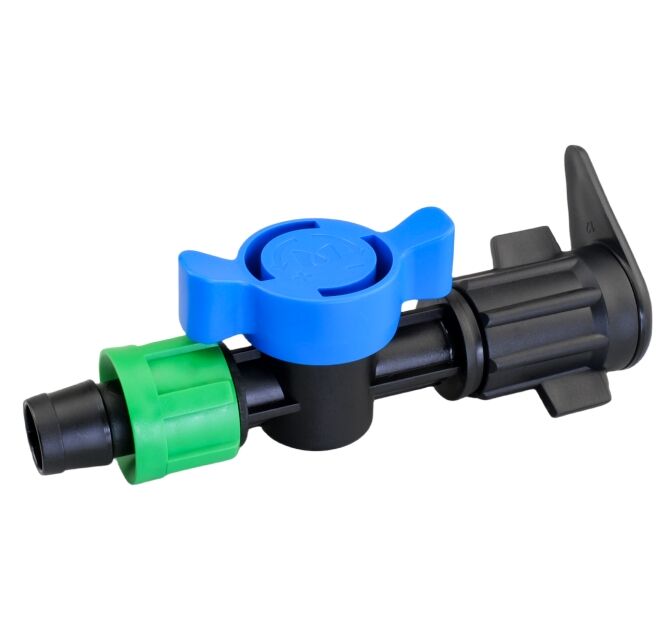
The integration of mini valves for layflat hose systems represents a significant advancement in precision agriculture technology. These innovative components enable farmers to achieve targeted water distribution across different crop zones, reducing water waste and ensuring optimal growing conditions for various plant species. By implementing these specialized valve systems, agricultural operations can significantly reduce their water consumption while maintaining or even improving crop productivity levels.
Understanding the Technology Behind Mini Valves
Core Engineering Principles
The fundamental design of mini valves for layflat hose systems incorporates advanced flow control mechanisms that respond to varying pressure conditions within the irrigation network. These valves utilize precision-engineered internal components that regulate water flow rates with exceptional accuracy, ensuring consistent delivery across the entire irrigation zone. The compact design allows for seamless integration into existing layflat hose infrastructure without requiring extensive modifications or costly system overhauls.
Each valve component is manufactured using high-grade materials that resist corrosion, chemical degradation, and mechanical wear under demanding agricultural conditions. The internal sealing mechanisms employ advanced polymer technologies that maintain leak-proof performance even after thousands of operational cycles. This robust construction ensures that mini valves for layflat hose applications deliver reliable performance throughout multiple growing seasons.
Pressure Regulation Capabilities
One of the most significant advantages of modern mini valves for layflat hose systems is their ability to maintain consistent pressure regulation across varying terrain conditions. These valves automatically adjust to pressure fluctuations within the distribution network, preventing over-watering in low-pressure zones and ensuring adequate water delivery to higher elevation areas. This self-regulating capability eliminates the need for manual adjustments and reduces labor requirements during irrigation operations.
The pressure compensation mechanism built into these valve systems ensures uniform water distribution regardless of the length of the layflat hose run or the number of outlets in operation. This feature proves particularly valuable for large-scale agricultural operations where maintaining consistent irrigation performance across extensive field areas can be challenging with conventional systems.
Economic Benefits and Cost Analysis
Initial Investment Considerations
While the upfront cost of implementing mini valves for layflat hose systems may appear significant compared to basic irrigation methods, the long-term economic benefits far outweigh the initial investment. These valve systems typically pay for themselves within two to three growing seasons through reduced water costs, decreased labor requirements, and improved crop yields. The precision control offered by these systems minimizes water waste, which translates to substantial savings on water bills and utility costs.
Additionally, the modular design of mini valves for layflat hose applications allows for phased implementation, enabling farmers to upgrade their irrigation systems gradually without disrupting ongoing operations. This flexible approach to system deployment makes the technology accessible to agricultural operations of all sizes, from small family farms to large commercial enterprises.
Operational Cost Reductions
The automated nature of mini valves for layflat hose systems significantly reduces the labor costs associated with irrigation management. Traditional irrigation methods often require constant monitoring and manual adjustments to maintain optimal watering schedules, consuming valuable time and human resources. In contrast, these advanced valve systems operate autonomously once properly configured, allowing farm personnel to focus on other critical agricultural tasks.
Maintenance costs are also substantially lower with mini valves for layflat hose systems compared to conventional irrigation equipment. The robust construction and simplified design of these valves require minimal servicing, typically limited to periodic cleaning and occasional seal replacement. This reduced maintenance requirement translates to lower operational expenses and increased system availability during critical growing periods.
Installation and Integration Advantages
Compatibility with Existing Infrastructure
One of the most compelling features of mini valves for layflat hose systems is their compatibility with existing irrigation infrastructure. These valves can be easily integrated into current layflat hose networks without requiring extensive modifications or complete system replacements. The standardized connection interfaces ensure seamless compatibility with most commercially available layflat hose products, making the upgrade process straightforward and cost-effective.
The lightweight design of these valve components also simplifies installation procedures, reducing the time and specialized equipment required for system deployment. Most mini valves for layflat hose applications can be installed using standard tools and techniques, making them accessible to farm maintenance teams without requiring specialized technical training or external contractor services.
Scalability and Expansion Options
The modular architecture of mini valves for layflat hose systems provides exceptional scalability options for growing agricultural operations. Additional valve units can be seamlessly integrated into existing networks as irrigation requirements expand, ensuring that the system can adapt to changing operational needs. This scalability feature makes these valve systems an excellent long-term investment for agricultural businesses planning future growth or diversification.
System expansion can be accomplished without disrupting ongoing irrigation operations, allowing farmers to maintain continuous crop care while upgrading their water management capabilities. This seamless expansion capability ensures that mini valves for layflat hose systems can grow alongside the agricultural operation they serve.
Performance Optimization and Efficiency
Water Conservation Achievements
Water conservation represents one of the most significant benefits achieved through the implementation of mini valves for layflat hose systems. These precision-controlled valves can reduce water consumption by up to 40% compared to traditional flood irrigation methods while maintaining or improving crop yield outcomes. The targeted water delivery capability ensures that irrigation water reaches plant root zones directly, minimizing evaporation losses and reducing runoff waste.
The conservation benefits extend beyond immediate water savings to include reduced nutrient leaching and improved soil health outcomes. By delivering water precisely where needed, mini valves for layflat hose systems help maintain optimal soil moisture levels without oversaturating growing media. This controlled approach to irrigation supports healthier root development and reduces the risk of water-related plant diseases.
Crop Yield Enhancement
The precise water control capabilities of mini valves for layflat hose systems contribute to measurable improvements in crop yield and quality. Consistent moisture delivery eliminates the stress cycles associated with irregular irrigation patterns, promoting steady plant growth and development. Many agricultural operations report yield increases of 15-25% within the first growing season after implementing these advanced valve systems.
The ability to customize irrigation schedules for different crop zones within the same field further enhances productivity outcomes. Mini valves for layflat hose applications enable farmers to optimize water delivery timing and volume for specific plant varieties, growth stages, and soil conditions throughout their operations.
Maintenance and Longevity
Preventive Care Requirements
Maintaining optimal performance from mini valves for layflat hose systems requires minimal but consistent preventive care practices. Regular inspection of valve components helps identify potential issues before they impact irrigation performance, ensuring continuous system reliability. Most maintenance tasks can be completed using basic tools and supplies commonly available on agricultural operations.
Seasonal maintenance procedures typically include cleaning valve internals, inspecting sealing components, and verifying proper pressure regulation function. These routine maintenance activities help extend the operational lifespan of mini valves for layflat hose systems while maintaining peak performance levels throughout demanding agricultural seasons.
Durability and Replacement Considerations
The robust construction of modern mini valves for layflat hose applications ensures reliable performance for many years under normal operating conditions. High-quality materials and precision manufacturing processes contribute to exceptional durability even in challenging agricultural environments. Most valve systems maintain optimal performance for five to seven years before requiring significant component replacement.
When replacement becomes necessary, the modular design of these valve systems allows for selective component replacement rather than complete system overhaul. This approach minimizes replacement costs and reduces system downtime during maintenance activities, ensuring continued irrigation capability throughout critical growing periods.
FAQ
How do mini valves for layflat hose systems compare to traditional irrigation methods
Mini valves for layflat hose systems offer significant advantages over traditional irrigation methods including precise water control, reduced labor requirements, and improved water conservation. These systems can achieve up to 40% water savings while delivering more consistent irrigation performance across varying field conditions. The automated operation reduces manual labor needs and provides more reliable crop watering compared to flood irrigation or basic sprinkler systems.
What installation requirements are needed for mini valves for layflat hose systems
Installation of mini valves for layflat hose systems typically requires standard plumbing tools and basic technical knowledge. Most systems are designed for compatibility with existing layflat hose infrastructure, minimizing modification requirements. The lightweight components and standardized connections make installation accessible to farm maintenance teams without specialized contractor services. Proper system design and valve placement planning are essential for optimal performance.
Can mini valves for layflat hose systems work with different crop types
Yes, mini valves for layflat hose systems are highly adaptable to different crop types and growing requirements. The precision control capabilities allow for customized irrigation schedules that accommodate various plant water needs, growth stages, and soil conditions. Multiple valve zones can be configured within the same field to provide different irrigation patterns for diverse crop varieties, making these systems ideal for mixed farming operations.
What maintenance schedule is recommended for mini valves for layflat hose systems
Regular maintenance of mini valves for layflat hose systems should include monthly visual inspections during growing seasons and comprehensive cleaning before and after each crop cycle. Seasonal maintenance involves checking internal components, cleaning debris from valve mechanisms, and verifying proper pressure regulation function. Most systems require minimal maintenance beyond basic cleaning and occasional seal replacement every few years depending on usage intensity and water quality conditions.