
 EN
EN

Key Applications of Backflush Disc Filters in Farm and Irrigation Water Systems
Modern agricultural operations face unprecedented challenges in water quality management, making effective filtration systems essential for sustainable farming practices. Backflush disc filters have emerged as a cornerstone technology in agricultural water treatment, offering superior performance in removing contaminants while maintaining optimal water flow rates. These advanced filtration systems provide farmers and irrigation specialists with reliable solutions for protecting expensive equipment, improving crop yields, and ensuring consistent water quality across diverse agricultural applications.
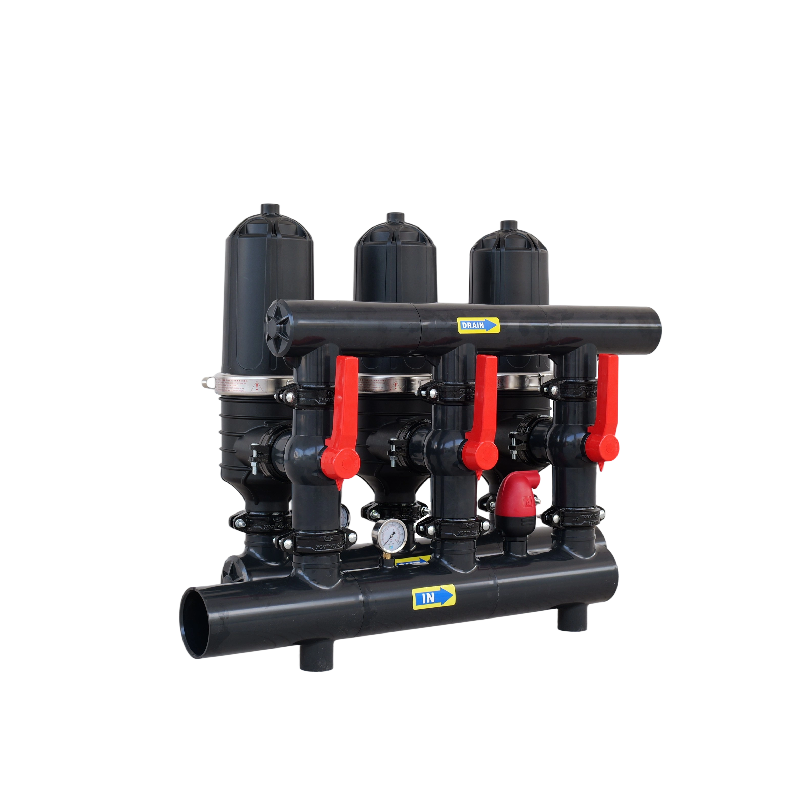
Understanding Backflush Disc Filter Technology
Core Filtration Mechanism
Backflush disc filters operate through a sophisticated multi-stage filtration process that combines mechanical screening with automated cleaning cycles. The system utilizes specially engineered grooved discs that create precise filtration channels, effectively capturing particles while maintaining consistent flow rates. During normal operation, water passes through the compressed disc stack, where contaminants are trapped in the grooved patterns. The automated backflush mechanism periodically reverses water flow, dislodging accumulated debris and maintaining optimal filtration efficiency without manual intervention.
The disc technology represents a significant advancement over traditional filtration methods, offering superior debris removal capabilities while minimizing maintenance requirements. Each disc features precisely machined grooves that create a three-dimensional filtration matrix, enabling the capture of particles significantly smaller than the nominal filtration rating. This enhanced particle retention ensures consistent water quality while extending operational intervals between maintenance cycles.
Automated Cleaning Advantages
The automated backflush feature distinguishes these systems from conventional filters by eliminating the need for frequent manual cleaning or cartridge replacement. Backflush disc filters incorporate pressure-differential sensors that monitor system performance and initiate cleaning cycles when predetermined thresholds are reached. This intelligent operation ensures consistent filtration performance while minimizing water waste and operational downtime.
During backflush operations, the system temporarily isolates the filter chamber and reverses water flow through the disc stack. This process effectively removes accumulated contaminants without disrupting overall system operation, allowing continuous water supply to irrigation systems. The automated nature of this process reduces labor costs and ensures optimal filter performance regardless of varying contamination levels or seasonal changes in water quality.
Primary Agricultural Applications
Drip Irrigation Systems
Drip irrigation represents one of the most critical applications for backflush disc filters, where consistent water quality directly impacts system performance and crop productivity. These precision irrigation systems rely on small orifices and emitters that are highly susceptible to clogging from suspended particles, organic matter, and mineral deposits. Backflush disc filters provide the reliable particle removal necessary to protect these sensitive components while maintaining optimal flow rates throughout the irrigation network.
The implementation of backflush disc filters in drip irrigation systems significantly extends emitter life and reduces maintenance requirements. These systems effectively remove particles as small as 50 microns, preventing the accumulation of debris that commonly causes emitter blockages. The consistent water quality provided by these filters ensures uniform water distribution across irrigation zones, leading to improved crop uniformity and higher yields.
Greenhouse Operations
Greenhouse environments present unique filtration challenges due to the recirculation of nutrient solutions and the need for precise water quality control. Backflush disc filters excel in these applications by removing algae, suspended solids, and other contaminants that can interfere with hydroponic systems or soil-based growing media. The automated cleaning capability ensures consistent performance in these controlled environments where water quality directly impacts plant health and productivity.
The closed-loop nature of many greenhouse systems amplifies the importance of effective filtration, as contaminants can accumulate over time without proper removal. Backflush disc filters provide continuous particle removal while minimizing water waste, making them ideal for sustainable greenhouse operations. The systems maintain optimal water clarity for nutrient absorption while protecting sensitive equipment such as pumps, valves, and irrigation controllers from premature wear.
Surface Water Treatment Applications
River and Lake Water Processing
Agricultural operations utilizing surface water sources face significant challenges from seasonal variations in water quality, including algae blooms, sediment loads, and organic debris. Backflush disc filters provide robust solutions for treating these variable water sources, effectively removing suspended solids while accommodating fluctuating contamination levels. The systems handle high sediment loads common during spring runoff or storm events without compromising filtration efficiency.
The automated operation of backflush disc filters makes them particularly valuable for remote surface water intakes where manual maintenance is impractical. These systems can process thousands of gallons daily while automatically adjusting cleaning cycles based on actual contamination levels rather than fixed schedules. This adaptive operation ensures optimal water quality while minimizing operational costs and maintenance requirements.
Pond and Reservoir Management
Farm ponds and irrigation reservoirs often develop seasonal water quality issues including algae growth, organic decomposition products, and wind-blown debris. Backflush disc filters address these challenges by providing continuous filtration that improves water clarity and reduces biological contamination. The systems effectively remove algae cells and organic particles that can interfere with irrigation equipment or promote biological growth in distribution systems.
Implementation of backflush disc filters in pond and reservoir applications extends beyond simple particle removal to include ecosystem management benefits. By removing excess organic matter and controlling algae populations, these systems help maintain balanced aquatic environments while providing clean water for agricultural use. The reduced organic load also minimizes the risk of anaerobic conditions that can produce harmful compounds or unpleasant odors.
Well Water and Groundwater Applications
Iron and Sediment Removal
Groundwater sources frequently contain dissolved iron that oxidizes upon exposure to air, forming particulate iron oxides that can clog irrigation systems and stain equipment. Backflush disc filters effectively remove these iron particles along with sand, silt, and other suspended solids commonly found in well water. The systems provide consistent particle removal without the need for chemical treatments or frequent filter media replacement.
The automated cleaning capability of backflush disc filters makes them particularly valuable for wells with variable iron content or seasonal changes in water quality. The systems adapt to changing conditions by adjusting backflush frequency based on actual particle loading rather than predetermined schedules. This intelligent operation ensures optimal water quality while minimizing water waste and operational costs associated with traditional filtration methods.
Deep Well Protection Systems
Deep agricultural wells represent significant investments that require protection from particulate contamination that can damage pumps and distribution equipment. Backflush disc filters serve as critical protection systems by removing sand, scale, and other abrasive particles before they can cause equipment damage. The systems provide reliable particle removal while maintaining the high flow rates necessary for large-scale irrigation operations.
The robust construction of backflush disc filters makes them suitable for the high-pressure applications common in deep well systems. These filters maintain consistent performance under varying pressure conditions while providing the automated operation necessary for remote well locations. The reduced maintenance requirements translate to lower operational costs and improved system reliability for critical agricultural water supplies.
Specialty Crop Applications
Nursery and Propagation Systems
Plant nurseries and propagation facilities require exceptionally clean water to prevent disease transmission and ensure healthy plant development. Backflush disc filters provide the consistent water quality necessary for these sensitive applications while accommodating the varying flow demands common in nursery operations. The systems remove potential disease vectors and contaminants that could interfere with root development or plant establishment.
The implementation of backflush disc filters in nursery applications extends beyond basic filtration to include plant health benefits. Clean irrigation water reduces the risk of soil-borne pathogens and maintains optimal growing conditions for young plants. The automated operation ensures consistent water quality regardless of seasonal changes or varying water source conditions, providing the reliability necessary for commercial plant production.
Organic Farming Operations
Organic farming operations face unique challenges in maintaining water quality standards while adhering to certification requirements that limit chemical treatments. Backflush disc filters provide mechanical filtration solutions that meet organic standards while delivering the water quality necessary for sensitive crops. The systems remove contaminants without introducing chemicals or additives that could compromise organic certification.
The chemical-free operation of backflush disc filters aligns perfectly with organic farming principles while providing superior filtration performance. These systems maintain soil health by preventing the introduction of harmful contaminants while supporting the biological processes essential to organic production methods. The automated cleaning cycles use only clean water, ensuring compliance with organic standards while maintaining optimal filtration efficiency.
System Integration and Performance Optimization
Multi-Stage Filtration Design
Advanced agricultural water treatment systems often incorporate backflush disc filters as components of comprehensive filtration trains that address multiple water quality parameters. These integrated systems combine coarse pre-filtration, disc filtration, and specialized treatment methods to achieve optimal water quality for specific applications. The automated operation of backflush disc filters integrates seamlessly with control systems that manage entire treatment processes.
The modular design of backflush disc filters facilitates easy integration with existing irrigation infrastructure while providing scalability for expanding operations. Systems can be configured in parallel or series arrangements to accommodate varying flow rates and filtration requirements. This flexibility allows agricultural operators to customize filtration solutions that meet specific crop requirements while maintaining operational efficiency.
Smart Control Integration
Modern backflush disc filters incorporate advanced control systems that integrate with farm management software and irrigation controllers. These smart systems provide real-time performance monitoring, predictive maintenance scheduling, and automated optimization based on changing conditions. The integration capabilities enable remote monitoring and control of filtration systems across multiple farm locations.
The data collection capabilities of smart backflush disc filters provide valuable insights into water quality trends and system performance over time. This information enables proactive maintenance scheduling and optimization of filtration parameters based on actual operating conditions rather than generic recommendations. The predictive capabilities help prevent system failures while minimizing operational costs and maintaining consistent water quality.
Economic Benefits and Return on Investment
Operational Cost Reduction
The implementation of backflush disc filters generates significant operational cost savings through reduced maintenance requirements, extended equipment life, and improved irrigation efficiency. These systems eliminate the need for frequent filter cartridge replacement while reducing labor costs associated with manual cleaning and maintenance. The automated operation minimizes system downtime and ensures consistent performance regardless of operator availability.
The energy efficiency of backflush disc filters contributes to operational cost reduction through lower pumping requirements and reduced pressure losses compared to conventional filtration methods. The systems maintain optimal flow rates while providing superior particle removal, resulting in improved irrigation efficiency and reduced water consumption. These efficiency gains translate to measurable cost savings over the system lifecycle.
Equipment Protection Value
The protection value provided by backflush disc filters extends throughout irrigation systems by preventing damage to pumps, valves, controllers, and emitters from particulate contamination. This equipment protection translates to significant cost avoidance through extended component life and reduced replacement frequency. The systems prevent costly repairs and system failures that can result in crop losses or production delays.
The investment in quality backflush disc filters typically pays for itself within the first growing season through reduced maintenance costs and improved system reliability. The protection provided to expensive irrigation infrastructure represents substantial value that continues throughout the system lifecycle. This equipment protection becomes increasingly valuable as farms invest in precision irrigation technologies that require consistent water quality for optimal performance.
FAQ
How often do backflush disc filters require maintenance compared to traditional filters
Backflush disc filters require significantly less maintenance than traditional cartridge or media filters, typically needing attention only every 6-12 months depending on water quality conditions. The automated backflush cleaning eliminates daily or weekly filter changes, reducing maintenance labor by up to 80% compared to conventional systems. Annual maintenance typically involves inspection of seals, cleaning of control components, and verification of backflush operation rather than complete filter replacement.
What particle size range can backflush disc filters effectively remove from irrigation water
Most backflush disc filters can effectively remove particles ranging from 20 to 400 microns, with standard models typically rated for 50, 80, 100, or 200-micron filtration. The groove design in the filter discs creates a tortuous path that captures particles smaller than the nominal rating through depth filtration effects. For reference, human hair is approximately 100 microns in diameter, while fine sand particles range from 50-200 microns, making these filters ideal for protecting drip irrigation emitters and spray nozzles.
Can backflush disc filters handle varying flow rates in agricultural irrigation systems
Yes, backflush disc filters are designed to accommodate varying flow rates common in agricultural applications, typically handling flow ranges from 10% to 100% of their rated capacity without loss of filtration efficiency. The systems maintain consistent pressure drop characteristics across their operating range and can handle flow fluctuations caused by zone switching, pump cycling, or seasonal demand changes. Advanced models include flow-compensated controls that adjust backflush timing based on actual throughput rather than fixed time intervals.
What is the typical lifespan and replacement schedule for backflush disc filter components
The filter discs in quality backflush disc filters typically last 3-5 years under normal agricultural conditions, while control valves and seals may require replacement every 2-3 years depending on water quality and operating conditions. The stainless steel housing and major components are designed for 15-20 year service life with proper maintenance. Replacement scheduling depends primarily on water quality rather than time, with systems in clean groundwater applications often exceeding expected component life, while surface water applications may require more frequent attention to seals and moving parts.