
 EN
EN

Why Backflush Disc Filters Are Ideal for Greenhouse and Orchard Water Systems
Modern agricultural operations in greenhouses and orchards face increasing challenges in maintaining efficient irrigation systems while ensuring optimal water quality. The success of these agricultural environments heavily depends on reliable filtration solutions that can handle varying water conditions and debris loads. Backflush disc filters have emerged as the preferred filtration technology for these applications, offering superior performance compared to traditional filtration methods. These advanced filtration systems provide automated cleaning capabilities, consistent water quality, and reduced maintenance requirements that make them indispensable for commercial agricultural operations.
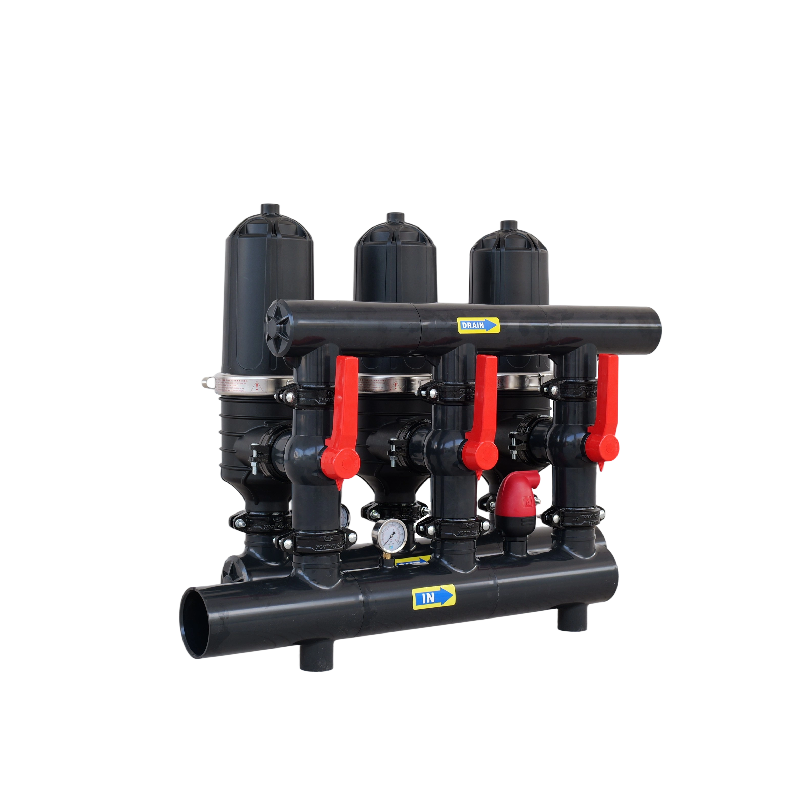
Understanding Backflush Disc Filter Technology
Core Components and Operation Principles
Backflush disc filters utilize a sophisticated disc stack assembly consisting of grooved polypropylene discs that compress together to create precise filtration channels. When water flows through the filter, particles larger than the specified micron rating become trapped in the grooves between the discs. The unique design allows for consistent filtration performance while maintaining high flow rates essential for irrigation applications. The disc stack configuration provides three-dimensional filtration, capturing contaminants throughout the entire depth of the filter media rather than just on the surface.
The backflushing mechanism represents the most significant advantage of these filtration systems. During normal operation, water flows from the outside of the disc stack inward, with clean water continuing to the irrigation system. When differential pressure across the filter reaches a predetermined threshold, the automatic backflush cycle initiates. This process reverses the water flow direction, expanding the disc stack and flushing accumulated debris out through the waste valve. This self-cleaning capability ensures continuous operation without manual intervention.
Filtration Accuracy and Performance Characteristics
The precision engineering of backflush disc filters enables consistent filtration accuracy ranging from 20 to 400 microns, depending on the specific disc grade selected. This level of control is crucial for greenhouse and orchard irrigation systems where emitter protection requires specific particle size removal. The disc material and groove geometry are optimized to prevent particle bridging while maintaining structural integrity during repeated backflush cycles. Advanced disc designs incorporate anti-clogging features that enhance filtration efficiency even in challenging water conditions.
Performance characteristics of these filtration systems include high dirt-holding capacity, minimal pressure drop during clean conditions, and excellent flow rate capabilities. The robust construction ensures reliable operation in outdoor agricultural environments where temperature fluctuations and weather exposure are common concerns. Quality backflush disc filters maintain consistent performance across wide temperature ranges, making them suitable for year-round agricultural operations in diverse climatic conditions.
Agricultural Water Quality Challenges
Common Contaminants in Irrigation Water Sources
Greenhouse and orchard irrigation systems encounter diverse water quality challenges that can compromise system efficiency and crop health. Surface water sources typically contain organic debris such as algae, leaves, and other vegetation that can clog emitters and reduce irrigation uniformity. Well water may contain sand, silt, and mineral precipitates that accumulate over time and cause system blockages. Recycled water systems present additional challenges with biological growth and higher concentrations of suspended solids requiring effective filtration solutions.
Seasonal variations in water quality further complicate filtration requirements in agricultural applications. Spring runoff often increases turbidity and organic matter concentrations, while summer algae blooms can overwhelm inadequate filtration systems. Iron and manganese oxidation in groundwater sources creates particulates that can stain equipment and interfere with nutrient delivery systems. Understanding these challenges is essential for selecting appropriate filtration technology that maintains system reliability throughout varying operational conditions.
Impact of Poor Filtration on Crop Production
Inadequate water filtration directly affects crop production efficiency and profitability in greenhouse and orchard operations. Clogged emitters result in uneven water distribution, creating stress conditions that reduce crop yields and quality. Plants in under-irrigated areas may exhibit stunted growth, while over-irrigated sections can develop root problems and increased disease susceptibility. The economic impact extends beyond immediate crop losses to include increased labor costs for emitter maintenance and premature replacement of irrigation components.
Nutrient delivery systems are particularly vulnerable to filtration inadequacies, as fertilizer salts can precipitate with suspended particles and create dense blockages. Poor water quality also interferes with pesticide and fungicide applications delivered through irrigation systems, reducing treatment effectiveness and potentially compromising crop protection programs. Implementing reliable backflush disc filters prevents these production challenges while ensuring consistent agricultural output quality and profitability.
Advantages for Greenhouse Applications
Automated Operation and Labor Reduction
Greenhouse operations benefit significantly from the automated capabilities of backflush disc filters, which eliminate the need for frequent manual cleaning and maintenance. Traditional sand media filters require regular backwashing schedules and periodic media replacement, consuming valuable labor resources that could be directed toward crop management activities. The automated backflush functionality operates based on pressure differential or timer settings, ensuring optimal filtration performance without human intervention. This automation is particularly valuable during peak growing seasons when labor demands are highest and system reliability is critical.
The compact design of backflush disc filters makes them ideal for greenhouse installations where space is limited and accessibility may be restricted. Unlike bulky sand filters that require significant floor space and overhead clearance for maintenance, disc filters can be installed in tight spaces and configured for easy access when periodic inspection is required. The modular design allows for easy expansion or reconfiguration as greenhouse operations grow or irrigation requirements change over time.
Protection of Precision Irrigation Equipment
Modern greenhouse irrigation systems rely heavily on precision equipment including micro-sprinklers, foggers, and specialized emitters that require clean water for proper operation. Backflush disc filters provide the level of filtration accuracy necessary to protect these sensitive components from particle damage and clogging. The consistent filtration performance ensures that expensive irrigation equipment operates at peak efficiency throughout its designed service life, reducing replacement costs and system downtime.
Climate control systems in greenhouses often integrate with irrigation equipment, making system reliability even more critical for maintaining optimal growing conditions. Backflush disc filters contribute to overall system reliability by preventing particle accumulation that could interfere with flow sensors, pressure regulators, and automated control valves. This comprehensive protection extends to fertigation equipment where nutrient delivery precision is essential for crop quality and yield optimization in controlled environment agriculture.
Benefits for Orchard Irrigation Systems
Handling High Debris Loads
Orchard irrigation systems face unique challenges with seasonal debris loads including fallen leaves, fruit fragments, and wind-blown organic matter that can overwhelm conventional filtration systems. Backflush disc filters excel in these demanding conditions due to their high dirt-holding capacity and efficient self-cleaning capabilities. The robust disc construction withstands the mechanical stress of processing heavy debris loads while maintaining consistent filtration performance throughout the irrigation season.
The three-dimensional filtration mechanism of disc filters provides superior debris capture compared to surface filtration methods, preventing particle bypass that commonly occurs with screen filters under high loading conditions. During peak debris periods such as harvest season or storm events, the increased backflush frequency automatically adjusts to maintain system performance without manual intervention. This adaptive capability ensures continuous irrigation system operation even when debris loads exceed normal operating conditions.
Durability in Outdoor Environments
Orchard installations require filtration equipment that can withstand harsh outdoor conditions including temperature extremes, UV exposure, and potential mechanical damage from agricultural equipment. Backflush disc filters feature weather-resistant construction with UV-stabilized materials and corrosion-resistant components designed for long-term outdoor operation. The absence of electronic components in basic models eliminates weather-related failure modes while maintaining reliable automated operation through purely hydraulic controls.
Maintenance accessibility is crucial for orchard applications where equipment may be located in remote areas or difficult terrain. The simple design of backflush disc filters minimizes maintenance requirements while providing easy access to key components when service is needed. Replacement parts are standardized and readily available, reducing inventory requirements and ensuring rapid system restoration when unexpected maintenance becomes necessary during critical irrigation periods.
Installation and Maintenance Considerations
System Integration and Sizing
Proper sizing of backflush disc filters requires careful consideration of peak flow requirements, pressure limitations, and expected debris loading conditions specific to each agricultural application. Flow rate calculations must account for both irrigation demand and backflush water requirements to ensure adequate system capacity during all operating modes. Pressure drop characteristics should be evaluated under clean and dirty conditions to maintain optimal irrigation pressure throughout the system while accommodating filter operation.
Installation planning should consider access requirements for periodic inspection and maintenance, waste water disposal for backflush discharge, and integration with existing control systems. Proper installation includes appropriate inlet and outlet piping, pressure gauge installation for monitoring differential pressure, and bypass capabilities for emergency operation during maintenance periods. The modular design of many backflush disc filters allows for parallel installation configurations that provide redundancy and increased capacity when required.
Preventive Maintenance and Service Requirements
Regular maintenance of backflush disc filters involves periodic inspection of disc condition, seal integrity, and valve operation to ensure continued reliable performance. Disc replacement intervals depend on water quality conditions and operating hours, with typical service life extending several seasons under normal agricultural water conditions. Visual inspection of disc wear patterns and groove definition provides early indication of replacement needs before filtration performance deteriorates significantly.
Seasonal maintenance procedures include complete system inspection, lubrication of moving components, and verification of control system calibration for optimal backflush timing. Water quality monitoring helps optimize backflush frequency and identify potential issues before they impact irrigation system performance. Proper maintenance records support warranty claims and help establish optimal service intervals based on actual operating conditions rather than generic recommendations that may not reflect site-specific requirements.
Cost-Effectiveness and Return on Investment
Operational Cost Savings
The economic advantages of backflush disc filters in agricultural applications extend well beyond initial equipment costs to include significant operational savings over the system lifetime. Reduced labor requirements for filter maintenance translate directly to cost savings, particularly valuable during peak agricultural seasons when labor costs are highest and availability is limited. The automated operation eliminates the need for scheduled maintenance during critical irrigation periods, preventing crop stress and associated yield losses.
Energy efficiency represents another significant cost advantage, as backflush disc filters maintain lower pressure drops compared to alternative filtration methods, reducing pumping costs throughout the irrigation season. The efficient cleaning cycle minimizes water waste while ensuring optimal filtration performance, contributing to overall water use efficiency in agricultural operations where water costs continue to increase. These operational efficiencies compound over time, providing substantial return on investment for quality filtration equipment.
Equipment Protection and Longevity
Investment in quality backflush disc filters provides comprehensive protection for expensive irrigation equipment, extending service life and reducing replacement costs across the entire system. Clean water delivery prevents premature wear of pumps, valves, and emitters while maintaining optimal performance characteristics that maximize irrigation efficiency. The cost of quality filtration is minimal compared to the replacement cost of damaged irrigation components and lost production from system failures.
Long-term reliability of backflush disc filters reduces the total cost of ownership through extended service intervals and minimal consumable requirements compared to alternative filtration technologies. The robust construction and simple operation minimize unexpected maintenance costs while providing predictable operating expenses that support accurate agricultural budgeting. Quality filtration systems often pay for themselves within the first season through improved system reliability and reduced maintenance requirements alone.
FAQ
What micron rating should I choose for my greenhouse irrigation system
The appropriate micron rating for greenhouse applications typically ranges from 80 to 200 microns depending on your emitter types and water quality conditions. Micro-sprinklers and foggers require finer filtration around 80-120 microns, while drip emitters can operate effectively with 150-200 micron filtration. Consider your water source quality and consult with irrigation equipment manufacturers to determine the optimal filtration level that balances emitter protection with reasonable backflush frequency and operational costs.
How often do backflush disc filters need cleaning cycles
Backflush frequency depends on water quality, debris loading, and system configuration, typically ranging from every few hours to several days during normal operation. Most systems use differential pressure controls set between 7-15 PSI to trigger automatic cleaning cycles when the filter becomes sufficiently loaded with debris. During high debris periods such as algae blooms or storm events, backflush cycles may increase significantly, while clean water conditions may extend intervals to once daily or longer.
Can backflush disc filters handle fertilizer injection systems
Yes, backflush disc filters are excellent for fertigation applications where nutrient solutions are injected into irrigation water. The filtration prevents fertilizer precipitates and organic matter from clogging injection equipment and emitters. However, ensure the filter is installed upstream of fertilizer injection points and consider slightly finer filtration ratings when using liquid fertilizers prone to precipitation. Regular monitoring of system pH and electrical conductivity helps optimize both filtration and fertigation performance.
What maintenance is required for optimal filter performance
Routine maintenance includes monthly visual inspection of disc condition and quarterly verification of backflush valve operation during the growing season. Annual maintenance should include complete disc replacement or cleaning, seal inspection, and control system calibration. Monitor differential pressure trends to identify gradual performance changes that may indicate disc wear or system issues. Keep spare disc sets on hand for quick replacement during critical irrigation periods when system downtime must be minimized.