
 EN
EN

How Backflush Disc Filters Improve Water Efficiency in Irrigation Systems
Modern agricultural irrigation systems face increasing pressure to maximize water efficiency while maintaining optimal crop yields. As water scarcity becomes a critical global concern, farmers and agricultural engineers are turning to advanced filtration technologies that not only protect irrigation equipment but also enhance overall system performance. Among these innovative solutions, backflush disc filters have emerged as a cornerstone technology for achieving superior water management in agricultural applications.
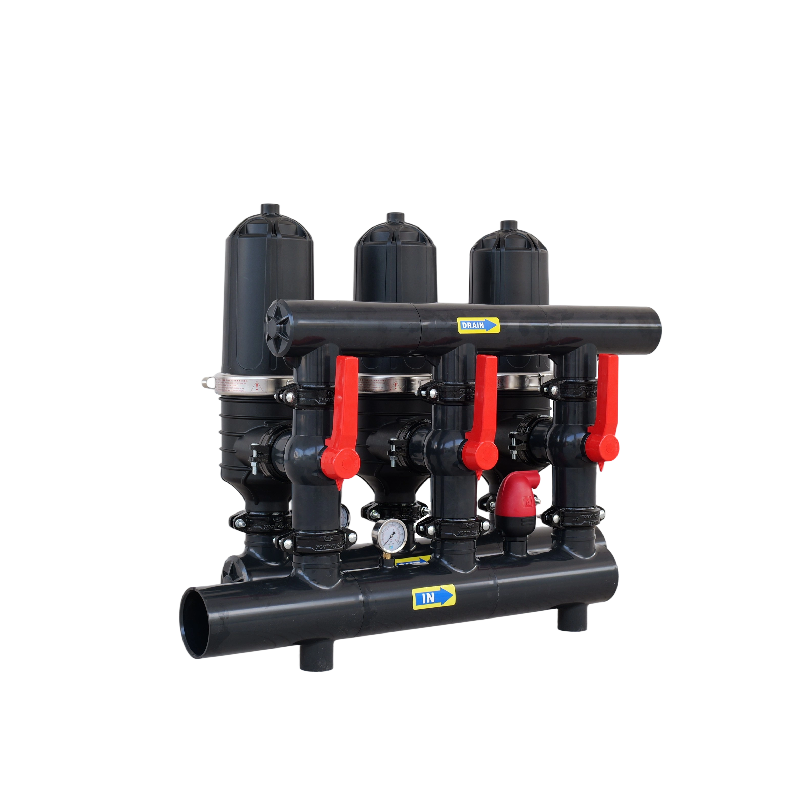
The integration of backflush disc filters into irrigation networks represents a significant advancement in agricultural water management technology. These sophisticated filtration systems combine mechanical precision with automated cleaning capabilities, delivering consistent performance even under challenging field conditions. Their ability to maintain continuous operation while automatically removing accumulated debris makes them indispensable for high-efficiency irrigation installations where downtime can result in substantial crop losses.
Understanding the operational principles and benefits of backflush disc filters enables agricultural professionals to make informed decisions about irrigation system upgrades and new installations. The technology addresses multiple challenges simultaneously, from protecting sensitive emitters to reducing maintenance requirements, while contributing to overall water conservation efforts that align with sustainable farming practices.
Advanced Filtration Technology for Modern Agriculture
Precision Engineering in Disc Filter Design
The engineering foundation of backflush disc filters represents decades of advancement in agricultural filtration technology. These systems utilize precisely manufactured disc assemblies with controlled groove patterns that create tortuous pathways for water flow. The disc configuration enables effective particle capture across a wide range of contaminant sizes, from large debris to microscopic particles that could otherwise clog sensitive irrigation components downstream.
Each disc within the filter assembly features carefully engineered surface textures that optimize filtration efficiency while maintaining adequate flow rates. The stacking arrangement creates multiple filtration stages, ensuring comprehensive particle removal without creating excessive pressure drop across the system. This multi-stage approach allows backflush disc filters to handle varying water quality conditions while maintaining consistent performance standards.
The materials used in disc construction incorporate advanced polymers and composites designed to withstand harsh agricultural environments. These materials resist chemical degradation from fertilizers and pesticides commonly found in irrigation water, ensuring long-term reliability and consistent filtration performance throughout extended operating seasons.
Automated Backflush Mechanisms
The automated cleaning capability distinguishes backflush disc filters from conventional filtration systems. The backflush mechanism utilizes reverse flow dynamics to dislodge accumulated particles from disc surfaces, restoring filtration capacity without requiring system shutdown. This process occurs automatically based on predetermined pressure differential triggers or timed intervals, ensuring optimal performance without manual intervention.
During the backflush cycle, accumulated debris is efficiently removed from the filter assembly and discharged through dedicated waste outlets. The cleaning process typically completes within minutes, minimizing interruption to irrigation operations while thoroughly restoring filter effectiveness. This automated functionality proves particularly valuable in remote irrigation installations where manual maintenance would be impractical or costly.
Advanced control systems integrated with modern backflush disc filters provide sophisticated monitoring and adjustment capabilities. These systems can adapt cleaning cycles based on real-time water quality conditions, optimizing both filtration performance and water consumption during maintenance operations.
Water Efficiency Enhancement Through Advanced Filtration
Optimizing Flow Rates and Pressure Management
The hydraulic design of backflush disc filters contributes significantly to overall irrigation system efficiency by maintaining consistent flow characteristics throughout the filtration process. Unlike traditional filters that experience gradual flow reduction as contaminants accumulate, these systems maintain relatively stable hydraulic performance through automated cleaning cycles. This consistency enables precise irrigation scheduling and uniform water distribution across agricultural fields.
Pressure management represents another critical aspect of water efficiency enhancement. backflush disc filters maintain lower operating pressure requirements compared to conventional filtration systems, reducing energy consumption for irrigation pumping operations. The reduced pressure drop across clean filter assemblies translates directly into energy savings and improved system efficiency.
The ability to maintain consistent pressure throughout irrigation zones ensures uniform water application rates, eliminating the inefficiencies associated with variable flow conditions. This uniformity proves particularly important in precision agriculture applications where consistent moisture levels are critical for optimal crop development and yield maximization.
Reducing Water Waste Through Effective Contaminant Removal
Effective contaminant removal by backflush disc filters prevents downstream equipment failures that could result in significant water waste. Clogged emitters, damaged drip lines, and malfunctioning sprinkler components often lead to uncontrolled water discharge and inefficient irrigation patterns. By maintaining clean water delivery throughout the system, these filters protect valuable infrastructure investments while preserving precious water resources.
The comprehensive filtration provided by backflush disc filters extends beyond simple particle removal to include biological contaminants that could affect irrigation system performance. Algae, bacteria, and other microorganisms removed by these systems prevent biofilm formation in distribution lines, maintaining optimal flow characteristics and preventing localized blockages that could compromise irrigation uniformity.
Water quality improvement achieved through advanced filtration enables the use of recycled water sources and lower-grade water supplies that might otherwise be unsuitable for irrigation applications. This capability expands water sourcing options while maintaining the high water quality standards required for efficient irrigation operations.
Protection of Irrigation Infrastructure
Extending Equipment Lifespan Through Contamination Control
The protective benefits of backflush disc filters extend throughout irrigation systems, significantly extending the operational lifespan of downstream components. Drip emitters, micro-sprinklers, and other precision irrigation devices are particularly vulnerable to contamination-related failures. By removing particles before they reach these sensitive components, filtration systems prevent premature wear and costly replacement requirements.
Pump protection represents another significant benefit of comprehensive filtration. Abrasive particles in irrigation water can cause accelerated wear in pump impellers, seals, and housing components. Backflush disc filters remove these damaging contaminants before they reach pumping equipment, reducing maintenance costs and extending pump service life considerably.
Valve components throughout irrigation systems also benefit from clean water delivery. Particulate contamination can interfere with valve seating, cause premature seal failure, and lead to control system malfunctions. The consistent water quality provided by advanced filtration ensures reliable valve operation and reduces system maintenance requirements.
Minimizing Maintenance Requirements and Costs
The automated operation of backflush disc filters dramatically reduces manual maintenance requirements compared to conventional filtration systems. Traditional cartridge filters require regular replacement, while sand filters need frequent backwashing and media replacement. The self-cleaning capability of disc filters minimizes these labor-intensive maintenance activities while ensuring consistent filtration performance.
Maintenance cost reduction extends beyond labor savings to include reduced replacement part requirements throughout the irrigation system. Clean water delivery prevents premature failure of emitters, gaskets, seals, and other components that would otherwise require frequent replacement. This comprehensive protection translates into substantial long-term cost savings for irrigation system operators.
The reliability of backflush disc filters also reduces emergency repair costs associated with unexpected system failures. Contamination-related blockages often occur during critical irrigation periods when immediate repairs are essential to prevent crop damage. By preventing these failures, advanced filtration systems help maintain operational continuity and avoid costly emergency service calls.
Environmental Impact and Sustainability Benefits
Water Conservation Through Improved System Efficiency
The environmental benefits of implementing backflush disc filters extend far beyond immediate operational improvements to encompass broader sustainability objectives. Water conservation represents the most significant environmental impact, as improved filtration efficiency reduces overall water consumption while maintaining or improving crop yields. This efficiency gain becomes increasingly important as agricultural operations face growing pressure to reduce water usage.
The ability to utilize lower-quality water sources through advanced filtration reduces demand on high-quality water supplies, preserving these resources for applications where superior water quality is absolutely essential. This resource optimization contributes to broader watershed management objectives while supporting sustainable agricultural practices.
Energy conservation achieved through reduced pumping requirements represents another significant environmental benefit. Lower pressure drop across backflush disc filters reduces energy consumption for water circulation, contributing to reduced greenhouse gas emissions and supporting renewable energy integration in agricultural operations.
Supporting Precision Agriculture Initiatives
The consistent water quality delivered by backflush disc filters enables implementation of precision agriculture technologies that rely on uniform water application rates. Variable rate irrigation systems, soil moisture sensors, and automated control systems all benefit from the predictable hydraulic characteristics maintained by advanced filtration. This compatibility supports adoption of sustainable farming practices that optimize resource utilization.
Integration with smart irrigation controllers becomes more reliable when water quality remains consistent throughout the system. Backflush disc filters prevent contamination-related interference with sensors and control devices, ensuring accurate monitoring and control of irrigation operations. This reliability enables farmers to implement sophisticated water management strategies that balance crop needs with conservation objectives.
The data accuracy improvements enabled by clean water delivery support evidence-based decision making in agricultural operations. When irrigation systems operate consistently without contamination-related disruptions, the data collected by monitoring systems provides more reliable insights for optimizing water usage and improving crop management practices.
Installation and Integration Considerations
System Design and Sizing Requirements
Proper sizing and installation of backflush disc filters requires careful analysis of water quality characteristics, flow requirements, and system operating parameters. The filtration capacity must accommodate peak demand periods while maintaining adequate cleaning frequency to prevent excessive contaminant accumulation. Professional system design ensures optimal performance while avoiding oversizing that could increase unnecessary costs.
Integration with existing irrigation infrastructure often requires modifications to accommodate backflush disc filters and associated control systems. Proper placement within the system hydraulics ensures effective filtration while maintaining optimal pressure distribution throughout downstream components. Strategic positioning also facilitates access for maintenance activities and system monitoring.
Control system integration enables coordination between filtration operations and irrigation scheduling, optimizing overall system efficiency. Advanced controllers can adjust cleaning cycles based on water quality conditions, irrigation demand, and system operating parameters, ensuring optimal performance while minimizing water consumption during maintenance operations.
Performance Monitoring and Optimization
Continuous monitoring of backflush disc filters performance provides valuable insights for system optimization and preventive maintenance planning. Pressure differential measurements, cleaning cycle frequency, and water quality parameters all contribute to understanding system performance and identifying opportunities for improvement.
Data logging capabilities integrated with modern filtration systems enable trend analysis and predictive maintenance strategies. By tracking performance parameters over time, operators can identify gradual changes in system behavior and implement proactive maintenance measures before problems affect irrigation operations.
Regular performance evaluation ensures that backflush disc filters continue to deliver expected benefits throughout their operational lifespan. Systematic monitoring and adjustment of operating parameters maintain optimal efficiency while identifying opportunities for system upgrades or modifications that could further improve performance.
FAQ
What makes backflush disc filters more efficient than traditional filtration systems
Backflush disc filters offer superior efficiency through their automated self-cleaning capability and consistent hydraulic performance. Unlike traditional filters that gradually lose effectiveness as contaminants accumulate, these systems maintain steady filtration capacity through regular automated cleaning cycles. The multi-stage disc configuration provides comprehensive particle removal while maintaining low pressure drop, resulting in better overall system efficiency and reduced energy consumption for pumping operations.
How do backflush disc filters contribute to water conservation in irrigation systems
These filters contribute to water conservation by maintaining optimal flow rates throughout irrigation systems, preventing water waste from clogged or damaged components, and enabling the use of lower-quality water sources through effective contamination removal. The consistent water delivery prevents inefficient irrigation patterns caused by blocked emitters or uneven pressure distribution, while the automated cleaning process uses minimal water compared to traditional backwashing systems, maximizing conservation benefits.
What maintenance requirements are associated with backflush disc filters
Maintenance requirements for backflush disc filters are significantly reduced compared to conventional filtration systems due to their automated self-cleaning operation. Routine maintenance typically involves periodic inspection of disc assemblies, verification of control system operation, and replacement of seals or gaskets as needed. The automated backflush mechanism eliminates the need for frequent manual cleaning or filter element replacement, reducing both labor costs and system downtime while maintaining consistent performance.
How do these filters protect downstream irrigation equipment
Backflush disc filters protect downstream equipment by removing particles, debris, and biological contaminants that could damage sensitive irrigation components such as drip emitters, micro-sprinklers, valves, and pumps. This protection prevents premature equipment failure, reduces replacement costs, and maintains consistent system performance. The comprehensive filtration also prevents biofilm formation in distribution lines, maintaining optimal flow characteristics and preventing localized blockages that could compromise irrigation uniformity and equipment longevity.