
 EN
EN

How to Prevent Leaks in a Drip Irrigation Connector Setup
Drip irrigation systems have revolutionized agricultural water management by delivering precise amounts of water directly to plant roots. However, the effectiveness of these systems heavily depends on the integrity of every component, particularly the drip irrigation connector components that link various sections together. When connectors fail or develop leaks, the entire system's efficiency diminishes, leading to water waste, reduced crop yields, and increased operational costs. Understanding how to prevent leaks in connector setups is crucial for maintaining optimal irrigation performance and ensuring long-term system reliability.
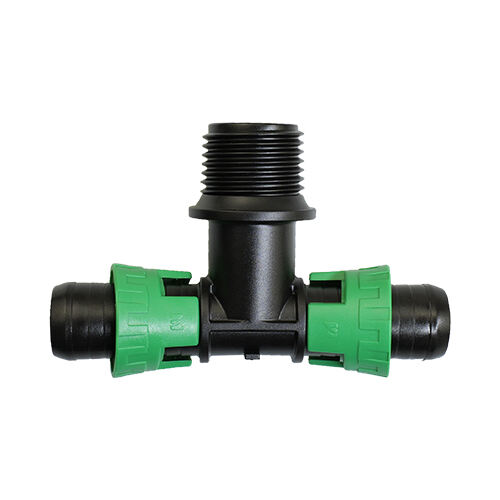
Understanding Drip Irrigation Connector Fundamentals
Types of Connectors and Their Applications
Modern drip irrigation systems utilize various connector types, each designed for specific applications and flow requirements. Straight connectors join tubing sections in linear runs, while elbow connectors facilitate directional changes around obstacles or terrain features. Tee connectors enable branching to multiple zones, and reducing connectors accommodate different tubing diameters within the same system. Each connector type presents unique sealing challenges that require specific installation techniques and maintenance approaches.
The material composition of connectors significantly impacts their leak resistance and longevity. High-density polyethylene connectors offer excellent chemical resistance and flexibility, making them suitable for diverse agricultural environments. Polypropylene variants provide superior strength and temperature resistance, while specialized composite materials combine multiple benefits for demanding applications. Understanding material properties helps farmers select appropriate connectors for their specific environmental conditions and operational requirements.
Common Leak Points and Failure Mechanisms
Leak development in drip irrigation connector systems typically occurs at predictable locations where stress concentrations and environmental factors converge. The junction between tubing and connector barbs represents the most common failure point, where inadequate insertion depth or insufficient clamping pressure allows water to escape. Threaded connections may develop leaks due to improper torque application, worn threads, or inadequate sealing compound usage.
Environmental factors contribute significantly to connector degradation and leak development over time. Ultraviolet radiation exposure causes polymer chains to break down, reducing material flexibility and sealing effectiveness. Temperature fluctuations create expansion and contraction cycles that stress connection points, while chemical exposure from fertilizers and pesticides accelerates material degradation. Mechanical stress from ground movement, equipment contact, or improper support also compromises connector integrity and promotes leak formation.
Installation Best Practices for Leak Prevention
Proper Tubing Preparation Techniques
Successful leak prevention begins with meticulous tubing preparation before connector installation. Clean, square cuts ensure optimal sealing surface contact and prevent stress concentrations that could propagate into leaks. Using sharp, dedicated tubing cutters rather than knives or general-purpose tools produces cleaner cuts with minimal tube deformation. Removing burrs and debris from cut ends eliminates potential leak paths and ensures proper connector engagement.
Tubing conditioning improves connector installation success and long-term seal integrity. Warming tubing ends in direct sunlight or warm water increases material flexibility, facilitating easier connector insertion while reducing installation force requirements. This conditioning process minimizes the risk of tube splitting or connector damage during assembly. Additionally, ensuring tubing ends are completely dry before connector installation prevents moisture entrapment that could compromise seal formation.
Connector Installation Procedures
Proper connector installation requires systematic attention to insertion depth, alignment, and securing methods. Tubing must be inserted fully onto connector barbs until it reaches the internal stop or shoulder, ensuring maximum contact area for effective sealing. Partial insertion creates leak-prone gaps where water pressure can force separation. Visual inspection markers on some connector designs help verify proper insertion depth during installation.
Securing methods vary depending on connector design and system pressure requirements. Clamp-style connectors require proper positioning and adequate compression to maintain seal integrity without over-tightening that could damage tubing. Push-fit connectors rely on internal gripping mechanisms that must engage fully with properly prepared tubing ends. Threading connections need appropriate torque application using calibrated tools to achieve optimal seal compression without thread damage.
System Design Considerations for Leak Minimization
Pressure Management Strategies
Effective pressure management forms the foundation of leak-resistant drip irrigation connector installations. Operating pressures should remain within manufacturer specifications for all system components, with adequate safety margins to accommodate pressure fluctuations. Pressure regulators installed at strategic locations maintain consistent operating conditions and prevent damage from pressure spikes that commonly occur during system startup or valve operation.
Gradual pressure ramping during system startup reduces stress on connector joints and extends their operational lifespan. Automated control systems can implement controlled startup sequences that slowly increase system pressure to operating levels, minimizing shock loading that contributes to premature connector failure. This approach is particularly important in large-scale installations where sudden pressure changes can affect numerous connectors simultaneously.
Support and Protection Methods
Adequate support infrastructure protects drip irrigation connector assemblies from mechanical stress that leads to leak development. Tubing supports positioned at appropriate intervals prevent excessive sagging that creates stress concentrations at connection points. Support spacing depends on tubing diameter, wall thickness, and environmental loading conditions such as wind or equipment contact potential.
Protection from physical damage requires strategic planning during system layout and installation. Burial depth for subsurface components must provide adequate protection from cultivation equipment while remaining accessible for maintenance activities. Above-ground installations need protection from livestock, machinery, and environmental hazards through appropriate routing and protective barriers.
Maintenance and Monitoring Protocols
Regular Inspection Schedules
Systematic inspection protocols enable early leak detection before minor seepage develops into significant system failures. Weekly visual inspections during active growing seasons should focus on connector locations, looking for signs of moisture accumulation, mineral deposits, or vegetation changes that indicate water loss. Monthly detailed inspections include hands-on examination of connector integrity, checking for looseness, cracking, or other physical deterioration.
Seasonal maintenance inspections provide opportunities for comprehensive system evaluation and preventive component replacement. These inspections should include pressure testing of individual zones to identify developing leaks that may not be visible during normal operation. Documentation of inspection findings enables trend analysis that can predict component replacement needs and optimize maintenance scheduling.
Preventive Replacement Strategies
Proactive component replacement based on service life data prevents unexpected failures that disrupt irrigation operations. Establishing replacement schedules for connectors in different environmental conditions helps maintain system reliability while optimizing maintenance costs. Components in high-stress locations or harsh environmental conditions may require more frequent replacement than those in protected installations.
Inventory management for replacement components ensures rapid response to connector failures when they occur. Maintaining adequate stock levels of commonly used connector types, sizes, and configurations minimizes system downtime during repairs. Standardizing on fewer connector varieties simplifies inventory requirements while ensuring compatibility across different system zones.
Troubleshooting Common Leak Issues
Diagnostic Techniques for Leak Location
Effective leak diagnosis requires systematic approaches that efficiently locate problems within complex irrigation networks. Pressure zone isolation helps narrow the search area by identifying which system sections experience pressure loss. Sequential valve closure can pinpoint the general location of major leaks, while detailed visual inspection focuses efforts on specific connector assemblies within the identified zone.
Advanced diagnostic tools enhance leak detection capabilities in challenging situations. Electronic leak detection equipment can identify minute pressure changes that indicate developing problems before they become visible. Thermal imaging cameras reveal temperature variations associated with water evaporation at leak sites, particularly useful for buried or concealed installations where visual inspection is limited.
Repair Techniques and Solutions
Temporary leak repairs enable continued operation while planning permanent solutions, particularly important during critical growing periods when irrigation interruption could damage crops. Emergency clamps, sealing compounds, or wrap-around repair sleeves provide short-term fixes that maintain system functionality. However, these temporary measures should be replaced with permanent repairs as soon as practical to ensure long-term reliability.
Permanent repair procedures depend on the nature and extent of connector damage. Minor leaks at barbed connections often respond to re-installation with proper insertion depth and new clamps. Damaged connectors require complete replacement using proper installation techniques. In cases where repeated failures occur at specific locations, system redesign may be necessary to address underlying stress factors or environmental conditions.
FAQ
What causes most leaks in drip irrigation connector systems?
Most leaks in drip irrigation connector systems result from improper installation techniques, particularly inadequate tubing insertion depth and insufficient securing methods. Environmental factors such as UV degradation, temperature cycling, and chemical exposure also contribute significantly to connector failure over time. Mechanical stress from inadequate support or physical damage represents another major cause of leak development.
How often should drip irrigation connectors be inspected for potential leaks?
Drip irrigation connectors should undergo visual inspection weekly during active growing seasons, with monthly detailed examinations that include hands-on checking for looseness or deterioration. Comprehensive seasonal inspections provide opportunities for pressure testing and preventive maintenance. High-stress locations or harsh environmental conditions may require more frequent inspection to ensure optimal system performance.
Can temporary repairs provide reliable leak solutions for irrigation connectors?
Temporary repairs using emergency clamps, sealing compounds, or repair sleeves can provide short-term leak control during critical irrigation periods. However, these solutions should be considered stopgap measures only and replaced with permanent repairs as soon as practical. Temporary repairs may not withstand long-term pressure cycling or environmental exposure, potentially leading to unexpected failures.
What tools are essential for proper drip irrigation connector installation?
Essential tools for proper connector installation include sharp tubing cutters for clean, square cuts, appropriate clamps or crimping tools for securing connections, and calibrated torque tools for threaded assemblies. Tubing conditioning equipment such as heat sources for warming can improve installation success. Basic hand tools, measuring devices, and cleaning materials complete the essential toolkit for professional-quality connector installations.