Advanced Automatic Irrigation Systems - Smart Watering Solutions for Modern Landscapes

All Categories

Get a Free Quote

Our representative will contact you soon.
Email
Name
Whats App
Message
0/1000

automatic irrigation

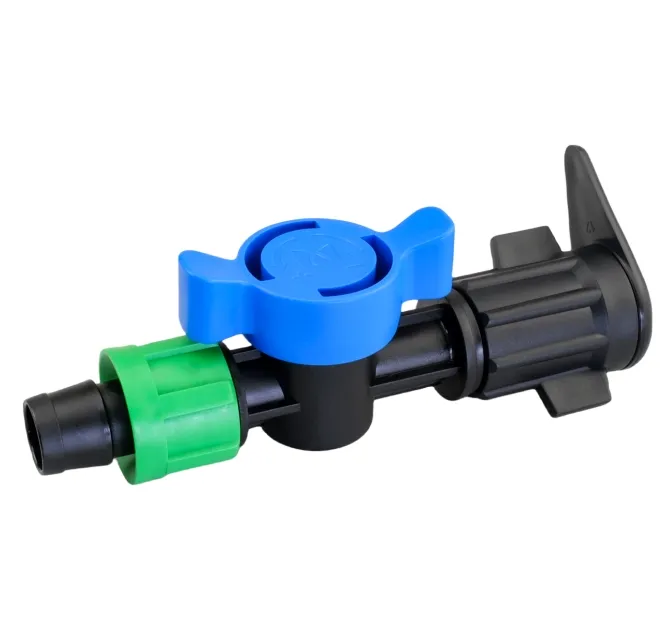
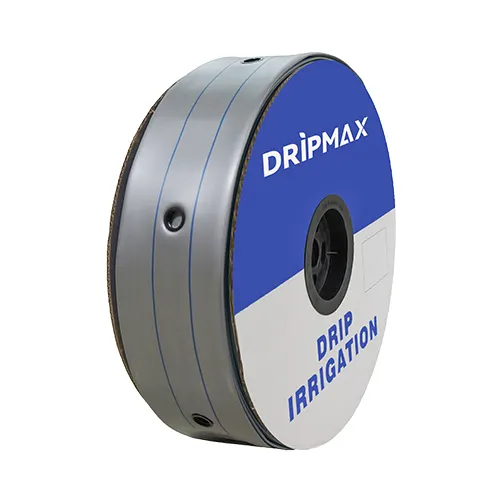
Automatic irrigation represents a revolutionary approach to water management that transforms traditional farming and landscaping practices through intelligent technology. This sophisticated system utilizes sensors, timers, and computerized controls to deliver precise amounts of water directly to plants without human intervention. The core functionality of automatic irrigation revolves around monitoring soil moisture levels, weather conditions, and plant requirements to optimize watering schedules. These systems incorporate various components including moisture sensors that detect when soil reaches predetermined dryness levels, programmable controllers that manage watering cycles, and distribution networks comprising drip emitters, sprinklers, or micro-jets. Advanced automatic irrigation systems integrate weather stations that adjust watering based on rainfall predictions and temperature fluctuations. The technology features include smartphone connectivity for remote monitoring and control, allowing users to manage their irrigation from anywhere. Multiple zone control enables different areas to receive customized watering treatments based on specific plant needs and sun exposure. Flow monitoring capabilities detect leaks or blockages, preventing water waste and system damage. Solar-powered options provide energy independence while reducing operational costs. Applications span residential gardens, commercial landscapes, agricultural operations, greenhouse cultivation, and sports facilities. Homeowners benefit from maintaining healthy lawns and gardens while reducing water bills and time investment. Commercial properties utilize these systems to preserve landscape aesthetics while minimizing maintenance costs. Agricultural producers achieve consistent crop yields through precise water delivery that responds to changing environmental conditions. Greenhouse operators maintain optimal growing conditions for specialty crops and nursery stock. The versatility of automatic irrigation makes it suitable for various terrain types, from flat residential lots to sloped commercial properties and expansive agricultural fields.

New Product Releases

Automatic irrigation delivers exceptional water conservation benefits that directly impact both environmental sustainability and cost savings for users. These systems reduce water consumption by up to forty percent compared to manual watering methods through precise delivery timing and quantity control. Smart sensors prevent overwatering by monitoring actual soil conditions rather than relying on guesswork or fixed schedules. This targeted approach eliminates runoff and ensures water reaches root zones where plants need it most. Labor savings represent another significant advantage as property owners no longer need to spend hours manually watering or hiring maintenance crews for irrigation duties. The convenience factor extends beyond time savings to include consistent plant care even during vacations or busy periods when manual attention becomes impossible. Automatic irrigation systems provide superior plant health outcomes through consistent moisture levels that promote robust root development and steady growth patterns. Plants receive optimal hydration without the stress cycles associated with irregular manual watering that alternates between drought and flood conditions. Enhanced property values result from maintaining lush, healthy landscapes that create attractive curb appeal year-round. These systems adapt to seasonal changes automatically, increasing watering frequency during hot summer months and reducing it during cooler periods. Customization capabilities allow different plant zones to receive appropriate water amounts based on species requirements, sun exposure, and soil types. Drought protection ensures landscape survival during water restrictions by maximizing efficiency within permitted usage limits. Remote monitoring through mobile applications provides peace of mind by allowing users to verify system operation and make adjustments from any location. Leak detection features prevent costly water damage and waste by immediately alerting users to system malfunctions. Integration with weather forecasting prevents unnecessary watering before anticipated rainfall, further optimizing water usage and reducing utility costs. Long-term reliability reduces maintenance headaches while providing consistent results that manual methods cannot match.

Tips And Tricks

Maximize Crop Yield with Precision Drip Line Configurations

16

Jun

Maximize Crop Yield with Precision Drip Line Configurations

Explore the fundamentals of precision drip irrigation, comparing core components like drip tape and drip lines, and learn about water conservation, system management, and ROI in agriculture. Ideal for enhancing sustainable farming practices.
View More
 Comparing Traditional vs. Modern Drip Irrigation Tape Systems

23

Jul

Comparing Traditional vs. Modern Drip Irrigation Tape Systems

Discover the key differences between traditional and modern drip irrigation systems, highlighting water efficiency, technological advancements, and cost-effectiveness. Learn how modern systems improve water conservation, crop yield, and sustainability in agriculture.
View More
Reinforced Drip Tape for Sloped Terrain Farming Applications

23

Jul

Reinforced Drip Tape for Sloped Terrain Farming Applications

Explore the challenges of slope irrigation with drip tape, focusing on gravity's impact, runoff risks, pressure management, and effective solutions like pressure-compensating emitters. Perfect resource for improving agricultural efficiency on sloped terrain.
View More
What Is Drip Irrigation Tape and How Is It Used?

29

Aug

What Is Drip Irrigation Tape and How Is It Used?

View More

Get a Free Quote

Our representative will contact you soon.
Email
Name
Company Name
Message
0/1000

automatic irrigation

Precision Water Management Technology

Precision Water Management Technology

The cornerstone of modern automatic irrigation lies in its precision water management technology that revolutionizes how water reaches plants through intelligent monitoring and delivery systems. This sophisticated technology employs multiple sensor types working in harmony to create an optimal watering environment for every plant zone. Soil moisture sensors continuously monitor underground conditions at various depths, providing real-time data about water content levels that determine when irrigation activation becomes necessary. These sensors distinguish between surface moisture from dew or light rainfall and deeper soil hydration that actually benefits plant root systems. Temperature sensors complement moisture monitoring by tracking ambient conditions that affect evaporation rates and plant water requirements. Wind speed sensors contribute additional data points that influence watering duration and timing to minimize waste through drift and evaporation. The integration of weather forecasting data allows the system to anticipate rainfall and adjust schedules accordingly, preventing unnecessary watering cycles that would waste resources and potentially harm plants through overwatering. Advanced controllers process this multitude of data streams through sophisticated algorithms that calculate optimal watering schedules for each zone based on plant types, soil composition, slope angles, and sun exposure patterns. The precision extends to water delivery mechanisms that can adjust flow rates, pressure levels, and distribution patterns to match specific requirements of different landscape areas. Drip irrigation components deliver water directly to root zones with minimal evaporation loss, while spray patterns can be customized for broader coverage areas like lawns and ground cover. Smart valve controls enable zone-specific watering that prevents cross-contamination between different plant communities with varying water needs. This technological precision translates into measurable benefits including reduced water consumption, healthier plant growth, lower maintenance requirements, and consistent landscape performance regardless of weather variations or seasonal changes that traditionally challenge manual irrigation approaches.
Comprehensive Cost Savings and Efficiency

Comprehensive Cost Savings and Efficiency

Automatic irrigation systems deliver comprehensive cost savings and efficiency improvements that provide substantial return on investment through multiple financial benefit channels that compound over time. Water bill reductions represent the most immediate and measurable savings as these systems typically decrease water usage by thirty to fifty percent compared to conventional manual or basic timer-based watering methods. The precision targeting eliminates common wasteful practices such as watering during peak evaporation periods, applying water to non-planted areas, and overwatering zones that already have adequate moisture levels. Labor cost elimination provides another significant savings category as property owners no longer need to dedicate personal time or hire professional services for regular irrigation maintenance and monitoring. This time savings translates to hundreds of hours annually for typical residential properties and thousands of hours for commercial landscapes. Equipment longevity benefits emerge from automated systems that prevent damage caused by human error such as leaving hoses running, forgetting to turn off sprinklers, or applying excessive water pressure that damages delicate plants or irrigation components. The consistency of automated delivery prevents plant stress cycles that lead to increased fertilizer requirements, pest problems, and plant replacement costs. Insurance benefits may apply in areas prone to water restrictions as automated systems help property owners stay within mandated limits while maintaining landscape health. Energy savings accrue from pumping less water overall and optimizing pump operation schedules to avoid peak electricity rate periods. Maintenance costs decrease through early problem detection capabilities that identify leaks, clogs, or component failures before they cause extensive damage or waste. Property value enhancement provides long-term financial benefits as well-maintained landscapes created through consistent automatic irrigation increase real estate values and marketability. The reliability factor reduces emergency repair costs and plant replacement expenses that commonly occur with inconsistent manual watering practices. These cumulative savings often result in complete system payback within two to four years while providing ongoing benefits throughout the system's operational lifetime of fifteen to twenty years.
Smart Connectivity and User Control Features

Smart Connectivity and User Control Features

Modern automatic irrigation incorporates advanced smart connectivity and user control features that transform irrigation management into a seamless, intuitive experience accessible from anywhere through sophisticated mobile applications and web interfaces. These connectivity features enable real-time monitoring and control capabilities that put complete system oversight literally at users' fingertips through smartphone or tablet applications. Remote access functionality allows property owners to check soil moisture levels, review watering schedules, monitor system performance, and make immediate adjustments regardless of their physical location. This capability proves invaluable for frequent travelers, busy professionals, or property managers responsible for multiple locations who need constant oversight without physical presence requirements. Push notification systems alert users to important events such as completed watering cycles, detected system malfunctions, unusual water usage patterns, or weather-related schedule modifications. Detailed reporting features provide comprehensive usage analytics including water consumption patterns, cost tracking, system efficiency metrics, and environmental impact measurements that help users optimize their irrigation strategies over time. Historical data analysis reveals trends and patterns that enable predictive maintenance scheduling and seasonal adjustment planning. Integration capabilities connect automatic irrigation systems with broader smart home ecosystems, allowing coordination with weather stations, security systems, and home automation platforms for enhanced overall property management. Voice control compatibility through popular digital assistants enables hands-free operation and status inquiries that add convenience layers to system interaction. Customizable user interfaces accommodate different technical comfort levels from basic operation modes for simple users to advanced configuration options for power users who want granular control over every system parameter. Multi-user access controls allow family members, property managers, or landscape contractors to have appropriate permission levels for system interaction without compromising security or primary user authority. Cloud-based data storage ensures information accessibility and backup protection while enabling software updates that continuously improve system functionality without requiring hardware replacements. These smart features collectively transform automatic irrigation from a simple watering system into a comprehensive landscape management platform that provides unprecedented control, insight, and convenience for modern property owners.


Get a Free Quote

Our representative will contact you soon.
Email
Name
Company Name
Message
0/1000