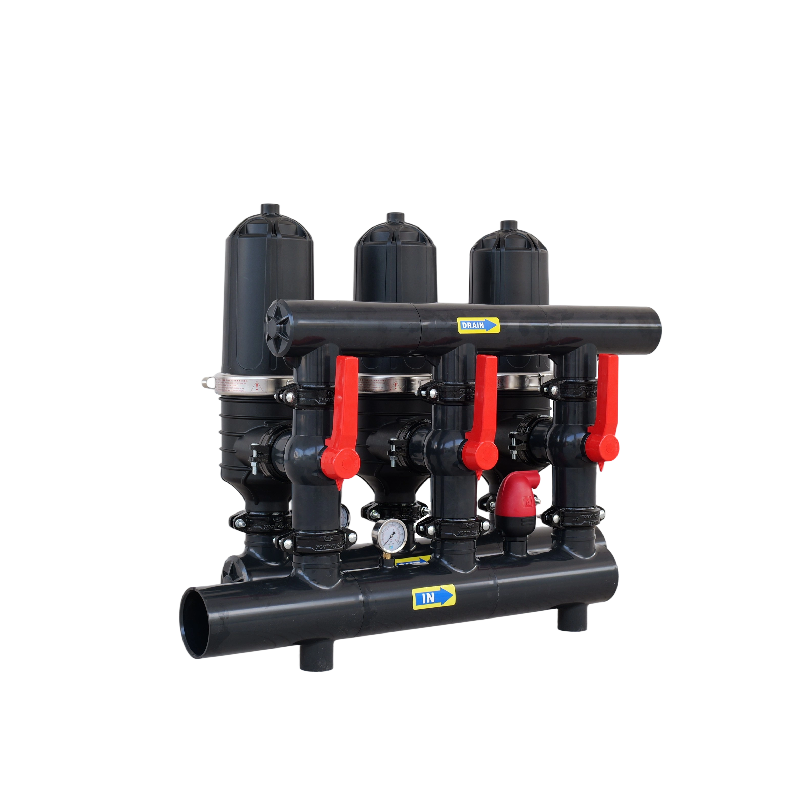
Advanced Drip Irrigation Automation Systems - Smart Water Management Solutions for Modern Agriculture

All Categories

Get a Free Quote

Our representative will contact you soon.
Email
Name
Whats App
Message
0/1000

drip irrigation automation

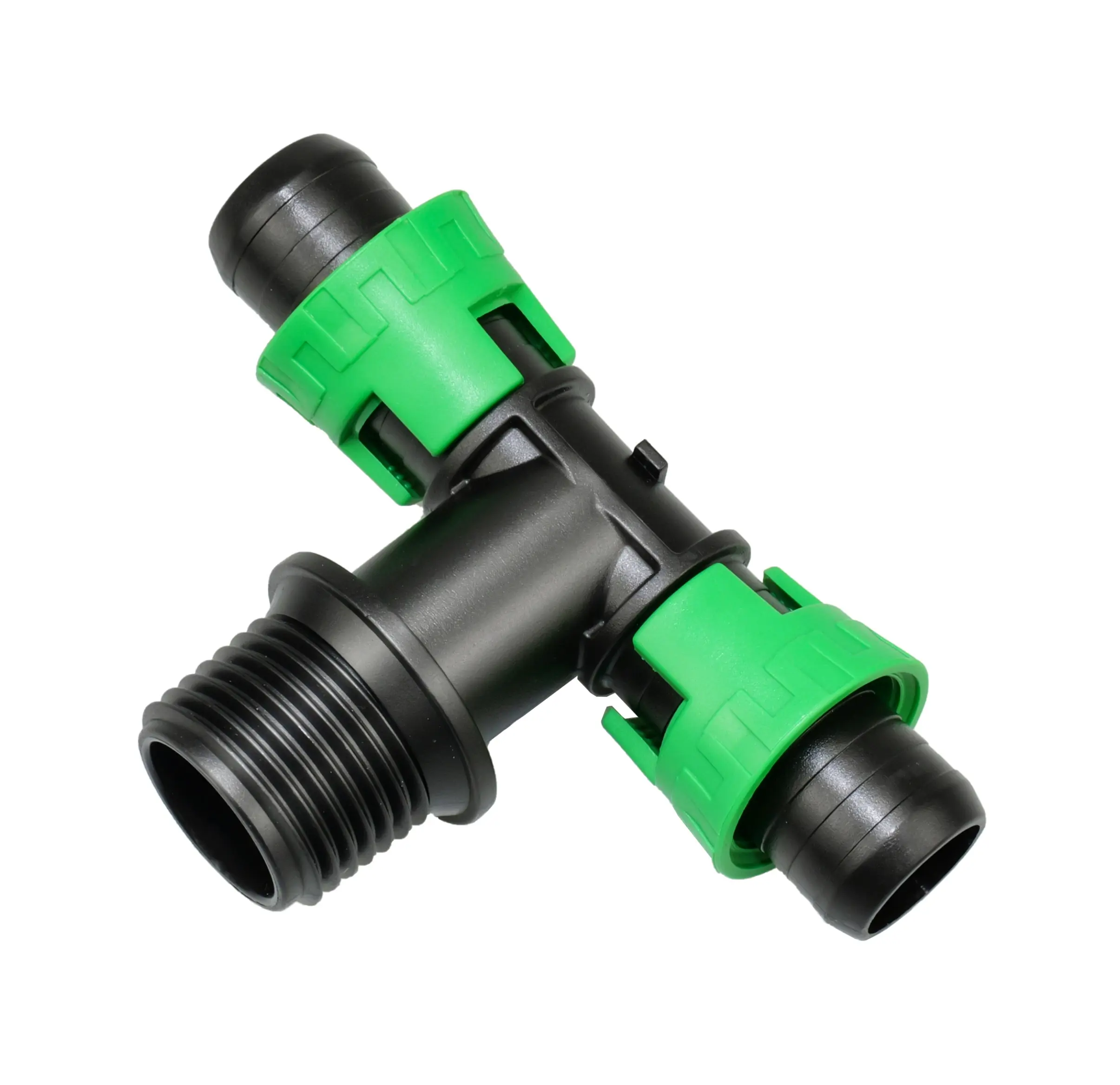
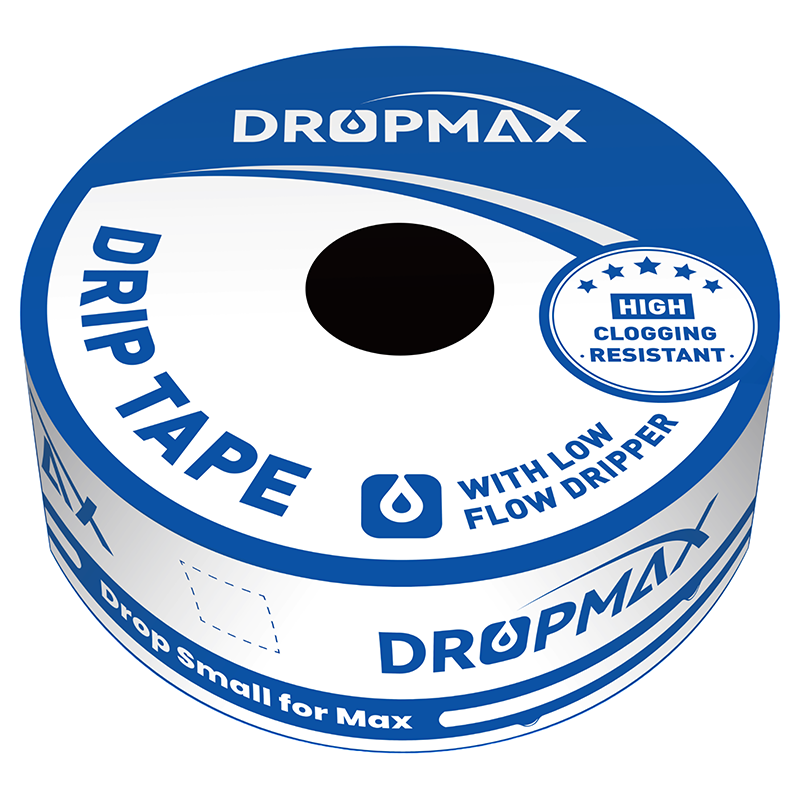

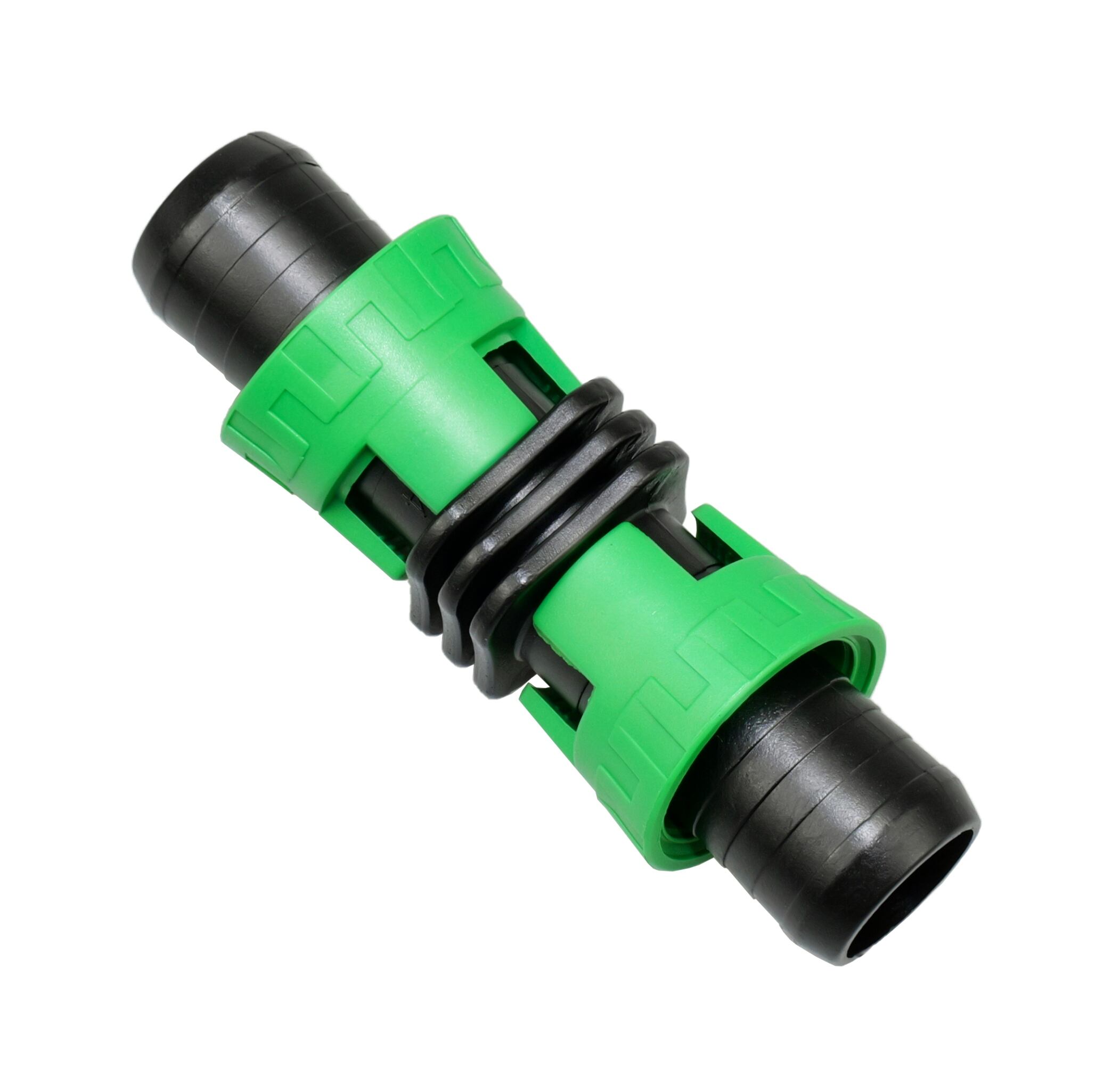
Drip irrigation automation represents a revolutionary advancement in modern agricultural water management, combining precision watering techniques with intelligent control systems to optimize crop production while conserving valuable water resources. This sophisticated technology delivers water directly to plant root zones through a network of tubes, emitters, and sensors, all controlled by automated systems that monitor soil conditions, weather patterns, and plant needs in real-time. The main functions of drip irrigation automation include precise water delivery scheduling, moisture level monitoring, nutrient distribution management, and remote system control capabilities. The technological features encompass smart sensors that measure soil moisture, temperature, and pH levels, programmable controllers that adjust watering schedules automatically, weather station integration for climate-responsive irrigation, and mobile applications that enable farmers to monitor and control their systems remotely. GPS-enabled zone mapping allows for customized irrigation patterns across different field areas, while flow meters and pressure sensors ensure optimal system performance and detect potential issues before they become problematic. Modern drip irrigation automation systems integrate seamlessly with existing farm management software, providing comprehensive data analytics and reporting capabilities. Applications span across various agricultural sectors, from small-scale vegetable gardens and greenhouses to large commercial farms growing fruits, vegetables, nuts, and field crops. Vineyard owners utilize these systems for precise grape cultivation, while greenhouse operators rely on automated drip irrigation for consistent plant growth in controlled environments. The technology proves particularly valuable in arid regions where water conservation is critical, urban farming initiatives where space and resources are limited, and organic farming operations that require careful nutrient management. Professional landscaping projects also benefit from drip irrigation automation, maintaining golf courses, public parks, and commercial properties efficiently while reducing labor costs and ensuring consistent plant health across diverse terrain and plant varieties.
New Products

Drip irrigation automation delivers substantial water conservation benefits, typically reducing water consumption by 30-50 percent compared to traditional sprinkler systems while maintaining or improving crop yields. This efficiency stems from targeted water delivery directly to root zones, eliminating waste from evaporation, runoff, and overwatering. Farmers save significant money on water bills, energy costs, and labor expenses through automated scheduling that eliminates the need for manual irrigation monitoring and adjustment. The precision timing capabilities ensure plants receive optimal moisture levels throughout their growth cycles, resulting in healthier crops with improved quality, size, and market value. Labor cost reduction represents another major advantage, as automation eliminates daily irrigation tasks, allowing farm workers to focus on other essential activities while the system operates independently. The technology provides consistent watering schedules regardless of weather conditions, holidays, or staff availability, ensuring crops never experience stress from irregular irrigation patterns. Enhanced crop quality emerges from steady moisture levels that prevent plant stress, reduce disease occurrence, and promote uniform growth patterns that increase harvest yields and product consistency. The automation systems prevent both underwatering and overwatering conditions that can damage crops, reduce productivity, or create favorable environments for plant diseases and pest infestations. Remote monitoring capabilities allow farmers to oversee multiple field locations from a single control point, making it practical to manage larger agricultural operations efficiently. Data collection features provide valuable insights into irrigation patterns, soil conditions, and plant responses, enabling farmers to make informed decisions about crop management strategies and resource allocation. Environmental benefits include reduced fertilizer runoff into groundwater systems, decreased soil erosion from excessive surface watering, and lower overall environmental impact through efficient resource utilization. The systems adapt automatically to changing weather conditions, increasing watering during dry periods and reducing irrigation during rainy seasons, optimizing resource usage while maintaining plant health. Installation flexibility allows customization for various crop types, field sizes, and terrain conditions, making drip irrigation automation suitable for diverse agricultural applications from small family farms to large commercial operations.

Practical Tips

Low-Flow Drip Irrigation: A Game-Changer for Efficient Water Use in Modern Agriculture

12

Dec

Low-Flow Drip Irrigation: A Game-Changer for Efficient Water Use in Modern Agriculture

View More
Reinforced Drip Tape for Sloped Terrain Farming Applications

23

Jul

Reinforced Drip Tape for Sloped Terrain Farming Applications

Explore the challenges of slope irrigation with drip tape, focusing on gravity's impact, runoff risks, pressure management, and effective solutions like pressure-compensating emitters. Perfect resource for improving agricultural efficiency on sloped terrain.
View More
How Does Agricultural Irrigation Improve Crop Yields?

29

Aug

How Does Agricultural Irrigation Improve Crop Yields?

View More
What Is Drip Tape and How Does It Support Irrigation

05

Sep

What Is Drip Tape and How Does It Support Irrigation

Discover how drip tape irrigation boosts water efficiency by up to 95%, improves crop yields, and reduces costs. Learn about installation, benefits, and smart integration. Explore solutions now.
View More

Get a Free Quote

Our representative will contact you soon.
Email
Name
Company Name
Message
0/1000

drip irrigation automation

Smart Sensor Technology and Real-Time Monitoring

Smart Sensor Technology and Real-Time Monitoring

The cornerstone of modern drip irrigation automation lies in its sophisticated smart sensor technology that provides continuous real-time monitoring of critical growing conditions. These advanced sensors measure soil moisture content at multiple depths, ensuring precise understanding of water availability throughout the root zone rather than relying on surface-level assessments that can be misleading. Temperature sensors monitor both soil and ambient air conditions, allowing the system to adjust watering schedules based on evapotranspiration rates and plant stress indicators. pH monitoring capabilities ensure optimal nutrient uptake conditions, automatically alerting operators when soil acidity levels fall outside acceptable ranges for specific crops. The integration of weather station data provides comprehensive environmental monitoring, incorporating rainfall predictions, humidity levels, wind speed, and solar radiation measurements into irrigation decisions. This multi-parameter approach eliminates guesswork from irrigation management, replacing manual observation with precise, scientific measurements that respond to plant needs in real-time. The sensors communicate wirelessly with central control units, creating a network of data points across the entire growing area that provides detailed insights into microclimatic variations within fields. Advanced algorithms process this sensor data continuously, learning patterns and predicting optimal irrigation timing based on historical performance and current conditions. The technology includes leak detection sensors that identify system malfunctions immediately, preventing water waste and potential crop damage from equipment failures. Salinity sensors monitor salt accumulation in soil, particularly important in arid regions where mineral buildup can harm plant growth over time. The real-time data collection enables predictive maintenance scheduling, identifying components that may require attention before failures occur, reducing system downtime and maintenance costs. Mobile alerts notify operators immediately when sensor readings indicate urgent attention is needed, ensuring rapid response to changing conditions even when personnel are off-site.
Customizable Zone Control and Precision Water Delivery

Customizable Zone Control and Precision Water Delivery

Drip irrigation automation excels in providing customizable zone control that delivers precise water amounts to different areas based on specific crop requirements, soil conditions, and topographical variations. This sophisticated zoning capability allows farmers to divide their fields into multiple irrigation zones, each with independent control parameters tailored to the unique needs of different crop varieties, growth stages, or soil types within the same agricultural operation. The system can simultaneously manage dozens of zones, delivering varying water volumes, frequencies, and durations to optimize growing conditions for each specific area. GPS-enabled mapping technology creates detailed field layouts that identify elevation changes, soil composition variations, and drainage patterns, enabling the automation system to adjust water delivery accordingly. Slope compensation features automatically increase irrigation duration for elevated areas where drainage occurs more rapidly, while reducing watering in low-lying areas prone to water accumulation. The precision delivery mechanisms include pressure-compensating emitters that ensure uniform water distribution regardless of elevation differences or distance from water sources. Variable flow rate capabilities allow operators to adjust water delivery from gentle drips for seedlings to higher volumes for mature plants with extensive root systems. Programmable scheduling enables different irrigation cycles throughout the day, accommodating peak plant uptake periods while avoiding irrigation during hot midday hours when evaporation rates are highest. The zone control system integrates seamlessly with fertigation capabilities, delivering customized nutrient solutions to specific crop areas based on growth stage requirements and soil test results. Advanced filtering systems maintain emitter performance by preventing clogging from particles or mineral deposits, ensuring consistent water delivery throughout the growing season. The technology supports both permanent installations for perennial crops and flexible configurations for annual plantings, accommodating changing farm layouts and crop rotation schedules without requiring complete system redesigns.
Energy Efficiency and Cost-Effective Operation

Energy Efficiency and Cost-Effective Operation

Modern drip irrigation automation systems demonstrate exceptional energy efficiency through intelligent pump management, optimized pressure regulation, and strategic timing controls that significantly reduce operational costs while maintaining superior irrigation performance. The automated systems minimize energy consumption by operating pumps during off-peak electricity hours when utility rates are lowest, scheduling irrigation cycles during early morning or evening periods when atmospheric conditions reduce evaporation losses. Variable frequency drives adjust pump speeds automatically based on system demand, eliminating energy waste from constant high-speed operation when lower flow rates suffice for current irrigation needs. Pressure regulation technology maintains optimal system pressure without over-pressurization that wastes energy and can damage delicate emitters or plant root systems. The automation eliminates human error in system operation, preventing costly mistakes such as forgotten irrigation cycles that waste water and energy or missed watering sessions that stress crops and reduce yields. Maintenance scheduling algorithms predict optimal service intervals based on actual system usage rather than arbitrary time schedules, reducing unnecessary maintenance costs while preventing expensive emergency repairs from component failures. The systems provide detailed energy consumption reporting that identifies opportunities for further efficiency improvements and tracks cost savings achieved through automated operation compared to manual irrigation management. Solar panel integration capabilities allow systems to operate partially or completely on renewable energy, reducing dependence on grid electricity while providing reliable irrigation in remote locations where power infrastructure may be limited or expensive. Battery backup systems ensure continuous operation during power outages, protecting valuable crops from irrigation interruptions that could cause significant financial losses. Water recycling features capture and reuse drainage water where appropriate, reducing both water costs and waste disposal expenses while maintaining environmental compliance. The long-term durability of automated components reduces replacement costs compared to manual systems that experience more frequent wear from constant human operation and adjustment, providing superior return on investment through extended equipment lifespans and reduced maintenance requirements.

Get a Free Quote

Our representative will contact you soon.
Email
Name
Company Name
Message
0/1000