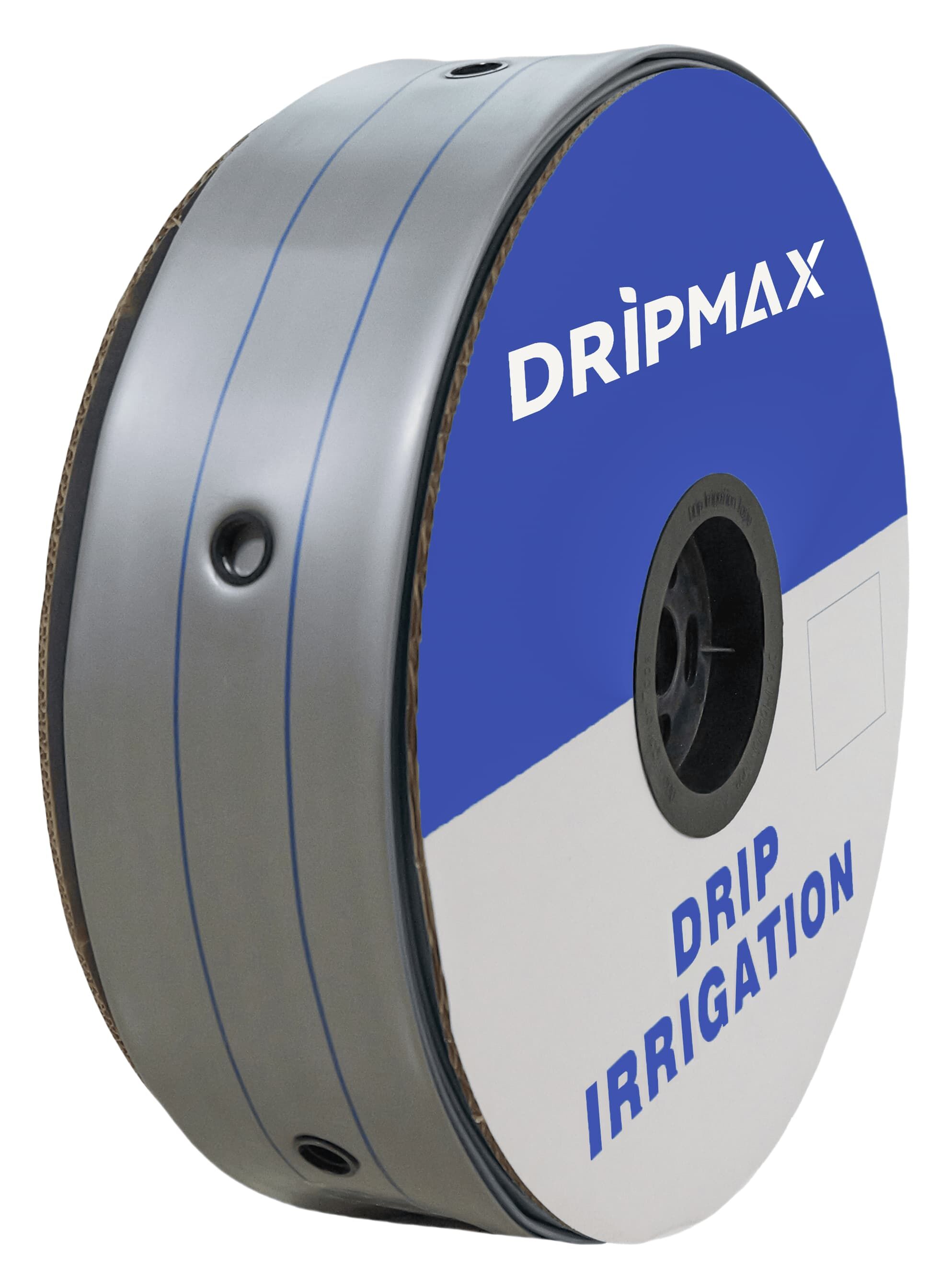
Advanced Irrigation Automation Systems - Smart Water Management Solutions

All Categories

Get a Free Quote

Our representative will contact you soon.
Email
Name
Whats App
Message
0/1000

irrigation automation

Irrigation automation represents a revolutionary approach to modern water management, transforming traditional farming and landscaping practices through intelligent technology integration. This sophisticated system combines sensors, controllers, and automated valves to deliver precise water distribution without constant human intervention. The core functionality centers around monitoring soil moisture levels, weather conditions, and plant requirements to determine optimal watering schedules and durations. Advanced irrigation automation systems utilize smart controllers that process real-time data from multiple sensors placed throughout the coverage area. These sensors measure soil humidity, ambient temperature, rainfall, and even wind speed to calculate exact water needs. The technological infrastructure includes programmable timers, electromagnetic valves, pressure regulators, and flow meters that work together to maintain consistent water delivery. Modern irrigation automation incorporates wireless connectivity, enabling remote monitoring and control through smartphone applications or web-based platforms. Users can adjust settings, receive alerts about system malfunctions, and track water consumption patterns from anywhere with internet access. The system's adaptability allows customization for various applications, from residential gardens to commercial agricultural operations. Weather integration features automatically adjust watering schedules based on meteorological forecasts, preventing unnecessary irrigation during rainy periods. Multi-zone capability enables different areas to receive customized watering programs based on plant types, sun exposure, and soil conditions. The automation process eliminates guesswork by using scientific data to make watering decisions, ensuring plants receive optimal hydration while preventing overwatering or drought stress. Installation flexibility accommodates existing sprinkler systems or new installations, making irrigation automation accessible for both retrofit projects and new constructions across diverse landscapes and agricultural environments.

New Product Releases

Irrigation automation delivers substantial water conservation benefits by eliminating wasteful overwatering and ensuring precise application rates. Traditional manual watering often results in 30-50 percent water waste through improper timing, excessive duration, or inadequate coverage patterns. Automated systems reduce water consumption by applying exact amounts based on actual plant needs and environmental conditions. This precision translates into significant cost savings on monthly water bills, with many users reporting 20-40 percent reductions in water expenses within the first year. Time savings represent another major advantage, freeing property owners from daily watering routines and vacation scheduling concerns. Business owners and homeowners no longer need to wake up early or interrupt activities to manage irrigation tasks. The system operates independently, maintaining landscapes during absences without requiring neighbors or caretakers to handle watering responsibilities. Plant health improvements occur naturally when irrigation automation provides consistent moisture levels without the stress of irregular watering patterns. Consistent soil moisture promotes stronger root development, improved nutrient uptake, and enhanced disease resistance. Automated systems prevent common watering mistakes such as shallow daily watering that encourages weak surface roots instead of deep, drought-resistant root systems. Property value enhancement results from maintaining lush, healthy landscapes year-round without seasonal decline from inconsistent care. Well-maintained irrigation systems demonstrate property investment and reduce maintenance concerns for potential buyers. Energy efficiency benefits emerge from optimized pump operation and reduced system strain through proper pressure management and zone sequencing. Modern controllers integrate with smart home systems, allowing coordination with other automated features for comprehensive property management. Weather responsiveness prevents irrigation during storms or freezing conditions, protecting both plants and system components from damage. The technology adapts to seasonal changes automatically, adjusting schedules for varying daylight hours and temperature fluctuations without manual reprogramming.

Latest News

Introducing the RAFA Flexible Pipe: A New Standard in Efficient Irrigation

12

Dec

Introducing the RAFA Flexible Pipe: A New Standard in Efficient Irrigation

View More
Durable Drip Tape Solutions for Efficient Agricultural Irrigation Systems

Durable Drip Tape Solutions for Efficient Agricultural Irrigation Systems

Explore the benefits and techniques of drip tape irrigation systems in modern agriculture. Learn how these systems improve water efficiency, crop yield, and sustainability while reducing waste and fostering environmental stewardship.
View More
Water-Saving Drip Tape Technology Reduces Agricultural Costs

16

Jun

Water-Saving Drip Tape Technology Reduces Agricultural Costs

Discover the mechanics of drip tape technology, its components, and the benefits of smart integration with modern agriculture. Learn about the future innovations in water-efficient farming for sustainable practices.
View More
How DripMax's Agricultural Irrigation Systems Boost Productivity

23

Jul

How DripMax's Agricultural Irrigation Systems Boost Productivity

Explore the comprehensive guide to drip irrigation technology, its role in modern agriculture, and the advancements made by systems like DripMax. Discover how this method optimizes water use, enhances crop yields, and supports sustainable practices in farming.
View More

Get a Free Quote

Our representative will contact you soon.
Email
Name
Company Name
Message
0/1000

irrigation automation

Smart Weather Integration and Adaptive Scheduling

Smart Weather Integration and Adaptive Scheduling

The smart weather integration feature stands as the cornerstone of modern irrigation automation, revolutionizing how watering schedules adapt to environmental conditions. This advanced capability connects your irrigation system directly to local meteorological data sources, creating a dynamic response network that continuously monitors atmospheric conditions. The system processes multiple weather parameters including rainfall amounts, humidity levels, temperature fluctuations, wind speeds, and evapotranspiration rates to calculate precise irrigation requirements. When rain is detected or forecasted, the automation immediately suspends scheduled watering cycles, preventing water waste and plant oversaturation. The intelligence extends beyond simple rain delays, incorporating soil saturation modeling that considers how different soil types retain moisture after precipitation events. Clay soils require longer delays between watering cycles compared to sandy soils, and the system automatically adjusts based on your specific soil composition data. Seasonal adaptations occur seamlessly as the weather integration recognizes changing daylight hours, temperature patterns, and plant dormancy periods. During hot summer months, the system increases watering frequency and duration while shifting schedules to early morning hours for optimal absorption and minimal evaporation. Conversely, cooler autumn weather triggers reduced watering cycles and adjusted timing to match slower plant metabolism and lower evaporation rates. The predictive capabilities analyze weather forecasts up to seven days in advance, preemptively adjusting irrigation schedules to account for expected rainfall or temperature extremes. This forward-thinking approach prevents both drought stress and waterlogging while maintaining consistent plant health throughout seasonal transitions. Emergency weather protocols activate during extreme conditions, such as freezing temperatures or severe storms, protecting irrigation components and preventing system damage. The integration works continuously in the background, making thousands of micro-adjustments annually that would be impossible to manage manually while ensuring optimal plant health and maximum water efficiency.
Multi-Zone Precision Control and Customization

Multi-Zone Precision Control and Customization

Multi-zone precision control represents the sophisticated heart of irrigation automation, enabling individualized watering programs for different areas within a single property. This technology recognizes that landscapes consist of diverse microclimates, plant varieties, and soil conditions that require tailored irrigation approaches. Each zone operates independently with customizable settings for frequency, duration, start times, and seasonal adjustments based on specific area requirements. The system accommodates up to 16 or more zones depending on the controller model, allowing detailed management of front yards, back gardens, vegetable plots, flower beds, and lawn areas simultaneously. Zone customization considers multiple factors including plant water requirements, sun exposure patterns, soil drainage characteristics, and slope gradients that affect water retention. Drought-tolerant plants in zone one might receive deep, infrequent watering every three days, while moisture-loving vegetables in zone two could be programmed for daily light applications. The precision extends to nozzle selection and pressure optimization for each zone, ensuring proper coverage patterns and application rates. Drip irrigation zones deliver slow, targeted watering directly to root zones, while spray zones provide broader coverage for lawn areas with appropriate precipitation rates. Advanced controllers remember seasonal preferences for each zone, automatically transitioning between summer and winter programs without losing customized settings. The system tracks water usage by zone, providing detailed consumption reports that help identify inefficient areas or equipment malfunctions. Smart diagnostics monitor flow rates and pressure levels in each zone, alerting users to broken sprinkler heads, clogged emitters, or valve malfunctions before they cause plant damage or water waste. Zone scheduling flexibility allows staggered start times that prevent pressure drops and ensure adequate flow rates throughout the system. This intelligent sequencing prevents multiple high-demand zones from operating simultaneously, maintaining optimal performance while reducing strain on pumps and water supplies.
Remote Monitoring and Mobile Control Capabilities

Remote Monitoring and Mobile Control Capabilities

Remote monitoring and mobile control capabilities transform irrigation automation from a set-and-forget system into a fully interactive management platform accessible from anywhere in the world. This connectivity revolution enables real-time system oversight through dedicated smartphone applications and web-based dashboards that provide comprehensive control and monitoring features. Users receive instant notifications about system status, including successful watering cycles, skipped schedules due to weather conditions, and equipment malfunctions requiring attention. The mobile interface displays current soil moisture readings, recent watering history, and upcoming scheduled events in an intuitive format that requires no technical expertise to understand. Emergency alerts immediately notify users of critical issues such as broken pipes, valve failures, or unusual water consumption patterns that might indicate system damage. GPS integration allows the mobile app to automatically adjust notification preferences based on user location, providing detailed alerts when at home and summary reports when traveling. The remote control functionality enables complete system management including starting or stopping individual zones, adjusting watering durations, and modifying schedules based on observed conditions or changing needs. Vacation mode settings allow users to temporarily modify all zones simultaneously, reducing watering frequency during extended absences while maintaining minimum plant survival requirements. Historical data tracking creates detailed reports showing water consumption patterns, system efficiency metrics, and cost savings achieved through automation. This information proves valuable for budgeting purposes and demonstrates the return on investment from irrigation automation installation. Integration with smart home platforms including Amazon Alexa, Google Assistant, and Apple HomeKit enables voice control functionality and coordination with other automated household systems. The cloud-based data storage ensures information remains accessible even during local internet outages, with systems automatically syncing once connectivity returns. Advanced users can access diagnostic information including valve operation times, pump cycles, and sensor calibration data for troubleshooting purposes or professional maintenance scheduling. The remote capabilities extend system lifespan by enabling proactive maintenance and immediate response to developing problems before they cause extensive damage or plant loss.

Get a Free Quote

Our representative will contact you soon.
Email
Name
Company Name
Message
0/1000