Advanced Greenhouse Irrigation Control Systems - Precision Water Management for Maximum Crop Yields

All Categories

Get a Free Quote

Our representative will contact you soon.
Email
Name
Whats App
Message
0/1000

greenhouse irrigation control

Greenhouse irrigation control represents a revolutionary advancement in modern agricultural technology, transforming how growers manage water distribution and plant nutrition in controlled environments. This sophisticated system integrates sensors, automated valves, timers, and monitoring devices to deliver precise irrigation scheduling based on real-time environmental conditions and plant requirements. The greenhouse irrigation control system operates through multiple interconnected components that work harmoniously to optimize water usage while maximizing crop yields. Central processing units collect data from soil moisture sensors, temperature gauges, humidity monitors, and light meters to calculate optimal watering schedules. These systems can manage multiple irrigation zones simultaneously, allowing different crops with varying water needs to coexist within the same greenhouse facility. Advanced greenhouse irrigation control platforms feature programmable interfaces that enable growers to customize watering patterns, adjust nutrient concentrations, and modify irrigation frequency based on seasonal changes or specific growth stages. The technology incorporates fail-safe mechanisms and backup systems to prevent crop damage during equipment malfunctions or power outages. Modern greenhouse irrigation control systems support various irrigation methods including drip irrigation, misting systems, overhead sprinklers, and hydroponic nutrient delivery networks. Integration capabilities allow these systems to connect with climate control equipment, ventilation systems, and lighting controls for comprehensive greenhouse automation. Remote monitoring features enable growers to supervise operations from smartphones, tablets, or computers, providing alerts for system anomalies or maintenance requirements. Data logging functions track irrigation patterns, water consumption, and plant response metrics to support evidence-based growing decisions and regulatory compliance reporting.
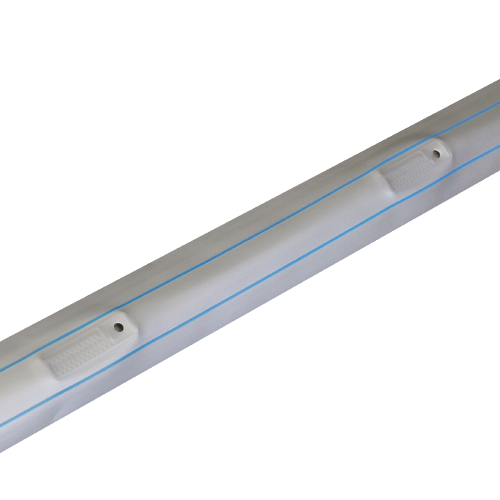
New Product Releases

Greenhouse irrigation control delivers substantial water conservation benefits by eliminating overwatering and reducing waste through precise delivery mechanisms. Traditional manual watering methods often result in uneven distribution and excessive water usage, while automated greenhouse irrigation control systems apply exact amounts based on measured soil conditions and environmental factors. This precision approach typically reduces water consumption by thirty to fifty percent compared to conventional irrigation practices. Labor cost reduction represents another significant advantage, as greenhouse irrigation control systems operate autonomously without constant human supervision. Growers can redirect staff to other critical tasks while the system manages routine watering schedules, monitoring multiple greenhouse sections simultaneously. Enhanced crop quality emerges from consistent moisture levels and nutrient delivery that greenhouse irrigation control provides. Plants receive optimal hydration without stress periods caused by irregular watering patterns, resulting in healthier root systems, improved fruit quality, and higher market values. Increased productivity occurs when plants maintain ideal growing conditions throughout their lifecycle. Greenhouse irrigation control systems prevent both drought stress and waterlogged conditions that commonly reduce yields in manual irrigation scenarios. Disease prevention benefits arise from controlled moisture application that reduces leaf wetness and creates unfavorable conditions for fungal pathogens. Targeted root zone irrigation minimizes surface moisture that encourages bacterial growth and pest infestations. Energy efficiency improvements result from optimized pump operation and reduced heating requirements for water temperature regulation. Greenhouse irrigation control systems coordinate with heating systems to utilize warm water during cooler periods, reducing overall energy costs. Real-time monitoring capabilities allow immediate response to equipment failures or environmental changes, preventing crop losses that could devastate entire growing seasons. Data collection features support continuous improvement initiatives by tracking performance metrics, identifying optimization opportunities, and validating growing protocols for future seasons.

Tips And Tricks

Small Products Play a Crucial Role in Drip Irrigation Systems: Lock Ring Connectors for Drip Tape

15

Apr

Small Products Play a Crucial Role in Drip Irrigation Systems: Lock Ring Connectors for Drip Tape

View More
Flexible Lay Flat Hose: Ultimate Guide for Farm Water Management

16

Jun

Flexible Lay Flat Hose: Ultimate Guide for Farm Water Management

Explore the benefits of lay flat hoses for farm water management, focusing on efficient water distribution, durability, cost-effectiveness, technical specifications, and integration with drip irrigation systems. Enhance your agricultural productivity with lay flat hoses.
View More
 Comparing Traditional vs. Modern Drip Irrigation Tape Systems

23

Jul

Comparing Traditional vs. Modern Drip Irrigation Tape Systems

Discover the key differences between traditional and modern drip irrigation systems, highlighting water efficiency, technological advancements, and cost-effectiveness. Learn how modern systems improve water conservation, crop yield, and sustainability in agriculture.
View More
Why Is Drip Irrigation Ideal for Water Conservation?

29

Aug

Why Is Drip Irrigation Ideal for Water Conservation?

View More

Get a Free Quote

Our representative will contact you soon.
Email
Name
Company Name
Message
0/1000

greenhouse irrigation control

Precision Water Management Technology

Precision Water Management Technology

The precision water management capability of greenhouse irrigation control systems revolutionizes how agricultural facilities optimize resource utilization while maximizing plant health and productivity. This advanced technology employs sophisticated sensor networks that continuously monitor soil moisture content, ambient humidity levels, temperature variations, and plant transpiration rates to calculate exact irrigation requirements for different crop zones. Unlike traditional irrigation methods that rely on predetermined schedules or manual assessments, greenhouse irrigation control systems adapt dynamically to changing environmental conditions and plant needs throughout each growing cycle. The precision delivery mechanisms include micro-drip emitters, pressure-compensating nozzles, and calibrated flow meters that ensure uniform water distribution across diverse growing areas. This technological approach eliminates common problems associated with manual watering, such as overwatered sections that promote root rot and underwatered areas that stress plants and reduce yields. Advanced algorithms process multiple data inputs simultaneously, factoring in weather forecasts, seasonal growth patterns, and specific crop requirements to optimize irrigation timing and duration. The system can distinguish between different plant varieties within the same greenhouse, applying customized watering protocols that account for varying root depths, water uptake rates, and growth stages. Integration with nutrient injection systems allows precise fertilizer delivery concurrent with irrigation events, ensuring plants receive balanced nutrition without waste or environmental contamination. Remote monitoring capabilities enable growers to track water usage patterns, identify system inefficiencies, and implement conservation strategies that reduce operational costs while maintaining optimal growing conditions. Emergency protocols automatically adjust irrigation schedules during equipment failures or extreme weather events, protecting valuable crops from damage while minimizing resource waste.
Automated Scheduling and Control Features

Automated Scheduling and Control Features

Automated scheduling and control features within greenhouse irrigation control systems provide unprecedented convenience and reliability for modern agricultural operations, eliminating the guesswork and inconsistencies associated with manual watering management. These sophisticated systems operate through programmable controllers that can manage complex irrigation schedules across multiple greenhouse zones, accommodating different crop types, growth stages, and environmental conditions simultaneously. The automation capabilities extend beyond simple timer functions to include intelligent decision-making processes that evaluate real-time sensor data against predetermined parameters and historical performance records. Greenhouse irrigation control systems can automatically adjust watering frequency, duration, and intensity based on factors such as solar radiation levels, ambient temperature fluctuations, wind conditions, and seasonal variations that affect plant water requirements. Advanced scheduling algorithms incorporate predictive analytics that anticipate irrigation needs based on weather forecasts, reducing unnecessary watering before rainfall events and increasing irrigation frequency during hot, dry periods. The control interface allows growers to establish multiple irrigation programs for different areas within the same facility, supporting diverse cropping systems and specialized growing requirements. Emergency override functions provide manual control options during system maintenance or unexpected situations while maintaining detailed logs of all irrigation events for analysis and compliance purposes. Integration capabilities connect greenhouse irrigation control systems with existing farm management software, climate control equipment, and monitoring networks to create comprehensive automation platforms. Customizable alert systems notify growers of system malfunctions, maintenance requirements, or unusual operating conditions through email, text messages, or smartphone applications. The automated features include self-diagnostic functions that monitor pump performance, valve operations, and sensor accuracy to prevent system failures before they impact crop production. Seasonal adjustment protocols automatically modify irrigation schedules as daylight hours change and temperature patterns shift throughout the year.
Enhanced Crop Quality and Yield Optimization

Enhanced Crop Quality and Yield Optimization

Enhanced crop quality and yield optimization represent the primary benefits that drive greenhouse irrigation control adoption among commercial growers seeking competitive advantages in demanding agricultural markets. Consistent moisture management provided by these systems creates ideal growing conditions that enable plants to reach their full genetic potential while minimizing stress factors that commonly reduce fruit quality, size, and shelf life. The precise water delivery mechanisms ensure uniform hydration across root zones, promoting balanced vegetative growth and reproductive development that translates into higher yields per square foot of greenhouse space. Greenhouse irrigation control systems prevent the moisture fluctuations that cause physiological disorders such as blossom end rot in tomatoes, tip burn in lettuce, and cracking in fruit crops that significantly impact marketability and grower profitability. Advanced nutrient management integration allows synchronized delivery of fertilizers with irrigation events, ensuring plants receive optimal nutrition ratios throughout their growth cycle without the salt buildup or nutrient deficiencies that occur with inconsistent manual applications. The technology supports precision agriculture principles by enabling growers to fine-tune growing conditions for specific varieties, market demands, and quality standards that command premium prices in wholesale and retail markets. Improved root zone management creates healthier plant systems with enhanced disease resistance, reduced transplant shock, and faster establishment periods that extend productive growing seasons. Harvest quality improvements include enhanced color development, improved sugar content, extended post-harvest life, and reduced mechanical damage susceptibility that increases market acceptance and customer satisfaction. Yield optimization features track production metrics against irrigation inputs, identifying correlation patterns that guide future growing decisions and operational improvements. Environmental stress reduction provided by consistent moisture availability enables plants to maintain photosynthetic efficiency during challenging conditions, supporting sustained growth rates and continuous production cycles that maximize facility utilization and return on investment for greenhouse operations.

Get a Free Quote

Our representative will contact you soon.
Email
Name
Company Name
Message
0/1000