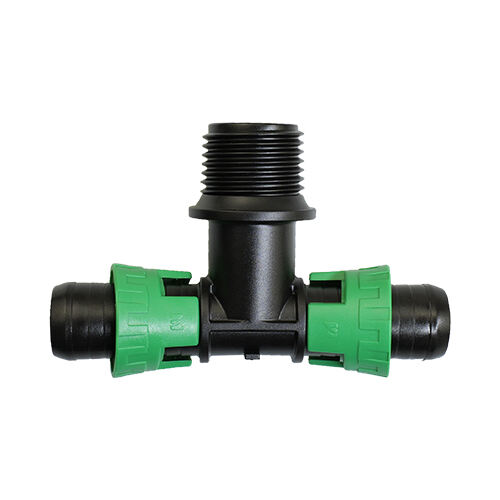
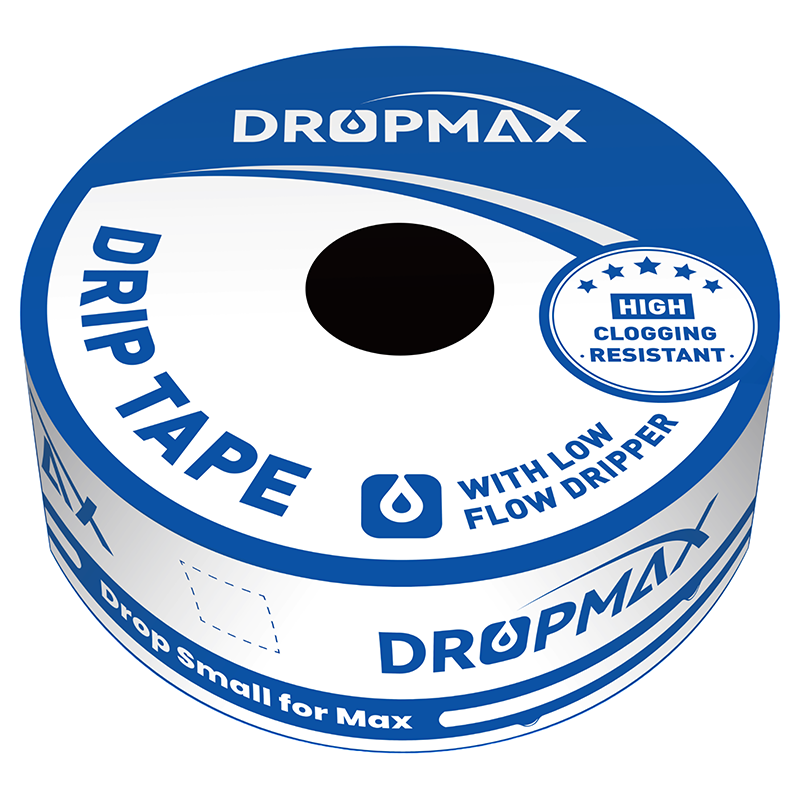

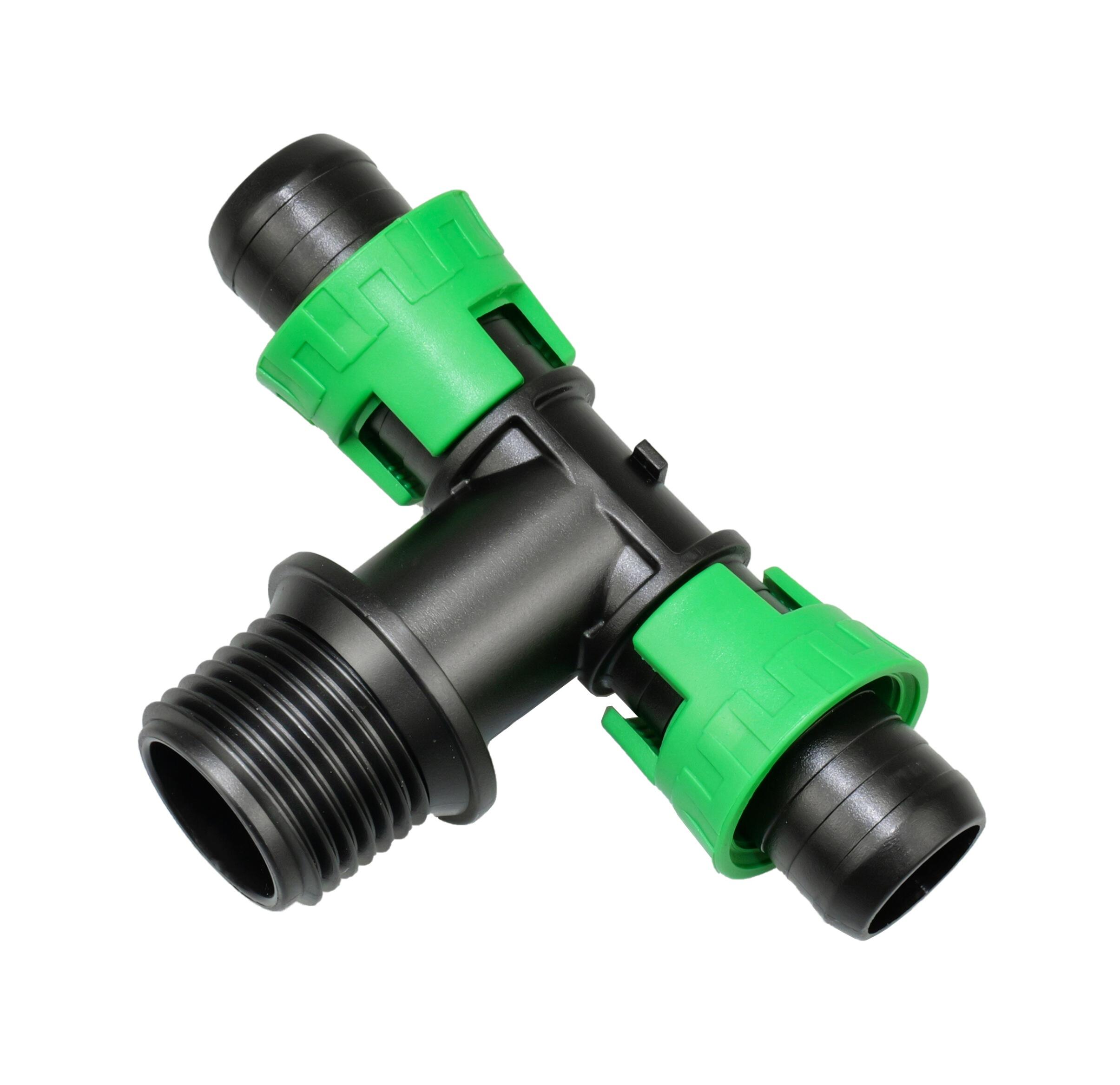
drip irrigation pipe fittings
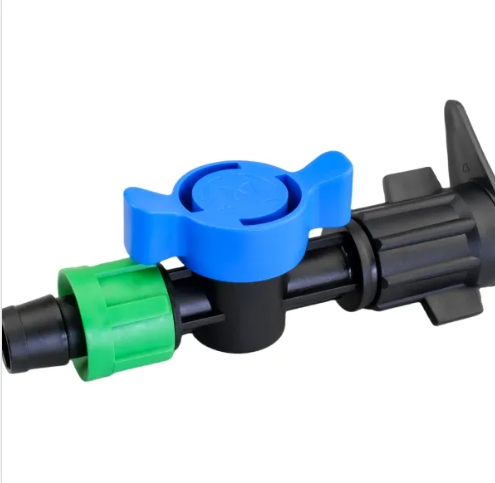
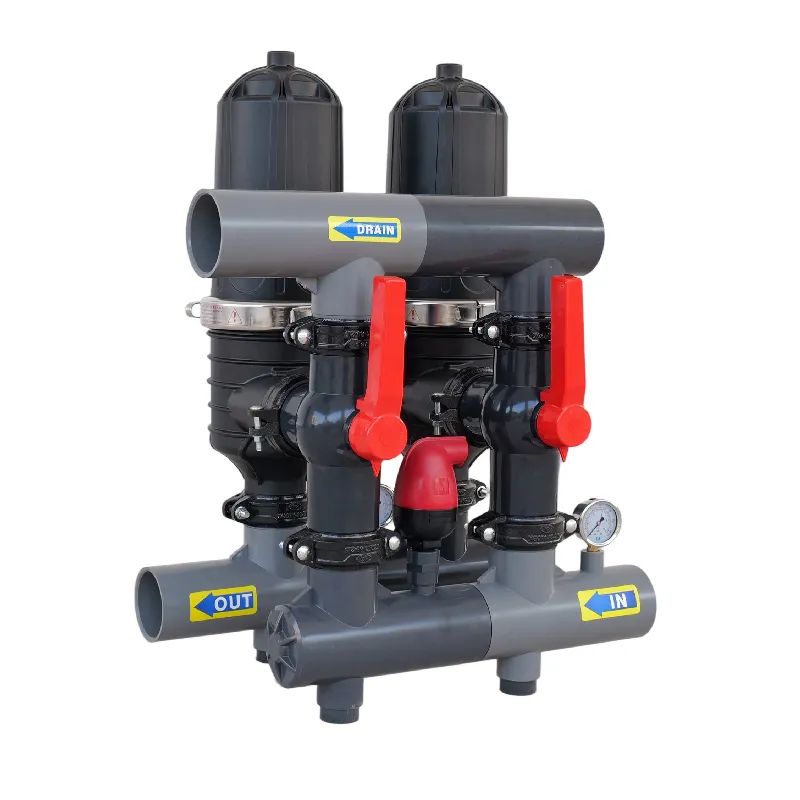
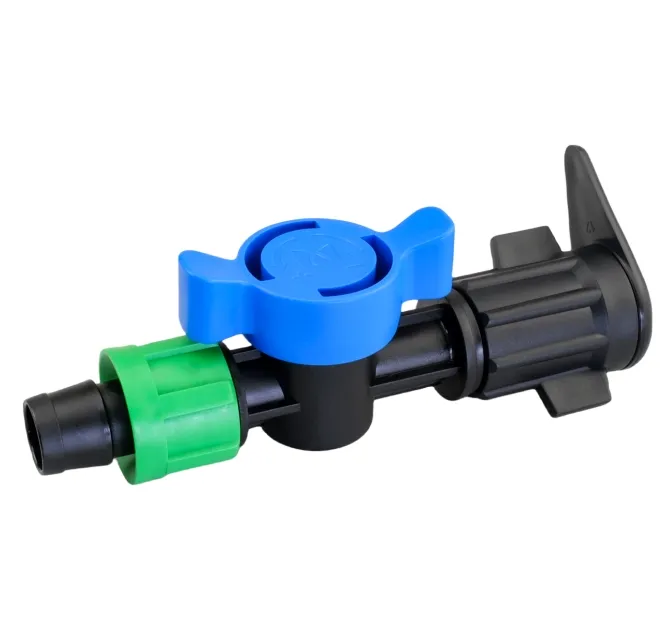
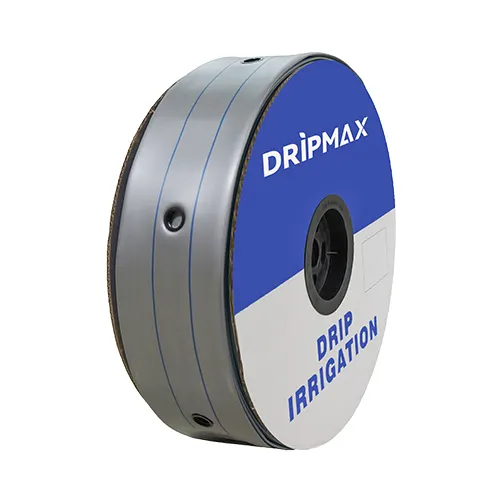
Drip irrigation pipe fittings represent the cornerstone of modern precision agriculture, serving as essential components that enable efficient water distribution systems across agricultural landscapes. These specialized connectors, couplers, and accessories form the critical infrastructure that transforms standard piping into sophisticated irrigation networks capable of delivering water directly to plant root zones with remarkable accuracy. The primary function of drip irrigation pipe fittings encompasses creating secure, leak-proof connections between various sections of irrigation tubing, facilitating pressure regulation, enabling directional water flow control, and providing maintenance access points throughout the entire system. Technological features of contemporary drip irrigation pipe fittings include advanced polymer construction materials that resist UV degradation, chemical corrosion, and temperature fluctuations commonly encountered in agricultural environments. Many fittings incorporate self-sealing mechanisms, barbed connection points for secure tube attachment, and standardized threading systems that ensure compatibility across different manufacturer products. The engineering behind these components focuses on maintaining consistent water pressure throughout the network while minimizing friction losses and preventing clogging incidents that could compromise irrigation effectiveness. Applications for drip irrigation pipe fittings span diverse agricultural sectors including commercial farming operations, greenhouse cultivation, landscape management, residential gardening, and specialty crop production facilities. These versatile components prove invaluable in establishing irrigation systems for row crops, orchards, vineyards, vegetable gardens, and ornamental plantings. The adaptability of drip irrigation pipe fittings allows farmers and growers to customize their water delivery systems according to specific crop requirements, terrain challenges, and operational constraints. Whether connecting main supply lines to distribution networks, creating branch circuits for targeted watering zones, or integrating filtration and fertilization equipment, these fittings provide the mechanical foundation that enables precise agricultural water management across various growing environments and cultivation methods.

 EN
EN