
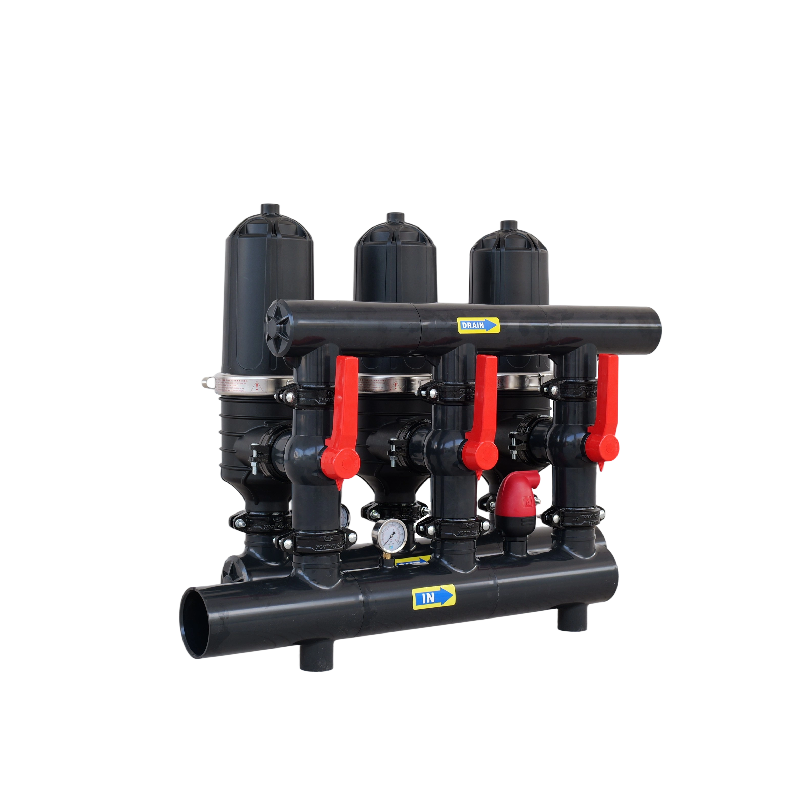
Advanced Drip Line Systems - Precision Irrigation Solutions for Maximum Water Efficiency and Crop Yields

All Categories

Get a Free Quote

Our representative will contact you soon.
Email
Name
Whats App
Message
0/1000

drip line systems

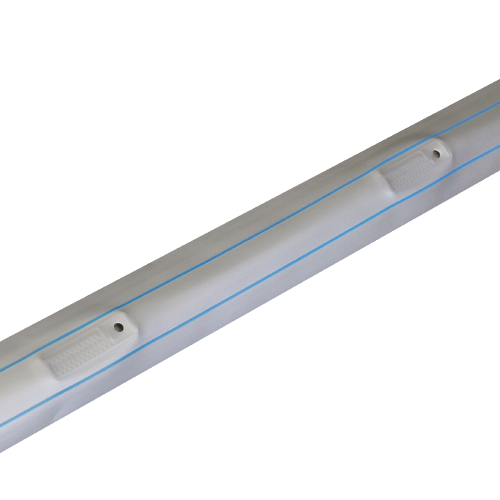
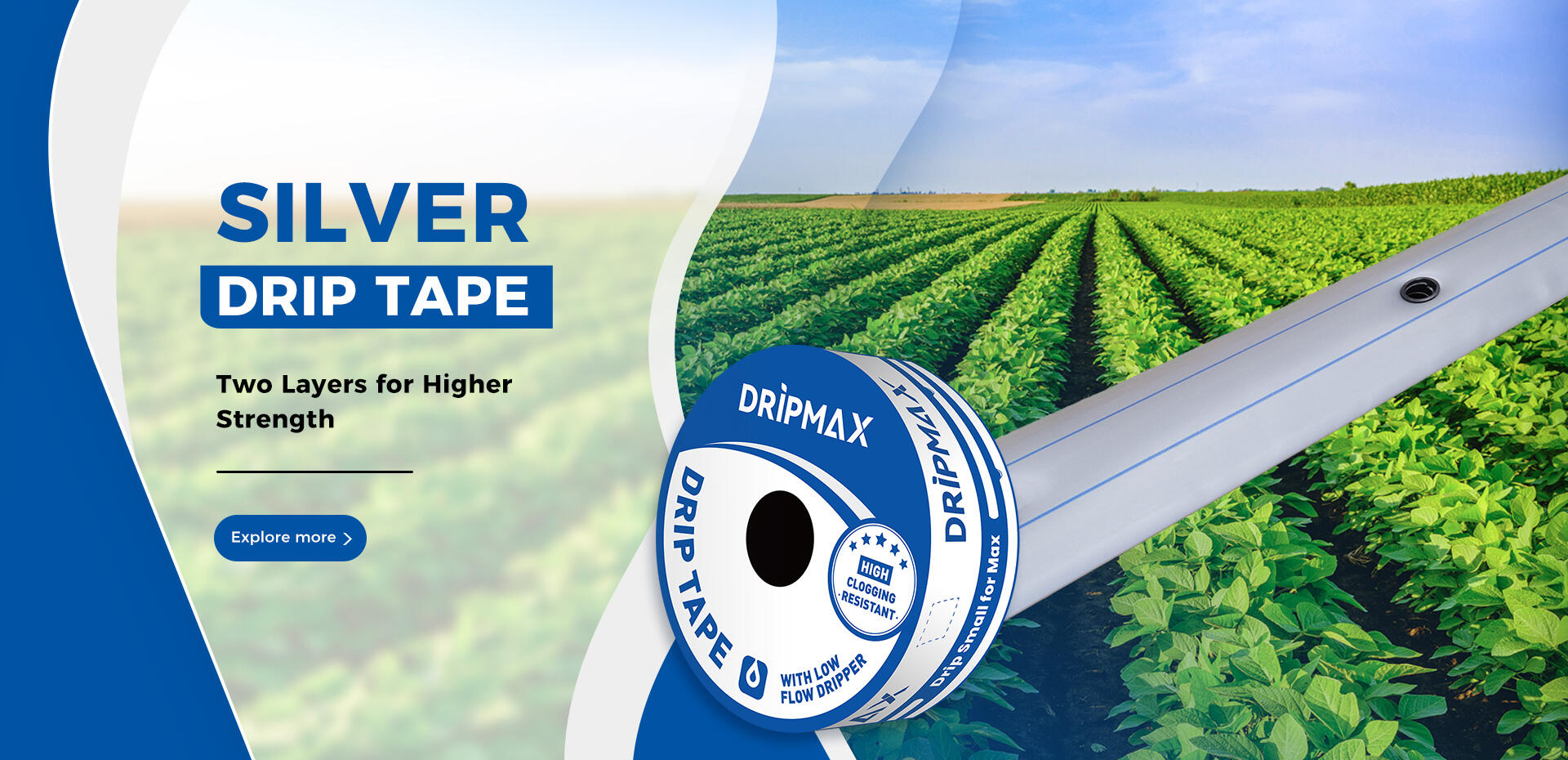
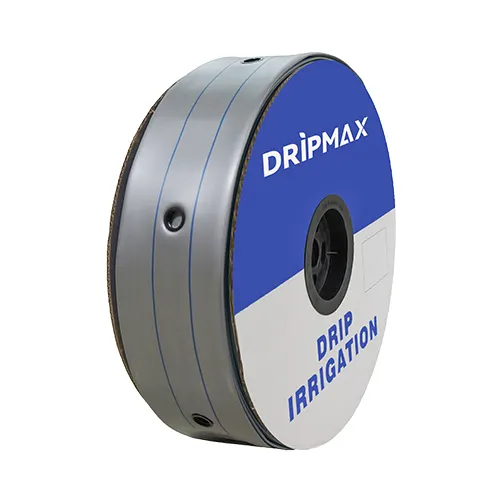
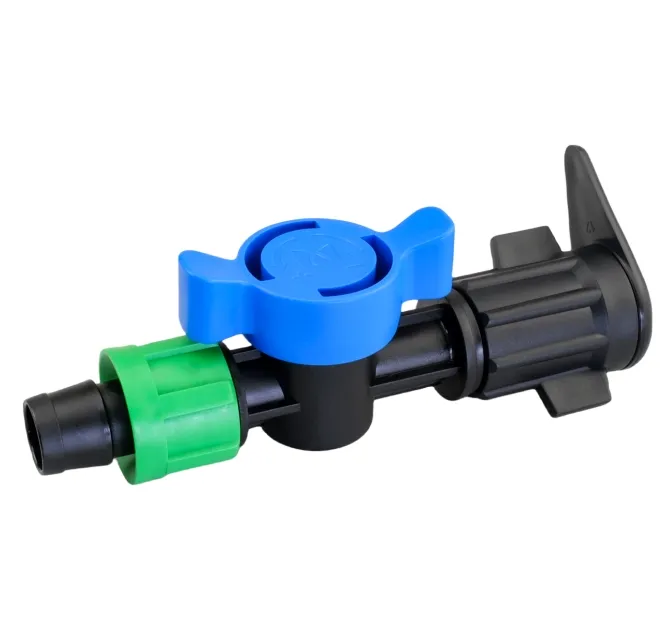
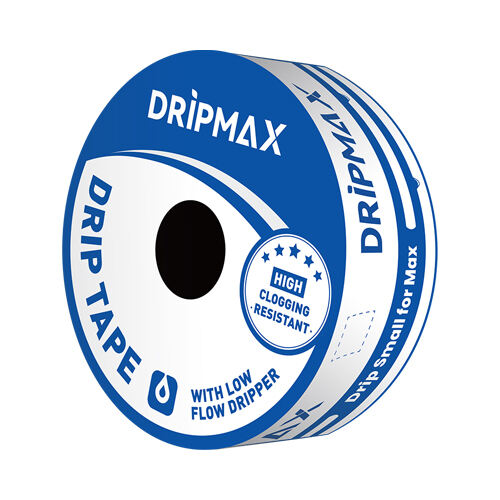
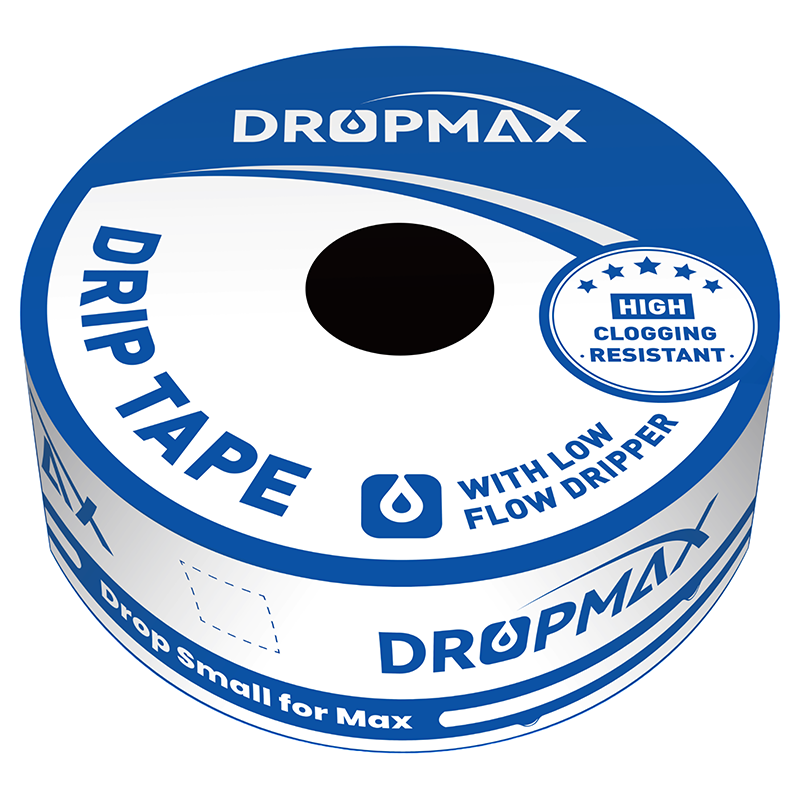
Drip line systems represent a revolutionary approach to modern irrigation, delivering water directly to plant root zones through a network of tubes, emitters, and specialized components. These sophisticated irrigation solutions utilize pressure-compensating technology to ensure uniform water distribution across varying terrains and elevation changes. The core functionality revolves around precise water delivery mechanisms that minimize waste while maximizing crop yield and plant health. Modern drip line systems incorporate advanced filtration systems, pressure regulators, and automated control units that monitor soil moisture levels and weather conditions. The technological framework includes durable polyethylene tubing, precision-engineered drippers, and smart controllers that integrate with mobile applications for remote monitoring. These systems excel in agricultural applications ranging from large-scale commercial farming operations to residential gardening projects. The versatility extends to greenhouse cultivation, landscape irrigation, and specialized horticultural environments where water conservation is paramount. Installation flexibility allows for surface mounting, subsurface placement, or elevated configurations depending on specific crop requirements and environmental conditions. The modular design enables easy expansion and customization to accommodate changing agricultural needs. Quality drip line systems feature UV-resistant materials, anti-clogging mechanisms, and temperature-compensating emitters that maintain consistent performance across seasonal variations. Integration capabilities with existing farm management systems provide comprehensive data analytics and irrigation scheduling optimization. The technology supports various crop types including row crops, orchards, vineyards, and specialty produce cultivation. Environmental sensors within advanced drip line systems collect real-time data on soil conditions, enabling precise irrigation timing and duration control that promotes optimal plant growth while conserving valuable water resources.

New Product Recommendations

Drip line systems deliver exceptional water conservation benefits, reducing consumption by up to 50 percent compared to traditional sprinkler methods through targeted root zone delivery that eliminates surface evaporation and runoff. This precision approach ensures plants receive optimal hydration while preventing water waste on non-productive areas. Energy efficiency represents another significant advantage, as these systems operate under lower pressure requirements, reducing pump energy consumption and operational costs substantially. The direct application method prevents weed growth between crop rows by limiting water availability to unwanted vegetation, reducing herbicide requirements and maintenance labor. Soil erosion prevention occurs naturally since water penetrates gradually into the ground rather than creating surface flow patterns that wash away valuable topsoil and nutrients. Nutrient management becomes more effective with drip line systems, allowing precise fertigation delivery that places fertilizers directly where roots can absorb them most efficiently. This targeted approach reduces fertilizer waste and prevents groundwater contamination from excess nutrients. Disease prevention improves dramatically because foliage remains dry during irrigation, reducing fungal infections and bacterial diseases that thrive in moist leaf environments. Labor cost reduction results from automated operation capabilities that eliminate manual watering tasks and reduce ongoing maintenance requirements. Crop yield improvements of 20 to 90 percent are commonly achieved through consistent moisture levels that optimize growing conditions throughout the entire growing season. Flexibility in timing allows irrigation during any weather conditions or time of day without concerns about leaf burn or water loss from wind drift. Salt management becomes more manageable in areas with saline water sources, as the continuous leaching action prevents salt accumulation around root zones. System longevity extends operational life through reduced wear on components operating under lower pressure conditions. Installation versatility accommodates irregular field shapes, sloped terrain, and existing infrastructure without major modifications. Weather independence ensures consistent irrigation regardless of wind conditions, humidity levels, or temperature fluctuations that affect traditional sprinkler systems.

Practical Tips

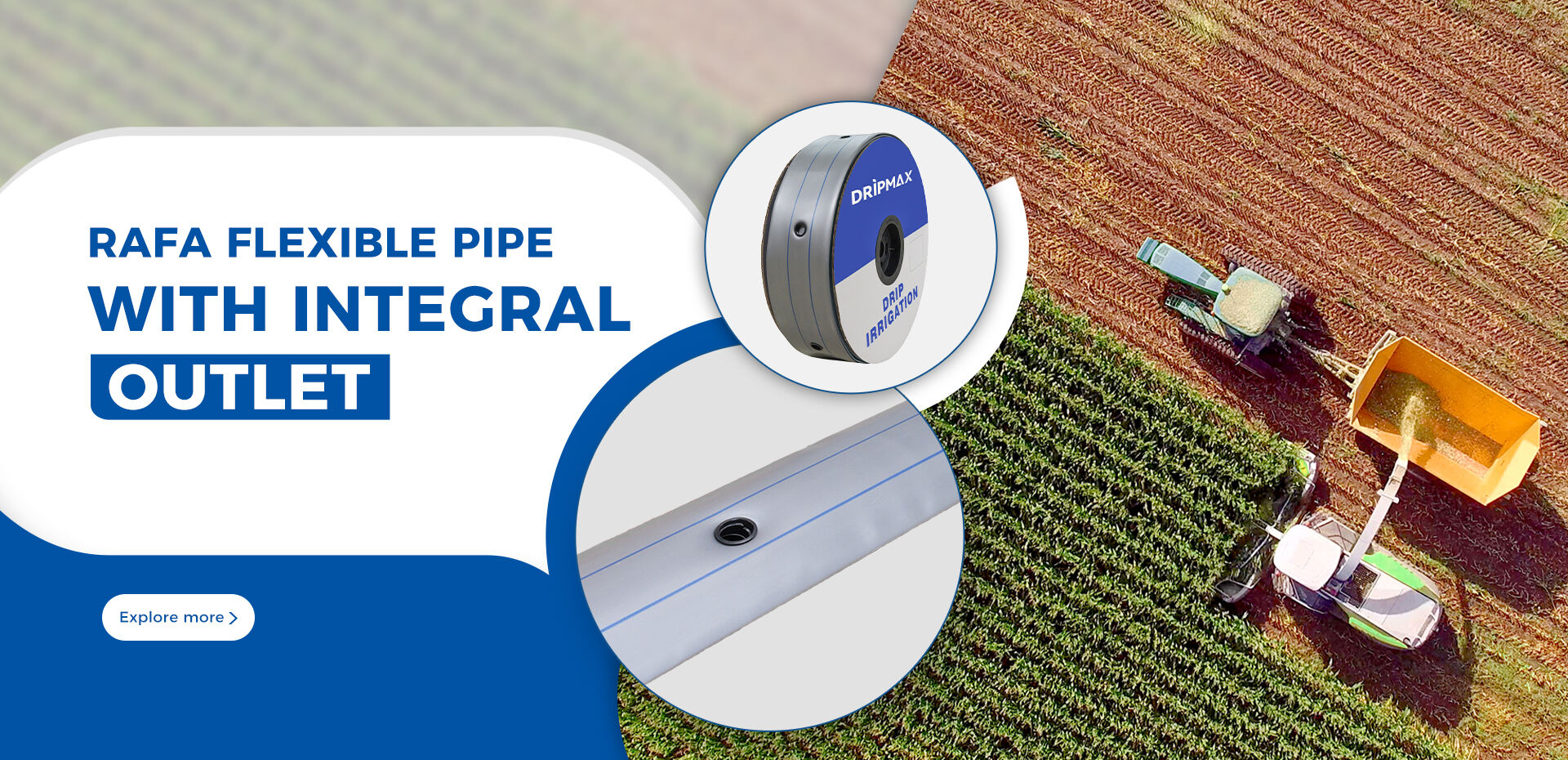
Introducing the RAFA Flexible Pipe: A New Standard in Efficient Irrigation

12

Dec

Introducing the RAFA Flexible Pipe: A New Standard in Efficient Irrigation

View More
Flexible Lay Flat Hose: Ultimate Guide for Farm Water Management

16

Jun

Flexible Lay Flat Hose: Ultimate Guide for Farm Water Management

Explore the benefits of lay flat hoses for farm water management, focusing on efficient water distribution, durability, cost-effectiveness, technical specifications, and integration with drip irrigation systems. Enhance your agricultural productivity with lay flat hoses.
View More
 Comparing Traditional vs. Modern Drip Irrigation Tape Systems

23

Jul

Comparing Traditional vs. Modern Drip Irrigation Tape Systems

Discover the key differences between traditional and modern drip irrigation systems, highlighting water efficiency, technological advancements, and cost-effectiveness. Learn how modern systems improve water conservation, crop yield, and sustainability in agriculture.
View More
Quick-Install Drip Line Components Save Labor Costs

23

Jul

Quick-Install Drip Line Components Save Labor Costs

Explore labor cost challenges in traditional irrigation systems and discover how modern drip irrigation ensures efficiency with reduced installation time and minimal maintenance. Learn the key benefits for water conservation and scalable growth in agriculture.
View More

Get a Free Quote

Our representative will contact you soon.
Email
Name
Company Name
Message
0/1000

drip line systems

Precision Water Delivery Technology

Precision Water Delivery Technology

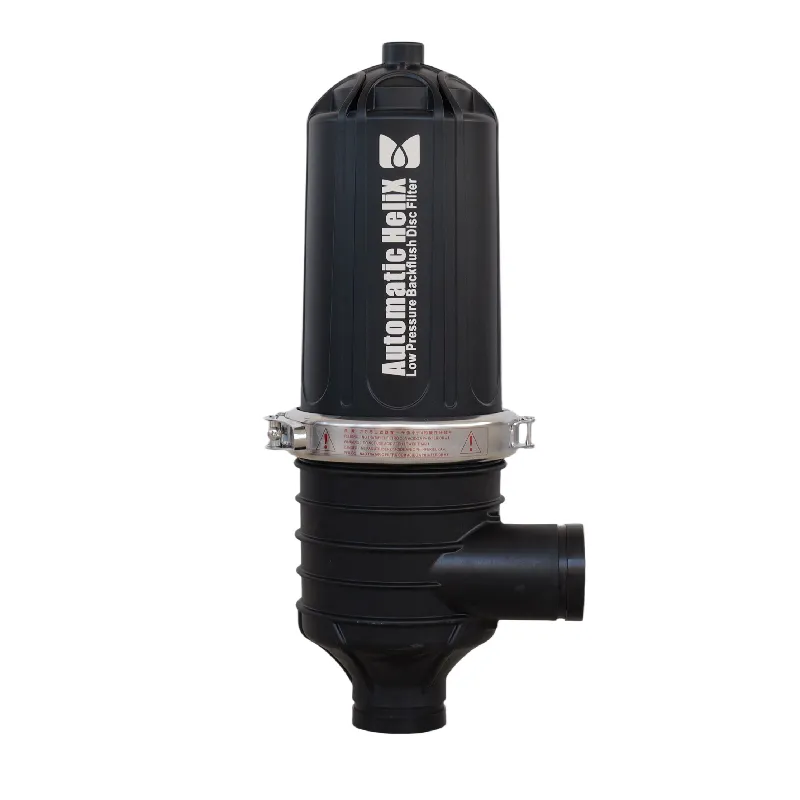
Modern drip line systems incorporate cutting-edge precision water delivery technology that revolutionizes how agricultural operations manage irrigation resources. The heart of this technology lies in pressure-compensating emitters that maintain consistent flow rates regardless of pressure variations throughout the system network. These sophisticated devices automatically adjust internal mechanisms to deliver predetermined water volumes, ensuring uniform distribution from the first emitter to the last, even across significant elevation changes or lengthy runs. Advanced filtration components protect the precision emitters from clogging while maintaining optimal performance over extended periods. Multi-stage filtration systems remove particles, sediments, and organic matter that could compromise emitter function, incorporating screen filters, disc filters, and sometimes sand media filters depending on water source quality. The precision delivery mechanism extends to smart controllers that integrate weather data, soil moisture sensors, and plant growth stage information to calculate exact irrigation requirements. These intelligent systems adjust watering schedules automatically based on evapotranspiration rates, rainfall measurements, and seasonal plant demands. Flow monitoring capabilities provide real-time feedback on system performance, detecting leaks, blockages, or pressure irregularities that could affect water distribution uniformity. The technological advancement includes self-flushing emitters that periodically clear debris through turbulent flow patterns, maintaining consistent performance without manual intervention. Pressure regulation throughout the system ensures optimal operating conditions for all components while preventing damage from pressure spikes or variations. Temperature compensation features maintain flow accuracy across seasonal temperature ranges, preventing over-irrigation during cool periods or under-irrigation during hot weather. The precision technology enables variable rate irrigation within single zones, accommodating different plant types or soil conditions through programmable emitter selection. Integration with farm management software provides comprehensive irrigation data analysis, helping optimize water use efficiency and crop production outcomes through data-driven decision making.
Unmatched Water Conservation Performance

Unmatched Water Conservation Performance

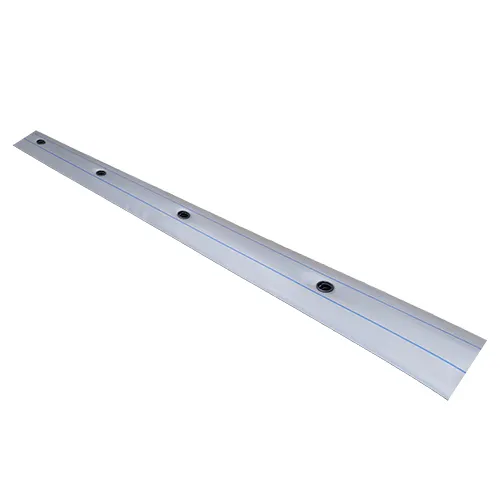
Drip line systems deliver industry-leading water conservation performance that addresses critical environmental challenges while reducing operational expenses for agricultural producers worldwide. The fundamental conservation principle operates through targeted root zone irrigation that eliminates water waste associated with traditional broadcasting methods. Scientific studies consistently demonstrate 40 to 60 percent water savings compared to overhead sprinkler systems, with some applications achieving even higher conservation rates. This remarkable efficiency stems from eliminating surface evaporation, wind drift, and runoff that plague conventional irrigation approaches. The conservation performance extends beyond simple water savings to include reduced pumping energy requirements due to lower operating pressures. Systems typically operate between 10 to 30 PSI compared to 40 to 60 PSI required for sprinkler systems, translating to significant energy cost reductions over seasonal operations. Deep percolation losses decrease substantially as water application rates match soil infiltration capabilities, preventing excess water from moving below the root zone where plants cannot access it. The conservation technology includes moisture sensors that provide real-time soil condition data, enabling precise irrigation scheduling that applies water only when plants require it. This responsive approach prevents over-watering during periods of natural precipitation or high soil moisture retention. Advanced scheduling algorithms incorporate weather forecasting data to suspend irrigation operations before predicted rainfall events, maximizing natural water utilization. The system design accommodates recycling of drainage water in controlled environment applications, creating closed-loop systems that approach zero water waste. Conservation performance monitoring through flow meters and data logging equipment provides detailed consumption analytics that help identify optimization opportunities and verify conservation targets. Salinity management becomes more effective through controlled leaching that removes harmful salts while minimizing freshwater requirements. The environmental benefits extend to reduced groundwater depletion and decreased pressure on municipal water supplies, supporting sustainable agricultural practices that protect natural resources for future generations.
Superior Crop Health and Yield Enhancement

Superior Crop Health and Yield Enhancement

Drip line systems provide superior crop health and yield enhancement through scientifically proven irrigation methods that optimize growing conditions while reducing plant stress factors. The controlled moisture environment created by consistent root zone irrigation eliminates the drought stress cycles that occur with periodic flooding irrigation methods. Plants maintain steady growth rates throughout the growing season, resulting in more uniform crop development and higher quality produce. The health benefits begin with reduced foliar diseases that typically flourish in overhead irrigation environments where leaf surfaces remain wet for extended periods. Dry foliage conditions prevent fungal spores from germinating and bacterial infections from establishing, significantly reducing pesticide requirements and crop loss from disease pressure. Root development improves dramatically under consistent moisture conditions, with plants developing more extensive root systems that enhance nutrient uptake and drought tolerance. The enhanced root development creates stronger, more resilient plants capable of withstanding environmental stresses and producing higher yields over longer harvest periods. Nutrient management through fertigation systems delivers fertilizers directly to active root zones where uptake efficiency approaches maximum theoretical levels. This precise nutrient delivery prevents fertilizer waste while ensuring plants receive optimal nutrition throughout critical growth phases. The yield enhancement extends to fruit and vegetable quality improvements, with more consistent sizing, better color development, and improved sugar content resulting from steady moisture and nutrient availability. Harvest timing becomes more predictable as plants mature uniformly under consistent growing conditions, enabling better market planning and reducing harvest labor costs. The stress reduction benefits include improved plant resistance to pest infestations, as healthy, well-watered plants produce natural defense compounds more effectively than drought-stressed specimens. Extended harvest seasons result from maintaining optimal growing conditions that allow plants to continue productive growth longer than under traditional irrigation stress cycles. Quality improvements translate to premium pricing opportunities for producers growing high-value crops where appearance, taste, and nutritional content command market premiums. The comprehensive health benefits create sustainable production systems that maintain soil health, reduce input costs, and maximize long-term agricultural profitability through scientifically optimized growing conditions.

Get a Free Quote

Our representative will contact you soon.
Email
Name
Company Name
Message
0/1000