Premium Drip Line Filters - Advanced Irrigation Filtration Solutions for Maximum Water Efficiency

All Categories

Get a Free Quote

Our representative will contact you soon.
Email
Name
Whats App
Message
0/1000

drip line filters

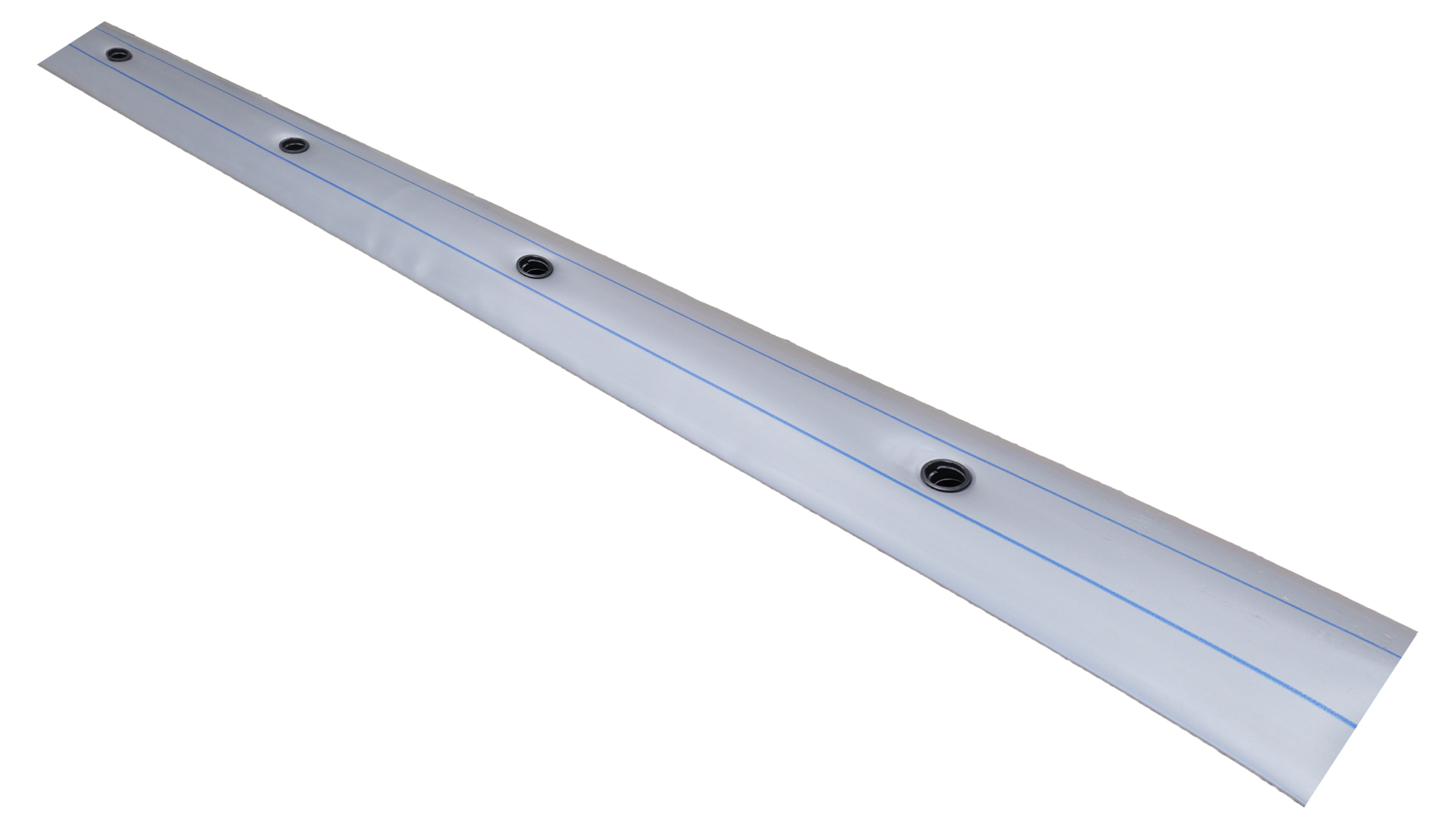
Drip line filters represent a crucial component in modern irrigation systems, specifically designed to maintain optimal water flow and prevent clogging in drip irrigation networks. These specialized filtration devices serve as the primary defense mechanism against particulates, sediments, and debris that could otherwise compromise the efficiency of micro-irrigation systems. The fundamental purpose of drip line filters centers on ensuring consistent water delivery through emitters while protecting the entire irrigation infrastructure from potential blockages. These filtration systems incorporate advanced mesh screens, typically ranging from 120 to 200 mesh, which effectively capture particles as small as 74 to 150 microns. The technological framework of drip line filters includes multiple filtration stages, beginning with preliminary screening that removes larger debris, followed by fine filtration that addresses microscopic contaminants. Modern drip line filters feature self-cleaning mechanisms that automatically flush accumulated debris, reducing maintenance requirements and extending operational lifespan. The construction materials typically include corrosion-resistant polymers and stainless steel components that withstand harsh environmental conditions and chemical treatments commonly used in agricultural applications. Installation flexibility allows these filters to integrate seamlessly into existing irrigation systems, whether for small-scale residential gardens or extensive commercial agricultural operations. The pressure regulation capabilities of drip line filters ensure stable water pressure throughout the distribution network, preventing pressure fluctuations that could damage sensitive emitters or cause uneven water distribution. Applications span across diverse sectors including greenhouse cultivation, landscape irrigation, agricultural crop production, and urban gardening projects. The modular design of contemporary drip line filters enables scalable solutions that accommodate varying flow rates and system capacities, making them suitable for both micro and macro irrigation projects.

New Product Releases

Drip line filters deliver exceptional water conservation benefits that directly translate into reduced operational costs and environmental sustainability. Users experience significant water savings, often achieving 30-50% reduction in water consumption compared to conventional irrigation methods. This efficiency stems from the precise filtration that prevents emitter clogging, ensuring each plant receives the exact amount of water needed without waste. The economic advantages become apparent through reduced water bills, lower energy costs for pumping, and decreased fertilizer requirements due to improved nutrient delivery efficiency. Maintenance simplicity stands out as a primary benefit, with most drip line filters requiring minimal intervention once properly installed. The self-cleaning features eliminate the need for frequent manual cleaning, while indicator systems alert users when maintenance becomes necessary. This automation reduces labor costs and prevents system downtime that could damage crops or landscapes. System longevity increases dramatically when drip line filters protect expensive irrigation components from premature wear and damage caused by debris infiltration. Users avoid costly replacements of emitters, tubing, and control valves that would otherwise suffer from particle accumulation and corrosion. The consistent water pressure maintained by these filters ensures uniform plant growth across the entire irrigation zone, eliminating dry spots or overwatered areas that reduce crop yields or aesthetic appeal. Installation versatility accommodates various pipe sizes and connection types, allowing integration into existing systems without extensive modifications. Users benefit from improved plant health due to consistent moisture delivery and reduced disease pressure associated with overwatering. The filtration process also removes harmful bacteria and algae that could negatively impact plant development. Energy efficiency improvements result from reduced pump strain and optimized flow rates, contributing to lower electricity consumption and extended equipment lifespan. Quality construction materials ensure reliable performance across different water types and environmental conditions, providing peace of mind for long-term investments in irrigation infrastructure.

Practical Tips

Low-Flow Drip Irrigation: A Game-Changer for Efficient Water Use in Modern Agriculture

12

Dec

Low-Flow Drip Irrigation: A Game-Changer for Efficient Water Use in Modern Agriculture

View More
Maximize Crop Yield with Precision Drip Line Configurations

16

Jun

Maximize Crop Yield with Precision Drip Line Configurations

Explore the fundamentals of precision drip irrigation, comparing core components like drip tape and drip lines, and learn about water conservation, system management, and ROI in agriculture. Ideal for enhancing sustainable farming practices.
View More
Water-Saving Drip Tape Technology Reduces Agricultural Costs

16

Jun

Water-Saving Drip Tape Technology Reduces Agricultural Costs

Discover the mechanics of drip tape technology, its components, and the benefits of smart integration with modern agriculture. Learn about the future innovations in water-efficient farming for sustainable practices.
View More
How Does Agricultural Irrigation Improve Crop Yields?

29

Aug

How Does Agricultural Irrigation Improve Crop Yields?

View More

Get a Free Quote

Our representative will contact you soon.
Email
Name
Company Name
Message
0/1000

drip line filters

Advanced Multi-Stage Filtration Technology

Advanced Multi-Stage Filtration Technology

The sophisticated multi-stage filtration technology incorporated in modern drip line filters represents a revolutionary approach to water treatment for irrigation systems. This innovative design employs sequential filtration chambers that progressively remove contaminants of varying sizes, ensuring maximum water purity reaches your plants. The first stage utilizes coarse screening elements that capture large debris such as leaves, twigs, and sand particles, preventing these materials from entering downstream components. The secondary filtration stage features precision-engineered mesh screens with consistent aperture sizes that trap smaller particles including silt, algae, and microscopic sediments. The final polishing stage incorporates ultra-fine filtration media that removes the smallest contaminants while maintaining optimal flow rates throughout the system. This comprehensive approach guarantees that even the most challenging water sources become suitable for precision irrigation applications. The technology adapts automatically to varying water quality conditions, adjusting filtration intensity based on incoming particle loads. Users benefit from consistent emitter performance regardless of seasonal variations in water quality or source changes. The multi-stage design also incorporates bypass mechanisms that prevent system shutdown during peak contamination periods, ensuring continuous irrigation even when maintenance becomes necessary. Advanced pressure monitoring systems within each filtration stage provide real-time feedback on filter condition and performance, enabling proactive maintenance scheduling that prevents unexpected failures. The modular construction allows users to customize filtration stages based on specific water quality challenges, creating tailored solutions for unique applications. This technology significantly reduces the total cost of ownership by extending the lifespan of downstream components and minimizing maintenance interventions. Professional agricultural operations report up to 90% reduction in emitter replacement frequency when utilizing advanced multi-stage drip line filters, demonstrating the substantial return on investment these systems provide.
Intelligent Self-Cleaning Mechanisms

Intelligent Self-Cleaning Mechanisms

The intelligent self-cleaning mechanisms integrated into contemporary drip line filters eliminate the manual maintenance burden traditionally associated with irrigation filtration systems. These automated systems continuously monitor pressure differentials across filter elements, triggering cleaning cycles precisely when needed rather than following arbitrary schedules. The cleaning process utilizes reverse flow technology that forces clean water backwards through filter media, dislodging accumulated particles and flushing them away through dedicated waste outlets. This process occurs without interrupting normal irrigation operations, ensuring plants continue receiving consistent water supply during maintenance cycles. The intelligence of these systems extends to adaptive learning capabilities that adjust cleaning frequency based on historical contamination patterns and seasonal variations in water quality. Users experience unprecedented convenience as the systems operate autonomously for months without requiring human intervention. The cleaning mechanisms incorporate multiple strategies including pulse cleaning, where short bursts of high-pressure water remove stubborn particles, and continuous backwash systems that provide ongoing filtration surface renewal. Energy efficiency remains paramount in the design, with cleaning operations consuming minimal power while delivering maximum effectiveness. The waste water generated during cleaning cycles can be redirected to non-critical irrigation zones or collected for alternative uses, minimizing overall system waste. Sophisticated sensors monitor not only pressure differentials but also flow rates, temperature, and water quality parameters to optimize cleaning timing and intensity. This comprehensive monitoring prevents over-cleaning that could damage filter media while ensuring adequate contamination removal. The self-diagnostic capabilities alert users to potential issues before they impact system performance, enabling predictive maintenance that prevents costly emergency repairs. Remote monitoring options allow users to track filter performance and cleaning cycles from smartphone applications or computer interfaces, providing unprecedented visibility into system operations. The reliability of these intelligent systems has been proven in demanding agricultural environments where system failures can result in significant crop losses, making them essential components for professional growers and commercial operations.
Universal Compatibility and Easy Installation

Universal Compatibility and Easy Installation

The universal compatibility features of modern drip line filters ensure seamless integration with virtually any existing irrigation system, regardless of manufacturer, age, or configuration. These filters accommodate standard pipe diameters ranging from half-inch residential applications to large-scale commercial systems exceeding six inches, utilizing standardized connection protocols that eliminate compatibility concerns. The installation process requires no specialized tools or technical expertise, with most systems featuring intuitive connection methods that allow users to complete setup within minutes rather than hours. Detailed installation guides provide step-by-step instructions with visual diagrams that guide users through proper positioning, connection sequences, and initial system testing procedures. The flexibility of mounting options includes vertical, horizontal, and angled installations that accommodate space constraints and system layouts common in both residential and commercial applications. Quick-connect fittings eliminate the need for threading, soldering, or gluing, while ensuring leak-proof connections that withstand system pressures and thermal cycling. The modular design philosophy allows users to expand or modify filtration capacity by adding additional filter units in parallel or series configurations without redesigning the entire irrigation network. Retrofit applications benefit from compact designs that fit within existing pump houses, control panels, or underground valve boxes without requiring structural modifications. The standardized electrical connections for automated features integrate with common irrigation controllers and timer systems, enabling centralized management of filtration and irrigation operations. Pressure rating compatibility ensures safe operation across the full range of residential and commercial irrigation pressures, from low-pressure gravity-fed systems to high-pressure commercial installations. The corrosion-resistant materials and UV-stable construction withstand outdoor installation environments without degradation, while removable covers provide easy access to internal components for maintenance or upgrades. Professional installers appreciate the consistent installation procedures across different model sizes, reducing training requirements and installation time on large projects. The comprehensive warranty coverage and readily available replacement parts ensure long-term support regardless of installation location or application type, providing confidence for both residential users and commercial operators investing in filtration infrastructure.
Get a Free Quote

Our representative will contact you soon.
Email
Name
Company Name
Message
0/1000