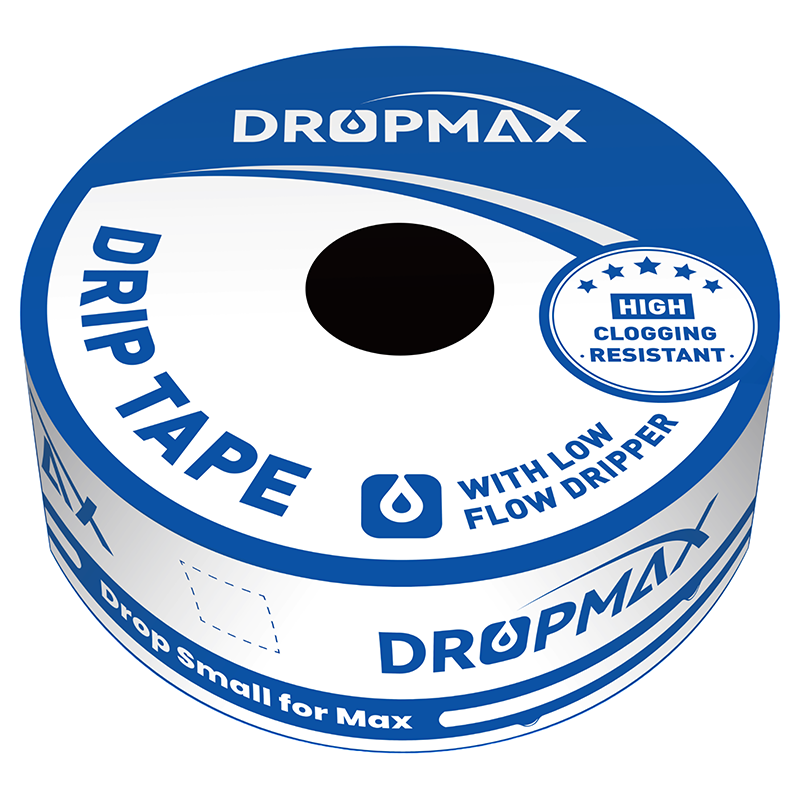
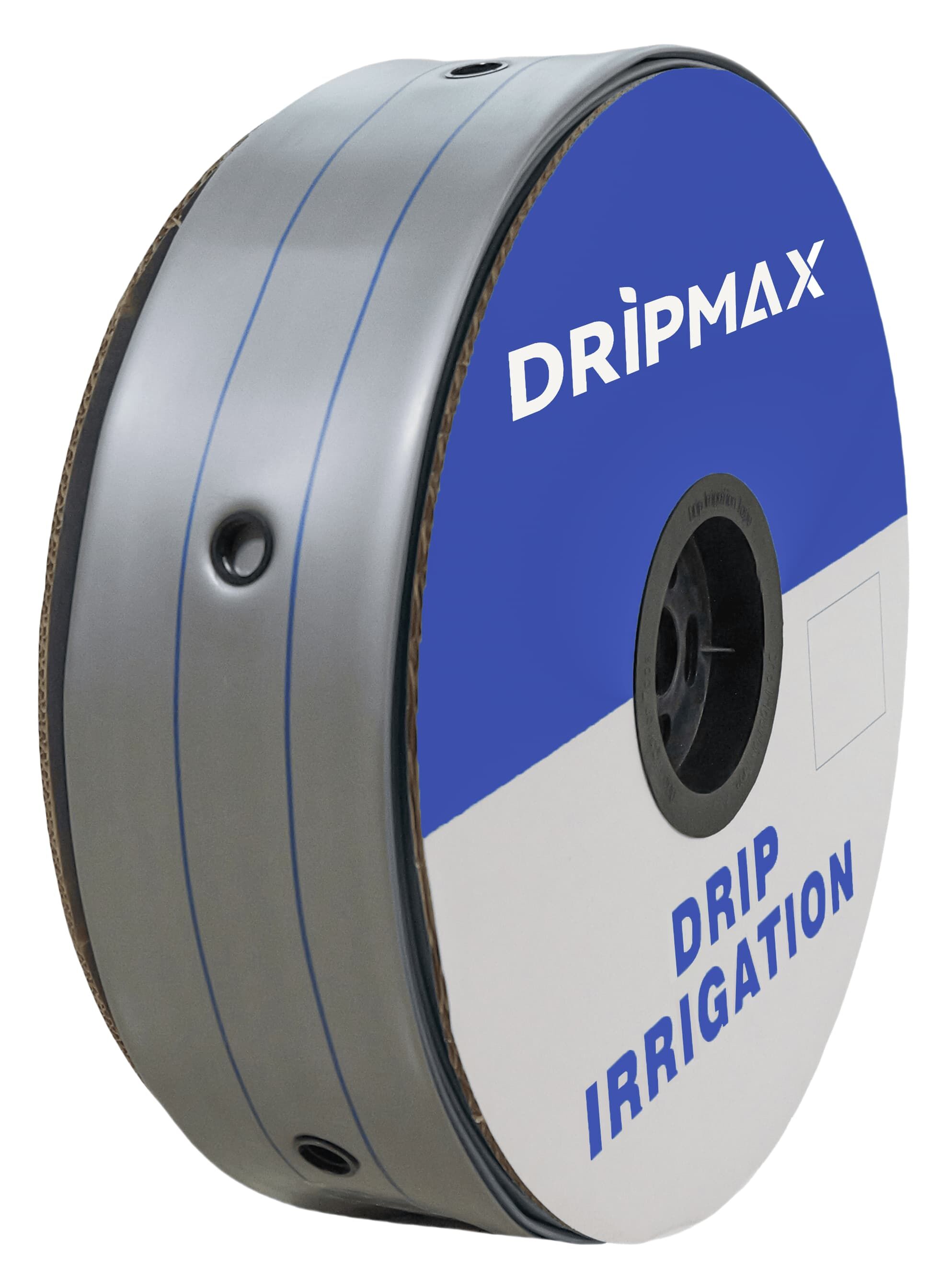
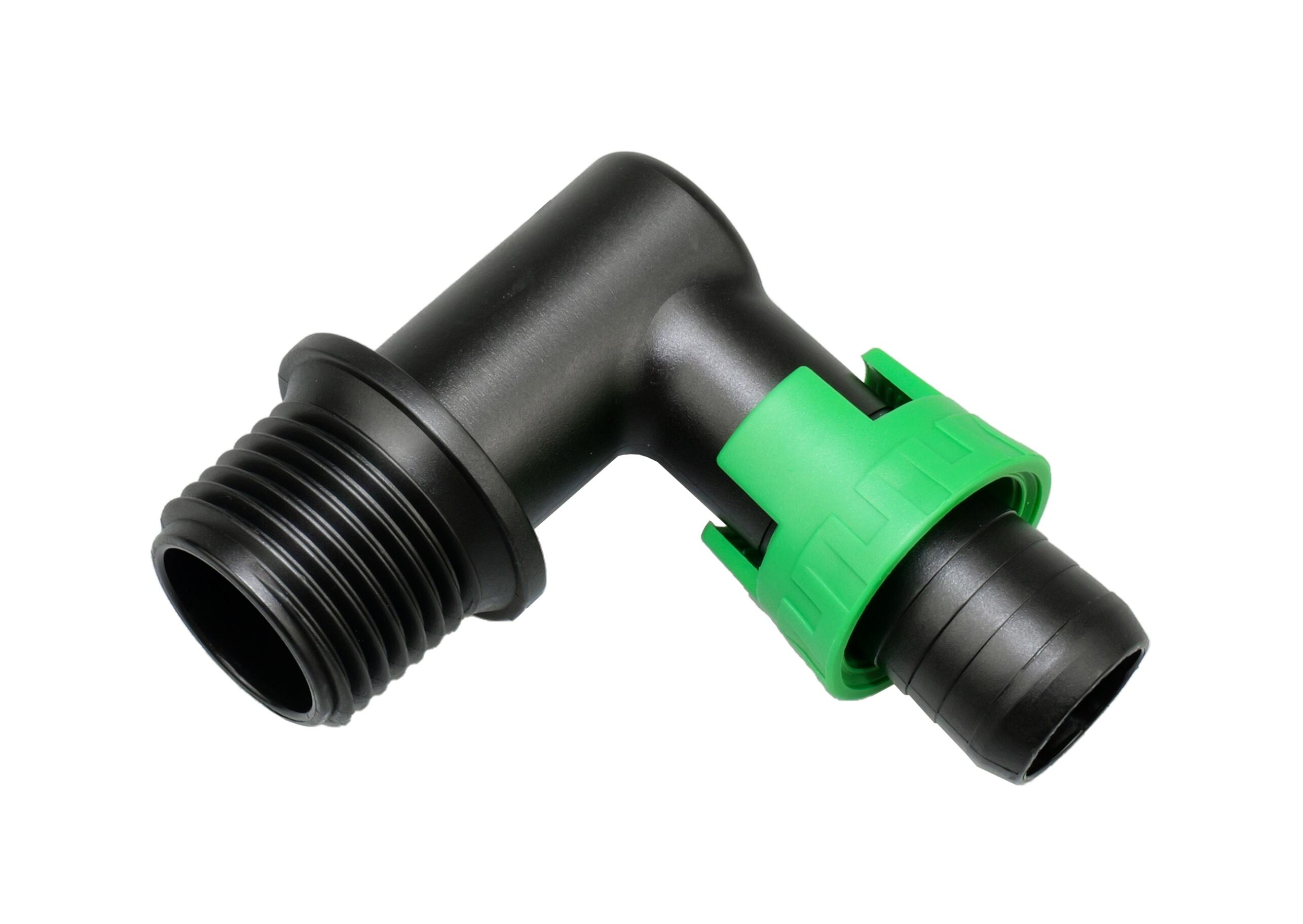
drip line installation
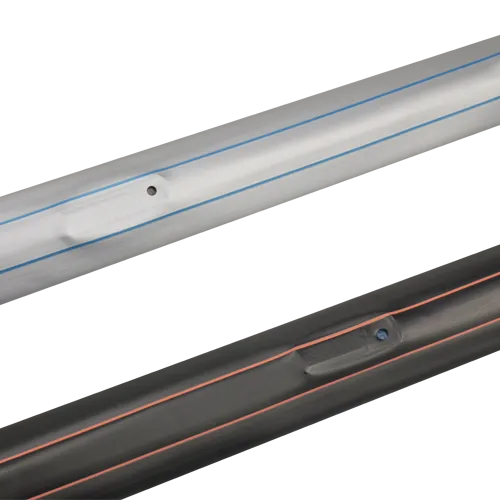
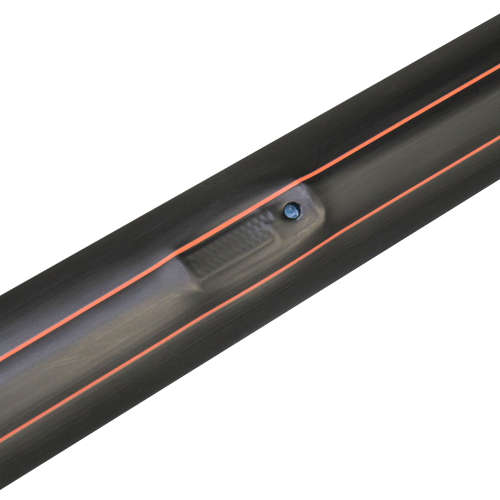
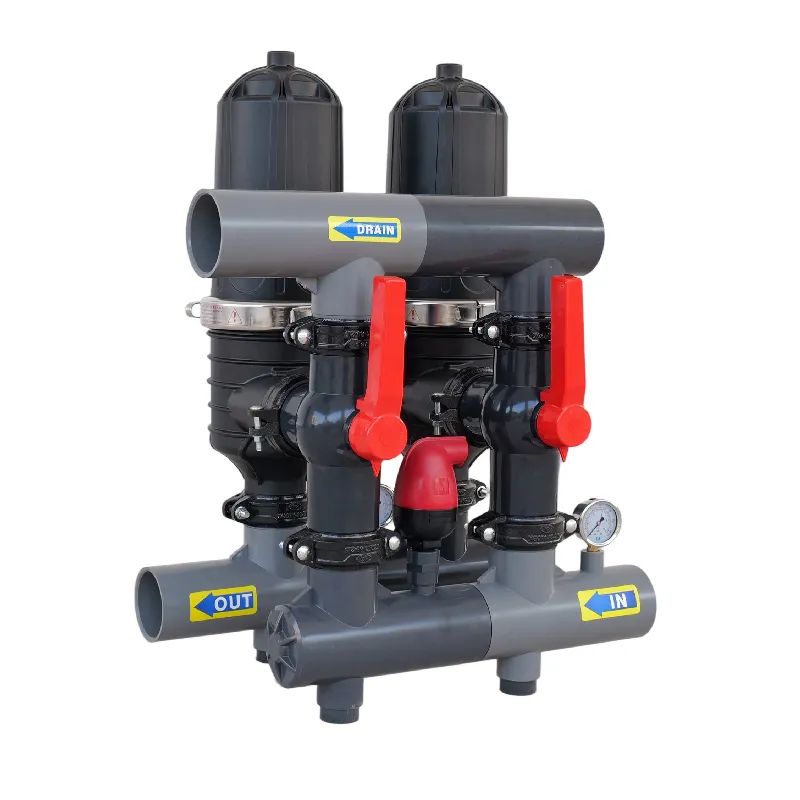
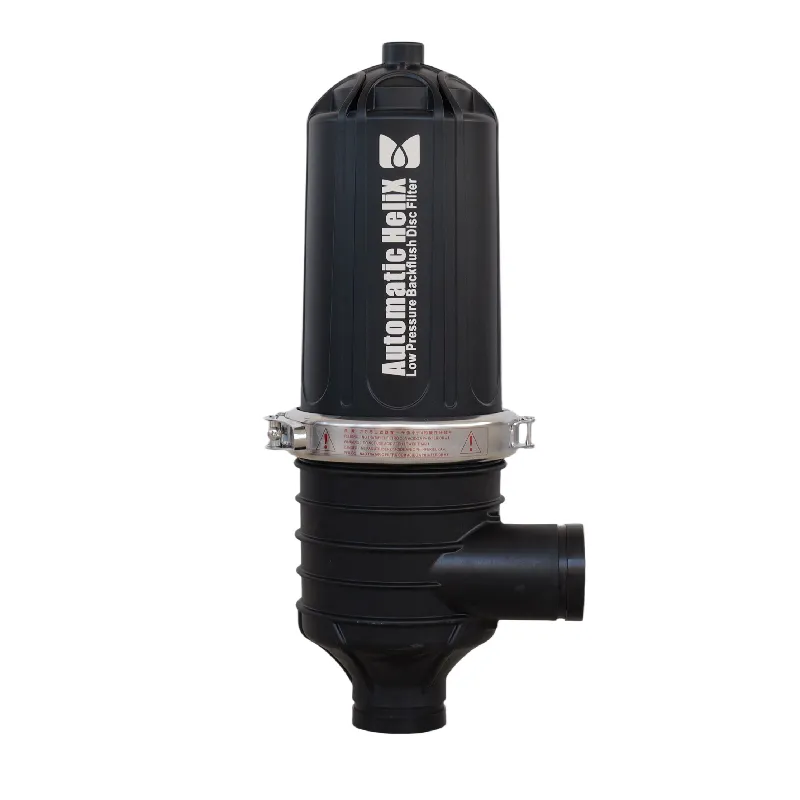
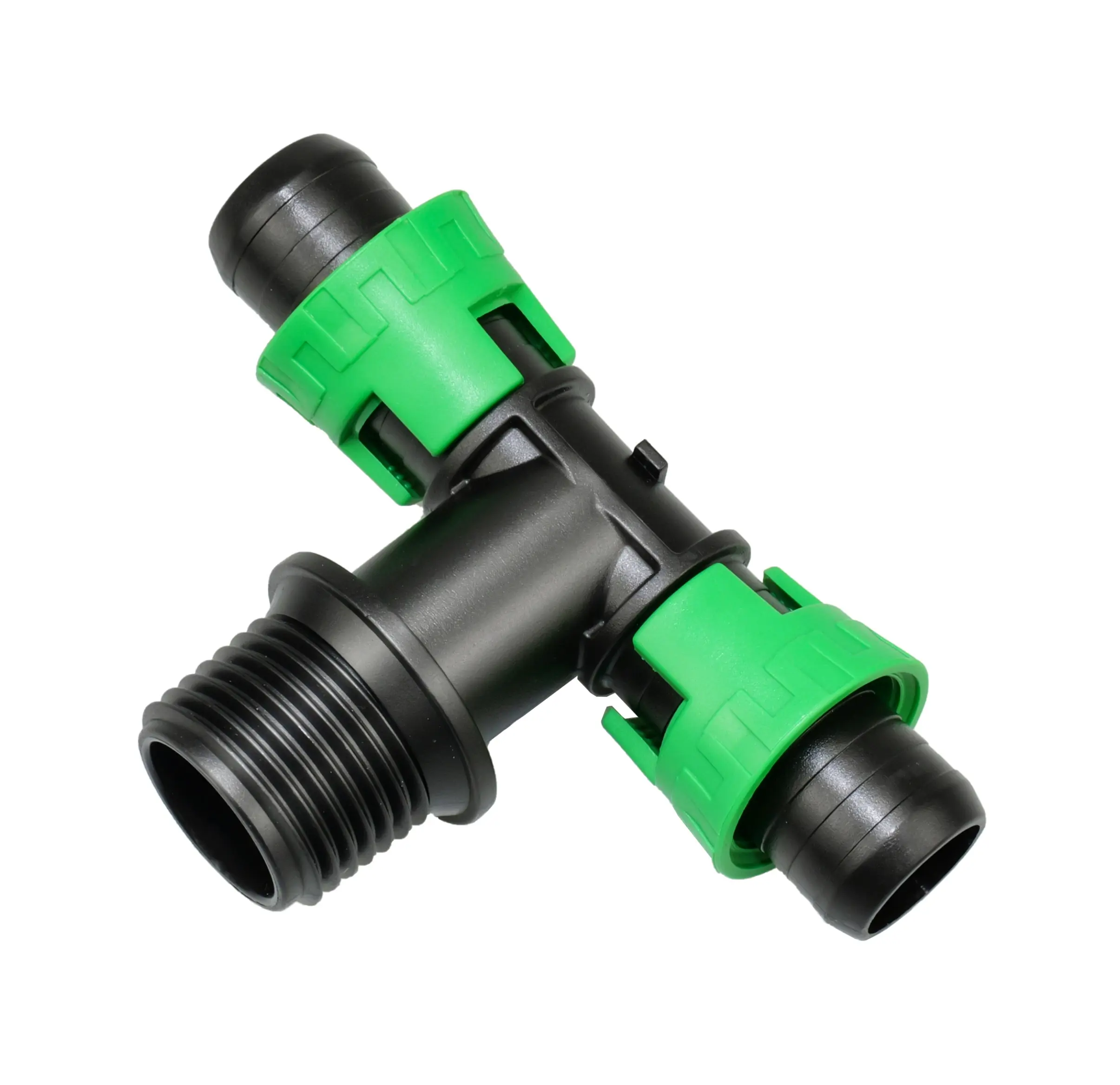
Drip line installation represents a sophisticated irrigation technology that delivers water directly to plant root zones through a network of tubes, emitters, and pressure-regulating components. This precision watering system fundamentally transforms how agricultural and landscaping projects manage water resources by providing controlled, efficient moisture distribution across designated growing areas. The drip line installation process involves strategically placing flexible tubing throughout cultivation spaces, ensuring each plant receives optimal hydration while minimizing water waste and environmental impact. Modern drip line installation systems incorporate advanced materials and engineering designs that withstand various weather conditions and soil types. The technology features pressure-compensating emitters that maintain consistent water flow rates regardless of terrain elevation changes or system pressure variations. These installations typically include filtration systems, pressure regulators, and automated timing controls that work together to create comprehensive irrigation solutions. The main functions of drip line installation extend beyond simple water delivery, encompassing nutrient distribution, soil moisture regulation, and crop yield optimization. Agricultural professionals and homeowners increasingly recognize drip line installation as essential infrastructure for sustainable growing practices. The system's technological features include self-flushing mechanisms that prevent clogging, UV-resistant materials that ensure longevity, and customizable spacing options that accommodate diverse plant requirements. Applications for drip line installation span residential gardens, commercial agriculture, greenhouse operations, landscaping projects, and municipal green spaces. The versatility of drip line installation makes it suitable for various crops including vegetables, fruits, ornamental plants, and field crops. Installation procedures typically involve soil preparation, layout planning, component assembly, and system testing to ensure optimal performance and reliability for long-term irrigation success.

 EN
EN