Advanced Drip Line Irrigation System - Precision Water Management Solutions for Modern Agriculture

All Categories

Get a Free Quote

Our representative will contact you soon.
Email
Name
Whats App
Message
0/1000

drip line irrigation system

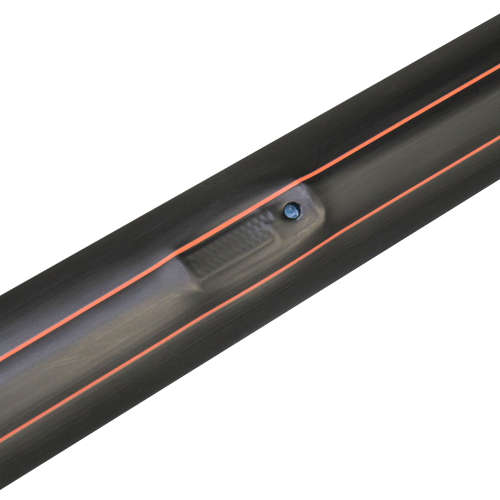
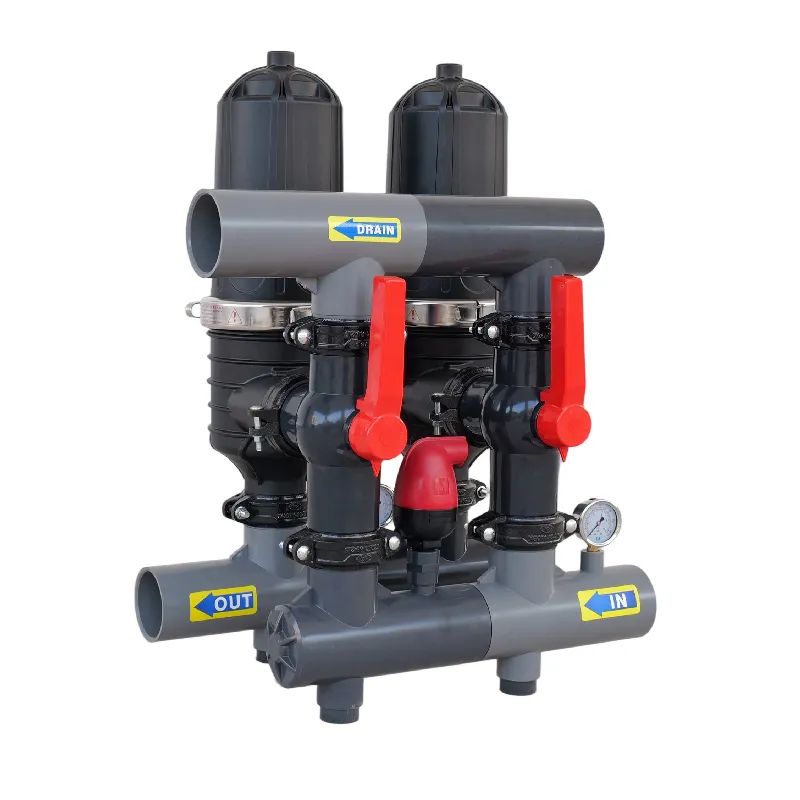
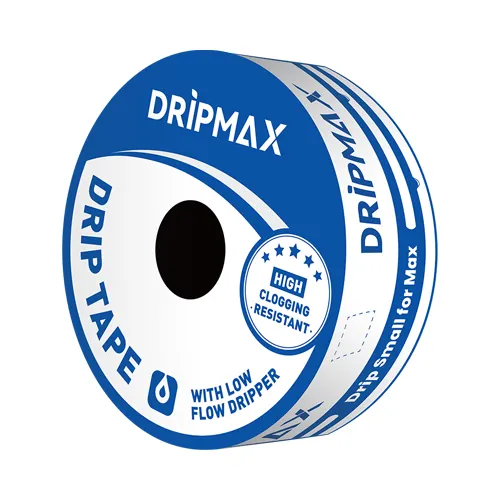
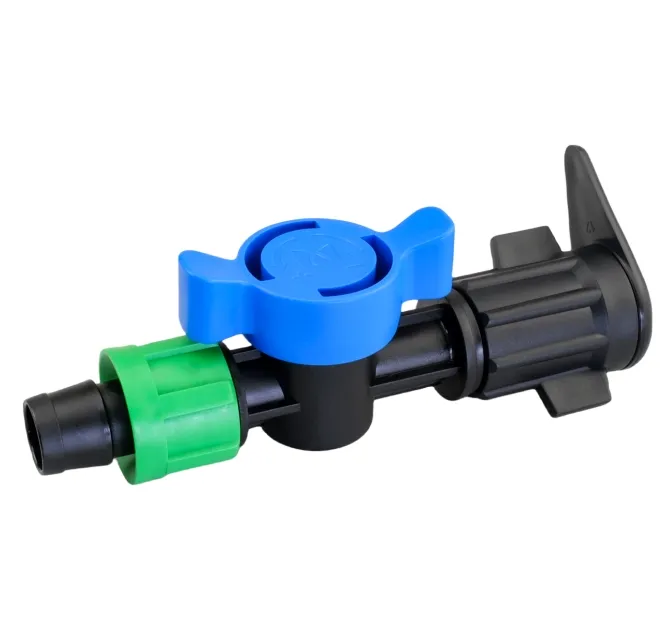
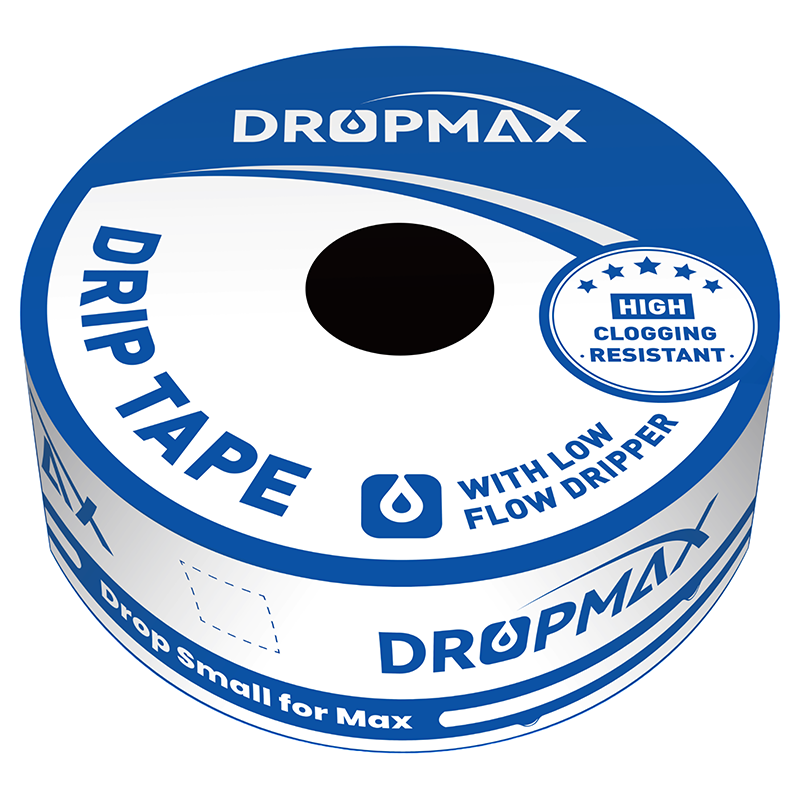
A drip line irrigation system represents a revolutionary approach to water management that delivers precise amounts of water directly to plant root zones through a network of tubes, emitters, and control mechanisms. This sophisticated irrigation technology operates by distributing water at low pressure through a series of flexible polyethylene tubes equipped with built-in emitters spaced at predetermined intervals. The drip line irrigation system functions as a complete water delivery solution that eliminates wasteful surface flooding and reduces water consumption by up to 50% compared to traditional sprinkler methods. The technological foundation of this system relies on pressure-compensating emitters that maintain consistent flow rates regardless of terrain variations or pressure fluctuations. These emitters feature self-flushing mechanisms that prevent clogging from debris and mineral deposits, ensuring long-term reliability and performance. The drip line irrigation system incorporates advanced filtration components including screen filters, disc filters, and media filters that remove particles and contaminants from the water supply. Modern systems integrate smart controllers with weather sensors, soil moisture monitors, and programmable timers that automatically adjust watering schedules based on environmental conditions and crop requirements. Applications for drip line irrigation systems span across diverse agricultural sectors including row crops, orchards, vineyards, greenhouse operations, and landscape installations. Commercial farmers utilize these systems for cotton, corn, soybeans, tomatoes, and specialty crops where precise water management directly impacts yield quality and quantity. Residential users implement drip line irrigation systems for vegetable gardens, flower beds, and ornamental landscaping projects. The system's modular design allows for easy expansion and customization to accommodate varying field sizes and crop layouts. Installation involves connecting the main supply line to distribution headers that feed individual drip lines positioned along crop rows. Each drip line irrigation system requires careful hydraulic design to ensure uniform water distribution across the entire irrigated area while maintaining optimal operating pressure throughout the network.

New Products

The drip line irrigation system offers substantial water savings that directly translate into reduced utility costs and improved environmental sustainability for users across all applications. Water conservation represents the primary economic advantage, with typical installations achieving 30-50% reduction in water usage compared to conventional overhead sprinkler systems. This efficiency stems from the system's ability to deliver water precisely where plants need it most, eliminating runoff, evaporation losses, and irrigation of unplanted areas. The targeted water delivery also prevents weed growth between crop rows, reducing labor costs and herbicide applications while maintaining cleaner field conditions. Improved crop yields and quality constitute another significant benefit of the drip line irrigation system, as consistent soil moisture levels promote healthier plant development and reduce stress-related crop damage. Plants receive optimal water amounts without experiencing the wet-dry cycles common with traditional irrigation methods, resulting in more uniform fruit size, better color development, and extended harvest periods. The system's gentle water application prevents soil compaction and erosion that often occurs with high-pressure sprinkler irrigation, preserving valuable topsoil and maintaining proper soil structure for enhanced root development. Labor efficiency improvements make the drip line irrigation system particularly attractive for commercial operations, as automated controls eliminate the need for manual valve operation and constant monitoring. Workers can focus on other essential tasks while the system operates independently according to programmed schedules. The reduced maintenance requirements of modern drip line irrigation systems further decrease operational costs, with high-quality components designed for multi-season durability and minimal service needs. Energy savings represent an additional economic benefit, as the low-pressure operation of drip line irrigation systems requires less pumping power than high-pressure alternatives. This efficiency becomes increasingly important as energy costs rise and environmental regulations tighten. The system's compatibility with recycled water, treated wastewater, and marginal water sources provides operational flexibility while supporting sustainable resource management practices. Disease prevention advantages emerge from the drip line irrigation system's ground-level water application, which keeps plant foliage dry and reduces fungal infections that thrive in humid conditions created by overhead irrigation. This health benefit often eliminates the need for preventive fungicide treatments, reducing chemical costs and environmental impact while producing cleaner agricultural products.

Practical Tips

Small Products Play a Crucial Role in Drip Irrigation Systems: Lock Ring Connectors for Drip Tape

15

Apr

Small Products Play a Crucial Role in Drip Irrigation Systems: Lock Ring Connectors for Drip Tape

View More
How Layflat Hose Enhances Water Distribution in Modern Farming

10

Jun

How Layflat Hose Enhances Water Distribution in Modern Farming

Explore the fundamentals of layflat hose for agricultural water distribution, focusing on design principles, material composition, and advantages over traditional irrigation methods. Learn how layflat hose technology optimizes water distribution, reduces labor, and increases efficiency in modern farming operations.
View More
Maximize Crop Yield with Precision Drip Line Configurations

16

Jun

Maximize Crop Yield with Precision Drip Line Configurations

Explore the fundamentals of precision drip irrigation, comparing core components like drip tape and drip lines, and learn about water conservation, system management, and ROI in agriculture. Ideal for enhancing sustainable farming practices.
View More
How Does Agricultural Irrigation Improve Crop Yields?

29

Aug

How Does Agricultural Irrigation Improve Crop Yields?

View More

Get a Free Quote

Our representative will contact you soon.
Email
Name
Company Name
Message
0/1000

drip line irrigation system

Precision Water Delivery Technology

Precision Water Delivery Technology

The drip line irrigation system employs cutting-edge precision water delivery technology that revolutionizes how water reaches plant root zones with unmatched accuracy and efficiency. This advanced technology centers around pressure-compensating emitters engineered to maintain consistent flow rates across varying topographical conditions and pressure variations within the distribution network. Each emitter features a sophisticated internal mechanism that automatically adjusts to pressure changes, ensuring uniform water application whether installed on flat terrain or sloped fields with elevation differences. The precision delivery system incorporates turbulent flow path designs within emitters that create self-cleaning action, preventing clogging from particles and mineral deposits that commonly plague conventional irrigation equipment. This self-maintenance feature extends operational life while maintaining consistent performance throughout multiple growing seasons. The drip line irrigation system's precision technology includes built-in root intrusion barriers that prevent plant roots from entering emitter outlets, eliminating blockages that would otherwise disrupt water flow patterns. Advanced emitter designs feature multiple outlet configurations including single-point, multi-outlet, and strip emitters that accommodate different crop spacing requirements and root zone characteristics. The precision water delivery technology enables users to customize application rates based on specific crop water requirements, soil types, and environmental conditions. Flow rates can be selected from ultra-low volume applications for water-sensitive crops to higher volume outputs for thirsty plants or sandy soils with rapid drainage characteristics. The system's precision extends to installation flexibility, with emitter spacing options ranging from 6-inch intervals for dense plantings to 24-inch or greater spacing for widely spaced crops. This customization capability ensures optimal water distribution efficiency while minimizing installation costs and material usage. The technological precision of the drip line irrigation system includes compatibility with fertigation systems that inject liquid fertilizers directly into the irrigation stream, providing plants with nutrients precisely when and where needed. This integration eliminates fertilizer waste, reduces environmental contamination, and improves nutrient uptake efficiency for enhanced crop performance and reduced input costs.
Comprehensive Water Conservation Solution

Comprehensive Water Conservation Solution

The drip line irrigation system functions as a comprehensive water conservation solution that addresses multiple aspects of efficient water management while delivering substantial environmental and economic benefits for users across diverse applications. This conservation approach begins with the fundamental design principle of applying water directly to the root zone where plants can immediately utilize it, eliminating the massive water losses associated with surface evaporation and wind drift common in overhead irrigation systems. The comprehensive conservation benefits extend beyond simple water savings to include soil moisture optimization that maintains consistent growing conditions without the wasteful wet-dry cycles that stress plants and reduce productivity. The drip line irrigation system's conservation technology incorporates advanced scheduling capabilities that synchronize water application with plant uptake patterns and environmental conditions, ensuring water is applied only when needed and in quantities that match actual plant requirements. This intelligent approach prevents over-irrigation that leads to nutrient leaching, root rot, and groundwater contamination while eliminating under-irrigation stress that reduces crop yields and quality. The comprehensive solution includes compatibility with soil moisture sensors and weather monitoring stations that provide real-time data for automated irrigation scheduling based on actual field conditions rather than arbitrary time schedules. Water quality preservation represents another dimension of the comprehensive conservation approach, as the drip line irrigation system's closed distribution network prevents contamination from surface debris, chemicals, and biological contaminants that can enter open irrigation channels. The system's low-pressure operation and sealed components maintain water quality from source to plant, ensuring optimal growing conditions while protecting water resources from degradation. The conservation solution extends to energy efficiency through reduced pumping requirements, as the low-pressure operation of the drip line irrigation system requires significantly less energy input compared to high-pressure alternatives. This energy conservation translates into reduced operational costs and decreased carbon footprint for environmentally conscious operations. The comprehensive approach includes waste reduction through precise chemical application via fertigation systems that eliminate broadcast fertilizer applications and their associated runoff problems. This targeted delivery method reduces chemical usage by 20-40% while improving plant nutrition and minimizing environmental impact through reduced groundwater and surface water contamination.
Versatile Agricultural Application System

Versatile Agricultural Application System

The drip line irrigation system demonstrates remarkable versatility as an agricultural application system that adapts seamlessly to diverse crop types, field configurations, and growing environments while maintaining optimal performance across all applications. This versatility begins with the system's modular design that accommodates everything from small residential gardens to large-scale commercial farming operations spanning thousands of acres. The flexible configuration options include surface installation for annual crops, subsurface placement for permanent plantings, and elevated mounting systems for greenhouse and hydroponic applications. The drip line irrigation system's agricultural versatility extends to crop compatibility, with successful applications documented across virtually every irrigated crop including row crops like corn, soybeans, and cotton, specialty crops such as vegetables and berries, permanent installations for orchards and vineyards, and ornamental applications for landscaping and turf management. Each application benefits from customizable emitter spacing, flow rates, and installation depths that match specific crop requirements and growing conditions. The system's versatility includes compatibility with various water sources ranging from municipal supplies and wells to recycled water and treated wastewater, enabling sustainable resource utilization in water-scarce regions. Advanced filtration options ensure system performance regardless of water quality, with screen filters for clean sources, disc filters for moderate contamination levels, and media filters for challenging water conditions. The agricultural application system adapts to diverse soil types from sandy soils requiring frequent, low-volume applications to clay soils needing less frequent, higher-volume irrigation cycles. Installation versatility accommodates flat fields, sloped terrain, irregular shapes, and obstacles through flexible layout options and pressure-compensating components that maintain uniform water distribution across challenging topography. The drip line irrigation system's versatility extends to seasonal adaptability with components designed for permanent installation, annual replacement, or hybrid approaches that balance performance with cost considerations. Climate versatility enables successful operation in environments ranging from arid desert regions to humid subtropical zones, with appropriate component selection and system design modifications for local conditions. The agricultural application system integrates seamlessly with existing farm management practices and equipment, including tractors for cultivation, harvesting machinery, and precision agriculture technologies such as GPS guidance systems and variable rate application equipment.
Get a Free Quote

Our representative will contact you soon.
Email
Name
Company Name
Message
0/1000