Advanced Drip Line Irrigation Systems: Precision Water Delivery for Modern Agriculture

All Categories

Get a Free Quote

Our representative will contact you soon.
Email
Name
Whats App
Message
0/1000

drip line

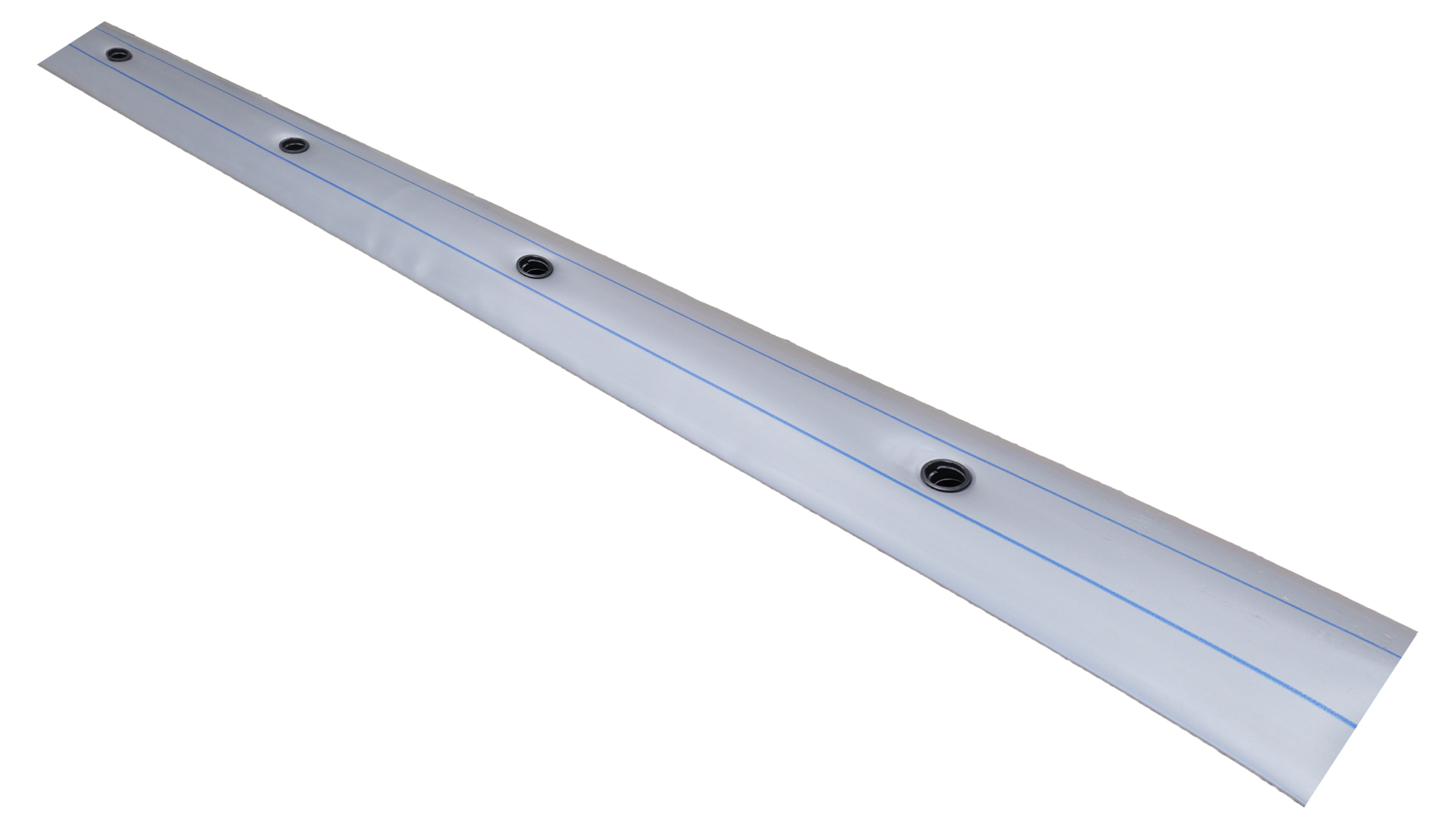
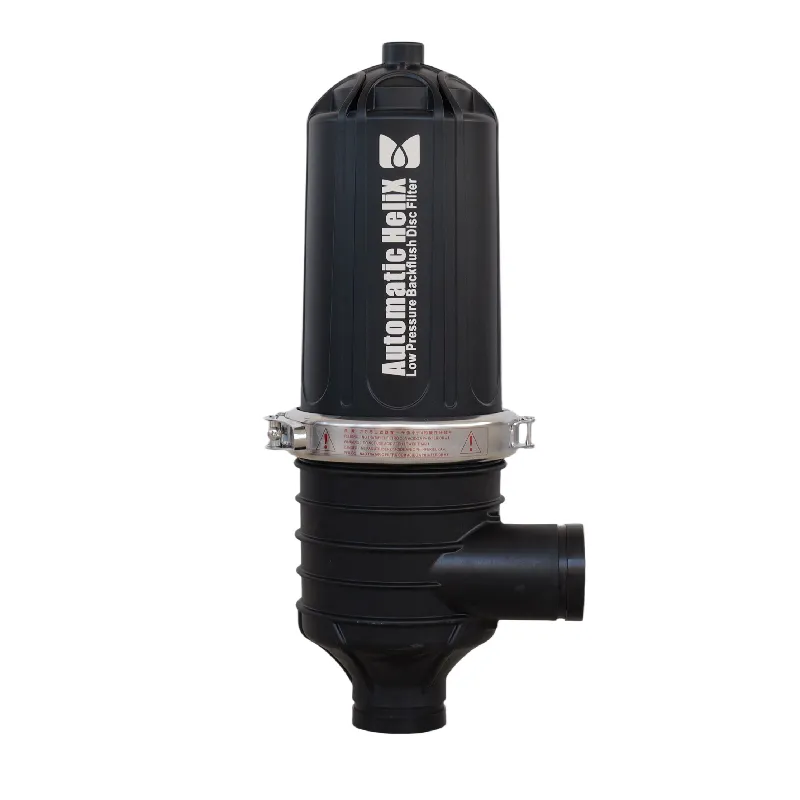
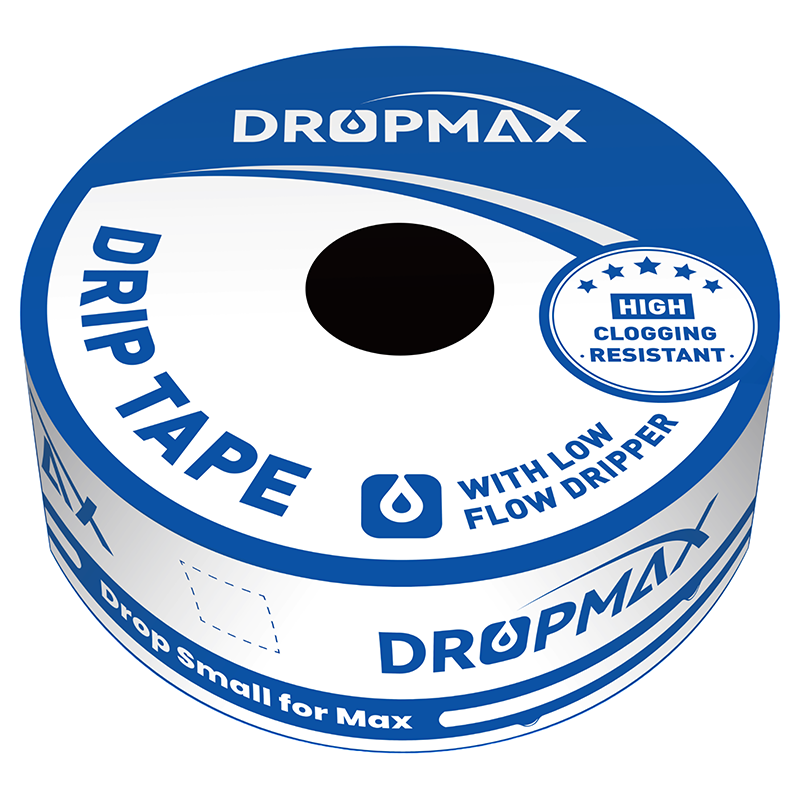
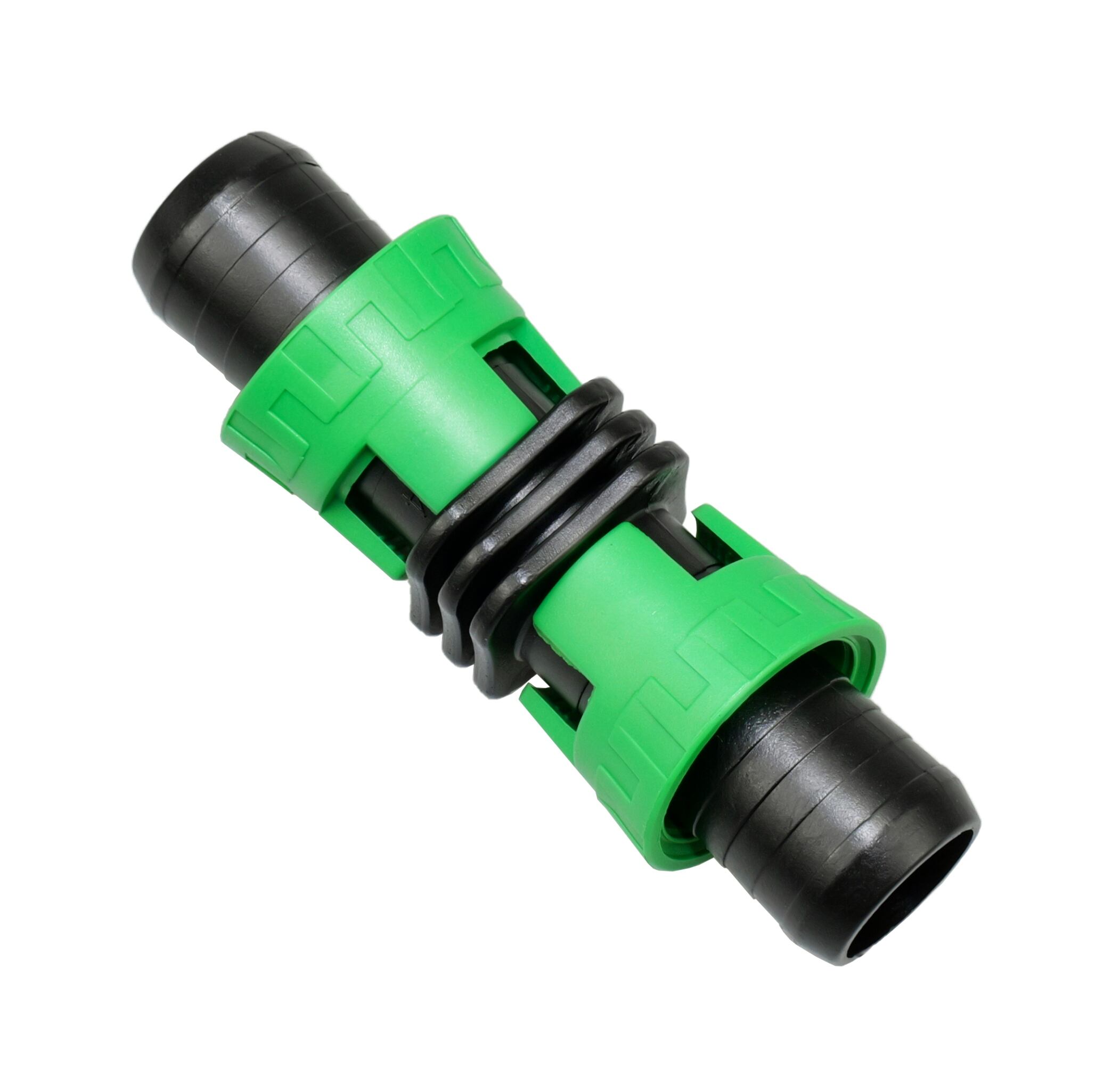
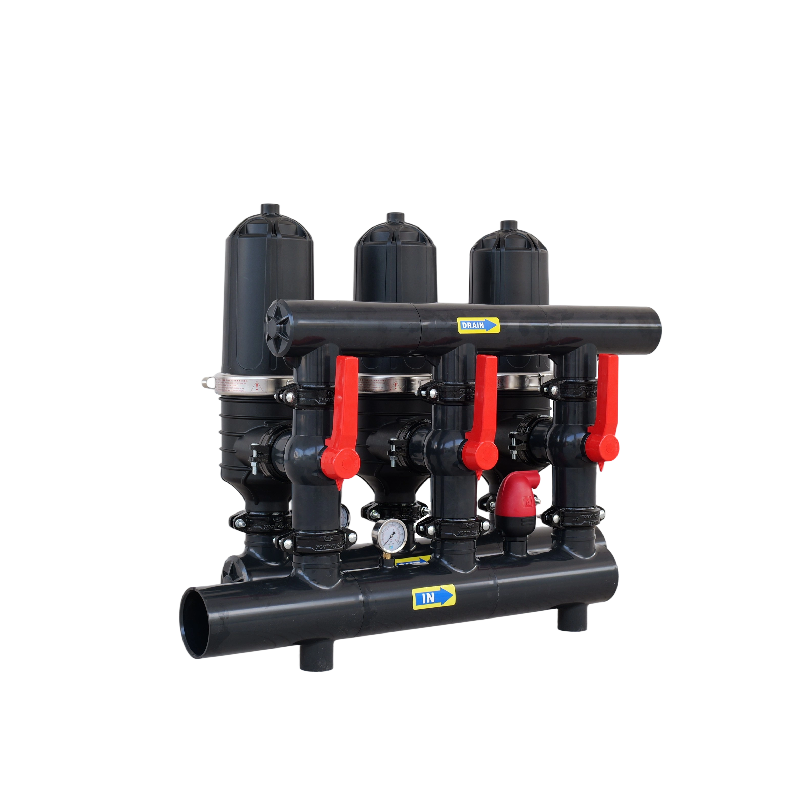
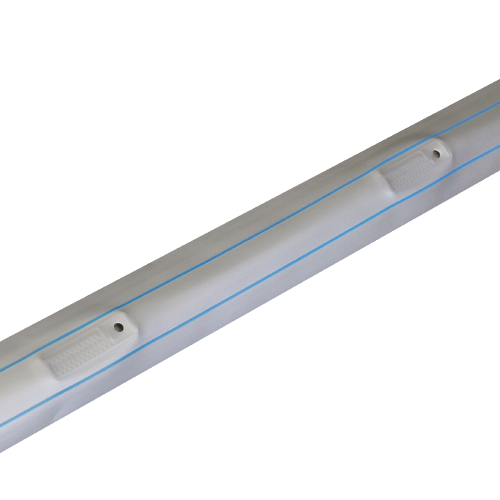
Drip line irrigation systems represent a revolutionary advancement in modern agricultural water management, delivering precise water distribution directly to plant root zones through a network of tubes and emitters. This sophisticated drip line technology consists of polyethylene tubing embedded with pressure-compensating emitters spaced at regular intervals, typically ranging from 6 to 24 inches apart. The drip line operates by maintaining consistent water flow rates regardless of pressure variations, ensuring uniform moisture distribution across entire crop rows. Each emitter within the drip line delivers water at predetermined rates, usually between 0.5 to 2.0 gallons per hour, creating optimal growing conditions for various agricultural applications. The drip line system connects to main water supply lines through filtration units, pressure regulators, and distribution manifolds that control water quality and flow characteristics. Modern drip line configurations incorporate self-flushing mechanisms that prevent clogging from sediments and organic matter, extending operational lifespan significantly. The technological features of drip line systems include turbulent flow path emitters that create consistent water discharge patterns, anti-siphon capabilities preventing contamination, and UV-resistant materials ensuring durability under harsh environmental conditions. Installation flexibility allows drip line systems to accommodate various field topographies, from flat terrain to sloped landscapes with elevation changes up to 30 feet. The drip line technology supports multiple cropping systems including row crops, orchards, vineyards, and greenhouse operations, adapting to different plant spacing requirements and growth patterns. Advanced drip line models feature integrated sensors for soil moisture monitoring, automated scheduling controls, and remote management capabilities through smartphone applications. These systems reduce water consumption by 30-50% compared to traditional irrigation methods while maintaining superior crop yields and quality standards.

Popular Products

The drip line irrigation system delivers exceptional water efficiency that transforms agricultural operations by targeting water delivery precisely where plants need it most. This focused approach eliminates wasteful surface evaporation and reduces water usage by up to 50% compared to sprinkler or flood irrigation methods, creating substantial cost savings for farmers and growers. The drip line system maintains consistent soil moisture levels throughout growing seasons, preventing both drought stress and overwatering conditions that can damage crop development and reduce harvest quality. Farmers experience improved crop yields ranging from 20-90% increases when switching to drip line technology, as plants receive steady water supplies that promote healthy root development and optimal nutrient uptake. The precision of drip line systems allows growers to apply fertilizers and nutrients directly through the irrigation water, a process called fertigation, which enhances nutrient efficiency while reducing fertilizer waste and environmental runoff. Labor costs decrease significantly with drip line installations because automated systems eliminate manual watering tasks and reduce maintenance requirements compared to traditional irrigation equipment. The drip line technology prevents weed growth between crop rows by delivering water only to designated plant zones, reducing herbicide applications and manual cultivation needs. Soil erosion becomes virtually eliminated with drip line systems since water applies gently at ground level without creating surface runoff or displacing topsoil particles. Disease pressure reduces substantially because drip line irrigation keeps plant foliage dry, preventing fungal infections and bacterial diseases that thrive in humid conditions created by overhead watering systems. Energy consumption drops considerably as drip line systems operate at lower pressures than sprinkler systems, requiring smaller pumps and reducing electricity costs for agricultural operations. The versatility of drip line technology accommodates various crop types, field sizes, and geographical conditions, making it suitable for small family farms, commercial agricultural operations, and large-scale farming enterprises. Installation costs prove economical over time through water savings, increased yields, and reduced labor expenses, typically paying for themselves within 2-4 growing seasons depending on crop types and local water costs.

Practical Tips

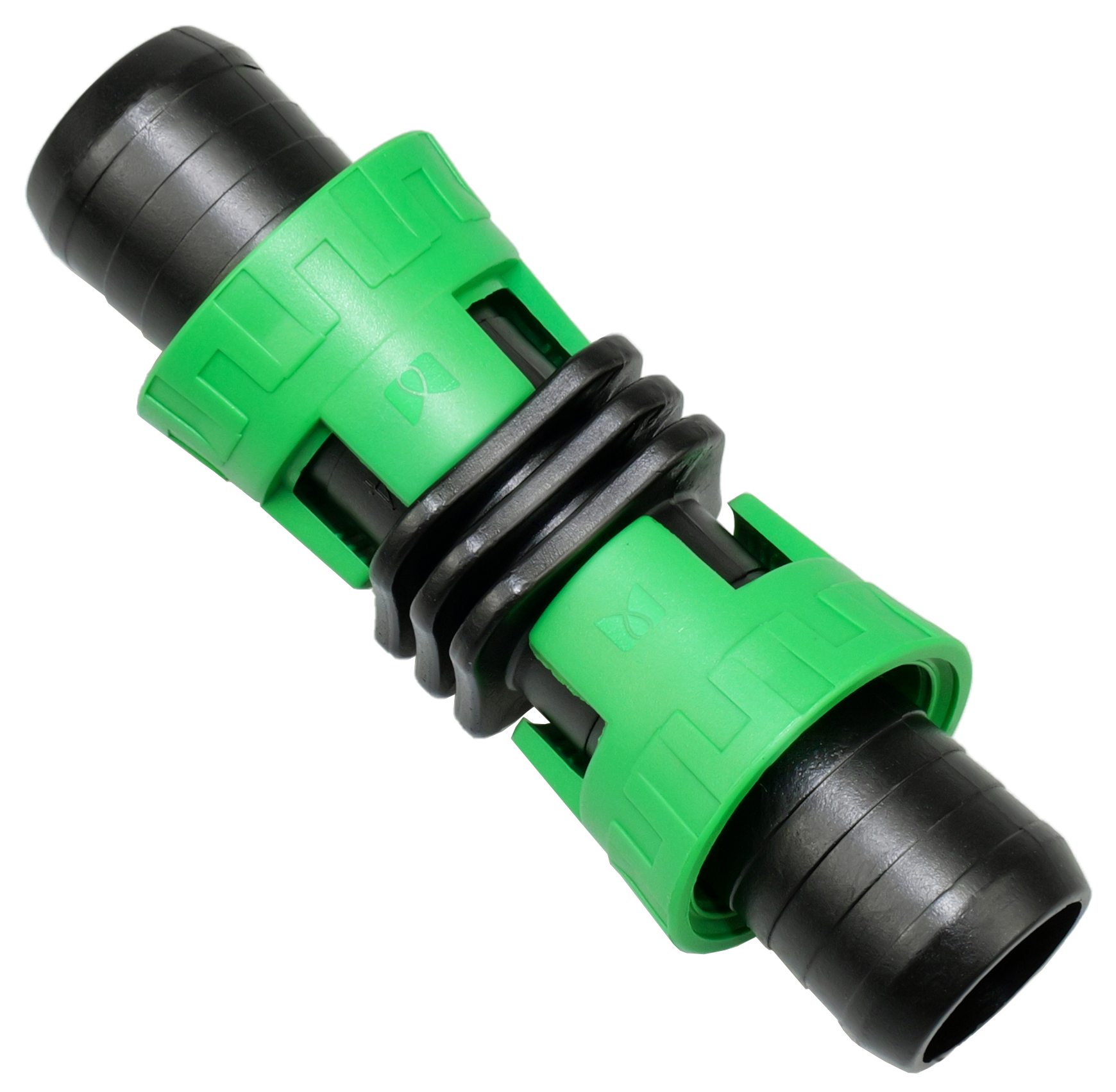
Small Products Play a Crucial Role in Drip Irrigation Systems: Lock Ring Connectors for Drip Tape

15

Apr

Small Products Play a Crucial Role in Drip Irrigation Systems: Lock Ring Connectors for Drip Tape

View More
Flexible Lay Flat Hose: Ultimate Guide for Farm Water Management

16

Jun

Flexible Lay Flat Hose: Ultimate Guide for Farm Water Management

Explore the benefits of lay flat hoses for farm water management, focusing on efficient water distribution, durability, cost-effectiveness, technical specifications, and integration with drip irrigation systems. Enhance your agricultural productivity with lay flat hoses.
View More
Water-Saving Drip Tape Technology Reduces Agricultural Costs

16

Jun

Water-Saving Drip Tape Technology Reduces Agricultural Costs

Discover the mechanics of drip tape technology, its components, and the benefits of smart integration with modern agriculture. Learn about the future innovations in water-efficient farming for sustainable practices.
View More
How Does Agricultural Irrigation Improve Crop Yields?

29

Aug

How Does Agricultural Irrigation Improve Crop Yields?

View More

Get a Free Quote

Our representative will contact you soon.
Email
Name
Company Name
Message
0/1000

drip line

Precision Water Delivery Technology

Precision Water Delivery Technology

The drip line system revolutionizes agricultural irrigation through its advanced precision water delivery technology that ensures every plant receives exactly the right amount of water at the optimal time. This sophisticated drip line mechanism utilizes pressure-compensating emitters engineered with intricate flow paths that maintain consistent water output regardless of pressure fluctuations throughout the system. Each emitter in the drip line delivers water at precisely controlled rates, typically between 0.5 to 2.0 gallons per hour, creating uniform moisture distribution that promotes healthy plant development and maximizes crop productivity. The precision technology embedded within drip line systems eliminates the guesswork associated with traditional irrigation methods by providing measurable, repeatable water applications that farmers can adjust based on specific crop requirements and environmental conditions. Advanced drip line configurations incorporate self-compensating features that automatically adjust water flow when pressure variations occur due to elevation changes, pipe friction, or system fluctuations, ensuring consistent performance across entire agricultural fields. The technology behind drip line emitters includes turbulent flow mechanisms that create consistent water discharge patterns while preventing clogging from sediments, minerals, and organic particles that commonly plague conventional irrigation systems. This precision approach allows farmers to implement precise irrigation scheduling based on plant growth stages, soil conditions, and weather patterns, optimizing water usage while maintaining ideal growing conditions throughout crop development cycles. The drip line precision technology supports variable rate irrigation applications where different zones within the same field can receive customized water amounts based on soil types, plant varieties, or microclimatic conditions, maximizing agricultural efficiency and crop uniformity. Modern drip line systems integrate with smart irrigation controllers and soil moisture sensors that provide real-time data feedback, enabling automated precision irrigation that responds instantly to changing plant water needs and environmental conditions, creating truly intelligent agricultural water management solutions.
Superior Water Conservation and Environmental Benefits

Superior Water Conservation and Environmental Benefits

Drip line irrigation systems deliver outstanding water conservation benefits that address critical environmental challenges while providing substantial economic advantages for agricultural operations worldwide. The water conservation capabilities of drip line technology stem from its targeted delivery approach that applies water directly to plant root zones, eliminating surface evaporation losses that typically waste 25-50% of applied irrigation water in conventional systems. This precise water application method achieved through drip line systems reduces overall water consumption by 30-70% compared to flood irrigation and 20-40% compared to sprinkler systems, creating significant water savings that benefit both farm economics and regional water resource management. The environmental benefits of drip line technology extend beyond water conservation to include substantial reductions in agricultural runoff that carries fertilizers, pesticides, and sediments into nearby waterways and groundwater systems. By applying water slowly and directly to plant root zones, drip line systems virtually eliminate surface runoff, protecting local ecosystems and preventing contamination of streams, rivers, and aquifers that serve as critical water sources for communities and wildlife. The controlled water application provided by drip line systems prevents soil erosion and maintains soil structure integrity, preserving valuable topsoil that takes decades to develop naturally and serves as the foundation for sustainable agricultural production. Drip line irrigation creates optimal conditions for beneficial soil microorganisms by maintaining consistent moisture levels without creating waterlogged conditions that can harm soil biology and reduce nutrient cycling efficiency. The water conservation achieved through drip line technology helps farmers maintain productive operations during drought conditions or water restrictions, providing resilience against climate variability and ensuring food security in water-stressed regions. Energy conservation represents another significant environmental benefit of drip line systems, as lower operating pressures require smaller pumps and reduced electricity consumption compared to high-pressure sprinkler systems, decreasing carbon footprint and operational costs simultaneously while supporting sustainable farming practices that benefit future generations.
Versatile Installation and Crop Compatibility

Versatile Installation and Crop Compatibility

The remarkable versatility of drip line systems makes them suitable for an extensive range of agricultural applications, from small-scale specialty crops to large commercial farming operations spanning thousands of acres. Drip line technology accommodates virtually every crop type including vegetables, fruits, nuts, grains, and ornamental plants, with customizable emitter spacing and flow rates that match specific plant requirements and growing patterns. Installation flexibility represents a key strength of drip line systems, as they adapt to various field topographies including flat terrain, sloped landscapes, terraced fields, and irregularly shaped growing areas without compromising irrigation uniformity or system performance. The modular design of drip line components allows farmers to easily expand or modify their irrigation systems as crop rotations change, field boundaries shift, or farming operations grow, providing long-term adaptability that protects equipment investments over multiple growing seasons. Drip line systems integrate seamlessly with existing farm infrastructure including wells, pumps, storage tanks, and filtration equipment, minimizing installation complexity and reducing startup costs for farmers transitioning from conventional irrigation methods. The compatibility of drip line technology with various soil types, from sandy soils with high infiltration rates to clay soils with slower water absorption characteristics, ensures optimal performance across diverse agricultural regions and growing conditions. Greenhouse and controlled environment agriculture benefit tremendously from drip line systems that provide precise water control in confined spaces while preventing excess humidity that can promote plant diseases and reduce air quality. Specialty applications such as landscape irrigation, nursery operations, and urban agriculture utilize drip line technology to maintain healthy plant growth while conserving water resources and reducing maintenance requirements in space-limited environments. The scalability of drip line systems allows implementation in operations ranging from backyard gardens to commercial farms exceeding 10,000 acres, with proportional cost structures that make the technology economically viable for farmers of all sizes. Seasonal crop production benefits from drip line portability options that allow system relocation between fields or storage during off-seasons, maximizing equipment utilization and return on investment while providing flexibility for crop rotation strategies and land management practices.
Get a Free Quote

Our representative will contact you soon.
Email
Name
Company Name
Message
0/1000