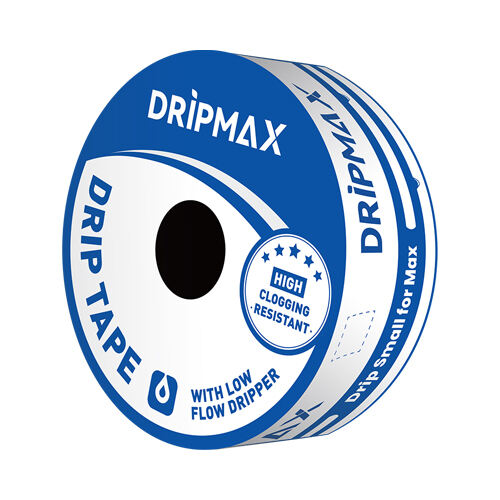
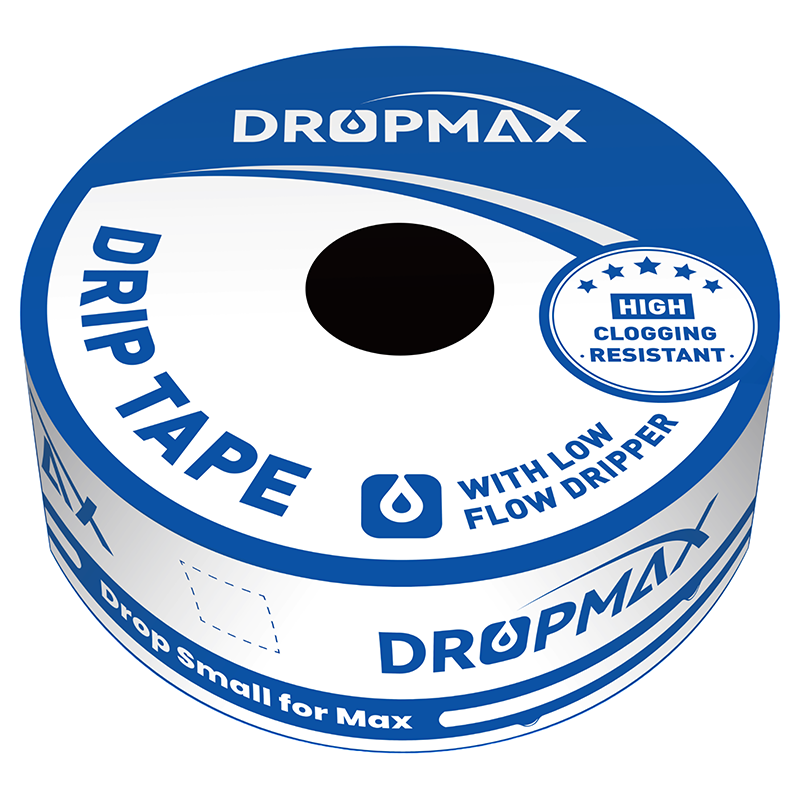
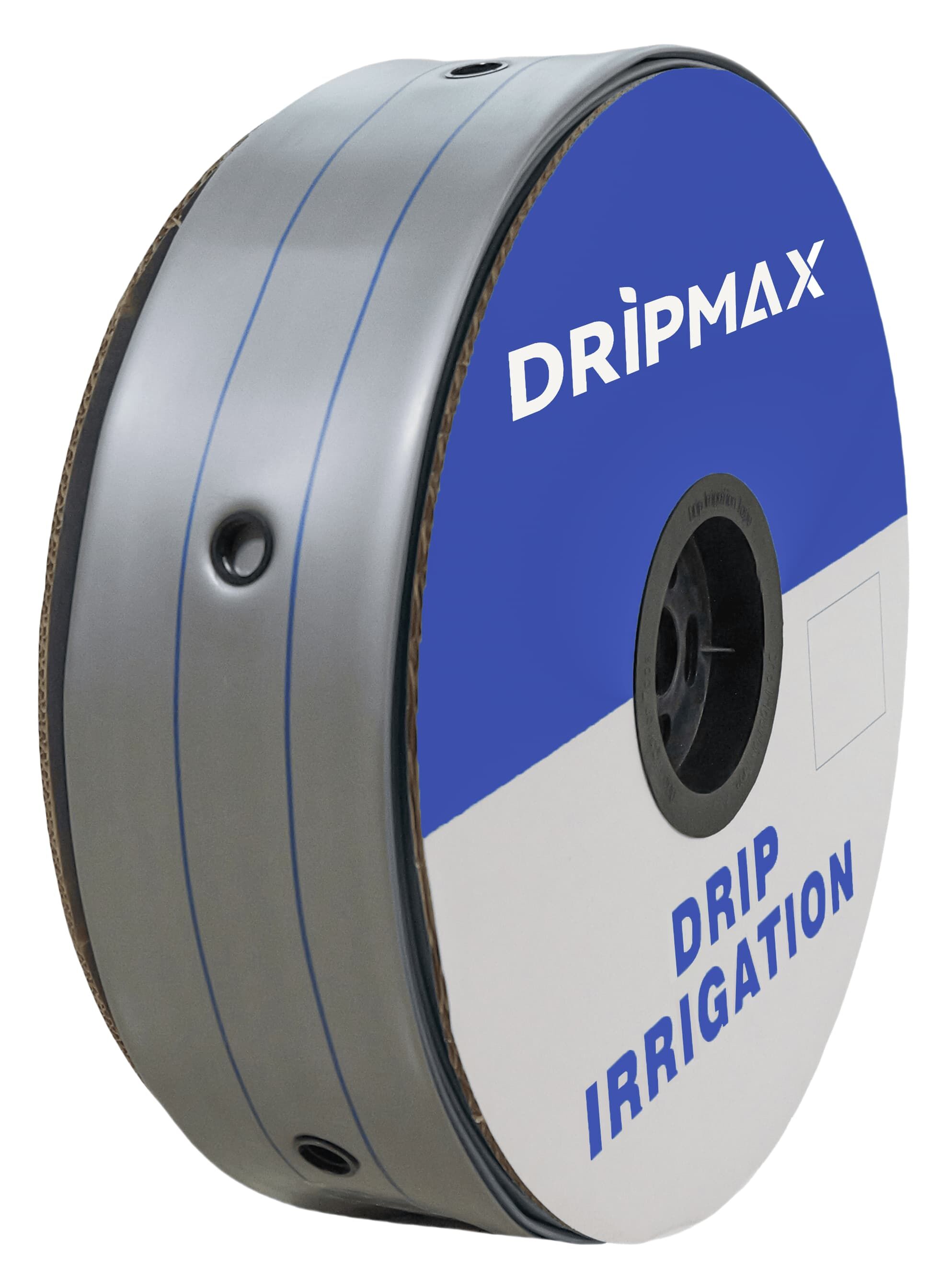
drip line irrigation installation
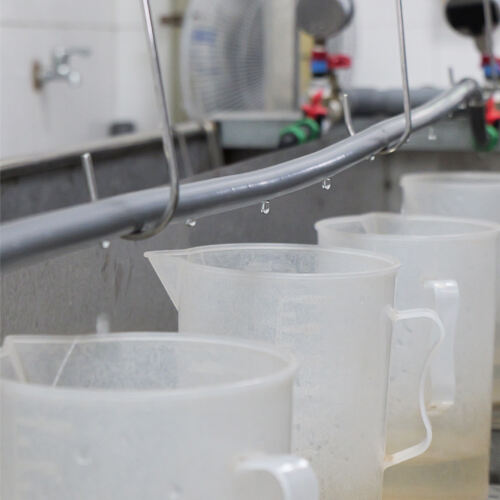
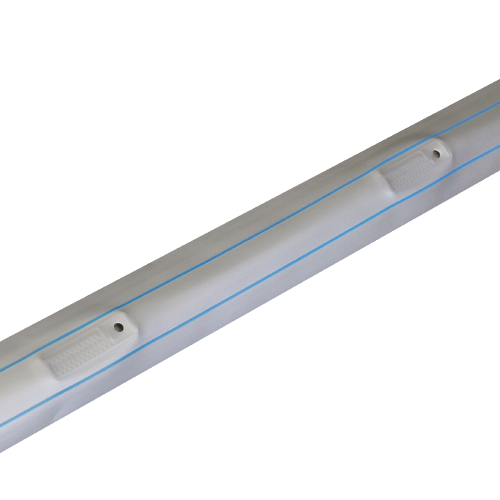
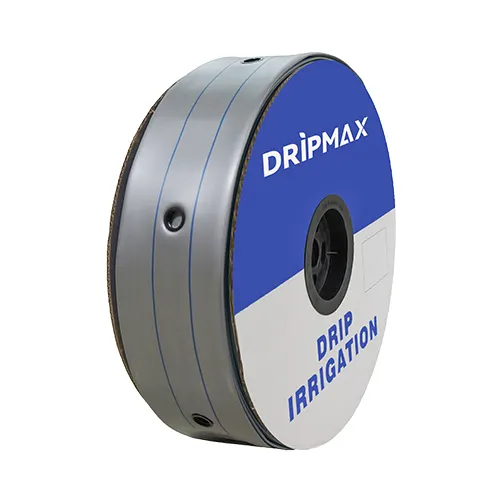
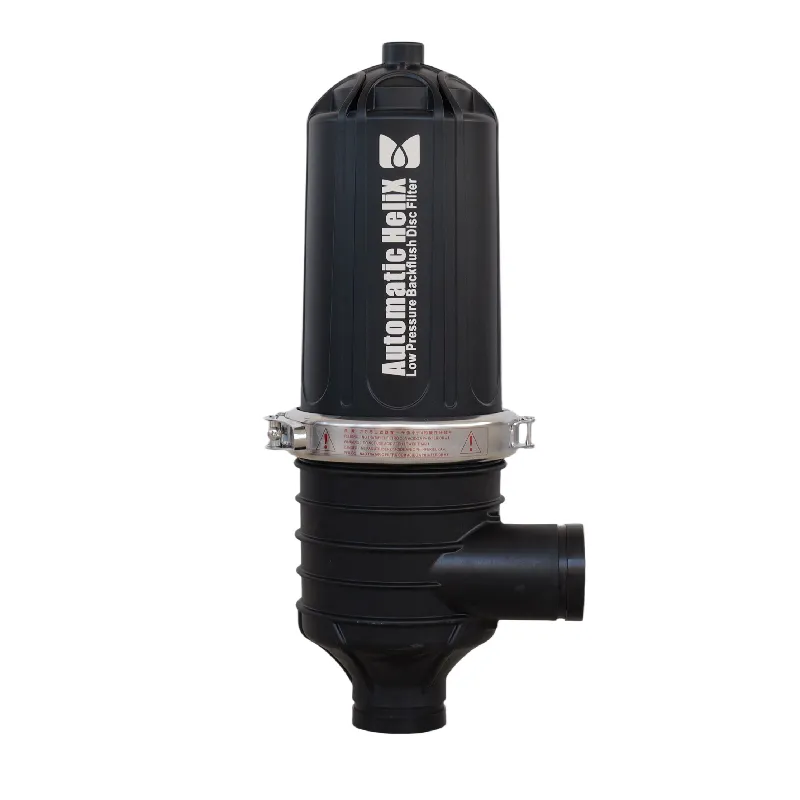
Drip line irrigation installation represents a revolutionary approach to water management in agriculture and landscaping. This sophisticated system delivers water directly to plant roots through a network of tubes, emitters, and control mechanisms. The drip line irrigation installation process involves laying flexible polyethylene tubing along crop rows or around individual plants, with precision-engineered emitters spaced at specific intervals. These emitters release water at controlled rates, typically measured in gallons per hour, ensuring optimal moisture levels without waste. The technological foundation of drip line irrigation installation relies on pressure-compensating emitters that maintain consistent flow rates regardless of terrain variations or pressure fluctuations. Advanced filtration systems prevent clogging, while automated timers and sensors can control watering schedules based on soil moisture, weather conditions, and plant requirements. Modern drip line irrigation installation incorporates smart technology features including WiFi connectivity, smartphone apps, and weather station integration for enhanced automation. The system's modular design allows for easy expansion and customization to accommodate various crop types, field sizes, and topographical challenges. Applications span from small residential gardens to large commercial farms, greenhouse operations, and municipal landscaping projects. Agricultural producers utilize drip line irrigation installation for row crops like vegetables, berries, and vineyard applications where precise water delivery is crucial. Landscapers employ these systems for efficient watering of ornamental plants, trees, and shrubs in both residential and commercial settings. The installation process requires careful planning, including soil analysis, water source evaluation, and hydraulic calculations to ensure proper system sizing and performance. Professional installation ensures optimal emitter spacing, appropriate pressure regulation, and proper filtration to maximize system longevity and effectiveness.

 EN
EN