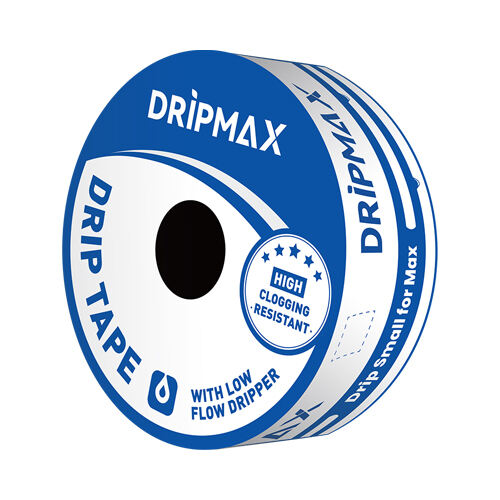

Professional Irrigation Drip Line Systems - Efficient Water Conservation Technology

All Categories

Get a Free Quote

Our representative will contact you soon.
Email
Name
Whats App
Message
0/1000

irrigation drip line

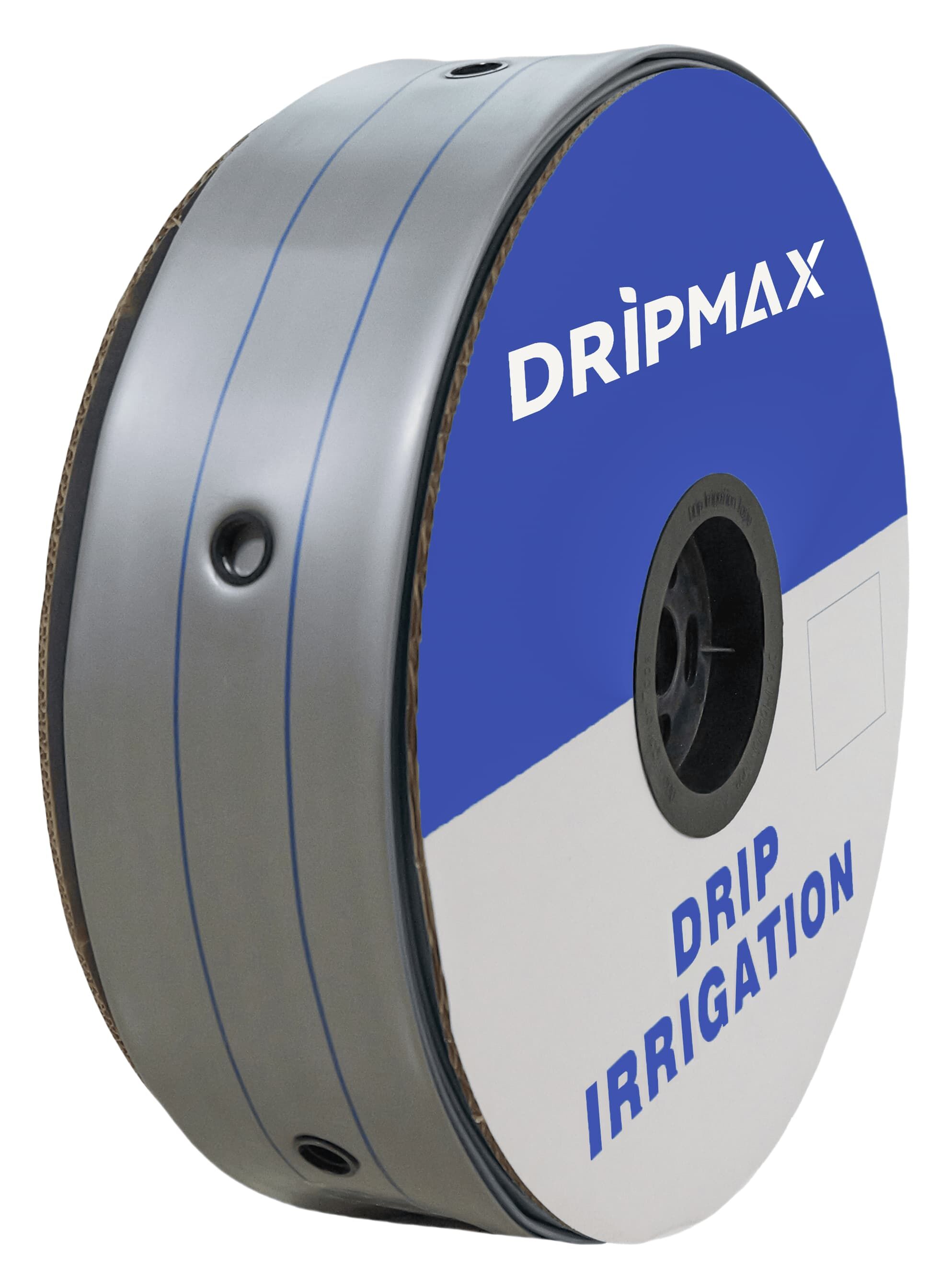
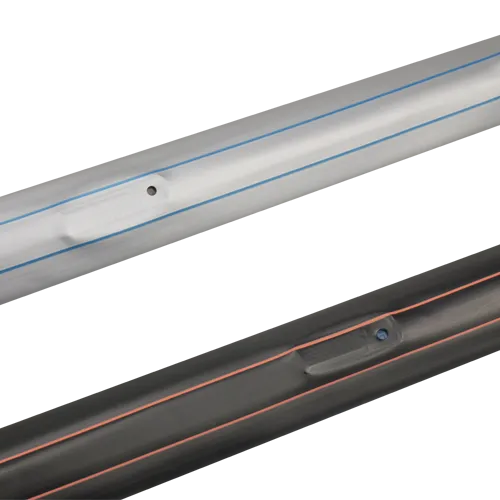
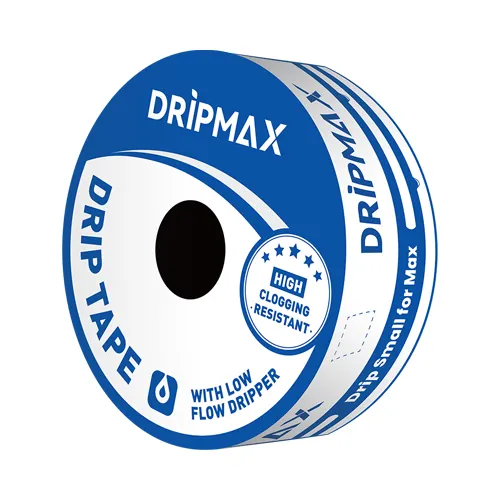
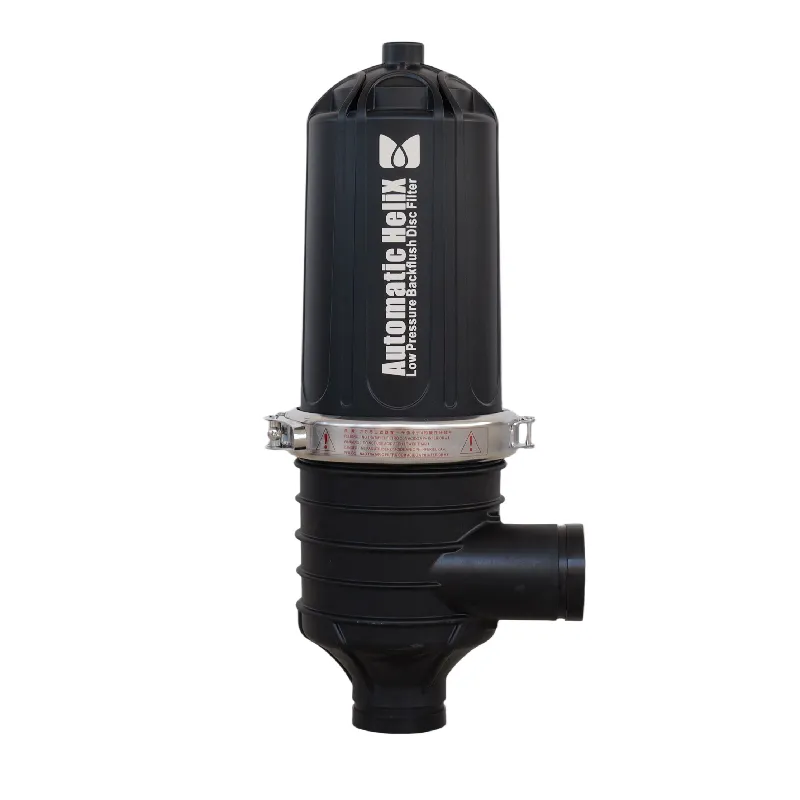
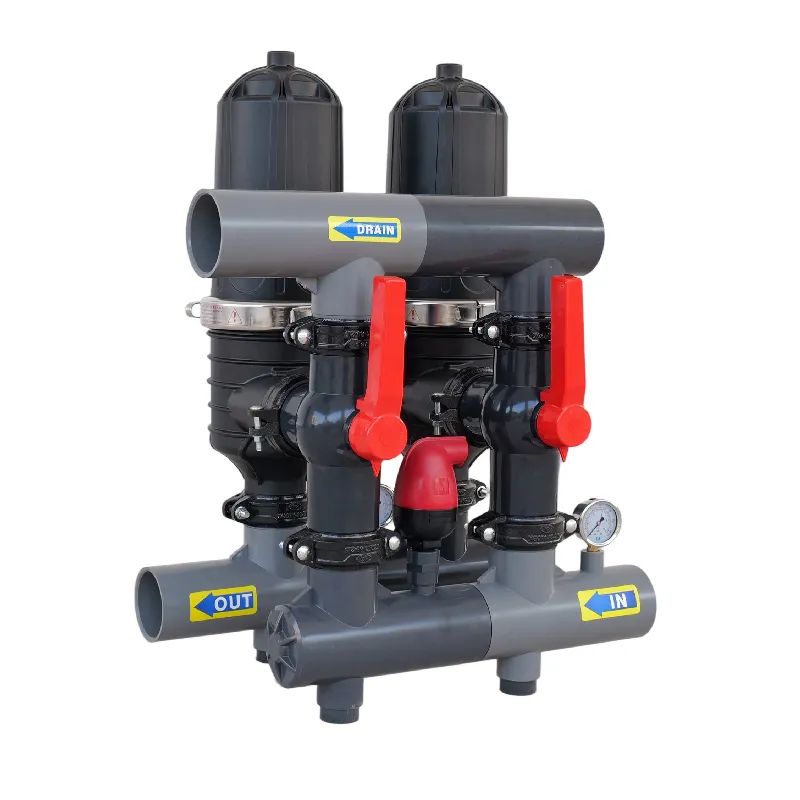
An irrigation drip line represents a revolutionary water delivery system that transforms how plants receive moisture and nutrients. This precision irrigation technology consists of specialized tubing equipped with evenly spaced emitters that release water directly to plant root zones. The irrigation drip line operates through a network of flexible polyethylene pipes that distribute water at controlled rates, ensuring optimal plant hydration while minimizing waste. The system incorporates pressure-compensating technology that maintains consistent water flow regardless of terrain elevation changes or distance from the water source. Modern irrigation drip line systems feature self-flushing capabilities that prevent clogging and extend operational lifespan. The tubing material resists UV degradation and maintains flexibility across various temperature ranges, making it suitable for diverse climatic conditions. Installation requires minimal excavation since the irrigation drip line can be placed on the surface or buried shallow depths. The system connects to standard water sources through filtration units that remove debris and particles that could obstruct emitter function. Advanced irrigation drip line configurations include pressure regulation valves that optimize water distribution across extensive coverage areas. The technology accommodates various crop types through adjustable flow rates and emitter spacing options. Agricultural professionals utilize irrigation drip line systems for row crops, orchards, vineyards, and greenhouse operations. Residential gardeners implement these systems for vegetable gardens, flower beds, and landscape maintenance. The irrigation drip line delivers water at rates matching plant uptake capacity, preventing both drought stress and overwatering conditions. This targeted approach reduces soil erosion and nutrient leaching while promoting healthy root development. The system operates efficiently with low-pressure requirements, making it compatible with gravity-fed water sources and solar-powered pumping systems. Modern irrigation drip line installations incorporate smart controllers that automate watering schedules based on weather conditions, soil moisture levels, and plant growth stages.

New Products

The irrigation drip line delivers exceptional water conservation benefits that significantly reduce consumption compared to traditional sprinkler systems. This efficient technology applies water directly where plants need it most, eliminating waste from evaporation and runoff. Users typically experience 30-50% water savings when switching to an irrigation drip line system from conventional overhead watering methods. The precise water delivery mechanism prevents moisture loss to wind drift and surface evaporation, ensuring maximum utilization of every drop. Farmers and gardeners achieve superior crop yields through the consistent moisture levels that irrigation drip line systems provide. Plants receive steady hydration that promotes robust root development and enhanced nutrient uptake. The controlled water application reduces plant stress and creates optimal growing conditions that boost productivity. Weed suppression becomes more manageable since the irrigation drip line delivers water only to desired plant locations, leaving surrounding soil dry and inhospitable to unwanted vegetation. This targeted approach reduces herbicide requirements and manual weeding labor. The system prevents leaf moisture that often leads to fungal diseases and pest infestations common with overhead watering. Plant health improves dramatically when foliage remains dry while roots receive adequate hydration. Installation costs remain surprisingly affordable, with the irrigation drip line system requiring minimal infrastructure investment compared to permanent sprinkler installations. The flexible design adapts to irregular terrain and existing landscape features without extensive site preparation. Maintenance requirements stay minimal since the irrigation drip line system operates with fewer mechanical components than complex sprinkler systems. Users can easily replace individual emitters or sections without disrupting the entire network. Energy costs decrease substantially because the irrigation drip line operates efficiently at low pressures, reducing pumping requirements. Solar-powered systems become viable options for remote locations without electrical access. Time savings multiply as automated irrigation drip line systems eliminate daily manual watering tasks. Users program watering schedules that operate independently, freeing time for other agricultural or gardening activities. The system provides consistent results regardless of weather conditions or operator availability. Fertilizer efficiency increases when nutrients are delivered through the irrigation drip line directly to root zones, reducing application rates while improving plant uptake. This fertigation capability eliminates separate fertilizer application steps and ensures even nutrient distribution.

Tips And Tricks

Durable Drip Tape Solutions for Efficient Agricultural Irrigation Systems

Durable Drip Tape Solutions for Efficient Agricultural Irrigation Systems

Explore the benefits and techniques of drip tape irrigation systems in modern agriculture. Learn how these systems improve water efficiency, crop yield, and sustainability while reducing waste and fostering environmental stewardship.
View More
 Comparing Traditional vs. Modern Drip Irrigation Tape Systems

23

Jul

Comparing Traditional vs. Modern Drip Irrigation Tape Systems

Discover the key differences between traditional and modern drip irrigation systems, highlighting water efficiency, technological advancements, and cost-effectiveness. Learn how modern systems improve water conservation, crop yield, and sustainability in agriculture.
View More
How DripMax's Agricultural Irrigation Systems Boost Productivity

23

Jul

How DripMax's Agricultural Irrigation Systems Boost Productivity

Explore the comprehensive guide to drip irrigation technology, its role in modern agriculture, and the advancements made by systems like DripMax. Discover how this method optimizes water use, enhances crop yields, and supports sustainable practices in farming.
View More
 Prevent Clogging: Self-Cleaning Drip Tape Technology Explained

23

Jul

Prevent Clogging: Self-Cleaning Drip Tape Technology Explained

Explore the challenges of drip system clogging and discover innovative solutions with self-cleaning drip tape technology. Learn about common causes of blockages, benefits of self-cleaning systems, and installation best practices.
View More

Get a Free Quote

Our representative will contact you soon.
Email
Name
Company Name
Message
0/1000

irrigation drip line

Precision Water Control Technology

Precision Water Control Technology

The irrigation drip line incorporates advanced pressure-compensating emitters that deliver exact water volumes regardless of system variations. This sophisticated technology ensures uniform water distribution across the entire network, preventing some plants from receiving excess moisture while others experience drought conditions. Each emitter within the irrigation drip line system features built-in pressure regulation that maintains consistent flow rates even when elevation changes occur across the installation area. The precision control mechanism allows users to customize water delivery rates based on specific plant requirements, soil types, and environmental conditions. Different emitter configurations provide flow rates ranging from 0.5 to 4 gallons per hour, accommodating everything from delicate seedlings to established trees. The irrigation drip line system maintains accuracy through self-flushing emitters that prevent debris accumulation and clogging issues. This automatic cleaning action extends system lifespan while ensuring reliable performance throughout the growing season. Advanced filtration components remove particles and sediments that could interfere with emitter function, protecting the precision mechanisms within each outlet. The technology responds instantly to pressure fluctuations, automatically adjusting internal components to maintain target flow rates. This responsiveness eliminates the need for manual pressure adjustments and ensures consistent plant hydration regardless of system demand variations. Users can create zones with different watering requirements by selecting appropriate emitter spacings and flow rates for each area. The irrigation drip line system accommodates multiple crop types within a single installation, optimizing water delivery for diverse plant needs. Installation flexibility allows the system to follow natural contours and navigate around obstacles while maintaining precise water control. The technology integrates seamlessly with automated controllers and sensors that monitor soil moisture, weather conditions, and plant growth stages. Smart irrigation drip line systems can adjust watering schedules automatically based on real-time data, optimizing water usage and plant health. This precision technology eliminates guesswork from irrigation management, providing measurable results and predictable outcomes for agricultural and landscaping applications.
Superior Durability and Longevity

Superior Durability and Longevity

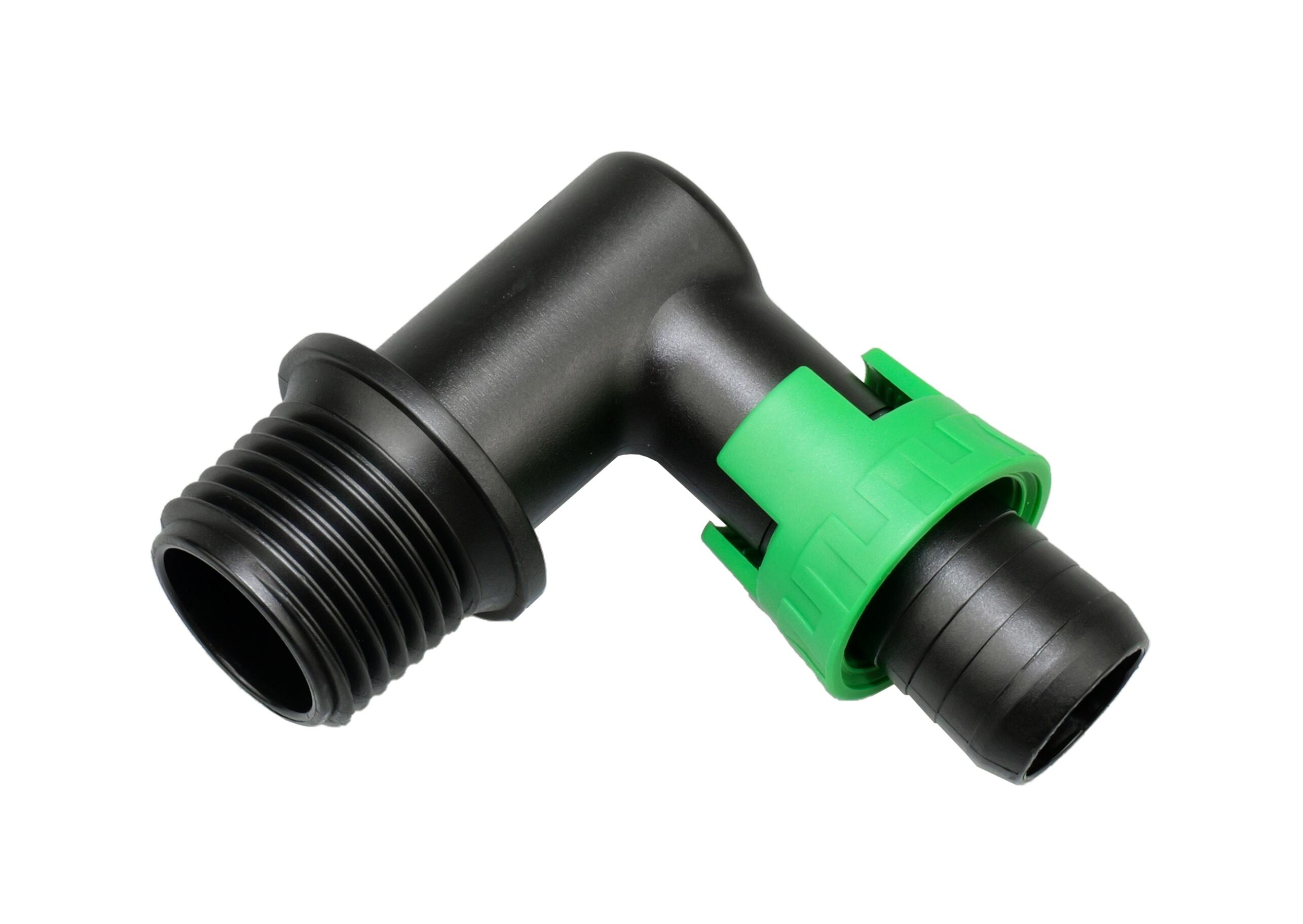
The irrigation drip line construction utilizes premium polyethylene materials engineered to withstand harsh environmental conditions while maintaining consistent performance over extended periods. This robust tubing resists UV radiation degradation that commonly affects lower-grade irrigation products, ensuring reliable operation under intense sunlight exposure. The material composition includes stabilizers that prevent cracking and brittleness even after years of temperature fluctuations and weather exposure. Extensive testing demonstrates that quality irrigation drip line systems maintain structural integrity for 15-20 years under normal operating conditions, providing exceptional return on investment. The tubing flexibility remains constant across temperature ranges from freezing conditions to extreme heat, preventing damage during seasonal changes. Chemical resistance properties protect the irrigation drip line from fertilizer corrosion and soil chemical interactions that can degrade inferior products. The emitter construction features durable components that resist clogging from mineral deposits and organic matter commonly found in agricultural water sources. Self-cleaning mechanisms within each emitter extend operational life by preventing accumulation of debris that could impair function. The irrigation drip line system maintains consistent performance despite exposure to agricultural chemicals, pesticides, and soil amendments that might damage other irrigation components. Buried installations benefit from additional protection against mechanical damage while surface applications resist impacts from farm equipment and maintenance activities. The connection systems utilize reliable fittings that create secure joints resistant to pressure variations and thermal expansion. Quality control processes ensure each section of irrigation drip line meets strict manufacturing standards for wall thickness, emitter placement, and material consistency. Field testing confirms that properly installed systems continue delivering precise water volumes throughout their service life without significant performance degradation. The longevity advantage reduces replacement costs and maintenance downtime that plague inferior irrigation systems. Users invest confidently knowing their irrigation drip line system will provide reliable service for decades, justifying initial costs through extended operational life. Warranty protection typically covers defects and premature failures, demonstrating manufacturer confidence in product durability. This superior construction quality makes the irrigation drip line an ideal choice for commercial agriculture operations requiring dependable irrigation infrastructure that operates efficiently year after year.
Versatile Application Flexibility

Versatile Application Flexibility

The irrigation drip line system adapts seamlessly to diverse agricultural and landscaping applications, from small residential gardens to expansive commercial farming operations. This remarkable versatility stems from modular design components that allow customization for specific crop requirements, terrain conditions, and water source limitations. Agricultural producers utilize irrigation drip line systems for row crops including vegetables, cotton, and grain production, achieving optimal plant spacing and water distribution patterns. Orchard and vineyard installations benefit from the system's ability to accommodate permanent plantings with varying mature sizes and water requirements. The irrigation drip line configuration adjusts easily for different tree spacing and can be modified as plants grow and mature over multiple seasons. Greenhouse and nursery operations rely on the precision control that irrigation drip line systems provide for container plants and hydroponic growing systems. The technology scales from small hobby greenhouses to massive commercial production facilities without compromising performance or efficiency. Landscape contractors implement irrigation drip line systems for residential and commercial properties, creating efficient watering solutions for flower beds, shrub borders, and ground cover areas. The system installation works equally well in formal garden designs and natural landscape settings, adapting to existing site conditions without major modifications. Sports turf and golf course applications utilize irrigation drip line technology for specialized areas requiring precise moisture control, such as tee boxes and green surrounds. The system operates effectively with various water sources including municipal supplies, wells, ponds, and recycled water systems. Installation methods accommodate different soil types from sandy conditions to heavy clay, with burial depths adjustable based on frost protection requirements and cultivation practices. Temporary installations serve seasonal crops and annual plantings, while permanent systems support perennial landscapes and established agricultural operations. The irrigation drip line system integrates with existing infrastructure including pumps, filters, and control systems, minimizing conversion costs for facilities upgrading from other irrigation methods. Remote location installations benefit from the low-pressure operation that enables solar-powered and gravity-fed water delivery systems. This application flexibility ensures that irrigation drip line technology provides optimal solutions regardless of project scope, budget constraints, or site-specific challenges.


Get a Free Quote

Our representative will contact you soon.
Email
Name
Company Name
Message
0/1000