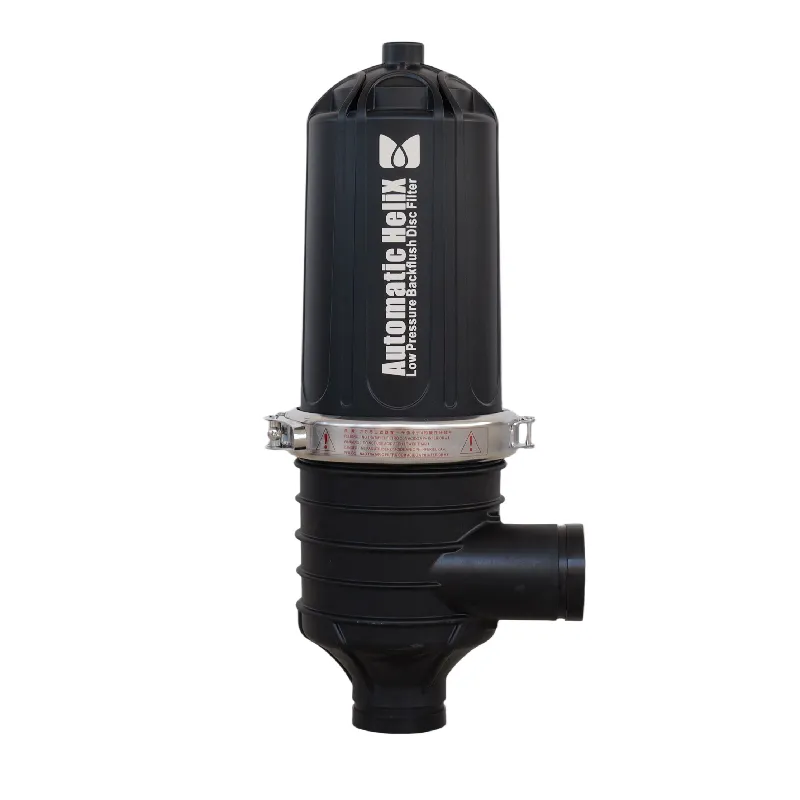
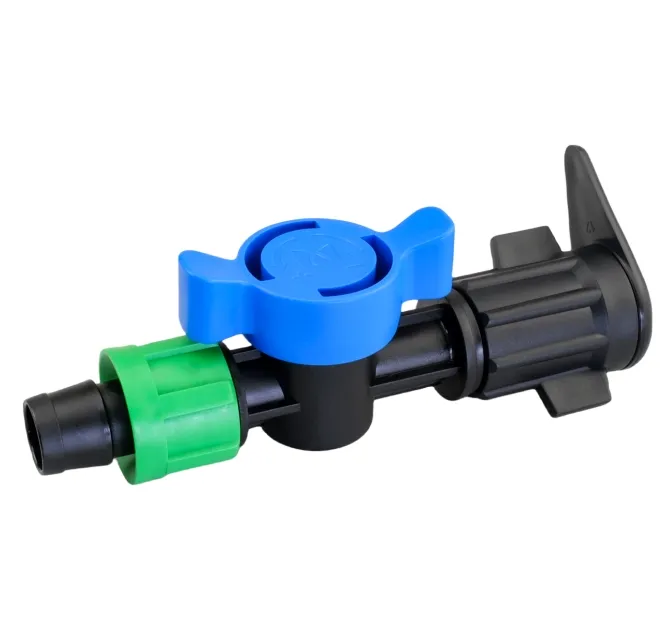
flexible drip line
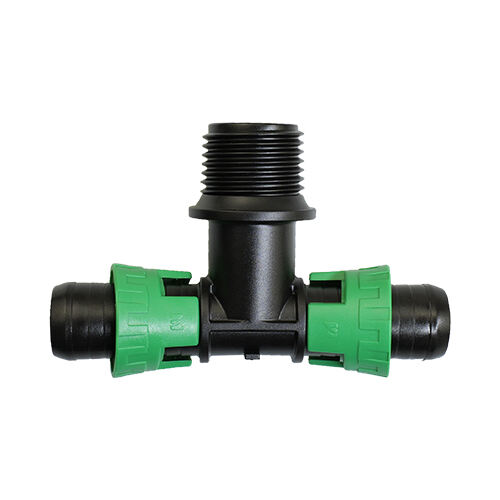

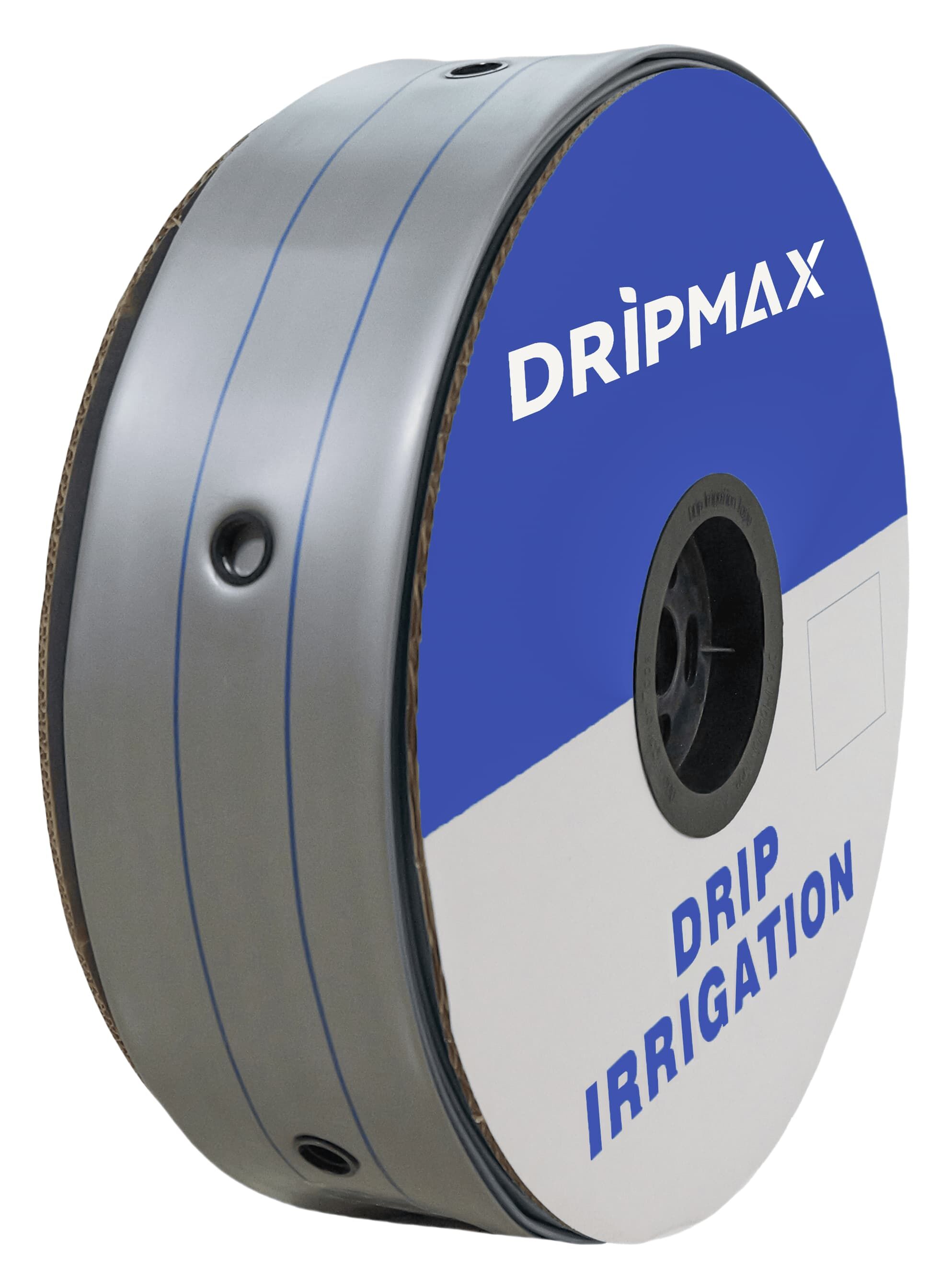
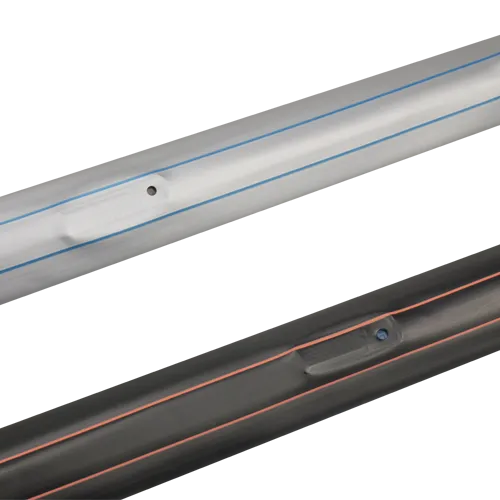
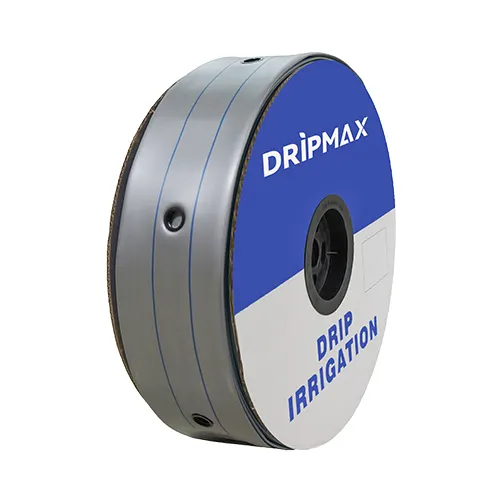
The flexible drip line represents a revolutionary advancement in precision irrigation technology, designed to deliver water and nutrients directly to plant root zones with exceptional efficiency and control. This innovative irrigation system consists of a lightweight, flexible tube embedded with precisely engineered emitters that release water at predetermined intervals and flow rates. The flexible drip line operates on the principle of low-pressure water distribution, ensuring consistent moisture delivery across agricultural fields, gardens, and landscape installations. The system's primary function centers on water conservation while maximizing crop yields and plant health through targeted hydration strategies. The technological foundation of the flexible drip line incorporates advanced manufacturing processes that create uniform wall thickness and emitter spacing, resulting in predictable water distribution patterns. The tube construction utilizes high-grade polyethylene materials that resist UV degradation, chemical corrosion, and physical damage from environmental factors. Each emitter features pressure-compensating technology that maintains consistent flow rates despite variations in topography and water pressure throughout the system. The flexible drip line accommodates various installation methods, including surface placement, shallow burial, and subsurface positioning, depending on crop requirements and environmental conditions. Applications span across diverse agricultural sectors, including row crops, orchards, vineyards, vegetable production, greenhouse cultivation, and residential landscaping projects. The system excels in areas with water scarcity challenges, irregular terrain, and crops requiring precise moisture management. Commercial growers utilize flexible drip line systems to optimize fertilizer application through fertigation, combining irrigation and nutrition delivery in a single efficient process. The technology supports sustainable farming practices by reducing water waste, minimizing soil erosion, and preventing nutrient runoff that can contaminate surrounding water sources.

 EN
EN