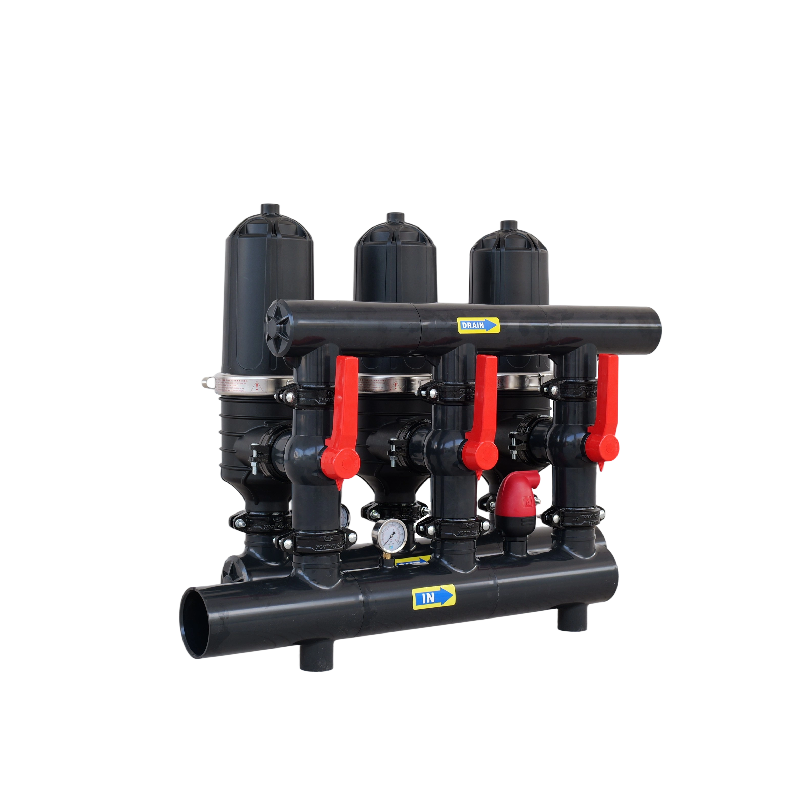
Energy-Free Autonomous Operation
The irrigation hydraulic valve operates completely autonomously without requiring electrical power, compressed air, or external energy sources, representing a revolutionary advancement in sustainable agricultural water management technology. This energy-free operation principle utilizes the inherent hydraulic energy present in pressurized irrigation systems, converting water pressure into mechanical force that drives valve operation and control functions. The autonomous design eliminates dependency on electrical grid connections, battery systems, or fuel-powered generators that add complexity and ongoing operational costs to irrigation systems. The irrigation hydraulic valve's self-contained operation means it continues functioning during power outages, equipment failures, or maintenance activities that might disable electrically-powered irrigation controls. This reliability proves particularly valuable in remote agricultural areas where electrical infrastructure may be unreliable or non-existent, allowing farmers to maintain consistent irrigation schedules regardless of external power availability. The energy-free design contributes significantly to sustainable farming practices by reducing the carbon footprint associated with irrigation system operation while eliminating ongoing electricity consumption costs. The irrigation hydraulic valve requires no programming, calibration, or electronic interface training, making it accessible to farmers with varying technical backgrounds and reducing the complexity of irrigation system management. The autonomous operation includes automatic startup and shutdown capabilities that respond to system pressure conditions, eliminating the need for manual valve operation or remote monitoring systems. This self-managing characteristic reduces labor requirements and allows farmers to allocate human resources to other critical agricultural activities while maintaining optimal water distribution. The irrigation hydraulic valve's energy-free operation extends to all control functions, including flow adjustment, pressure compensation, and safety shutdown procedures that protect crops and equipment from water-related damage. The autonomous design philosophy eliminates concerns about electromagnetic interference, lightning strikes, or electrical component degradation that can affect electronically-controlled irrigation systems. The irrigation hydraulic valve continues operating effectively in extreme weather conditions where electrical systems might fail, providing farmers with dependable water control that supports crop production regardless of environmental challenges.



 EN
EN