irrigation pressure reducing valve
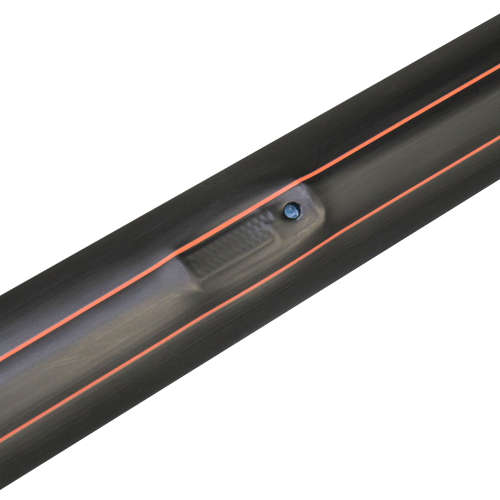
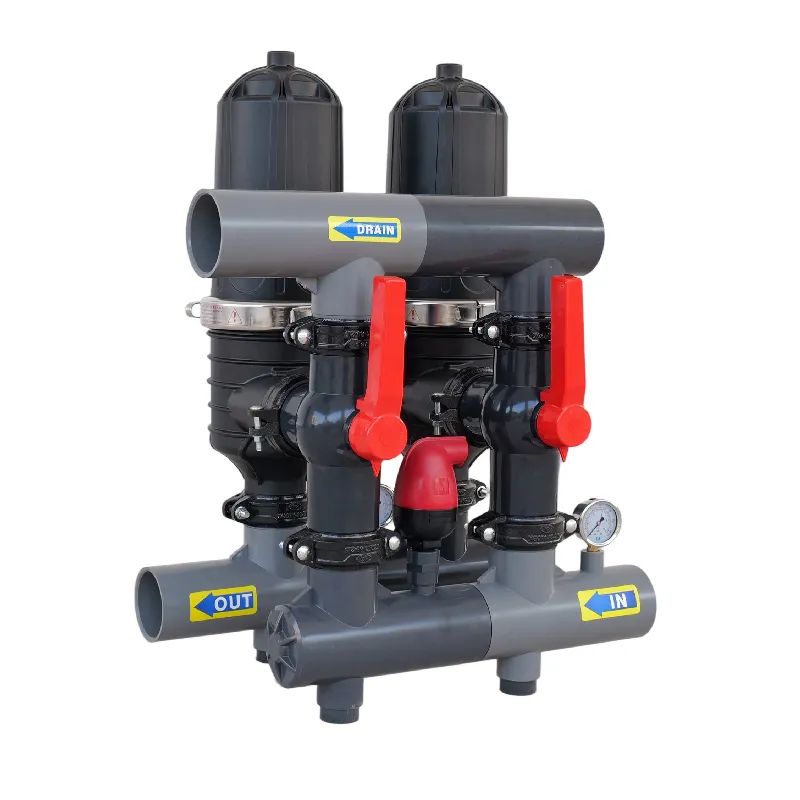
An irrigation pressure reducing valve serves as a critical component in modern agricultural and landscaping water management systems, designed to regulate and control water pressure within irrigation networks. This sophisticated device automatically reduces high incoming water pressure to predetermined lower levels, ensuring optimal water distribution throughout the entire irrigation system. The irrigation pressure reducing valve operates through a spring-loaded diaphragm mechanism that responds to downstream pressure changes, maintaining consistent output pressure regardless of fluctuations in the supply line. The valve's primary function involves protecting sensitive irrigation equipment such as drip emitters, sprinkler heads, and micro-sprayers from damage caused by excessive water pressure. By maintaining stable pressure levels, the irrigation pressure reducing valve prevents system failures and extends equipment lifespan significantly. Modern irrigation pressure reducing valve designs incorporate advanced materials like brass, stainless steel, and high-grade plastics that resist corrosion and weathering in harsh outdoor environments. These valves feature adjustable pressure settings, allowing users to customize output pressure according to specific irrigation requirements and plant needs. The technological features of an irrigation pressure reducing valve include precise pressure regulation capabilities, typically ranging from 10 to 80 PSI output pressure, depending on the model and application. Many units incorporate built-in filtration systems that remove debris and sediment from the water flow, preventing clogging and ensuring smooth operation. The valve's compact design enables easy installation in tight spaces and underground valve boxes. Applications for irrigation pressure reducing valves span residential gardens, commercial landscapes, agricultural fields, greenhouse operations, and municipal irrigation systems. These versatile devices prove essential in drip irrigation systems where low, consistent pressure ensures proper emitter function and uniform water distribution across planted areas.

 EN
EN