landscape drip irrigation
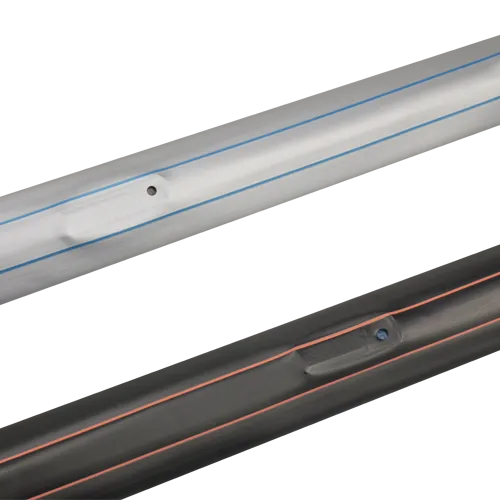
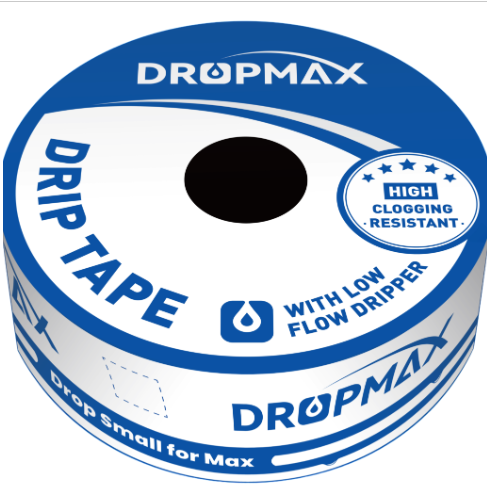
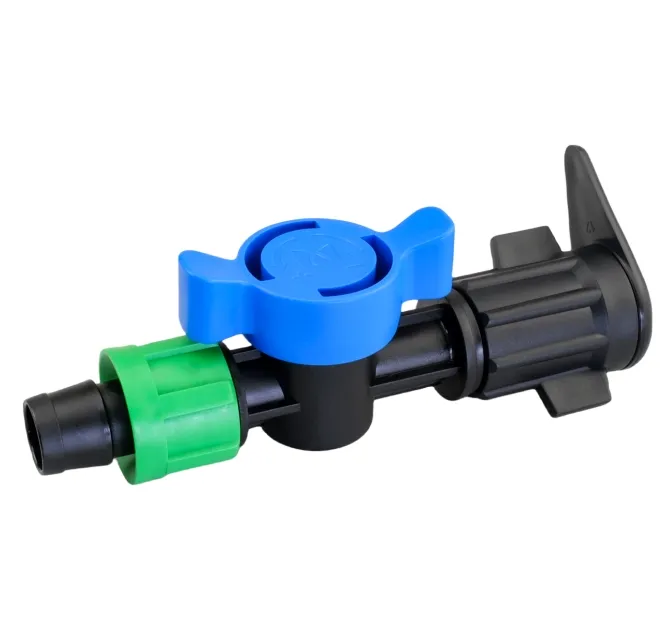
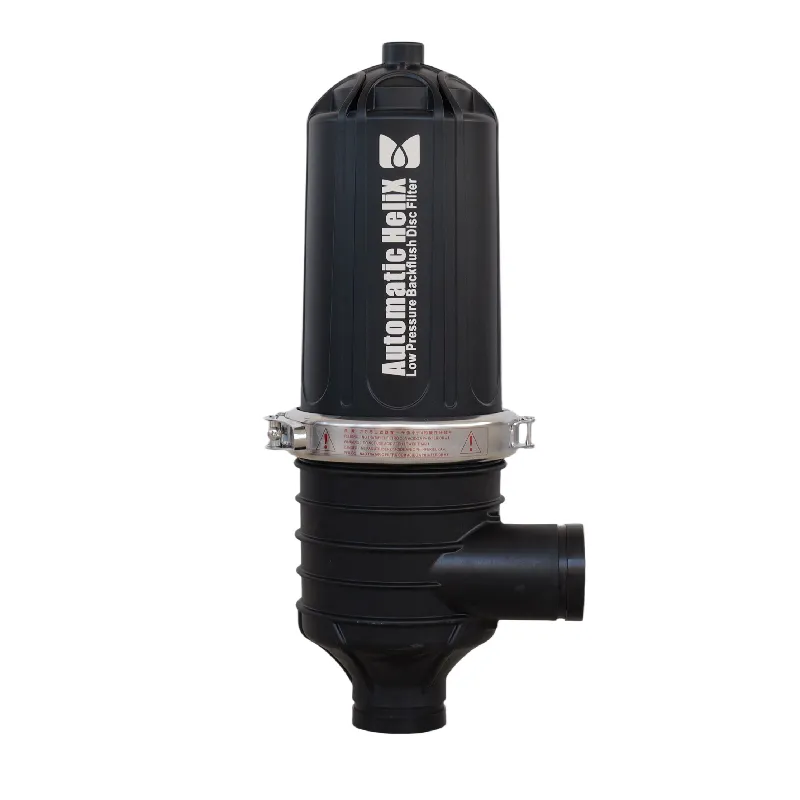
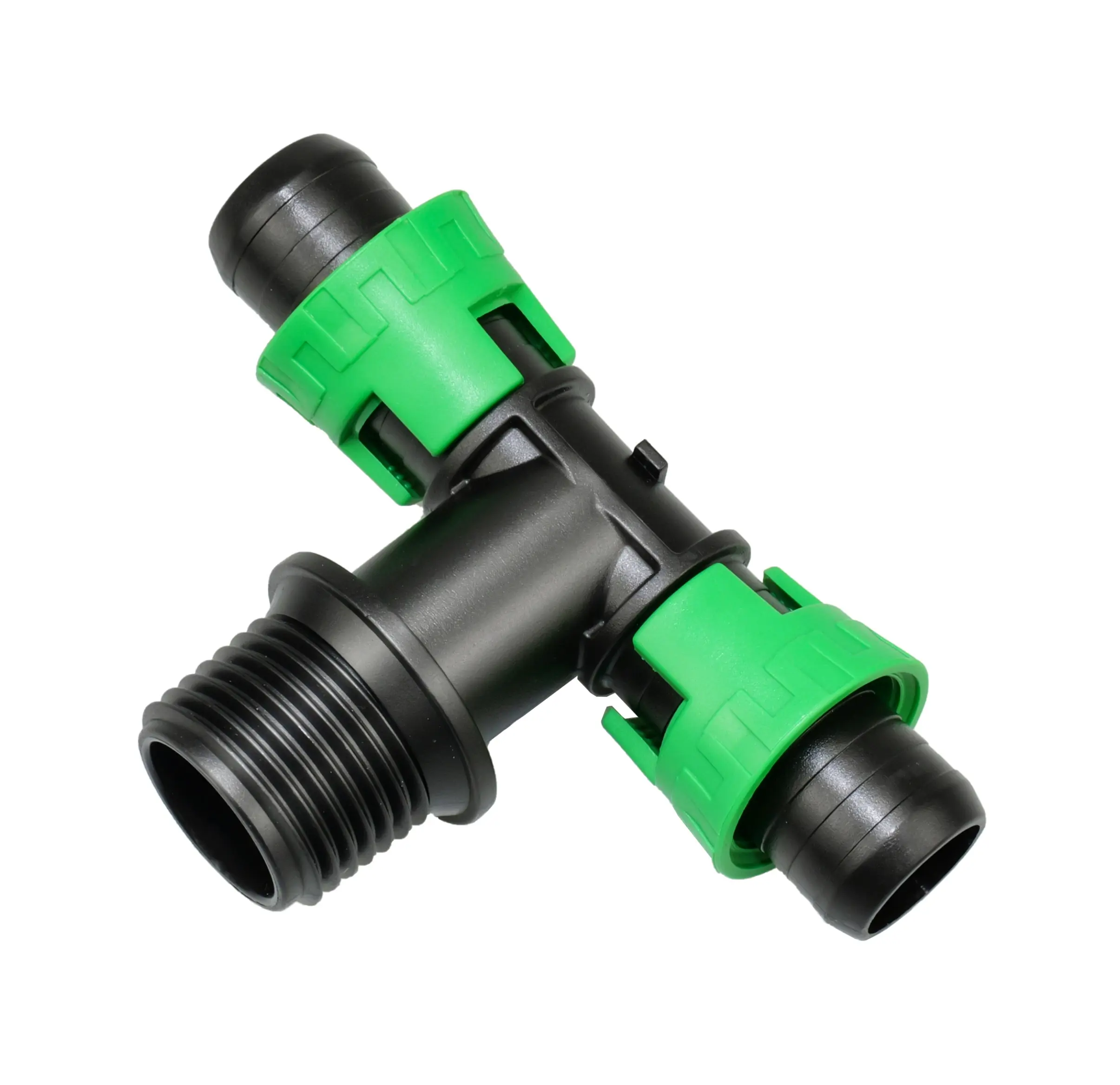
Landscape drip irrigation represents a revolutionary approach to efficient water management in outdoor spaces, combining precision technology with environmental consciousness. This sophisticated watering system delivers water directly to plant root zones through a network of tubes, emitters, and drippers, ensuring optimal moisture distribution while minimizing waste. The landscape drip irrigation system operates on the principle of slow, steady water release, allowing soil to absorb moisture gradually without runoff or evaporation losses. Modern landscape drip irrigation incorporates advanced materials like pressure-compensating emitters, self-flushing dripline, and smart controllers that respond to weather conditions and soil moisture levels. The technological features include adjustable flow rates, uniform water distribution patterns, and integration capabilities with smart home systems and weather monitoring devices. These systems can be customized for various landscape applications, from residential gardens and commercial properties to large-scale agricultural installations. The landscape drip irrigation network typically consists of mainlines, sub-mainlines, laterals, and emission devices that work together to create zones tailored to specific plant requirements. Advanced filtration systems prevent clogging while pressure regulators maintain consistent water flow throughout the entire network. The installation process involves careful planning of water source connections, zone mapping, and strategic placement of emitters based on plant spacing and water needs. Many landscape drip irrigation systems now feature wireless connectivity, allowing remote monitoring and control through smartphone applications. The system's modular design enables easy expansion and modification as landscape needs evolve, making it a versatile solution for both new installations and retrofitting existing irrigation setups. Professional-grade landscape drip irrigation systems often include backup power sources and fail-safe mechanisms to ensure continuous operation during power outages or system malfunctions.


 EN
EN