drip farming
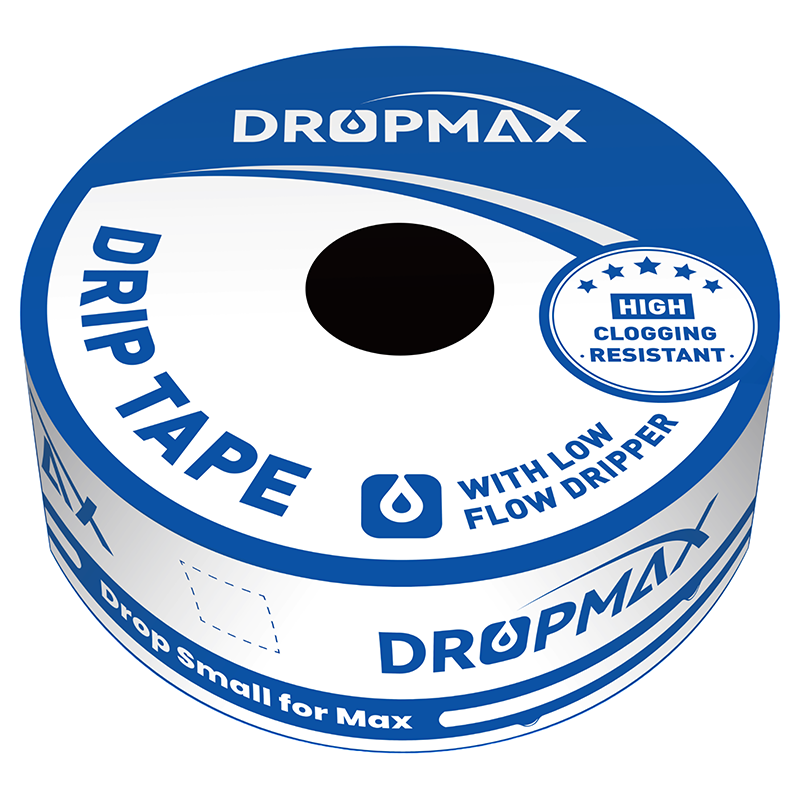
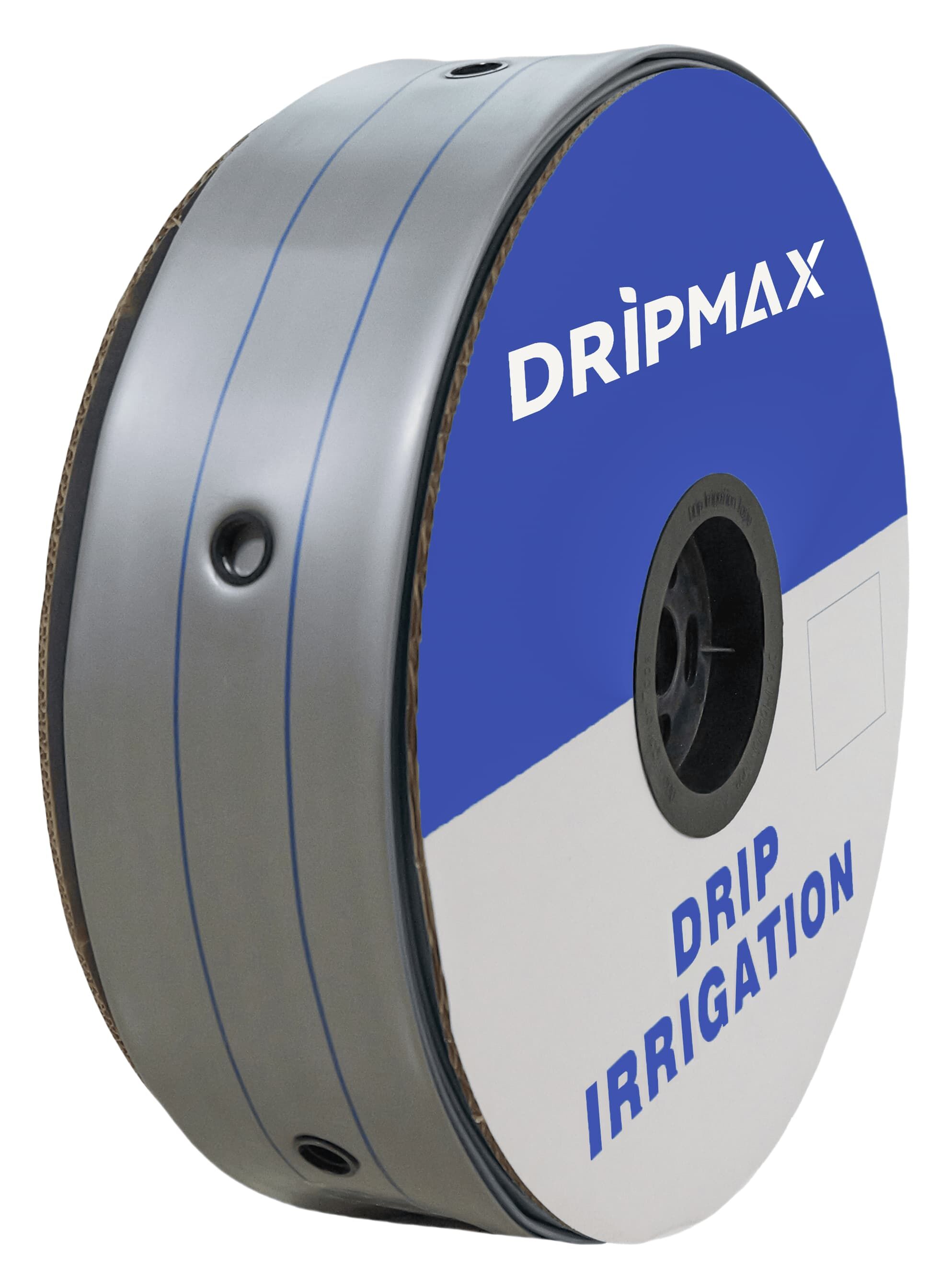
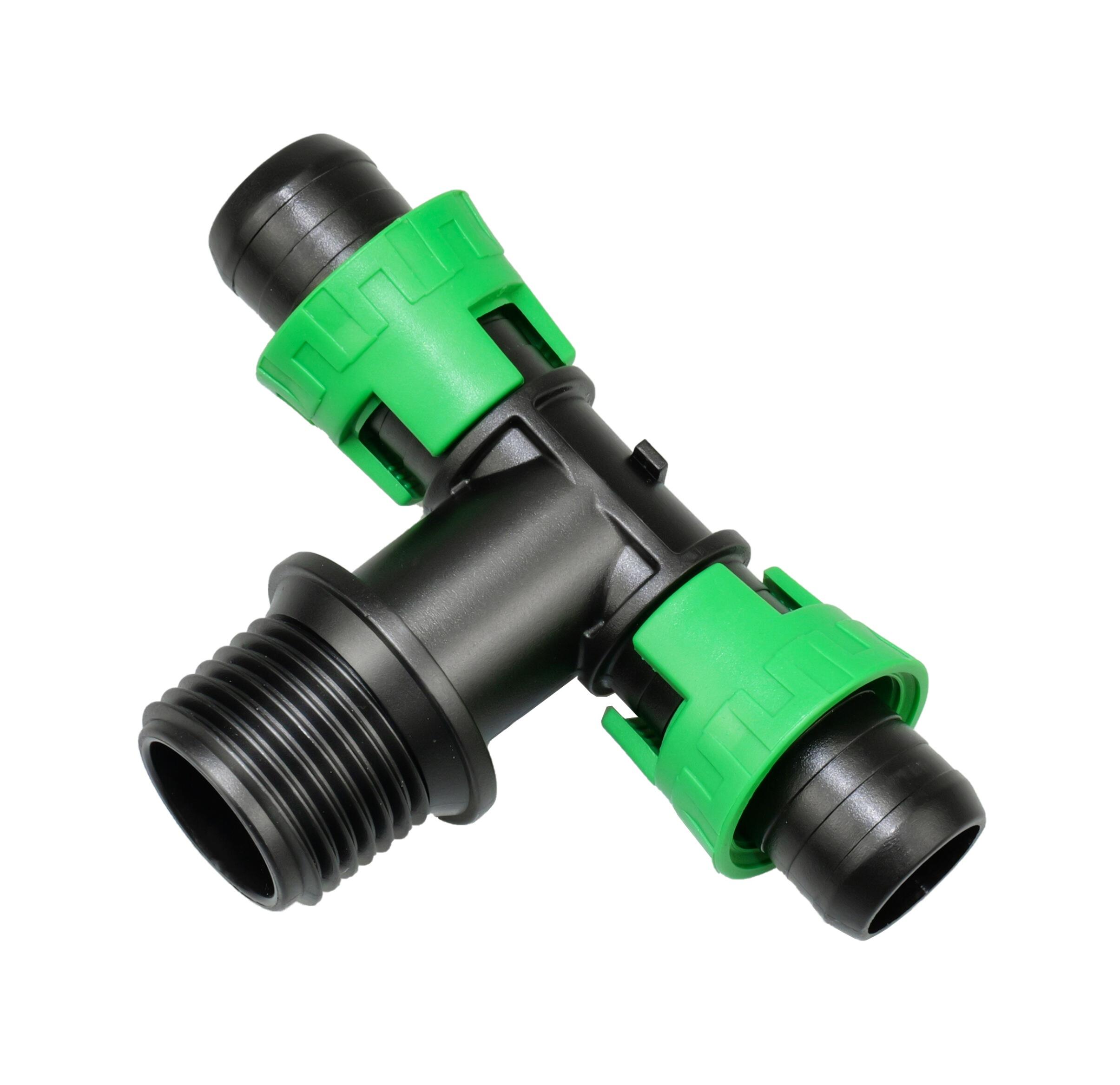
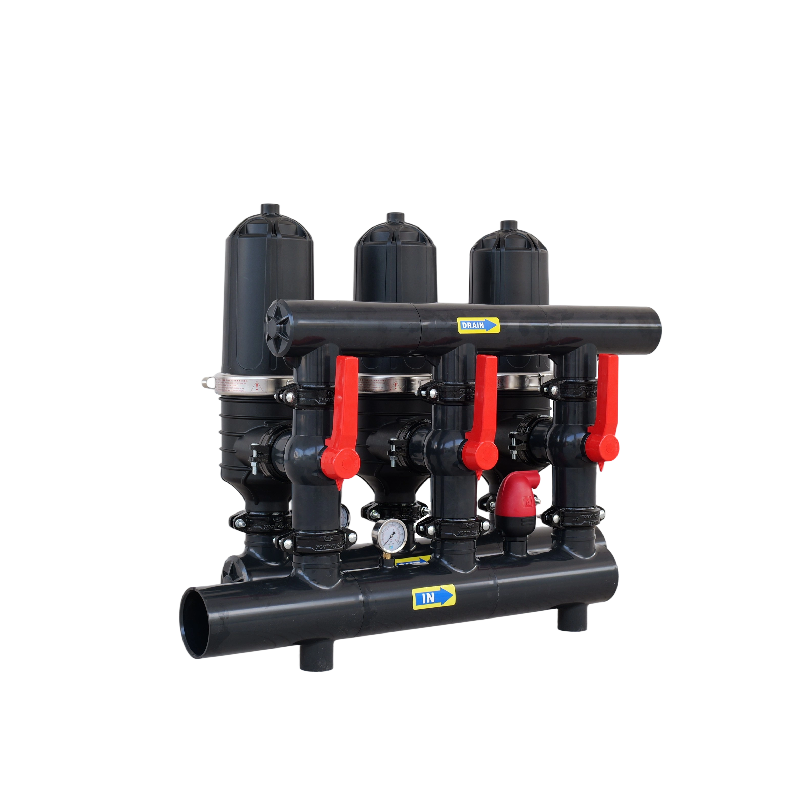
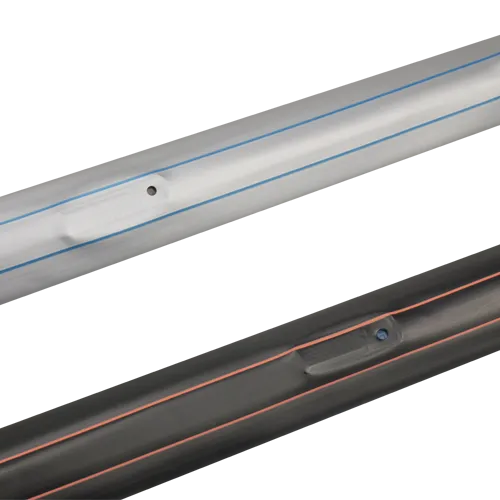
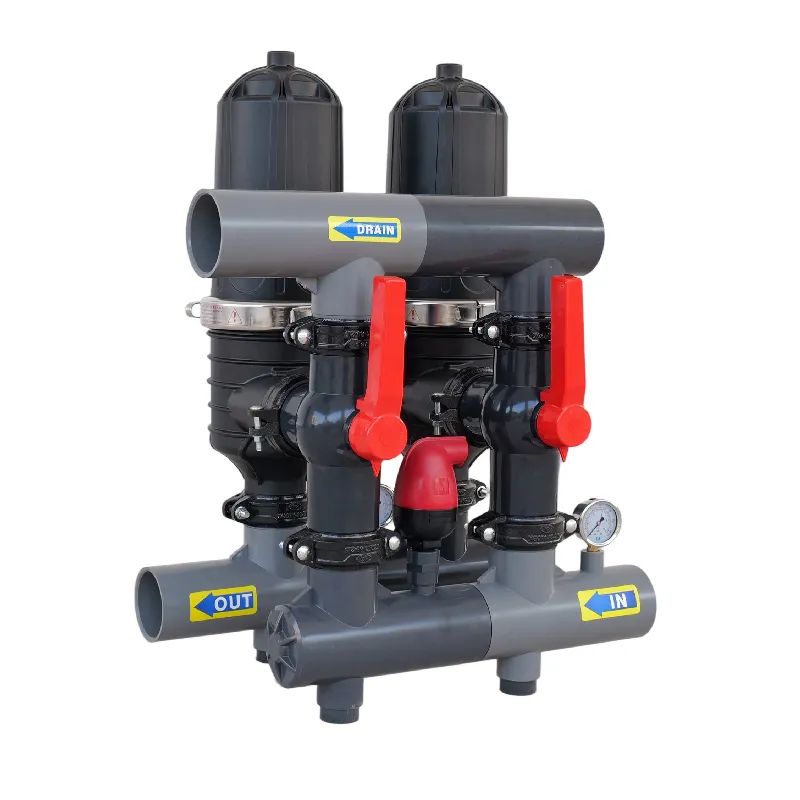
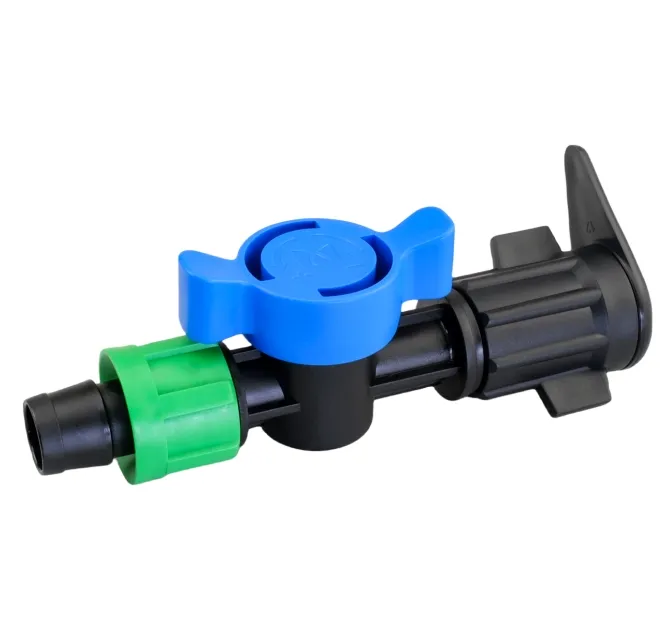
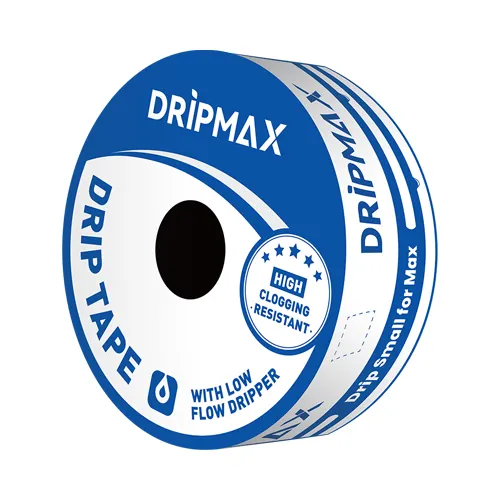
Drip farming represents a revolutionary agricultural irrigation method that delivers water directly to plant roots through a network of tubes, pipes, and emitters. This precision irrigation system fundamentally transforms how farmers manage water resources while maximizing crop productivity. The technology operates by maintaining consistent moisture levels in the root zone, eliminating water waste through evaporation and surface runoff. Modern drip farming systems incorporate sophisticated components including pressure regulators, filtration units, and automated timers that ensure optimal water distribution across entire cultivation areas. The main functions of drip farming encompass precise water delivery, nutrient management, and soil moisture control. Farmers can integrate fertilizers directly into the irrigation system, creating a comprehensive fertigation approach that nourishes plants while conserving resources. Technological features include adjustable flow rates, pressure compensation mechanisms, and smart sensors that monitor soil conditions in real-time. These systems adapt to various terrain types, from flat agricultural fields to sloped vineyards and greenhouse environments. Applications span multiple agricultural sectors including vegetable production, fruit cultivation, landscaping, and commercial farming operations. The versatility of drip farming makes it suitable for small-scale home gardens and large commercial enterprises alike. Installation involves strategic placement of main supply lines, secondary distribution tubes, and individual emitters positioned near each plant. Maintenance requirements remain minimal compared to traditional irrigation methods, with periodic cleaning and component inspection ensuring long-term system reliability. The technology proves particularly valuable in arid regions where water scarcity demands efficient resource utilization. Environmental benefits include reduced water consumption, minimized soil erosion, and decreased pesticide runoff. Drip farming systems can operate effectively with recycled water sources, supporting sustainable agricultural practices while maintaining high crop yields and quality standards.

 EN
EN