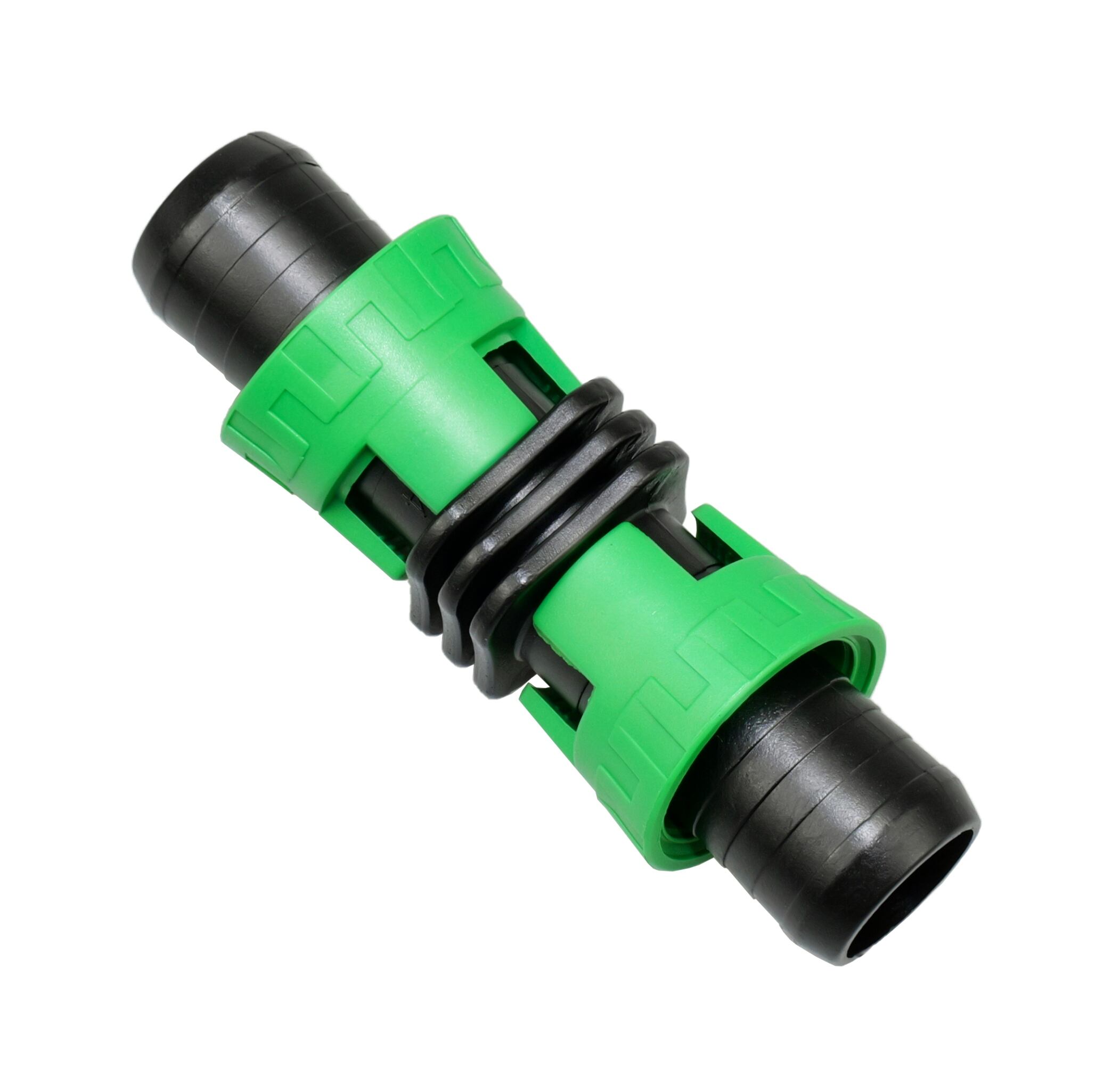
Subsurface Drip Irrigation Systems: Advanced Water-Efficient Technology for Modern Agriculture

All Categories

Get a Free Quote

Our representative will contact you soon.
Email
Name
Whats App
Message
0/1000

subsurface drip irrigation

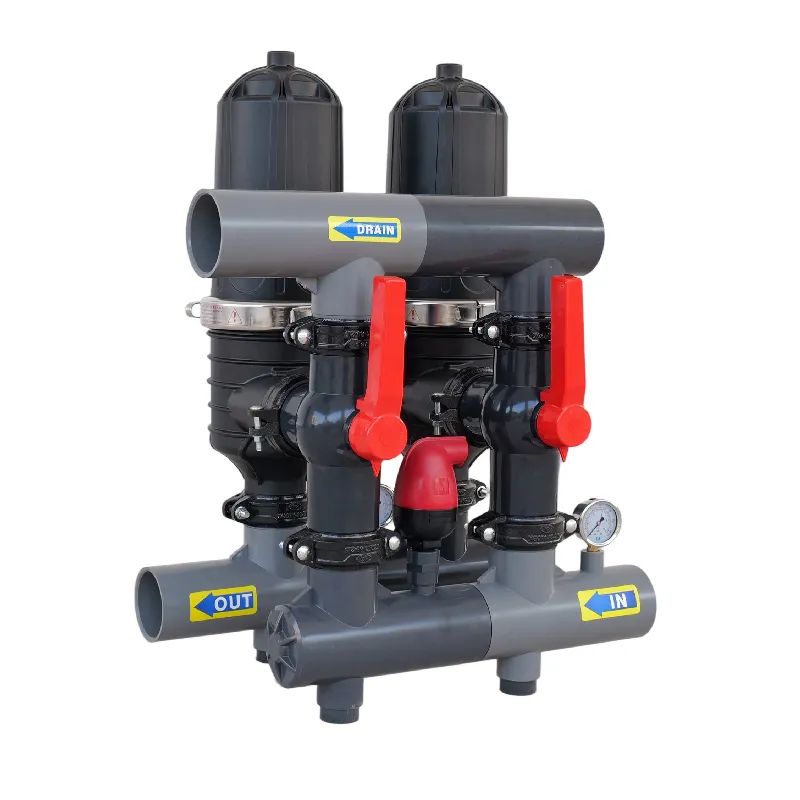
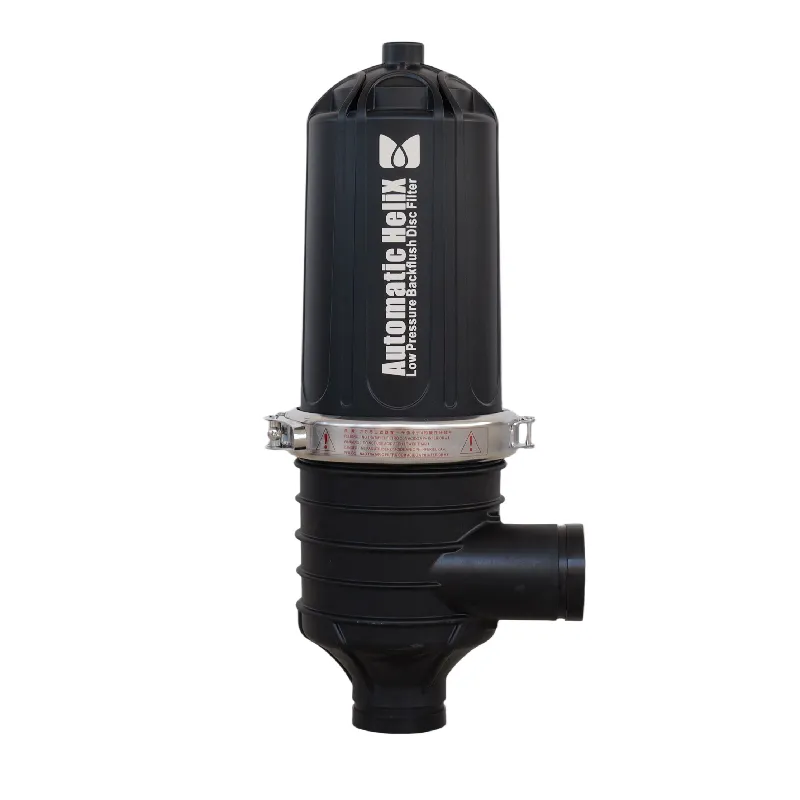
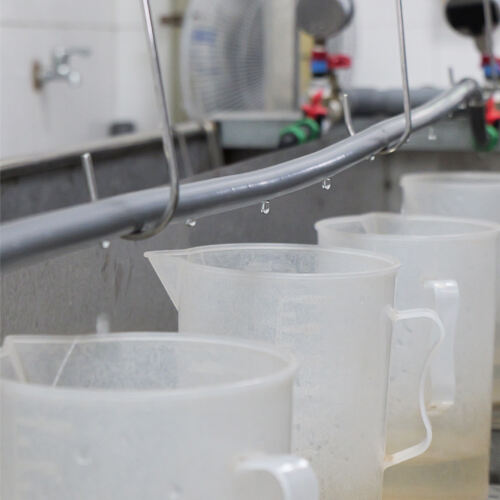
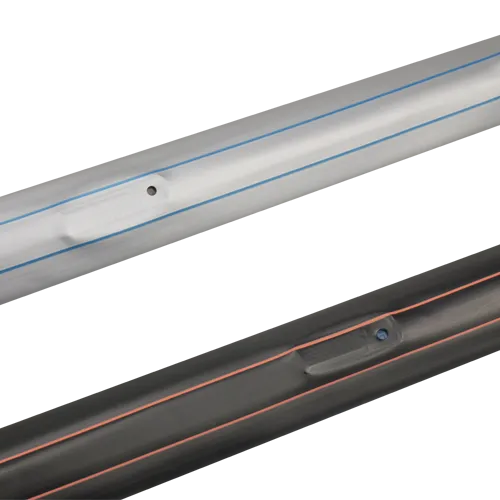
Subsurface drip irrigation represents a cutting-edge water delivery system that revolutionizes agricultural practices by placing drip lines beneath the soil surface. This innovative technology positions water emitters at depths ranging from 6 to 18 inches underground, delivering moisture directly to plant root zones with unprecedented precision. Unlike traditional surface irrigation methods, subsurface drip irrigation operates through a network of buried tubes equipped with pressure-compensating emitters that release water at controlled rates. The system consists of primary components including main supply lines, sub-main distribution pipes, buried lateral lines with integrated emitters, filtration units, and pressure regulation equipment. Advanced subsurface drip irrigation systems incorporate smart controllers that monitor soil moisture levels, weather conditions, and plant growth stages to optimize water delivery schedules automatically. The technology features self-flushing capabilities that prevent clogging and maintain consistent performance throughout growing seasons. Modern subsurface drip irrigation installations utilize GPS mapping to ensure precise placement of irrigation lines, creating uniform coverage across entire fields. The buried infrastructure remains protected from surface disturbances, mechanical damage, and environmental factors that typically affect surface irrigation equipment. Applications span diverse agricultural sectors including row crops like corn and soybeans, permanent plantings such as vineyards and orchards, vegetable production, greenhouse operations, and landscape installations. Commercial farmers utilize subsurface drip irrigation for large-scale commodity production, while specialty crop growers benefit from the system's ability to deliver precise nutrition through fertigation. The technology proves particularly valuable in water-scarce regions where conservation measures are essential for sustainable agriculture. Subsurface drip irrigation systems can be customized for various soil types, crop requirements, and field configurations, making them suitable for both flat terrain and sloped agricultural land.
New Products

Subsurface drip irrigation delivers exceptional water efficiency by eliminating surface evaporation losses that plague conventional irrigation methods. Farmers achieve water savings of 30 to 50 percent compared to sprinkler systems because every drop reaches the intended root zone without waste. The buried delivery system prevents wind drift and reduces runoff, ensuring maximum utilization of applied water resources. Plants receive consistent moisture levels that promote steady growth and reduce stress-related yield losses. The precise water placement encourages deeper root development, creating stronger plants that better withstand drought conditions. Soil structure benefits significantly from subsurface drip irrigation because the gentle water application prevents surface crusting and erosion. The system maintains optimal soil moisture without creating saturated conditions that lead to oxygen depletion around roots. Weed suppression becomes a natural benefit since surface areas remain relatively dry, reducing germination of unwanted vegetation. This elimination of surface moisture also decreases disease pressure by keeping plant foliage dry and reducing humid microclimates that favor pathogen development. Farmers experience substantial labor savings because subsurface drip irrigation systems operate automatically without requiring constant monitoring or manual adjustments. The buried infrastructure eliminates interference with field operations such as cultivation, harvesting, and equipment movement. Crop yields typically increase by 15 to 30 percent due to consistent moisture availability and reduced plant stress throughout growing seasons. Energy costs decrease significantly because subsurface drip irrigation operates at lower pressures than sprinkler systems, reducing pumping requirements. The technology enables precise fertigation delivery, allowing nutrients to reach root zones efficiently while minimizing leaching losses. Environmental benefits include reduced chemical runoff, decreased soil erosion, and lower carbon footprints from reduced energy consumption. Long-term cost effectiveness emerges through extended system lifespan, reduced maintenance requirements, and improved crop quality that commands premium market prices. The investment in subsurface drip irrigation technology pays for itself through water savings, increased yields, and operational efficiencies within typical payback periods of 3 to 5 years.

Practical Tips

DripMax Launches Silver Drip Tape: Elevating Irrigation Efficiency

12

Dec

DripMax Launches Silver Drip Tape: Elevating Irrigation Efficiency

View More
Durable Drip Tape Solutions for Efficient Agricultural Irrigation Systems

Durable Drip Tape Solutions for Efficient Agricultural Irrigation Systems

Explore the benefits and techniques of drip tape irrigation systems in modern agriculture. Learn how these systems improve water efficiency, crop yield, and sustainability while reducing waste and fostering environmental stewardship.
View More
Quick-Install Drip Line Components Save Labor Costs

23

Jul

Quick-Install Drip Line Components Save Labor Costs

Explore labor cost challenges in traditional irrigation systems and discover how modern drip irrigation ensures efficiency with reduced installation time and minimal maintenance. Learn the key benefits for water conservation and scalable growth in agriculture.
View More
How Does Agricultural Irrigation Improve Crop Yields?

29

Aug

How Does Agricultural Irrigation Improve Crop Yields?

View More

Get a Free Quote

Our representative will contact you soon.
Email
Name
Company Name
Message
0/1000

subsurface drip irrigation

Revolutionary Water Conservation Technology

Revolutionary Water Conservation Technology

Subsurface drip irrigation stands as the most advanced water conservation solution available to modern agriculture, delivering unmatched efficiency through its underground delivery system. The technology eliminates the primary sources of water loss that affect traditional irrigation methods, including surface evaporation, wind drift, and runoff. By placing emitters directly in the root zone, subsurface drip irrigation ensures that 95 percent of applied water reaches its intended destination, compared to only 60 to 70 percent efficiency rates achieved by overhead sprinkler systems. This remarkable efficiency translates to substantial water savings that benefit both farm operations and environmental conservation efforts. The buried delivery system operates independently of weather conditions, maintaining consistent performance regardless of wind speed, humidity levels, or temperature fluctuations that typically reduce surface irrigation effectiveness. Farmers can irrigate during peak daylight hours without experiencing evaporation losses, providing operational flexibility that improves labor scheduling and energy management. The precise water application prevents over-saturation while ensuring adequate moisture levels, creating optimal growing conditions that maximize crop potential. Soil moisture sensors integrated with modern subsurface drip irrigation systems provide real-time feedback that enables automatic adjustments based on actual plant needs rather than predetermined schedules. This intelligent water management approach prevents both drought stress and waterlogging conditions that can damage crops and reduce yields. The technology proves particularly valuable in arid and semi-arid regions where water resources are limited and conservation measures are essential for agricultural sustainability. Long-term benefits include improved soil health through consistent moisture management, reduced salt accumulation from over-irrigation, and decreased environmental impact from agricultural runoff. The water conservation achieved through subsurface drip irrigation technology supports sustainable farming practices while maintaining economic viability for agricultural operations of all sizes.
Enhanced Crop Performance and Yield Optimization

Enhanced Crop Performance and Yield Optimization

Subsurface drip irrigation creates optimal growing environments that consistently deliver superior crop performance and increased yields across diverse agricultural applications. The technology provides plants with steady moisture availability that eliminates the stress cycles associated with traditional irrigation schedules. Root systems develop more extensively and uniformly when supplied with consistent water through subsurface drip irrigation, creating stronger plants with improved nutrient uptake capabilities. The precise water delivery eliminates surface moisture that typically promotes weed growth, reducing competition for nutrients and water resources. Plants grown with subsurface drip irrigation systems demonstrate enhanced resilience to environmental stresses including heat waves, unexpected dry periods, and variable weather conditions. The controlled moisture environment prevents waterlogging that can damage root systems and reduce oxygen availability in soil. Crop quality improvements include better fruit sizing, enhanced color development, improved sugar content, and extended shelf life for harvested products. The consistent growing conditions achieved through subsurface drip irrigation result in more uniform crop maturation, facilitating efficient harvesting operations and reducing labor costs. Disease pressure decreases significantly because plant foliage remains dry, eliminating the humid surface conditions that promote fungal and bacterial infections. The technology enables precise fertigation programs that deliver nutrients directly to root zones, improving fertilizer efficiency and reducing environmental impact from nutrient leaching. Specialty crops benefit particularly from subsurface drip irrigation through improved marketability and premium pricing for higher-quality produce. Yield increases of 15 to 30 percent are commonly achieved across various crop types when transitioning from conventional irrigation to subsurface drip systems. The improved crop performance translates directly to increased profitability through higher yields, better quality premiums, and reduced input costs. Long-term soil health benefits include improved structure, enhanced microbial activity, and better nutrient cycling that supports sustained productive capacity over multiple growing seasons.
Automated Smart Technology Integration

Automated Smart Technology Integration

Modern subsurface drip irrigation systems incorporate sophisticated automation and smart technology features that revolutionize agricultural water management through precision control and data-driven optimization. Advanced controllers utilize weather station data, soil moisture sensors, and plant growth monitoring systems to create dynamic irrigation schedules that respond automatically to changing field conditions. The integration of GPS technology ensures precise installation of irrigation lines and enables zone-specific management that addresses variations in soil type, topography, and crop requirements across individual fields. Smart subsurface drip irrigation systems communicate wirelessly with mobile devices and computer platforms, allowing farmers to monitor and control operations remotely from any location. Real-time alerts notify operators of system malfunctions, pressure variations, or maintenance requirements, preventing costly downtime and crop damage. The technology features self-diagnostic capabilities that identify clogged emitters, damaged lines, or filtration problems before they affect crop performance. Machine learning algorithms analyze historical irrigation data, weather patterns, and crop response information to continuously optimize water application schedules for maximum efficiency. Variable rate irrigation capabilities enable different zones within a field to receive customized water applications based on specific soil conditions and crop needs. The automation reduces labor requirements while improving irrigation precision beyond what manual operations can achieve. Energy management features schedule irrigation during off-peak electricity periods, reducing operational costs while maintaining optimal crop water requirements. Integration with farm management software systems enables comprehensive record keeping, compliance reporting, and performance analysis that supports precision agriculture practices. The smart technology adaptation allows subsurface drip irrigation systems to interface with other automated farm equipment including tractors, harvesters, and nutrient application systems for coordinated field operations. Future-ready connectivity ensures compatibility with emerging agricultural technologies and evolving precision farming practices. The sophisticated automation delivers consistent results while reducing the technical expertise required for effective system operation, making advanced subsurface drip irrigation accessible to farmers of all experience levels.

Get a Free Quote

Our representative will contact you soon.
Email
Name
Company Name
Message
0/1000