Smart Farm Irrigation Controller - Advanced Automated Watering System for Precision Agriculture

All Categories

Get a Free Quote

Our representative will contact you soon.
Email
Name
Whats App
Message
0/1000

smart farm irrigation controller

A smart farm irrigation controller represents the cutting-edge evolution of agricultural water management technology, designed to revolutionize how farmers approach crop irrigation through intelligent automation and precision control. This sophisticated device integrates advanced sensors, weather data analysis, and programmable scheduling to deliver water exactly when and where crops need it most. The smart farm irrigation controller monitors soil moisture levels, ambient temperature, humidity, and rainfall patterns to make real-time decisions about irrigation timing and duration. Unlike traditional irrigation systems that operate on fixed schedules regardless of actual conditions, this intelligent solution adapts continuously to environmental changes and plant requirements. The controller connects to multiple water sources and can manage various irrigation zones independently, allowing farmers to customize watering strategies for different crop types, growth stages, and soil conditions across their property. Modern smart farm irrigation controllers feature wireless connectivity options including Wi-Fi, cellular, and satellite communication, enabling remote monitoring and control through smartphone applications or web-based platforms. This connectivity allows farmers to adjust irrigation parameters from anywhere, receive alerts about system status or potential issues, and access detailed reports on water usage and system performance. The device typically includes backup power options to ensure continuous operation during power outages, protecting valuable crops from water stress. Integration capabilities extend to weather stations, soil sensors, flow meters, and other agricultural monitoring equipment, creating a comprehensive irrigation management ecosystem. The smart farm irrigation controller processes this data using sophisticated algorithms that consider factors such as evapotranspiration rates, crop coefficients, and seasonal variations to optimize water application. Many models support multiple irrigation methods including drip systems, sprinklers, and micro-irrigation setups, making them versatile solutions for diverse agricultural operations ranging from small specialty farms to large commercial enterprises seeking to maximize efficiency while conserving water resources.
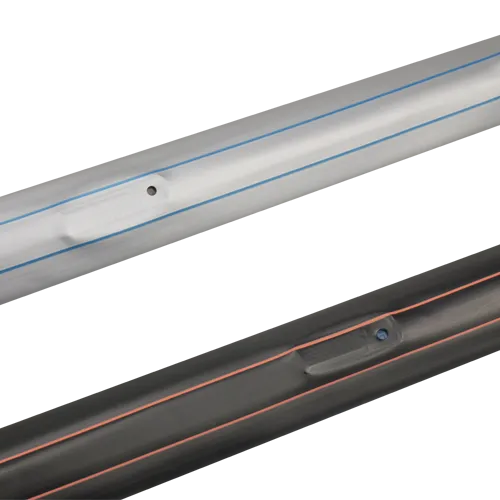
New Product Recommendations

Smart farm irrigation controllers deliver substantial water conservation benefits by eliminating the guesswork and inefficiencies associated with manual irrigation scheduling. These systems reduce water waste by up to 50 percent compared to traditional methods, as they apply water only when soil moisture levels indicate genuine plant need rather than following arbitrary time-based schedules. This precision approach directly translates to lower utility bills and reduced environmental impact, making operations more sustainable and cost-effective. The automated nature of smart farm irrigation controllers significantly reduces labor requirements, freeing up valuable human resources for other critical farm activities. Farmers no longer need to spend hours manually turning valves, moving sprinklers, or monitoring irrigation systems throughout the day and night. This automation proves especially valuable during peak growing seasons when labor demands are highest and during off-hours when manual monitoring becomes impractical or costly. The controller handles all irrigation decisions and adjustments automatically, ensuring crops receive optimal care even when farmers are away or focused on other tasks. Improved crop yields represent another major advantage of smart farm irrigation controllers, as consistent and precise water delivery creates ideal growing conditions that promote healthy plant development. By maintaining optimal soil moisture levels without over-watering or under-watering, these systems help plants achieve their full genetic potential while reducing stress-related diseases and growth problems. The result is higher quality produce, better harvest consistency, and increased profitability per acre. Remote monitoring and control capabilities provide farmers with unprecedented flexibility and peace of mind. Through mobile applications, farmers can check system status, adjust settings, and receive instant notifications about potential problems from anywhere with internet access. This connectivity proves invaluable during vacations, business trips, or emergency situations when physical presence on the farm is impossible. The smart farm irrigation controller maintains detailed records of water usage, system performance, and environmental conditions, providing valuable data for regulatory compliance, insurance purposes, and operational optimization. These comprehensive reports help farmers identify trends, plan improvements, and demonstrate responsible water stewardship to customers, regulators, and certification bodies. The investment in a smart farm irrigation controller typically pays for itself within the first growing season through water savings, labor reduction, and improved yields, making it an economically sound decision for agricultural operations of all sizes.

Tips And Tricks

Introducing the RAFA Flexible Pipe: A New Standard in Efficient Irrigation

12

Dec

Introducing the RAFA Flexible Pipe: A New Standard in Efficient Irrigation

View More
Durable Drip Tape Solutions for Efficient Agricultural Irrigation Systems

Durable Drip Tape Solutions for Efficient Agricultural Irrigation Systems

Explore the benefits and techniques of drip tape irrigation systems in modern agriculture. Learn how these systems improve water efficiency, crop yield, and sustainability while reducing waste and fostering environmental stewardship.
View More
Flexible Lay Flat Hose: Ultimate Guide for Farm Water Management

16

Jun

Flexible Lay Flat Hose: Ultimate Guide for Farm Water Management

Explore the benefits of lay flat hoses for farm water management, focusing on efficient water distribution, durability, cost-effectiveness, technical specifications, and integration with drip irrigation systems. Enhance your agricultural productivity with lay flat hoses.
View More
 Prevent Clogging: Self-Cleaning Drip Tape Technology Explained

23

Jul

Prevent Clogging: Self-Cleaning Drip Tape Technology Explained

Explore the challenges of drip system clogging and discover innovative solutions with self-cleaning drip tape technology. Learn about common causes of blockages, benefits of self-cleaning systems, and installation best practices.
View More

Get a Free Quote

Our representative will contact you soon.
Email
Name
Company Name
Message
0/1000

smart farm irrigation controller

Advanced Sensor Integration and Real-Time Environmental Monitoring

Advanced Sensor Integration and Real-Time Environmental Monitoring

The hallmark feature of any premium smart farm irrigation controller lies in its sophisticated sensor integration capabilities that create a comprehensive environmental monitoring network across the entire agricultural operation. These advanced systems seamlessly connect with multiple types of sensors including soil moisture probes, temperature sensors, humidity monitors, rainfall gauges, and wind speed detectors to gather continuous real-time data about growing conditions. The smart farm irrigation controller processes this information through sophisticated algorithms that analyze patterns, predict trends, and make intelligent decisions about irrigation timing and duration. This sensor network eliminates the uncertainty and subjectivity that plague traditional irrigation methods, replacing guesswork with precise, data-driven decisions that optimize water application for maximum crop benefit. The controller can simultaneously monitor dozens of different zones or crop areas, each with its unique soil characteristics, plant varieties, and microclimatic conditions, ensuring that every section receives customized irrigation treatment based on its specific needs. Advanced models feature wireless sensor networks that eliminate the need for extensive wiring, making installation easier and more flexible while reducing maintenance requirements. The system continuously calibrates sensor readings against historical data and weather forecasts to identify anomalies, predict irrigation needs hours or days in advance, and automatically adjust schedules to accommodate changing conditions. This predictive capability proves especially valuable during transitional weather periods, drought conditions, or unexpected climate events when rapid response can mean the difference between crop success and failure. The smart farm irrigation controller stores comprehensive sensor data in cloud-based databases, creating valuable historical records that help farmers understand long-term trends, optimize crop rotation strategies, and improve year-over-year performance. This data integration capability extends beyond basic environmental monitoring to include integration with farm management software, accounting systems, and regulatory reporting platforms, creating a holistic approach to agricultural data management that supports both operational efficiency and business intelligence requirements for modern farming enterprises.
Intelligent Weather Integration and Predictive Irrigation Scheduling

Intelligent Weather Integration and Predictive Irrigation Scheduling

Modern smart farm irrigation controllers revolutionize agricultural water management through sophisticated weather integration systems that connect directly to local meteorological services, satellite data feeds, and hyperlocal weather stations to provide unprecedented accuracy in irrigation planning and execution. This advanced weather integration goes far beyond simple rain sensors, incorporating comprehensive meteorological data including temperature forecasts, humidity predictions, wind patterns, solar radiation levels, and evapotranspiration calculations to create dynamic irrigation schedules that adapt automatically to changing atmospheric conditions. The smart farm irrigation controller analyzes this weather information alongside real-time soil and plant data to predict future water needs with remarkable precision, often scheduling irrigation events days in advance while maintaining the flexibility to adjust or cancel planned watering based on unexpected weather changes. This predictive approach prevents both over-irrigation before rainfall events and under-irrigation during unexpectedly hot or windy periods that increase water demand beyond normal levels. The system calculates complex evapotranspiration rates specific to each crop type and growth stage, considering factors such as canopy coverage, root development, and seasonal variations to determine optimal water application amounts and timing. Advanced smart farm irrigation controllers incorporate machine learning algorithms that improve their predictive accuracy over time by analyzing the correlation between weather patterns, irrigation decisions, and crop performance outcomes. This self-improving capability means the system becomes more effective and efficient with each growing season, adapting to local microclimatic conditions and specific farm characteristics that may not be captured in regional weather data. The weather integration feature includes severe weather alerts and automatic protective measures that can shut down irrigation systems during storms, high winds, or freezing conditions to prevent equipment damage and ensure operational safety. Farmers receive detailed weather-based irrigation reports that explain the reasoning behind scheduling decisions, helping them understand the relationship between atmospheric conditions and crop water requirements while building confidence in the automated system's decision-making process.
Multi-Zone Precision Control and Customizable Irrigation Programs

Multi-Zone Precision Control and Customizable Irrigation Programs

The multi-zone precision control capability of smart farm irrigation controllers represents a paradigm shift from one-size-fits-all irrigation approaches to highly customized water management strategies that recognize and accommodate the diverse needs of different crops, soil types, and topographical conditions within a single agricultural operation. These sophisticated systems can manage anywhere from a handful to hundreds of individual irrigation zones, each programmed with specific parameters that reflect the unique characteristics and requirements of the plants, soil conditions, and environmental factors present in that particular area. The smart farm irrigation controller allows farmers to create detailed irrigation programs for each zone, specifying different watering schedules, duration settings, pressure requirements, and seasonal adjustments that optimize water delivery for maximum efficiency and crop performance. This granular level of control proves especially valuable for diversified farming operations that grow multiple crop varieties with vastly different water requirements, growth cycles, and harvest schedules within the same property. The system maintains independent soil moisture thresholds for each zone, ensuring that water-sensitive crops receive frequent light applications while drought-tolerant varieties receive less frequent but deeper watering cycles. Advanced programming features include the ability to create complex irrigation sequences that coordinate water delivery across multiple zones to manage water pressure, prevent system overload, and optimize energy consumption during peak demand periods. The smart farm irrigation controller can automatically adjust zone-specific programs based on seasonal changes, crop growth stages, and long-term weather patterns, eliminating the need for constant manual reprogramming while ensuring optimal irrigation throughout the entire growing cycle. Farmers can easily modify zone parameters through intuitive interfaces that display real-time status information, historical performance data, and predictive analytics for each managed area. The system provides detailed zone-by-zone reporting that tracks water usage, system efficiency, and crop response metrics, enabling farmers to identify the most successful irrigation strategies and replicate them across similar zones or future growing seasons while continuously refining their water management approach for maximum agricultural productivity and resource conservation.

Get a Free Quote

Our representative will contact you soon.
Email
Name
Company Name
Message
0/1000