Advanced Hydraulic Irrigation Control Systems - Reliable Water Management Solutions

All Categories

Get a Free Quote

Our representative will contact you soon.
Email
Name
Whats App
Message
0/1000

hydraulic irrigation control system

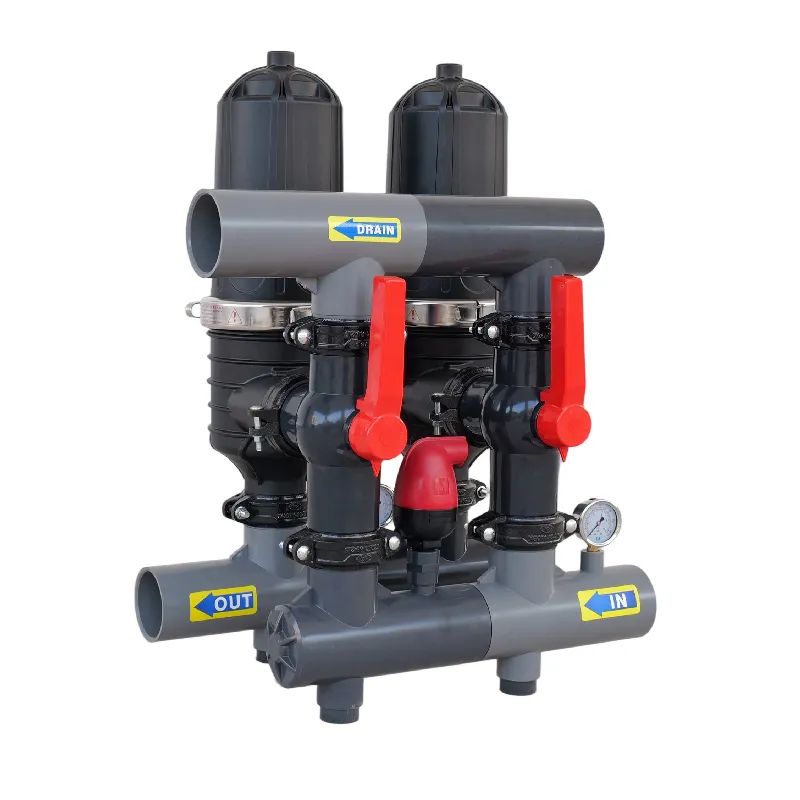
The hydraulic irrigation control system represents a sophisticated water management solution that harnesses hydraulic pressure to regulate water distribution across agricultural and landscaping applications. This advanced system operates through a network of hydraulic valves, pressure regulators, and control mechanisms that work together to deliver precise water flow management. The hydraulic irrigation control system eliminates the need for electrical power at remote valve locations, making it particularly suitable for large-scale agricultural operations and areas where electrical infrastructure is limited or unreliable. The core functionality revolves around using water pressure as the driving force to operate control valves, filtration systems, and distribution networks. Modern hydraulic irrigation control system designs incorporate pressure-compensated emitters, automatic flushing capabilities, and zone-specific control features that ensure optimal water delivery to different crop zones or landscape areas. The system's technological framework includes master control stations that regulate main line pressure, secondary control valves that manage zone-specific distribution, and sensing mechanisms that monitor soil moisture levels and weather conditions. These components work seamlessly to create an automated irrigation environment that responds to real-time field conditions. The hydraulic irrigation control system can be integrated with weather stations, soil sensors, and flow meters to create a comprehensive water management ecosystem. Installation typically involves laying main hydraulic lines, connecting zone-specific control valves, and establishing pressure regulation points throughout the coverage area. The system's modular design allows for easy expansion and modification as field requirements change. Maintenance requirements are minimal due to the robust nature of hydraulic components, which are designed to withstand harsh outdoor conditions and continuous operation. The hydraulic irrigation control system offers superior reliability compared to electronic alternatives, as it operates independently of electrical power and is less susceptible to electromagnetic interference or power surges.
Popular Products

The hydraulic irrigation control system delivers exceptional reliability by operating without electrical components at valve locations, eliminating concerns about power outages, electrical storms, or wiring failures that commonly affect electronic irrigation systems. This independence from electricity makes the system particularly valuable for remote agricultural sites where power infrastructure may be unreliable or expensive to install. Users experience significant cost savings through reduced installation expenses, as the system eliminates the need for extensive electrical wiring, conduits, and electrical protection equipment typically required for electric valve operations. The hydraulic irrigation control system provides precise water control through pressure-regulated mechanisms that maintain consistent flow rates regardless of elevation changes or varying system demands. This precision translates directly into improved crop yields and reduced water waste, helping farmers optimize their irrigation investments while promoting sustainable water use practices. Maintenance costs remain substantially lower compared to electronic alternatives because hydraulic components contain fewer moving parts and resist corrosion, weathering, and mechanical wear more effectively than electrical systems. The system's durability extends operational lifespan significantly, with many hydraulic irrigation control system installations continuing to function reliably for decades with minimal intervention. Users benefit from simplified troubleshooting procedures, as hydraulic system diagnostics require basic pressure testing rather than complex electrical measurements or component replacement. The hydraulic irrigation control system adapts easily to field modifications and expansions, allowing users to add new zones or adjust coverage areas without rewiring or electrical system updates. Environmental benefits include reduced electromagnetic field generation and elimination of electrical waste from failed components, supporting eco-friendly farming practices. Water conservation capabilities are enhanced through the system's ability to maintain precise pressure control, reducing over-irrigation and runoff while ensuring adequate moisture delivery to plant root zones. The hydraulic irrigation control system operates silently, creating a more pleasant working environment and reducing noise pollution in agricultural areas. Response time for system adjustments is immediate, as hydraulic pressure changes propagate through the system instantly, enabling rapid adaptation to changing irrigation needs or emergency shutoffs when necessary.

Tips And Tricks

Introducing the RAFA Flexible Pipe: A New Standard in Efficient Irrigation

12

Dec

Introducing the RAFA Flexible Pipe: A New Standard in Efficient Irrigation

View More
Small Products Play a Crucial Role in Drip Irrigation Systems: Lock Ring Connectors for Drip Tape

15

Apr

Small Products Play a Crucial Role in Drip Irrigation Systems: Lock Ring Connectors for Drip Tape

View More
Flexible Lay Flat Hose: Ultimate Guide for Farm Water Management

16

Jun

Flexible Lay Flat Hose: Ultimate Guide for Farm Water Management

Explore the benefits of lay flat hoses for farm water management, focusing on efficient water distribution, durability, cost-effectiveness, technical specifications, and integration with drip irrigation systems. Enhance your agricultural productivity with lay flat hoses.
View More
What Is Drip Tape and How Does It Support Irrigation

05

Sep

What Is Drip Tape and How Does It Support Irrigation

Discover how drip tape irrigation boosts water efficiency by up to 95%, improves crop yields, and reduces costs. Learn about installation, benefits, and smart integration. Explore solutions now.
View More

Get a Free Quote

Our representative will contact you soon.
Email
Name
Company Name
Message
0/1000

hydraulic irrigation control system

Zero Electrical Dependency for Ultimate Reliability

Zero Electrical Dependency for Ultimate Reliability

The hydraulic irrigation control system stands out for its complete independence from electrical power at valve operation points, creating an irrigation solution that maintains functionality regardless of electrical grid conditions. This unique characteristic addresses one of the most significant challenges facing modern agriculture: the vulnerability of irrigation systems to power disruptions. Traditional electric valve systems fail during storms, power outages, or electrical surges, potentially causing crop damage during critical growing periods. The hydraulic irrigation control system eliminates these risks by using water pressure as the sole operating force for valve control and system regulation. This design philosophy ensures continuous operation even in remote locations where electrical infrastructure is unreliable, expensive to install, or entirely unavailable. The system's electrical independence extends beyond simple valve operation to include pressure regulation, flow control, and zone switching functions, all accomplished through ingenious hydraulic mechanisms that require no external power source. Installation teams appreciate the simplified setup process, as they can focus on hydraulic connections without worrying about electrical codes, grounding requirements, or weather-resistant electrical enclosures. The absence of electrical components at field locations dramatically reduces lightning strike risks, a common cause of irrigation system failures in agricultural areas. Users report significantly fewer service calls and system downtime incidents compared to electric valve systems, translating into improved crop protection and reduced maintenance costs. The hydraulic irrigation control system's reliability becomes particularly valuable during peak irrigation seasons when system failures can result in substantial crop losses. This electrical independence also supports sustainable farming practices by reducing energy consumption and eliminating the need for backup power systems or generators during electrical outages. The technology proves especially beneficial for organic farming operations, where maintaining natural growing conditions without electromagnetic interference from electrical systems aligns with certification requirements and operational philosophies.
Precision Water Control with Pressure-Compensated Technology

Precision Water Control with Pressure-Compensated Technology

The hydraulic irrigation control system employs advanced pressure-compensated technology that maintains consistent water delivery rates across varying topographical conditions and system pressures, ensuring uniform irrigation regardless of field elevation changes or distance from the water source. This sophisticated pressure management capability represents a significant advancement over gravity-fed or simple pressure systems that suffer from uneven water distribution due to elevation differences or pressure variations throughout the irrigation network. The system's pressure-compensating mechanisms automatically adjust to maintain predetermined flow rates at each emission point, preventing over-irrigation in low-pressure areas and under-irrigation in high-pressure zones. This precision control translates into measurable improvements in crop uniformity, yield consistency, and water use efficiency across entire agricultural operations. The hydraulic irrigation control system incorporates multiple pressure regulation stages, beginning with master pressure control at the source and continuing through zone-specific regulators that fine-tune delivery pressures for different crop types or growth stages. Users can establish distinct irrigation zones with varying pressure requirements, allowing simultaneous cultivation of different crops with specific water needs within the same system infrastructure. The pressure-compensated design eliminates the common problem of end-line pressure drops that plague conventional irrigation systems, ensuring that plants located furthest from the water source receive adequate irrigation. Advanced filtration integration within the hydraulic irrigation control system prevents debris from affecting pressure-sensitive components while maintaining system cleanliness and extending component lifespan. The system's ability to maintain precise pressure control enables users to implement sophisticated irrigation strategies, such as deficit irrigation techniques that optimize water stress for improved fruit quality or targeted root zone irrigation that minimizes water waste while maximizing nutrient uptake. Real-time pressure monitoring capabilities allow operators to detect system anomalies immediately, preventing minor issues from developing into major failures that could compromise crop production or system integrity.
Modular Expandability for Growing Agricultural Operations

Modular Expandability for Growing Agricultural Operations

The hydraulic irrigation control system features exceptional modular expandability that accommodates agricultural growth and changing field requirements without requiring complete system replacement or extensive infrastructure modifications. This scalable design philosophy recognizes that successful farming operations evolve over time, adding new fields, changing crop rotations, or implementing different irrigation strategies as markets and conditions change. The system's modular architecture allows users to begin with basic coverage and systematically expand capabilities by adding new hydraulic zones, control valves, and distribution networks as needed. Each expansion connects seamlessly to existing infrastructure through standardized hydraulic connections and pressure management systems, ensuring consistent performance across both original and newly added system components. The hydraulic irrigation control system's expandability extends beyond simple zone additions to include integration of advanced monitoring systems, soil moisture sensors, and weather-based control systems that enhance irrigation precision and efficiency. Users appreciate the ability to upgrade system capabilities incrementally, spreading investment costs over time while immediately benefiting from improved irrigation coverage and control. The modular design supports diverse agricultural applications, from row crop irrigation to orchard systems, vineyard installations, and greenhouse operations, with each module tailored to specific crop requirements and field conditions. Installation teams can complete expansion projects with minimal disruption to existing operations, as new modules integrate through hydraulic connections that do not require system shutdowns or extensive reconfiguration. The hydraulic irrigation control system's modular nature also facilitates maintenance and repair procedures, as individual zones can be isolated and serviced without affecting overall system operation. Future technology integration becomes straightforward through the system's standardized interface protocols, ensuring that current investments remain compatible with emerging irrigation technologies and precision agriculture tools. This expandability proves particularly valuable for family farming operations that grow over generations, allowing gradual system enhancement that matches operational expansion and changing agricultural practices while maintaining investment protection and system reliability throughout the farm's evolution.

Get a Free Quote

Our representative will contact you soon.
Email
Name
Company Name
Message
0/1000