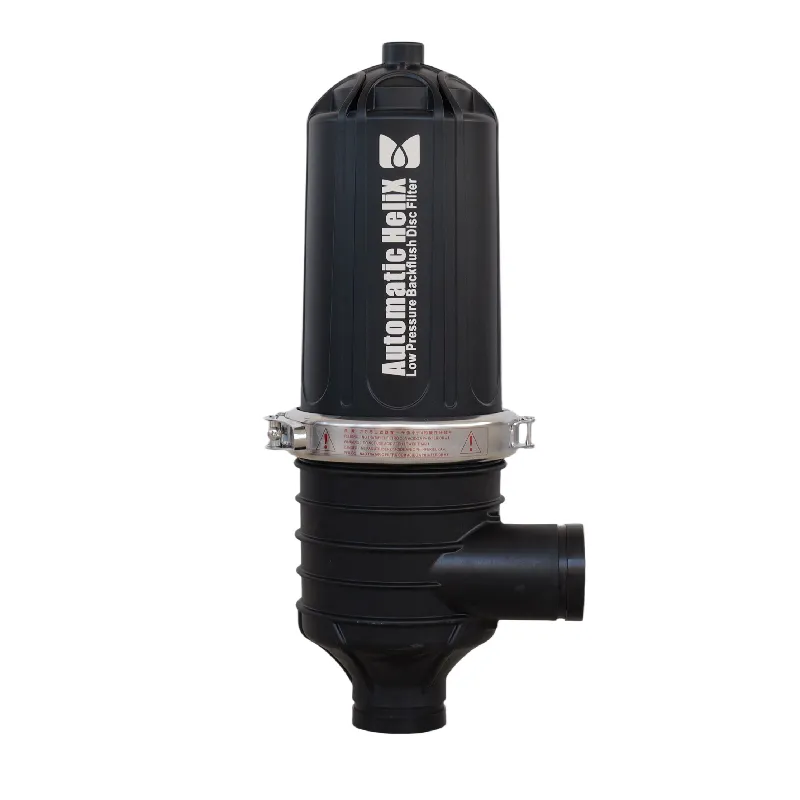
irrigation automation controller
An irrigation automation controller represents a sophisticated technological solution designed to optimize water management systems for agricultural, residential, and commercial applications. This advanced device serves as the central command hub that regulates water distribution across various irrigation zones, ensuring precise timing, duration, and flow rates tailored to specific landscape requirements. The irrigation automation controller integrates cutting-edge sensor technology, weather monitoring capabilities, and programmable scheduling features to deliver efficient water management solutions that conserve resources while maintaining optimal plant health and growth conditions. Modern irrigation automation controllers incorporate smart connectivity options, allowing users to monitor and adjust watering schedules remotely through mobile applications and web-based platforms. These systems utilize real-time environmental data, including soil moisture levels, temperature readings, humidity measurements, and precipitation forecasts to make intelligent watering decisions. The controller's sophisticated algorithms analyze multiple variables simultaneously, automatically adjusting irrigation cycles based on seasonal changes, plant growth stages, and evolving weather patterns. Key technological features include multi-zone programming capabilities, enabling different areas to receive customized watering schedules based on plant types, sun exposure, and soil conditions. Advanced models feature wireless communication protocols, cloud-based data storage, and integration with existing smart home ecosystems. The irrigation automation controller supports various valve types, pump systems, and sprinkler configurations, making it versatile for diverse installation requirements. Applications span residential gardens, commercial landscapes, agricultural fields, golf courses, municipal parks, and greenhouse operations. Professional landscapers, facility managers, and agricultural specialists rely on these controllers to maintain consistent watering practices while reducing manual labor requirements. The system's ability to prevent overwatering and underwatering scenarios protects plant investments while promoting sustainable water usage practices across multiple industries and applications.

 EN
EN