
 EN
EN

How Durable Is Drip Tape in Harsh Field Conditions
Agricultural irrigation systems face constant challenges from extreme weather conditions, soil composition variations, and mechanical stress throughout growing seasons. Modern farming operations require reliable water delivery solutions that can withstand these harsh field conditions while maintaining consistent performance over multiple crop cycles. Understanding the durability factors of drip tape systems becomes crucial for farmers investing in efficient irrigation infrastructure that maximizes crop yields while minimizing operational costs and maintenance requirements.
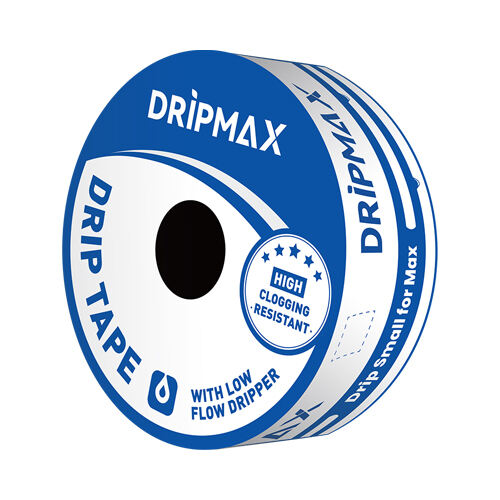
The resilience of irrigation systems directly impacts agricultural productivity and long-term profitability. Field conditions present numerous challenges including temperature fluctuations, UV radiation exposure, chemical interactions with fertilizers and pesticides, and physical damage from farm equipment operations. Quality drip tape must demonstrate exceptional durability characteristics to survive these demanding environments while delivering precise water application throughout extended service periods. Modern manufacturing techniques and advanced polymer materials have significantly enhanced the longevity and reliability of contemporary irrigation solutions.
Material Composition and Construction Quality
Advanced Polymer Technology
Contemporary drip tape utilizes sophisticated polymer blends specifically engineered for agricultural applications. High-density polyethylene forms the primary structural component, providing excellent chemical resistance and mechanical strength. These materials incorporate UV stabilizers and antioxidants that protect against photodegradation and thermal oxidation. Manufacturing processes employ precise extrusion techniques that ensure consistent wall thickness and optimal material distribution throughout the tape structure.
The molecular structure of advanced polymers creates superior flexibility while maintaining structural integrity under stress. Cross-linking additives enhance the material's resistance to environmental cracking and extend service life significantly. Quality control measures during production verify material consistency and performance specifications. These technological advances result in drip tape products that demonstrate remarkable durability across diverse agricultural environments and challenging field conditions.
Wall Thickness and Structural Design
Wall thickness specifications directly influence the durability and performance characteristics of irrigation systems. Standard specifications range from 6 mil to 15 mil thickness, with heavier gauge products offering enhanced puncture resistance and longevity. Structural design considerations include emitter placement patterns, flow channel configurations, and stress distribution features that prevent failure points during operation. Manufacturing precision ensures uniform wall thickness that maintains consistent pressure ratings throughout the product length.
Engineering calculations determine optimal thickness requirements based on operating pressure, soil conditions, and expected service life parameters. Thicker wall constructions provide superior resistance to mechanical damage from cultivation equipment and root penetration. However, material costs and flexibility considerations require balanced design approaches that optimize performance while maintaining economic viability. Advanced manufacturing techniques achieve precise thickness control that maximizes durability without compromising installation efficiency or system performance characteristics.
Environmental Resistance Factors
UV Protection and Weather Resistance
Ultraviolet radiation represents one of the most significant environmental challenges for surface-installed irrigation systems. Extended exposure to solar radiation causes polymer degradation that reduces material strength and flexibility over time. Modern drip tape incorporates specialized UV stabilizers and carbon black additives that absorb harmful radiation wavelengths. These protective compounds maintain material properties throughout multiple growing seasons of continuous field exposure.
Weather resistance encompasses protection against temperature extremes, moisture infiltration, and atmospheric chemical exposure. Thermal cycling from daily temperature variations creates expansion and contraction stresses that can lead to material fatigue. Advanced polymer formulations accommodate these thermal movements while maintaining structural integrity. Moisture barrier properties prevent water absorption that could compromise material strength or promote microbial growth within the tape structure.
Chemical Compatibility and Resistance
Agricultural operations involve exposure to various chemicals including fertilizers, pesticides, soil amendments, and water treatment compounds. Drip tape materials must demonstrate compatibility with these substances without experiencing degradation or performance loss. Polyethylene exhibits excellent chemical resistance to most agricultural chemicals commonly used in crop production systems. Laboratory testing verifies compatibility with specific chemical compounds and application concentrations.
Fertilizer injection systems create particularly challenging chemical environments within irrigation lines. Acidic or alkaline solutions can affect certain polymer types if not properly formulated for these applications. Quality drip tape products undergo rigorous chemical compatibility testing to ensure long-term performance when exposed to nutrient solutions. Material selection criteria include resistance to stress cracking, chemical swelling, and premature aging when exposed to fertilizer concentrations typical of agricultural applications.
Mechanical Durability and Field Performance
Puncture Resistance and Physical Protection
Field installation and operation subject drip tape to various mechanical stresses that test material durability. Puncture resistance becomes critical during installation processes, cultivation activities, and routine field operations. Sharp stones, plant roots, and farming implements create potential puncture hazards that quality products must withstand. Advanced manufacturing techniques produce materials with enhanced tear propagation resistance that prevent small punctures from developing into larger failures.
Physical protection strategies include proper installation techniques, protective coverings, and careful equipment operation practices. Subsurface installation reduces exposure to mechanical damage while maintaining irrigation efficiency. Surface installations require enhanced puncture resistance specifications and careful handling procedures. Material testing standards evaluate puncture resistance using standardized procedures that simulate actual field conditions and mechanical stress scenarios.
Pressure Rating and Burst Strength
Operating pressure specifications determine the maximum system pressure that drip tape can safely handle without failure. Typical pressure ratings range from 8 to 15 PSI depending on wall thickness and material specifications. Burst strength testing evaluates the maximum pressure capacity before catastrophic failure occurs. Quality products maintain significant safety margins above normal operating pressures to accommodate pressure surges and system variations.
Pressure testing procedures follow industry standards that simulate long-term exposure conditions and cyclic pressure variations. Temperature effects on pressure ratings require consideration since elevated temperatures reduce material strength and pressure capacity. Installation guidelines specify maximum operating pressures for different temperature ranges and field conditions. Proper system design includes pressure regulation equipment that maintains optimal operating conditions throughout the irrigation network.
Installation and Maintenance Considerations
Proper Installation Techniques
Installation procedures significantly influence the long-term durability and performance of drip tape systems. Soil preparation requirements include removing sharp objects, stones, and debris that could cause mechanical damage during installation or operation. Proper soil grading creates uniform support conditions that prevent stress concentrations and potential failure points. Installation equipment must handle tape materials carefully to avoid stretching, kinking, or surface damage that compromises durability.
Depth considerations for subsurface installations balance protection from mechanical damage against installation complexity and cost factors. Shallow installations provide easier maintenance access but increase exposure to cultivation damage and temperature variations. Deeper installations offer superior protection but require more sophisticated installation equipment and techniques. Site-specific evaluations determine optimal installation parameters based on crop requirements, soil conditions, and farming practices.
Maintenance Requirements and Service Life
Regular maintenance procedures extend service life and maintain optimal system performance throughout multiple growing seasons. Inspection protocols identify potential problems before they develop into system failures or significant performance degradation. Preventive maintenance includes flushing procedures that remove sediment accumulation, checking for emitter blockages, and verifying pressure distribution throughout the system. Documentation of maintenance activities helps track system performance and plan replacement schedules.
Service life expectations vary significantly based on material quality, installation methods, environmental conditions, and maintenance practices. Quality drip tape products typically provide 3-5 years of reliable service under normal agricultural conditions. Harsh environmental conditions or inadequate maintenance may reduce service life, while optimal conditions and careful handling can extend operational periods. Economic analysis considers replacement costs against productivity benefits to determine optimal replacement timing for specific applications.
Performance Testing and Quality Standards
Industry Testing Protocols
Standardized testing procedures evaluate drip tape performance characteristics and durability parameters under controlled laboratory conditions. Testing protocols simulate field conditions including temperature cycling, UV exposure, chemical contact, and mechanical stress scenarios. Accelerated aging tests predict long-term performance by exposing materials to intensified environmental conditions over shortened time periods. These evaluations provide reliable performance data that guides material selection and application recommendations.
Quality assurance programs implement comprehensive testing regimens that verify product specifications and performance claims. Batch testing ensures manufacturing consistency and identifies potential quality variations before products reach agricultural markets. Third-party certification programs provide independent verification of performance characteristics and compliance with industry standards. Documentation requirements track testing results and maintain quality records throughout the manufacturing and distribution process.
Field Performance Validation
Real-world field testing provides essential validation of laboratory performance predictions under actual agricultural conditions. Long-term field trials evaluate system durability across multiple growing seasons and diverse environmental conditions. Performance monitoring includes measurements of flow uniformity, pressure distribution, and emitter functionality over extended operational periods. Field data collection helps refine design specifications and improve future product development efforts.
Comparative evaluations assess performance differences between various product specifications and manufacturing approaches. Field trials provide valuable feedback regarding installation techniques, maintenance requirements, and operational best practices. Documentation of field performance creates databases that support product improvement initiatives and customer application guidance. Collaboration between manufacturers, researchers, and agricultural producers generates comprehensive performance data that benefits the entire irrigation industry.
Economic Considerations and Cost Analysis
Initial Investment vs Long-term Value
Investment decisions regarding drip tape systems require careful evaluation of initial costs against long-term operational benefits and durability characteristics. Higher quality products typically command premium prices but deliver superior performance and extended service life that justify increased initial investments. Economic analysis should consider total cost of ownership including installation, maintenance, replacement, and productivity impacts over multiple growing seasons.
Value engineering approaches optimize system specifications to achieve desired performance levels while managing cost considerations effectively. Material selection criteria balance durability requirements against budget constraints and application-specific needs. Life cycle cost analysis provides comprehensive evaluation frameworks that account for all relevant economic factors throughout the system operational period. These analyses help producers make informed decisions that maximize return on irrigation investments.
Replacement Timing and Cost Management
Strategic replacement planning minimizes system downtime and optimizes irrigation system performance throughout agricultural operations. Replacement timing considerations include material condition assessment, performance degradation indicators, and economic factors related to productivity impacts. Planned replacement schedules reduce emergency repair costs and ensure optimal system performance during critical growing periods.
Cost management strategies include bulk purchasing, seasonal timing considerations, and coordination with other farm operations to minimize installation costs. Inventory management practices ensure replacement materials are available when needed without excessive carrying costs or storage requirements. Financial planning incorporates replacement schedules into annual budgets and capital expenditure planning processes. These approaches help agricultural operations maintain efficient irrigation systems while managing costs effectively.
FAQ
What factors most significantly impact drip tape durability in field conditions?
The most significant factors affecting durability include material quality and wall thickness, UV exposure levels, soil conditions, installation methods, and maintenance practices. High-quality polymer materials with UV stabilizers provide superior longevity compared to basic formulations. Proper installation techniques and regular maintenance significantly extend service life, while harsh environmental conditions or mechanical damage can reduce durability substantially.
How do different wall thickness specifications affect durability and performance?
Wall thickness directly correlates with puncture resistance, pressure capacity, and overall durability characteristics. Thicker walls (10-15 mil) provide enhanced protection against mechanical damage and longer service life but increase material costs and reduce flexibility. Thinner walls (6-8 mil) offer cost advantages and easier installation but require more careful handling and may have shorter service life in challenging conditions.
What maintenance practices can extend the service life of drip tape systems?
Regular system flushing removes sediment accumulation and prevents emitter clogging that can create pressure imbalances and stress points. Periodic inspections identify potential problems early, allowing repairs before major failures occur. Proper seasonal storage procedures protect materials from UV exposure and temperature extremes during non-use periods. Chemical compatibility verification ensures fertilizer and pesticide applications do not compromise material integrity.
How can farmers evaluate whether their drip tape needs replacement?
Key indicators include visible material degradation such as cracking, discoloration, or brittleness, declining flow uniformity across the irrigation zone, frequent emitter failures or blockages, and reduced pressure holding capacity. Performance monitoring through regular flow measurements and pressure testing helps identify degradation trends. Economic evaluation considers repair costs versus replacement benefits, factoring in potential yield impacts from declining irrigation performance.