
 EN
EN

What Are the Advantages of Using Drip Line in Agriculture
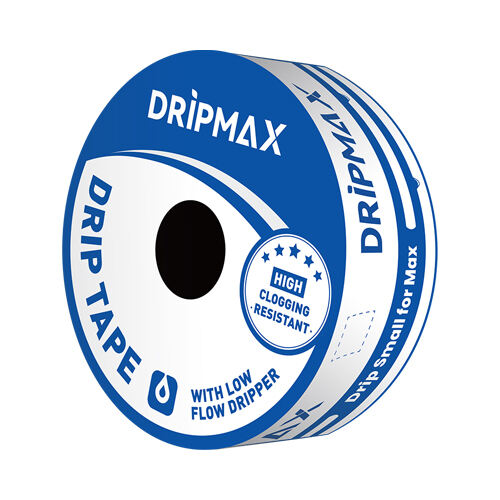
Modern agriculture faces unprecedented challenges in water management, crop yield optimization, and sustainable farming practices. Among the various irrigation technologies available today, drip line systems have emerged as a revolutionary solution that addresses these critical concerns while maximizing agricultural productivity. This precision irrigation method delivers water directly to plant root zones through a network of tubes and emitters, fundamentally transforming how farmers approach crop cultivation and resource management.
Water Conservation and Efficiency Benefits
Precise Water Delivery Mechanisms
The fundamental advantage of implementing a drip line system lies in its exceptional water conservation capabilities. Unlike traditional sprinkler or flood irrigation methods that can waste up to 50% of applied water through evaporation and runoff, drip irrigation systems achieve water use efficiency rates exceeding 90%. This remarkable efficiency stems from the targeted delivery mechanism that places water directly at the plant root zone, eliminating surface evaporation and minimizing deep percolation losses.
Agricultural operations utilizing drip line technology typically experience water savings of 30-50% compared to conventional irrigation methods. This reduction in water consumption becomes particularly valuable in arid regions where water resources are scarce and expensive. The precise application also prevents waterlogging and soil erosion, maintaining optimal soil structure and preventing nutrient leaching that commonly occurs with excessive irrigation.
Reduced Environmental Impact
Environmental sustainability represents another compelling advantage of drip line systems in modern agriculture. The reduced water usage directly correlates with decreased pressure on local water resources, helping preserve aquifers and reducing the environmental footprint of agricultural operations. Additionally, the precise application minimizes agricultural runoff, which significantly reduces the risk of nutrient pollution in nearby water bodies.
The targeted irrigation approach also supports biodiversity by maintaining drier conditions between crop rows, which can discourage weed growth while preserving beneficial soil microorganisms. This creates a more balanced ecosystem within agricultural fields, promoting long-term soil health and reducing the need for chemical interventions.
Enhanced Crop Quality and Yield Performance
Optimal Root Zone Management
Implementing drip line systems enables farmers to maintain consistent soil moisture levels within the optimal range for plant growth. This precision control prevents both water stress and oversaturation, conditions that can significantly impact crop quality and yield. Research demonstrates that crops grown with drip irrigation often exhibit superior fruit size, color, and nutritional content compared to those irrigated through conventional methods.
The controlled moisture environment created by drip line systems promotes healthier root development and more efficient nutrient uptake. Plants receive a steady supply of water without the stress cycles associated with flood irrigation, leading to more uniform growth patterns and reduced plant mortality. This consistency translates directly into higher yields and more predictable harvest outcomes for agricultural producers.
Disease Prevention and Plant Health
One of the most significant advantages of drip line irrigation is its ability to keep plant foliage dry during watering cycles. Many plant diseases thrive in humid conditions created by overhead irrigation systems, but drip irrigation eliminates this moisture on leaves and stems. This dry foliage environment significantly reduces the incidence of fungal diseases, bacterial infections, and other moisture-related plant health issues.
The reduced disease pressure translates into lower pesticide requirements, decreased crop losses, and improved overall plant vigor. Farmers utilizing drip line systems often report substantial reductions in their disease management costs while achieving better crop quality standards. This health benefit becomes particularly important for high-value crops where disease prevention directly impacts profitability.
Economic Advantages and Cost Effectiveness
Reduced Labor and Operational Costs
The automation capabilities of modern drip line systems provide substantial labor cost savings for agricultural operations. Once properly installed and programmed, these systems require minimal manual intervention, allowing farmers to irrigate large areas efficiently without constant supervision. The precise timing and duration control eliminates the need for manual valve adjustments and reduces the labor associated with moving irrigation equipment.
Energy costs also decrease significantly with drip line implementation, as these systems operate at lower pressures than sprinkler irrigation. The reduced pressure requirements translate into lower pumping costs and decreased wear on irrigation infrastructure. Many farmers report energy savings of 20-30% after transitioning from high-pressure irrigation systems to efficient drip line networks.
Improved Fertilizer Efficiency
Drip line systems excel at fertigation, the practice of delivering fertilizers directly through the irrigation water. This precision application method ensures nutrients reach the root zone efficiently, minimizing fertilizer waste and reducing application costs. The controlled release of nutrients throughout the growing season matches plant uptake patterns more closely than traditional broadcast fertilization methods.
The improved fertilizer efficiency typically results in 15-25% reduction in fertilizer costs while maintaining or improving crop nutrition levels. This economic benefit becomes particularly significant for specialty crops requiring expensive nutrient programs or in regions where fertilizer costs represent a major production expense.
Adaptability and Scalability Features
Flexible Installation Options
Modern drip line technology offers remarkable adaptability to various field conditions, crop types, and farming operations. Systems can be designed for permanent installation in perennial crops or configured for seasonal use in annual crop rotations. The modular nature of drip line components allows farmers to expand or modify their irrigation coverage as their operations evolve or as they acquire additional land.
The technology performs effectively across diverse topographical conditions, from flat fields to sloped terrain where traditional irrigation methods might struggle with uniform water distribution. This adaptability makes drip line systems suitable for small-scale specialty operations as well as large commercial agricultural enterprises seeking precision irrigation solutions.
Integration with Smart Agriculture Technologies
Contemporary drip line systems integrate seamlessly with smart agriculture technologies, including soil moisture sensors, weather stations, and automated control systems. This integration enables data-driven irrigation decisions that optimize water application based on real-time field conditions, weather forecasts, and crop growth stages. The precision control capabilities support sustainable intensification practices that maximize productivity while minimizing environmental impact.
The compatibility with precision agriculture tools positions drip line systems as a foundational technology for future farming operations. As agricultural technology continues advancing, existing drip line infrastructure can accommodate new sensors, automation features, and data analytics capabilities without requiring complete system replacement.
FAQ
How long do drip line systems typically last in agricultural applications
Quality drip line systems generally provide 5-10 years of reliable service in agricultural applications, with proper maintenance and appropriate system design. The longevity depends on factors such as water quality, installation practices, and operational management. Systems using UV-resistant materials and featuring proper filtration typically achieve the longer end of this lifespan range.
What crops benefit most from drip line irrigation technology
High-value crops such as vegetables, fruits, nuts, and specialty crops typically show the greatest return on investment with drip line systems. These crops benefit significantly from the precise water and nutrient control that drip irrigation provides. However, field crops like cotton, corn, and soybeans also show substantial benefits, particularly in water-limited regions where irrigation efficiency directly impacts profitability.
Can drip line systems work effectively in areas with poor water quality
Drip line systems can function effectively with poor water quality when properly designed with appropriate filtration and maintenance protocols. Sand separators, screen filters, and chemical treatment systems can address most water quality issues. However, water with very high mineral content or significant debris requires more intensive filtration and regular maintenance to prevent emitter clogging and ensure system longevity.
What maintenance requirements should farmers expect with drip line systems
Regular maintenance tasks include filter cleaning or replacement, periodic flushing of drip lines, emitter inspection and cleaning, and system pressure monitoring. Most maintenance activities can be scheduled during non-irrigation periods, and many tasks can be automated or simplified through proper system design. Annual maintenance costs typically represent 5-10% of the initial system investment when properly managed.