Professional Drip Tape Installation Services - Water-Efficient Irrigation Systems

All Categories

Get a Free Quote

Our representative will contact you soon.
Email
Name
Whats App
Message
0/1000

drip tape installation

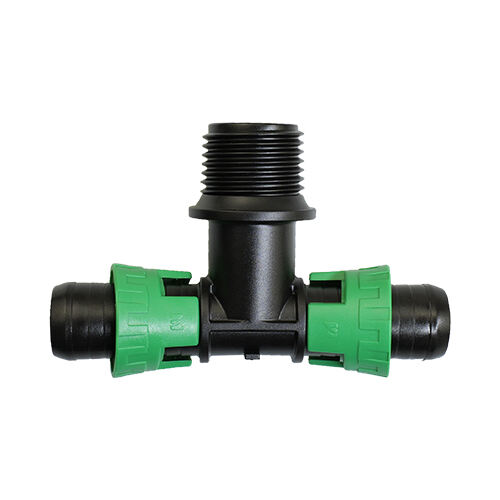
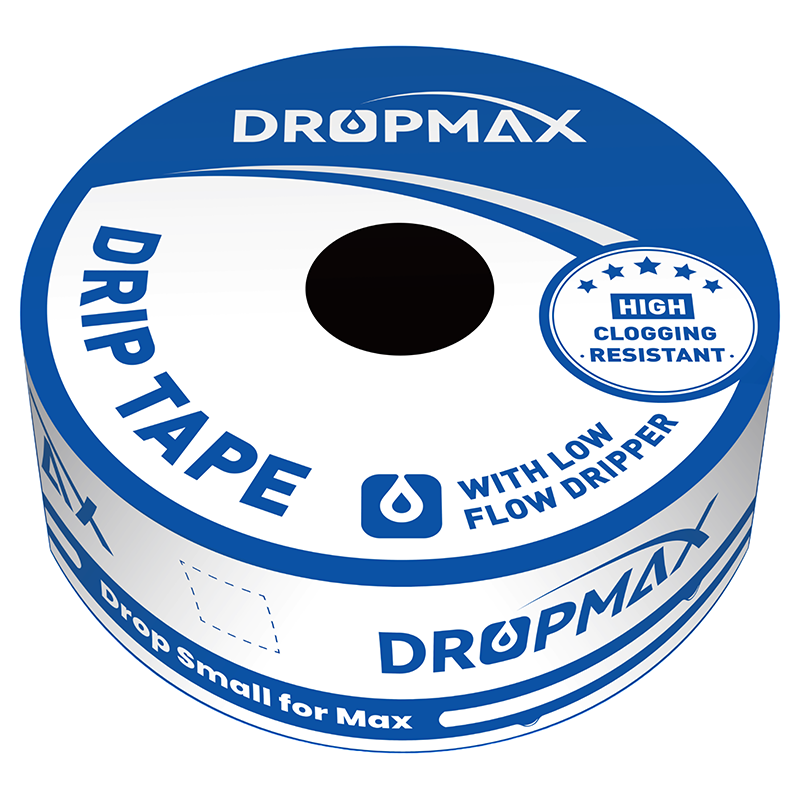
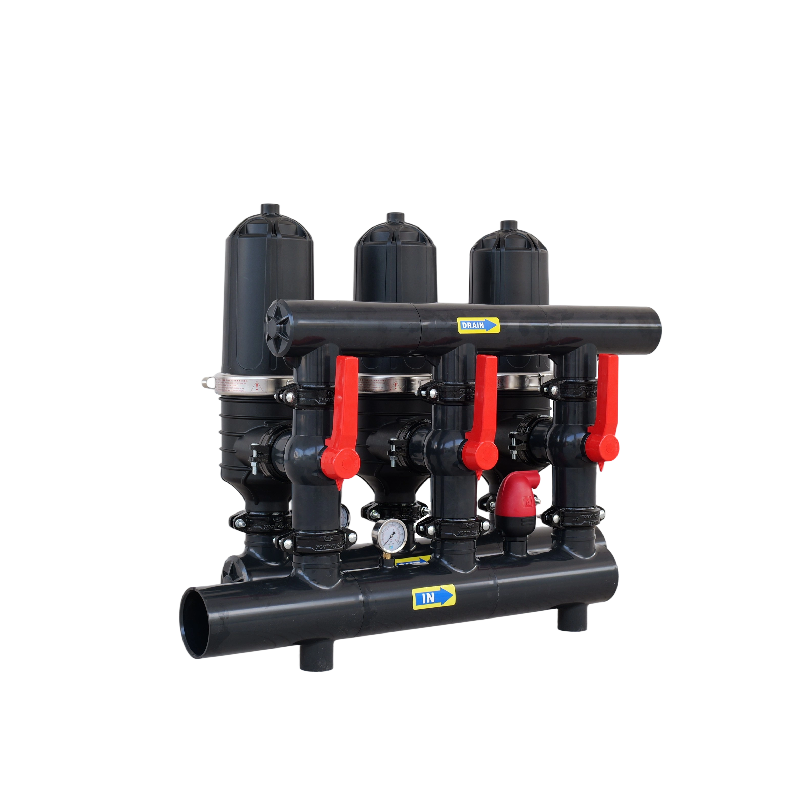
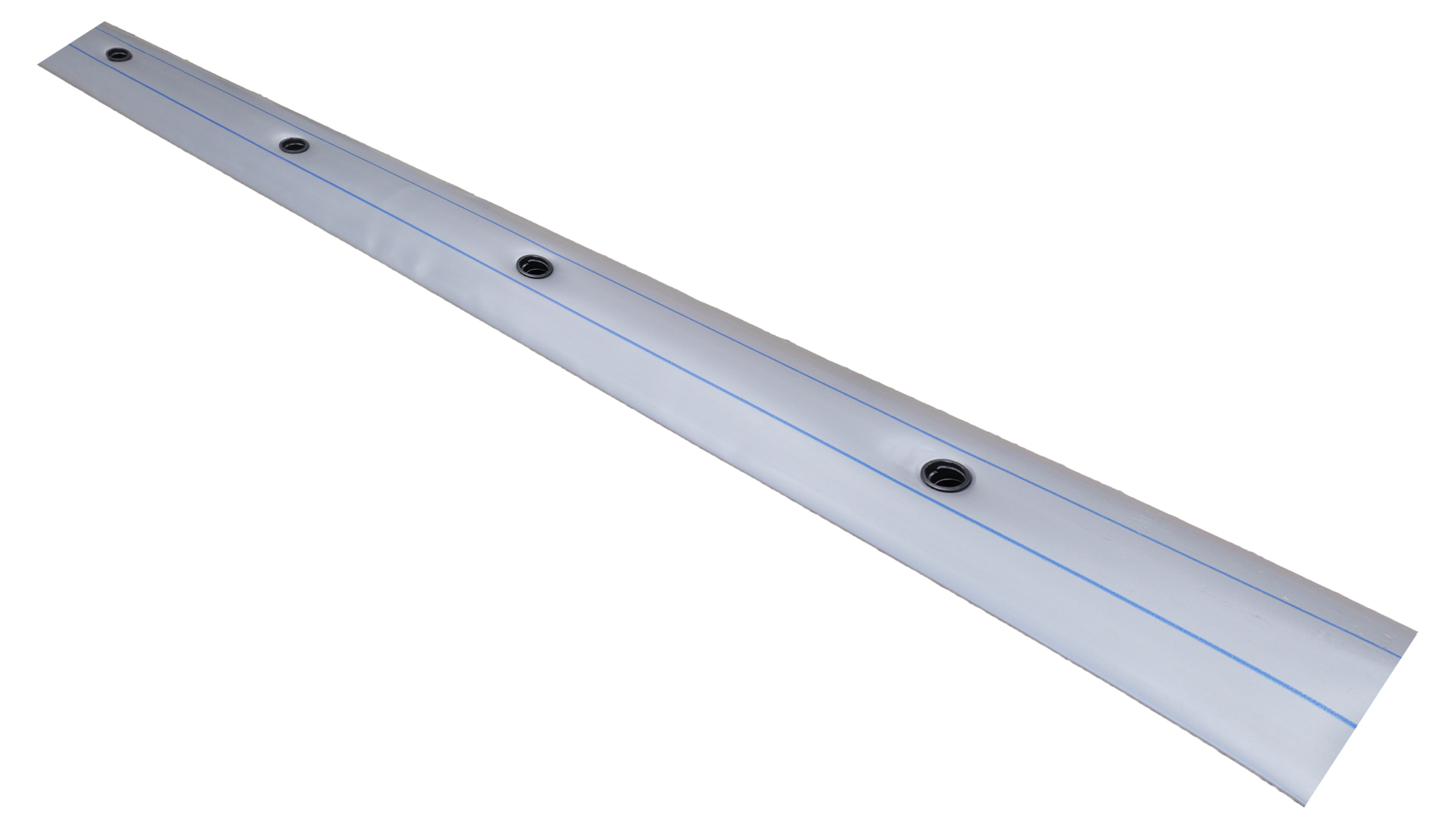
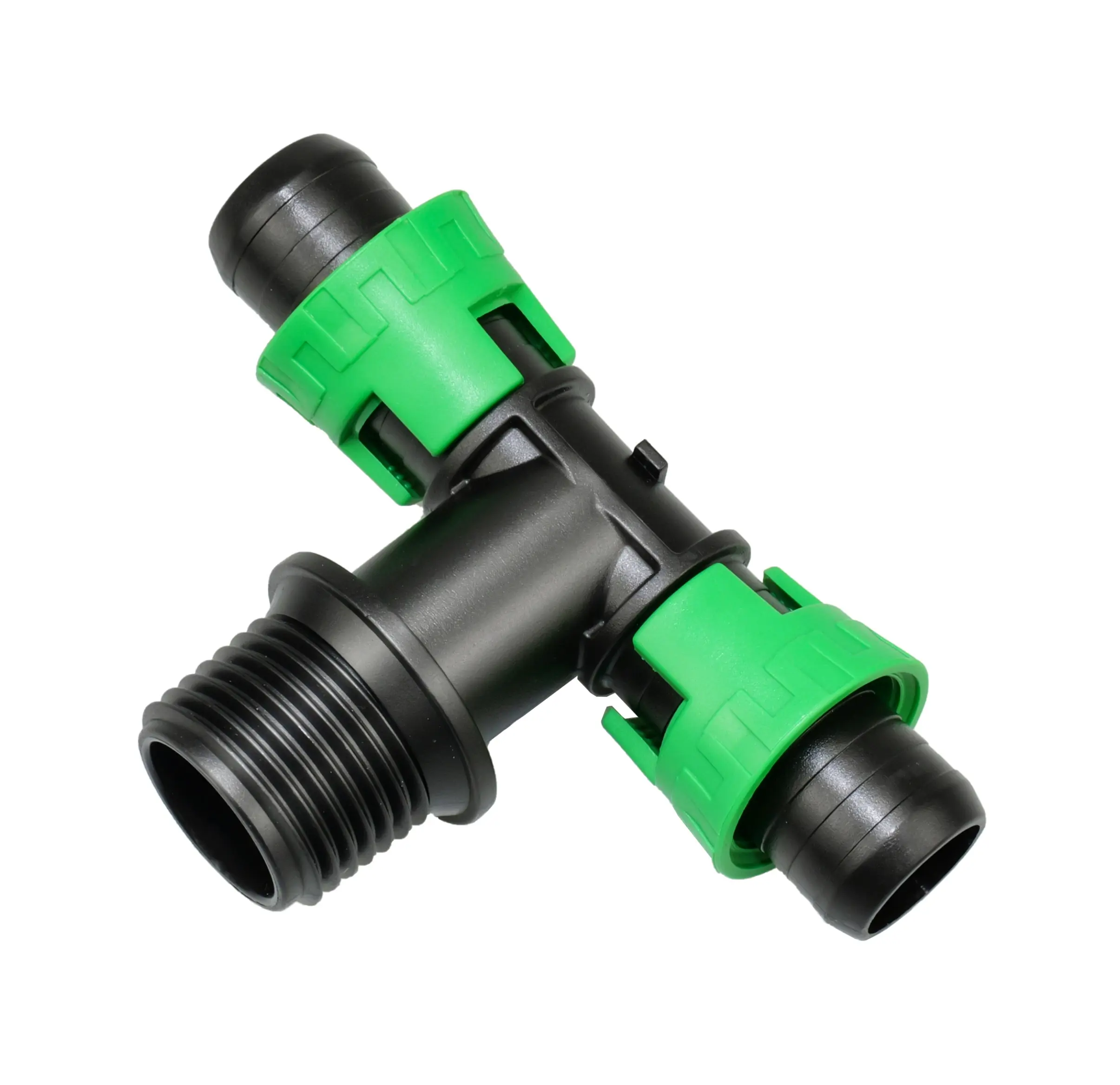
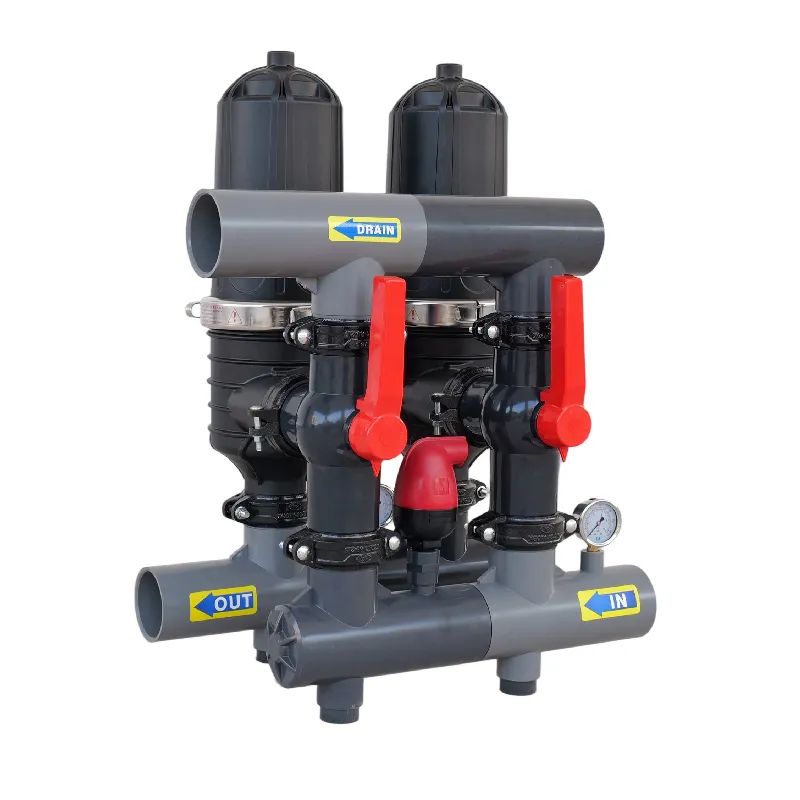
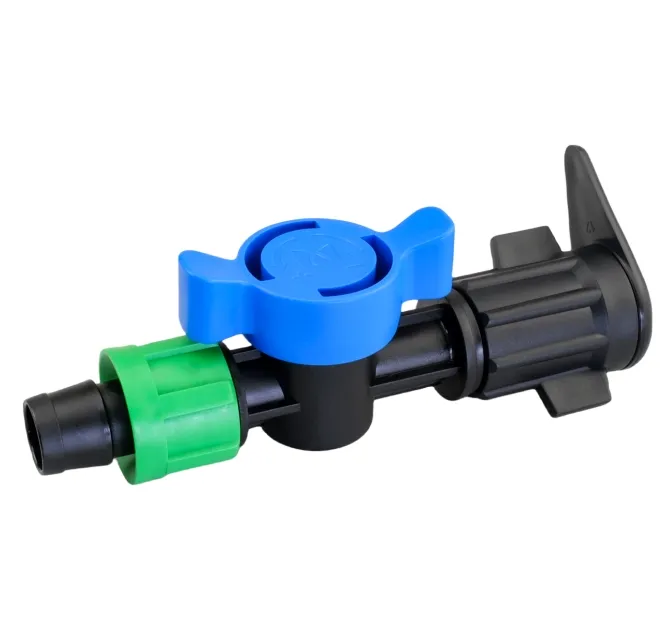
Drip tape installation represents a revolutionary approach to agricultural irrigation that delivers water directly to plant roots through a network of flexible polyethylene tubes equipped with precision emitters. This advanced irrigation system functions by maintaining consistent water pressure throughout the tape, ensuring uniform distribution across entire crop rows. The drip tape installation process involves laying these specialized tapes along planted rows, connecting them to a main water supply line, and programming automated controls for optimal scheduling. Modern drip tape systems incorporate pressure-compensating emitters that maintain steady flow rates regardless of terrain variations or tube length. The technological backbone of drip tape installation includes filtration systems that prevent clogging, pressure regulators that maintain optimal operating conditions, and flow meters that monitor water usage. These components work together to create a sophisticated yet user-friendly irrigation network. The installation typically features built-in check valves that prevent backflow contamination and air vents that eliminate system air locks. Advanced drip tape installations can integrate with smart controllers that respond to soil moisture sensors, weather data, and crop growth stages. The system's modular design allows for easy expansion and modification as farming operations evolve. Applications span across diverse agricultural sectors including row crops like corn and soybeans, vegetable production in greenhouses and open fields, orchard management for fruit trees, and specialty crops such as berries and herbs. Commercial greenhouse operations particularly benefit from drip tape installation due to precise nutrient delivery capabilities and reduced disease pressure from eliminating overhead watering. The system proves equally effective in both conventional and organic farming practices, supporting sustainable agriculture goals through water conservation and reduced chemical runoff.

Popular Products

Drip tape installation delivers exceptional water conservation benefits that reduce consumption by up to seventy percent compared to traditional sprinkler systems. This remarkable efficiency stems from delivering water directly to root zones while minimizing evaporation losses and surface runoff. Farmers experience immediate cost savings through reduced water bills and decreased pumping requirements, making drip tape installation an economically sound investment that pays for itself within two growing seasons. The system eliminates water waste on pathways, weeds, and non-productive areas, ensuring every drop reaches intended plants. Labor costs decrease significantly since drip tape installation requires minimal maintenance once properly established. Workers spend less time moving sprinklers, adjusting irrigation schedules, or dealing with water-related crop issues. The automated nature of modern drip tape installation systems allows farmers to focus on other critical farming activities while maintaining optimal soil moisture levels. Crop yields typically increase by twenty to forty percent following drip tape installation due to consistent soil moisture that prevents plant stress. This steady water supply promotes healthier root development, improved nutrient uptake, and enhanced fruit quality. Plants grown with drip tape installation show increased resistance to diseases since foliage remains dry, reducing fungal infections and bacterial problems common with overhead irrigation. Fertilizer efficiency improves dramatically through fertigation capabilities built into drip tape installation systems. Nutrients dissolve directly into irrigation water and reach root zones immediately, preventing fertilizer waste and reducing environmental impact. This targeted delivery method ensures plants receive proper nutrition throughout growing seasons while minimizing groundwater contamination. Weed control becomes more manageable since drip tape installation only waters crop areas, leaving spaces between rows dry and inhospitable to weed germination. Energy consumption drops substantially because drip tape installation operates at lower pressures than conventional systems, reducing electricity costs for pumping operations. The system adapts easily to irregular field shapes and varying topography, providing flexible solutions for diverse farming conditions. Harvest quality improves as fruits and vegetables grown with drip tape installation typically show better size uniformity, enhanced flavor profiles, and extended shelf life due to consistent growing conditions.

Latest News

Water-Saving Drip Tape Technology Reduces Agricultural Costs

16

Jun

Water-Saving Drip Tape Technology Reduces Agricultural Costs

Discover the mechanics of drip tape technology, its components, and the benefits of smart integration with modern agriculture. Learn about the future innovations in water-efficient farming for sustainable practices.
View More
Quick-Install Drip Line Components Save Labor Costs

23

Jul

Quick-Install Drip Line Components Save Labor Costs

Explore labor cost challenges in traditional irrigation systems and discover how modern drip irrigation ensures efficiency with reduced installation time and minimal maintenance. Learn the key benefits for water conservation and scalable growth in agriculture.
View More
How Does Agricultural Irrigation Improve Crop Yields?

29

Aug

How Does Agricultural Irrigation Improve Crop Yields?

View More
What Is Drip Irrigation Tape and How Is It Used?

29

Aug

What Is Drip Irrigation Tape and How Is It Used?

View More

Get a Free Quote

Our representative will contact you soon.
Email
Name
Company Name
Message
0/1000

drip tape installation

Precision Water Management Technology

Precision Water Management Technology

The precision water management capabilities of drip tape installation systems represent a quantum leap forward in agricultural efficiency and crop optimization. This sophisticated technology employs pressure-compensating emitters strategically placed along flexible polyethylene tubing to deliver exact water quantities directly to individual plant root zones. Unlike conventional irrigation methods that apply water broadly across entire fields, drip tape installation creates microenvironments of optimal soil moisture around each plant, eliminating guesswork and waste. The system operates through carefully calibrated flow rates measured in gallons per hour per hundred feet of tape, allowing farmers to customize water delivery based on specific crop requirements, soil types, and growth stages. Advanced drip tape installation incorporates self-flushing emitters that prevent clogging from particles and mineral buildup, ensuring consistent performance throughout extended growing seasons. The technology includes built-in turbulence chambers within each emitter that create uniform water distribution patterns regardless of pressure variations along the tape length. Smart sensors integrated into modern drip tape installation systems monitor soil moisture levels in real-time, automatically adjusting water delivery schedules based on actual plant needs rather than predetermined timers. This responsive approach prevents both under-watering and over-watering conditions that can stress plants and reduce yields. The precision extends to nutrient delivery through fertigation capabilities that inject water-soluble fertilizers directly into the irrigation stream. This targeted approach ensures plants receive proper nutrition at root level while preventing fertilizer waste and environmental contamination. Temperature sensors within drip tape installation systems can detect soil conditions and adjust watering schedules to optimize nutrient uptake during peak growing periods. The technology supports variable rate irrigation across different field zones, accommodating soil variations and crop requirements within single fields. GPS integration allows drip tape installation systems to create detailed irrigation maps that track water application rates and identify areas requiring attention. Data logging capabilities record irrigation patterns, water usage, and system performance metrics for analysis and optimization. This comprehensive monitoring enables farmers to make informed decisions about crop management while maintaining detailed records for regulatory compliance and sustainability reporting.
Cost-Effective Long-Term Investment Benefits

Cost-Effective Long-Term Investment Benefits

Drip tape installation emerges as one of the most financially advantageous investments farmers can make, delivering substantial returns through multiple cost-saving mechanisms and revenue enhancement opportunities. The initial investment in drip tape installation typically recovers within eighteen to thirty months through water cost reductions alone, with many operations seeing payback periods as short as one growing season in water-scarce regions. Long-term operational costs decrease dramatically as drip tape installation systems require minimal maintenance compared to traditional irrigation methods that demand frequent sprinkler adjustments, pipe repairs, and labor-intensive management. The durability of modern drip tape materials ensures systems operate effectively for five to seven years with proper care, spreading installation costs across multiple growing seasons while maintaining consistent performance. Water cost savings represent the most immediate financial benefit of drip tape installation, with typical reductions ranging from forty to seventy percent depending on previous irrigation methods and regional water pricing. These savings compound annually, creating substantial cumulative benefits that often exceed original system costs within three years. Energy expenses decrease significantly since drip tape installation operates at lower pressures than sprinkler systems, reducing electricity consumption for pumping operations by up to fifty percent. Maintenance costs remain minimal as drip tape installation systems feature fewer moving parts and mechanical components compared to center pivot or overhead sprinkler systems. Labor efficiency improvements translate directly into cost savings as automated drip tape installation systems eliminate daily irrigation management tasks, freeing workers for other productive activities. Crop yield increases of twenty to forty percent following drip tape installation implementation generate additional revenue that accelerates investment recovery timelines. Premium pricing opportunities arise from improved crop quality achieved through consistent soil moisture management, with many crops commanding higher market prices due to enhanced size uniformity, better flavor profiles, and extended shelf life. Fertilizer cost reductions occur through efficient fertigation delivery that minimizes waste and maximizes nutrient uptake, often reducing fertilizer expenses by thirty to fifty percent. Insurance benefits may apply as some agricultural insurance providers offer premium discounts for operations using efficient irrigation technologies like drip tape installation. Government incentive programs frequently support drip tape installation projects through grants, tax credits, and cost-sharing opportunities that further enhance financial returns.
Environmental Sustainability and Conservation Impact

Environmental Sustainability and Conservation Impact

Drip tape installation systems champion environmental stewardship by dramatically reducing water consumption while promoting sustainable agricultural practices that protect natural resources for future generations. Water conservation stands as the primary environmental benefit, with drip tape installation reducing agricultural water usage by sixty to seventy percent compared to conventional irrigation methods through precise application and minimal evaporation losses. This conservation directly supports aquifer preservation and reduces pressure on municipal water supplies, particularly crucial in drought-prone regions where agriculture competes with urban areas for limited water resources. Soil health improvements result from drip tape installation practices that maintain optimal moisture levels without causing erosion, compaction, or nutrient leaching associated with flood or overhead irrigation methods. The targeted water delivery prevents soil structure degradation while promoting beneficial microbial activity in root zones, creating healthier growing environments that support long-term soil fertility. Groundwater protection occurs through reduced fertilizer and pesticide runoff when drip tape installation delivers nutrients directly to plant roots rather than broadcasting across entire fields. This precision application method prevents excess chemicals from migrating into water supplies while maintaining effective crop nutrition and pest management. Carbon footprint reduction follows drip tape installation implementation through decreased energy consumption for pumping operations and reduced need for heavy machinery movement across fields for irrigation management. Many operations report twenty to thirty percent reductions in fuel consumption after switching to automated drip tape installation systems. Biodiversity enhancement occurs in fields using drip tape installation as targeted watering leaves uncultivated areas dry, preserving habitat for beneficial insects and wildlife while reducing weed pressure through selective moisture management. Native plant species often recover in field margins where drip tape installation eliminates excessive water application. Air quality improvements result from reduced dust generation since drip tape installation maintains surface soil moisture without creating muddy conditions that contribute to particulate emissions. Pesticide reduction becomes possible as drip tape installation creates healthier plant conditions that naturally resist diseases and pests, reducing chemical application requirements by up to forty percent in many crops. Waste reduction occurs through extended drip tape lifespan and recyclable materials that minimize landfill contributions compared to disposable irrigation components. Climate adaptation benefits emerge as drip tape installation systems help farmers maintain productivity during drought conditions while supporting resilience against increasingly variable weather patterns associated with climate change.

Get a Free Quote

Our representative will contact you soon.
Email
Name
Company Name
Message
0/1000