
 EN
EN

How Mini Valves for Layflat Hose Optimize Water Distribution in Fields
Efficient water distribution systems are the backbone of successful agricultural operations, and mini valves for layflat hose technology represents a significant advancement in precision irrigation. These compact yet powerful components enable farmers to achieve targeted water delivery across diverse field conditions while maintaining optimal pressure control and flow regulation. The integration of mini valves for layflat hose systems has revolutionized how agricultural professionals approach field irrigation, offering unprecedented control over water distribution patterns and enabling more sustainable farming practices.
Understanding Mini Valve Technology in Agricultural Applications
Core Components and Functionality
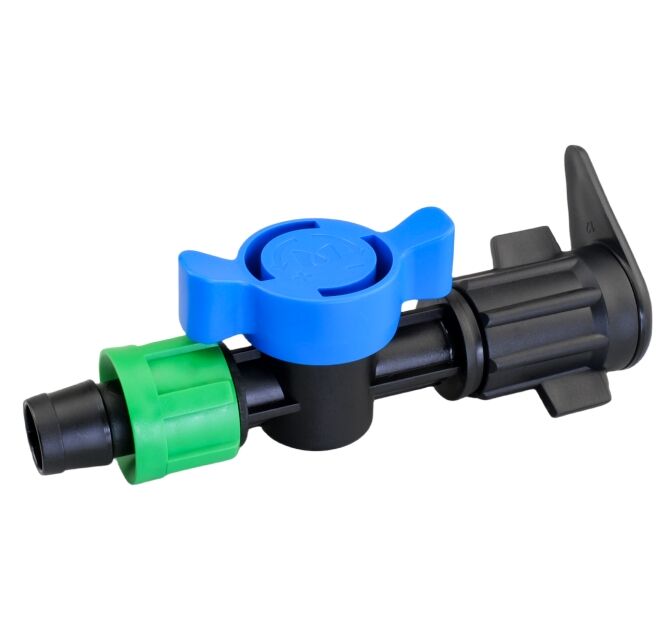
The engineering behind mini valves for layflat hose systems involves precision-manufactured components designed to withstand agricultural field conditions while delivering consistent performance. These valves typically feature corrosion-resistant materials such as brass, stainless steel, or high-grade polymers that maintain functionality despite exposure to fertilizers, chemicals, and varying weather conditions. The compact design allows for easy installation along layflat hose runs without creating significant pressure drops or flow restrictions that could compromise system efficiency.
Advanced valve mechanisms incorporate spring-loaded actuators and precision-engineered sealing systems that ensure reliable operation across multiple growing seasons. The internal components are designed to handle the typical pressure ranges found in agricultural irrigation systems, generally between 15-50 PSI, while maintaining precise flow control capabilities. This engineering approach ensures that farmers can rely on consistent water distribution regardless of field topography or seasonal variations in water pressure.
Material Selection and Durability Considerations
The selection of appropriate materials for mini valves for layflat hose applications requires careful consideration of environmental factors and chemical compatibility. UV-resistant compounds are essential for components exposed to direct sunlight, while internal mechanisms must resist corrosion from dissolved minerals and agricultural chemicals commonly found in irrigation water. Modern valve designs often incorporate multiple material types, with metal components for structural integrity and polymer seals for chemical resistance and flexibility.
Durability testing protocols for these valves typically include thousands of actuation cycles, pressure cycling tests, and chemical exposure evaluations to ensure reliable field performance. The investment in high-quality valve construction translates directly to reduced maintenance costs and improved system reliability throughout the irrigation season. Field testing has demonstrated that properly selected mini valves for layflat hose systems can operate effectively for multiple years with minimal maintenance requirements.
Installation Strategies and Field Integration
Optimal Spacing and Placement Techniques
Strategic placement of mini valves for layflat hose systems requires understanding of crop water requirements, soil characteristics, and field topography to achieve uniform water distribution. Typical valve spacing ranges from 20 to 100 feet depending on crop type, with closer spacing used for high-value specialty crops requiring precise moisture control. The installation process involves creating secure connections that maintain system pressure while allowing for easy access during maintenance operations.
Professional installation techniques emphasize the importance of proper valve orientation and secure mounting to prevent damage from farm equipment or environmental factors. The connection methodology varies depending on hose material and diameter, with most systems utilizing barbed fittings or compression connections that create leak-proof seals without requiring specialized tools. Proper installation practices include provision for thermal expansion and contraction of the layflat hose material during temperature fluctuations.
System Integration and Automation Possibilities
Modern agricultural operations increasingly incorporate automated control systems that can manage mini valves for layflat hose networks through programmable controllers and sensor feedback systems. These integration approaches enable precision timing of irrigation events based on soil moisture levels, weather conditions, and crop growth stages. The compatibility of valve actuation mechanisms with electronic control systems opens possibilities for remote monitoring and control capabilities that reduce labor requirements while improving irrigation precision.
Sensor integration allows for real-time monitoring of flow rates and pressure conditions at individual valve locations, providing valuable data for optimizing water distribution patterns. Advanced systems can automatically adjust valve positions based on feedback from soil moisture sensors, weather stations, and crop monitoring equipment to maintain optimal growing conditions while minimizing water consumption. This level of automation represents the future direction of precision agriculture and sustainable farming practices.
Performance Optimization and Water Management
Flow Control and Pressure Management
Achieving optimal performance from mini valves for layflat hose systems requires understanding the relationship between valve position, flow rate, and system pressure dynamics. Fine-tuning valve adjustments allows farmers to create customized water distribution patterns that match specific crop requirements and field conditions. The ability to regulate flow at multiple points along the hose run enables compensation for pressure variations caused by elevation changes or distance from the water source.
Pressure regulation becomes particularly important in fields with significant elevation changes, where gravity effects can create uneven water distribution without proper valve control. Mini valves for layflat hose applications provide the granular control necessary to maintain consistent application rates across varying topographical conditions. Understanding pressure-flow relationships helps operators make informed adjustments that maximize water use efficiency while ensuring adequate crop hydration.
Maintenance Protocols and Longevity Strategies
Regular maintenance of mini valves for layflat hose systems involves inspection of sealing components, cleaning of debris from valve mechanisms, and verification of proper actuation function. Seasonal maintenance protocols typically include pressure testing to identify potential leaks and replacement of worn components before they cause system failures. Preventive maintenance approaches significantly extend valve life and reduce the likelihood of irrigation disruptions during critical growing periods.
Proper winterization procedures protect valve components from freeze damage in climate zones experiencing sub-zero temperatures. This process involves draining residual water from valve chambers and protecting exposed components from ice formation that could damage internal mechanisms. Understanding manufacturer specifications for temperature limits and storage requirements ensures that mini valves for layflat hose systems remain functional across multiple growing seasons with minimal replacement costs.
Economic Benefits and Return on Investment
Water Conservation and Cost Savings
The implementation of mini valves for layflat hose systems delivers measurable water conservation benefits through improved application efficiency and reduced waste from over-irrigation or runoff conditions. Precise flow control capabilities enable farmers to apply water only where and when needed, reducing overall consumption while maintaining crop yields. Studies have demonstrated water savings of 15-30% compared to traditional irrigation methods when mini valves for layflat hose technology is properly implemented.
Economic analysis of valve system investments typically shows positive returns within 2-3 growing seasons through combined savings in water costs, reduced labor requirements, and improved crop quality from consistent moisture management. The ability to fine-tune irrigation patterns also reduces fertilizer losses through leaching, providing additional cost savings beyond direct water conservation benefits. Long-term economic advantages include reduced soil erosion and improved soil health from controlled water application practices.
Labor Efficiency and Operational Improvements
Mini valves for layflat hose installations significantly reduce the labor requirements associated with manual irrigation management and system adjustments. Automated or semi-automated valve control eliminates the need for frequent field visits to adjust flow rates or redirect water to different field sections. This operational efficiency allows agricultural workers to focus on other critical farm activities while maintaining optimal irrigation schedules.
The improved reliability and reduced maintenance requirements of modern valve systems contribute to overall operational efficiency and reduced emergency repair costs. Consistent water distribution patterns enabled by properly functioning mini valves for layflat hose systems result in more uniform crop development and simplified harvest operations. These operational improvements translate directly to improved profitability and reduced stress on farm management personnel during busy growing seasons.
FAQ
What pressure ranges are suitable for mini valves for layflat hose systems
Most mini valves for layflat hose applications are designed to operate effectively within pressure ranges of 15-50 PSI, which covers the majority of agricultural irrigation scenarios. Higher pressure ratings are available for specialized applications, but standard agricultural systems rarely require pressures exceeding this range. Proper pressure regulation ensures optimal valve performance and extends component life while maintaining consistent water distribution patterns across the irrigation zone.
How often should mini valves for layflat hose systems require maintenance
Regular inspection and maintenance of mini valves for layflat hose systems should occur at least twice per growing season, with more frequent checks in high-use applications or challenging environmental conditions. Basic maintenance involves cleaning debris from valve mechanisms, checking sealing components for wear, and verifying proper actuation function. Seasonal maintenance protocols help prevent system failures during critical irrigation periods and extend overall valve life.
Can mini valves for layflat hose systems be integrated with automated irrigation controls
Modern mini valves for layflat hose systems are increasingly compatible with automated irrigation control systems, enabling remote operation and programmable scheduling based on sensor inputs and environmental conditions. Integration possibilities include connection to soil moisture sensors, weather monitoring equipment, and centralized control systems that can manage multiple valve locations simultaneously. This automation capability represents a significant advancement in precision agriculture technology and water management efficiency.
What are the typical spacing requirements for optimal valve placement
Optimal spacing for mini valves for layflat hose installations depends on crop type, soil characteristics, and desired precision level, with typical intervals ranging from 20-100 feet along the hose run. High-value specialty crops may require closer valve spacing for precise moisture control, while field crops can often utilize wider spacing intervals. Proper spacing ensures uniform water distribution while balancing system complexity and installation costs to achieve optimal return on investment for the specific agricultural application.