Advanced Agricultural Irrigation Technology Solutions - Precision Water Management Systems

All Categories

Get a Free Quote

Our representative will contact you soon.
Email
Name
Whats App
Message
0/1000

agricultural irrigation technology

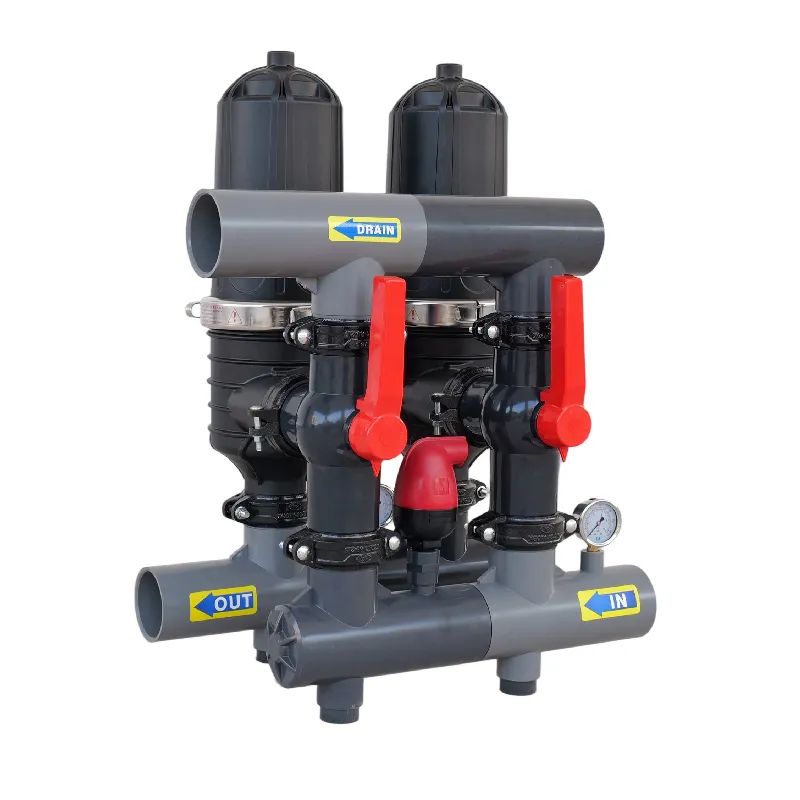
Agricultural irrigation technology represents a revolutionary advancement in modern farming practices, transforming how crops receive water and nutrients for optimal growth. This sophisticated system encompasses various methods and equipment designed to deliver water efficiently to crops while minimizing waste and maximizing yield potential. The core function of agricultural irrigation technology centers on providing controlled water distribution that matches plant requirements throughout different growth stages. Modern systems integrate sensors, automated controls, and precision delivery mechanisms to ensure crops receive exactly the right amount of water at the optimal time. The technological features of contemporary agricultural irrigation technology include smart controllers that monitor soil moisture levels, weather conditions, and plant needs in real-time. These systems utilize advanced filtration components to ensure clean water delivery while preventing clogging in distribution networks. GPS-guided equipment enables precise application patterns, while variable rate technology adjusts water flow based on specific field conditions and crop requirements. Applications of agricultural irrigation technology span across diverse farming operations, from small-scale vegetable gardens to expansive commercial farms growing grains, fruits, and specialty crops. Greenhouse operations rely heavily on these systems for controlled environment agriculture, while outdoor field crops benefit from center pivot, drip, and sprinkler configurations. The technology adapts to various terrain types, soil conditions, and climate zones, making it versatile for global agricultural needs. Integration capabilities allow agricultural irrigation technology to work seamlessly with existing farm management software, creating comprehensive digital farming solutions. Remote monitoring features enable farmers to oversee multiple irrigation zones from mobile devices, ensuring continuous operation even when physically absent from the field. Water conservation remains a primary focus, with modern systems reducing consumption by up to forty percent compared to traditional methods while maintaining or improving crop quality and yield outcomes.

New Products

Agricultural irrigation technology delivers substantial benefits that directly impact farm profitability and operational efficiency. Farmers experience significant water savings through precise application methods that eliminate runoff and reduce evaporation losses. This technology monitors soil conditions continuously, applying water only when plants actually need it, which prevents both under-watering and over-watering scenarios that can damage crops or waste resources. Labor costs decrease dramatically because automated systems handle scheduling, monitoring, and adjustments without constant human intervention. Farmers can manage multiple fields simultaneously while focusing on other critical farming activities. The consistency provided by agricultural irrigation technology ensures uniform crop development across entire fields, leading to better quality produce and higher market values. Yield improvements often exceed twenty percent compared to traditional watering methods because plants receive optimal moisture levels throughout their growing cycle. Energy efficiency represents another major advantage, as modern pumps and distribution systems consume less electricity while delivering superior performance. Smart scheduling features operate during off-peak hours when energy costs are lower, further reducing operational expenses. Crop stress reduction occurs because agricultural irrigation technology maintains steady moisture levels, helping plants resist diseases and pests more effectively. This translates to reduced pesticide and fungicide applications, creating cost savings and supporting sustainable farming practices. Soil health improves significantly since controlled water application prevents erosion and nutrient leaching that commonly occur with flood irrigation or excessive rainfall. The technology allows farmers to apply fertilizers through the irrigation system, ensuring nutrients reach root zones efficiently while minimizing environmental impact. Scalability makes agricultural irrigation technology suitable for operations of any size, from small family farms to large commercial enterprises. Return on investment typically occurs within three to five years through combined savings in water, labor, energy, and improved crop revenues. Weather independence becomes possible as farmers can maintain optimal growing conditions regardless of rainfall patterns, providing security against drought conditions and enabling consistent production schedules. Data collection capabilities help farmers make informed decisions about future plantings, crop rotations, and resource allocation based on detailed performance metrics gathered throughout each growing season.

Practical Tips

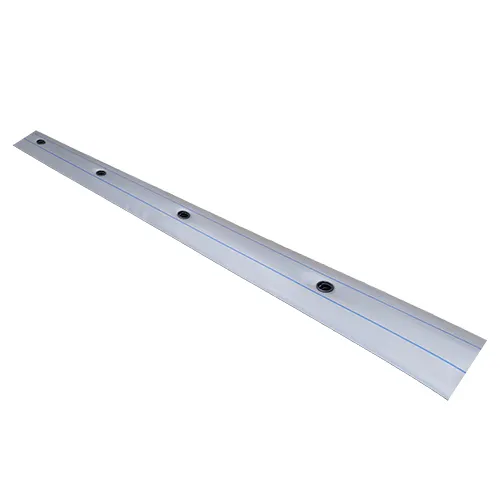
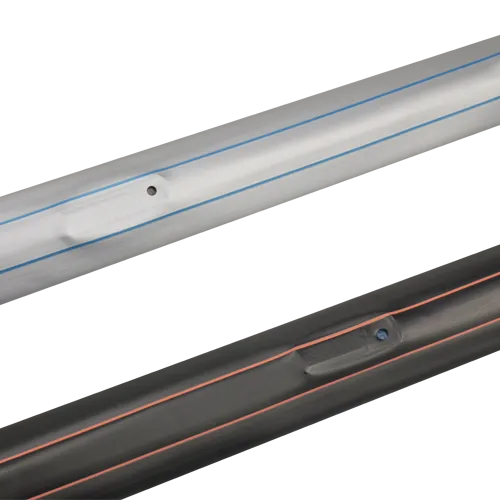
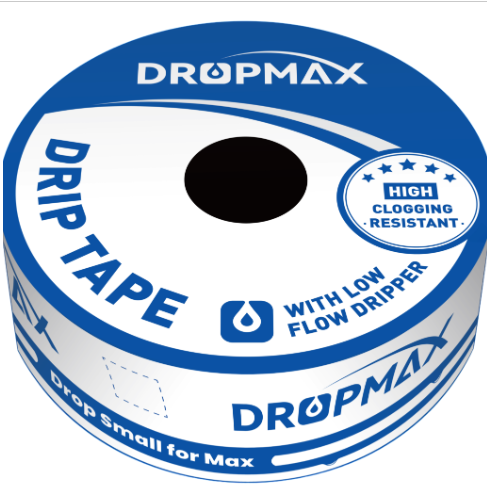
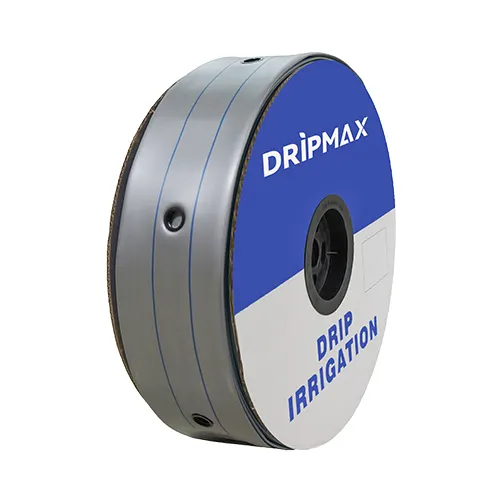
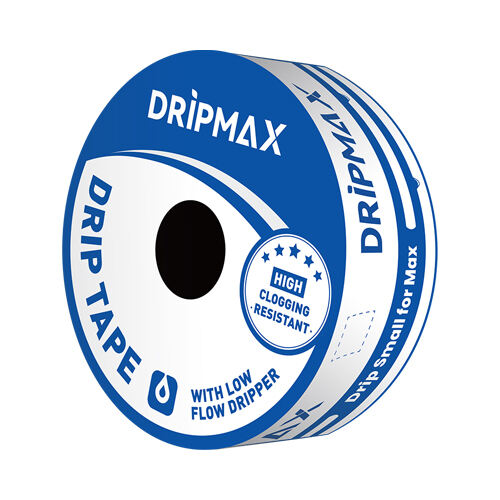
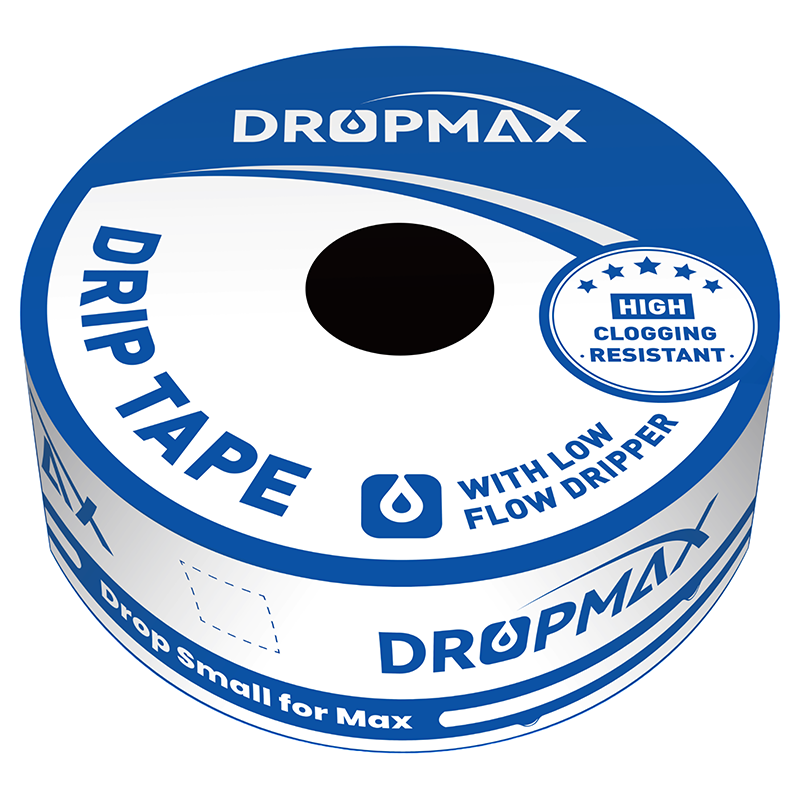
DripMax Launches Silver Drip Tape: Elevating Irrigation Efficiency

12

Dec

DripMax Launches Silver Drip Tape: Elevating Irrigation Efficiency

View More
Introducing the RAFA Flexible Pipe: A New Standard in Efficient Irrigation

12

Dec

Introducing the RAFA Flexible Pipe: A New Standard in Efficient Irrigation

View More
Low-Flow Drip Irrigation: A Game-Changer for Efficient Water Use in Modern Agriculture

12

Dec

Low-Flow Drip Irrigation: A Game-Changer for Efficient Water Use in Modern Agriculture

View More
 Prevent Clogging: Self-Cleaning Drip Tape Technology Explained

23

Jul

Prevent Clogging: Self-Cleaning Drip Tape Technology Explained

Explore the challenges of drip system clogging and discover innovative solutions with self-cleaning drip tape technology. Learn about common causes of blockages, benefits of self-cleaning systems, and installation best practices.
View More

Get a Free Quote

Our representative will contact you soon.
Email
Name
Company Name
Message
0/1000

agricultural irrigation technology

Precision Water Management and Smart Control Systems

Precision Water Management and Smart Control Systems

Agricultural irrigation technology revolutionizes water management through sophisticated control systems that deliver unprecedented precision in crop watering. These advanced systems utilize multi-sensor networks to continuously monitor soil moisture, ambient temperature, humidity levels, and plant stress indicators in real-time. The integration of artificial intelligence algorithms processes this data to make instant decisions about when, where, and how much water each zone requires. Smart controllers can differentiate between various crop types within the same field, adjusting water delivery to match specific plant requirements during different growth phases. This precision eliminates the guesswork traditionally associated with irrigation scheduling, preventing both water stress and oversaturation that can harm plant development. The technology incorporates weather forecasting data to anticipate rainfall and adjust irrigation schedules accordingly, avoiding unnecessary water applications before natural precipitation occurs. Variable rate application systems modify water flow rates based on topography, soil type variations, and historical yield data, ensuring optimal distribution across diverse field conditions. Remote monitoring capabilities enable farmers to oversee irrigation operations from anywhere using smartphone applications or computer interfaces, providing instant alerts about system status, maintenance needs, or unusual conditions. Automated shut-off features prevent water waste during equipment malfunctions or unexpected weather changes. The precision offered by modern agricultural irrigation technology extends to nutrient delivery through fertigation systems that inject fertilizers directly into irrigation water, ensuring plants receive balanced nutrition precisely when needed. This targeted approach maximizes nutrient uptake efficiency while minimizing environmental runoff that can contaminate groundwater or surface water sources. GPS integration enables zone-specific programming that accounts for microclimates within larger fields, addressing variations in sun exposure, wind patterns, and drainage characteristics. The result is uniform crop development that produces higher quality harvests with improved shelf life and market value, while using significantly less water than conventional irrigation methods.
Enhanced Crop Productivity and Quality Improvement

Enhanced Crop Productivity and Quality Improvement

Agricultural irrigation technology serves as a catalyst for dramatic improvements in both crop productivity and produce quality through consistent moisture management that optimizes plant physiology. Plants receiving steady, appropriate water levels develop stronger root systems, more robust stems, and larger leaf canopies that maximize photosynthesis efficiency. This enhanced growing environment enables crops to reach their full genetic potential, often resulting in yield increases of twenty-five to forty percent compared to rain-fed agriculture. The technology prevents stress-induced problems such as blossom end rot in tomatoes, fruit cracking in grapes, or hollow heart in potatoes, which commonly occur when plants experience irregular water availability. Consistent moisture levels promote uniform fruit sizing and coloration, creating more marketable produce that commands premium prices. Agricultural irrigation technology enables extended growing seasons by providing reliable water sources during dry periods, allowing farmers to plant earlier in spring and harvest later in fall, effectively increasing annual production cycles. The ability to control water application timing supports optimal flowering and fruit development, crucial for crops like almonds, citrus fruits, and berries where synchronous maturation improves harvest efficiency and product quality. Stress reduction through proper irrigation enhances plants' natural disease resistance, reducing the need for chemical treatments that can affect flavor, appearance, or consumer acceptance. The technology supports sustainable intensification by enabling farmers to produce more food on existing agricultural land without expanding into natural habitats. Precision irrigation creates ideal conditions for beneficial soil microorganisms that support plant health and nutrient cycling, contributing to long-term soil fertility improvements. Water-use efficiency gains from agricultural irrigation technology become increasingly valuable as water resources become scarcer due to climate change and population growth. Quality improvements extend beyond visual characteristics to include enhanced nutritional content, longer storage life, and better processing characteristics for value-added products. The consistent growing conditions provided by modern irrigation systems enable farmers to adopt precision agriculture practices, including variable rate seeding and targeted pest management, creating synergistic effects that further amplify productivity gains while maintaining environmental stewardship.
Cost-Effective Resource Conservation and Environmental Benefits

Cost-Effective Resource Conservation and Environmental Benefits

Agricultural irrigation technology delivers exceptional value through comprehensive resource conservation that reduces operational costs while supporting environmental sustainability goals. Water conservation represents the most immediate benefit, with efficient systems reducing consumption by thirty to fifty percent compared to traditional flood or furrow irrigation methods. This conservation occurs through elimination of runoff, reduced evaporation losses, and precise application that matches plant uptake rates. The technology incorporates sophisticated filtration systems that allow farmers to utilize recycled water, treated wastewater, or marginal quality water sources that would otherwise be unsuitable for crop production. Energy efficiency improvements result from optimized pump scheduling, pressure regulation, and system design that minimizes friction losses throughout distribution networks. Smart scheduling features operate equipment during off-peak electricity rate periods, generating substantial cost savings for energy-intensive operations. Labor cost reductions become significant as automated systems eliminate the need for constant manual oversight, irrigation scheduling, and system adjustments that traditional methods require. Farmers can reallocate human resources to higher-value activities such as crop scouting, equipment maintenance, or marketing efforts. Agricultural irrigation technology contributes to soil conservation by preventing erosion associated with surface water applications and maintaining optimal soil structure through controlled moisture levels. Nutrient retention improves as precision application prevents leaching of fertilizers beyond root zones, reducing input costs while protecting groundwater quality. The technology enables adoption of conservation tillage practices by maintaining adequate soil moisture for crop establishment without mechanical soil preparation. Carbon footprint reduction occurs through decreased fuel consumption for irrigation equipment operation and reduced need for field cultivation. Biodiversity benefits emerge as efficient water use allows farmers to maintain wildlife habitat areas and riparian buffers without sacrificing productive capacity. Long-term sustainability advantages include reduced pressure on aquifer resources, improved watershed management, and enhanced resilience to climate variability. Economic returns typically justify initial investment costs within three to five years through combined savings in water, energy, labor, and input costs, plus premium pricing for improved crop quality. The technology supports compliance with environmental regulations regarding water use efficiency and nutrient management, helping farmers maintain market access and avoid potential penalties while demonstrating commitment to sustainable agriculture practices.

Get a Free Quote

Our representative will contact you soon.
Email
Name
Company Name
Message
0/1000