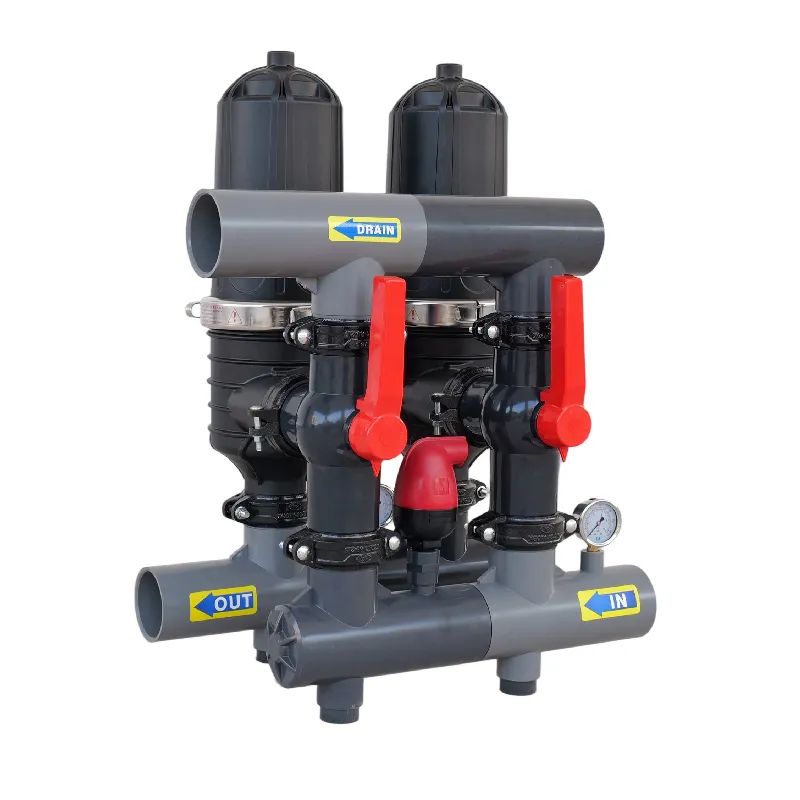
Advanced Farming and Irrigation Systems: Smart Agriculture Solutions for Maximum Yield

All Categories

Get a Free Quote

Our representative will contact you soon.
Email
Name
Whats App
Message
0/1000

farming and irrigation


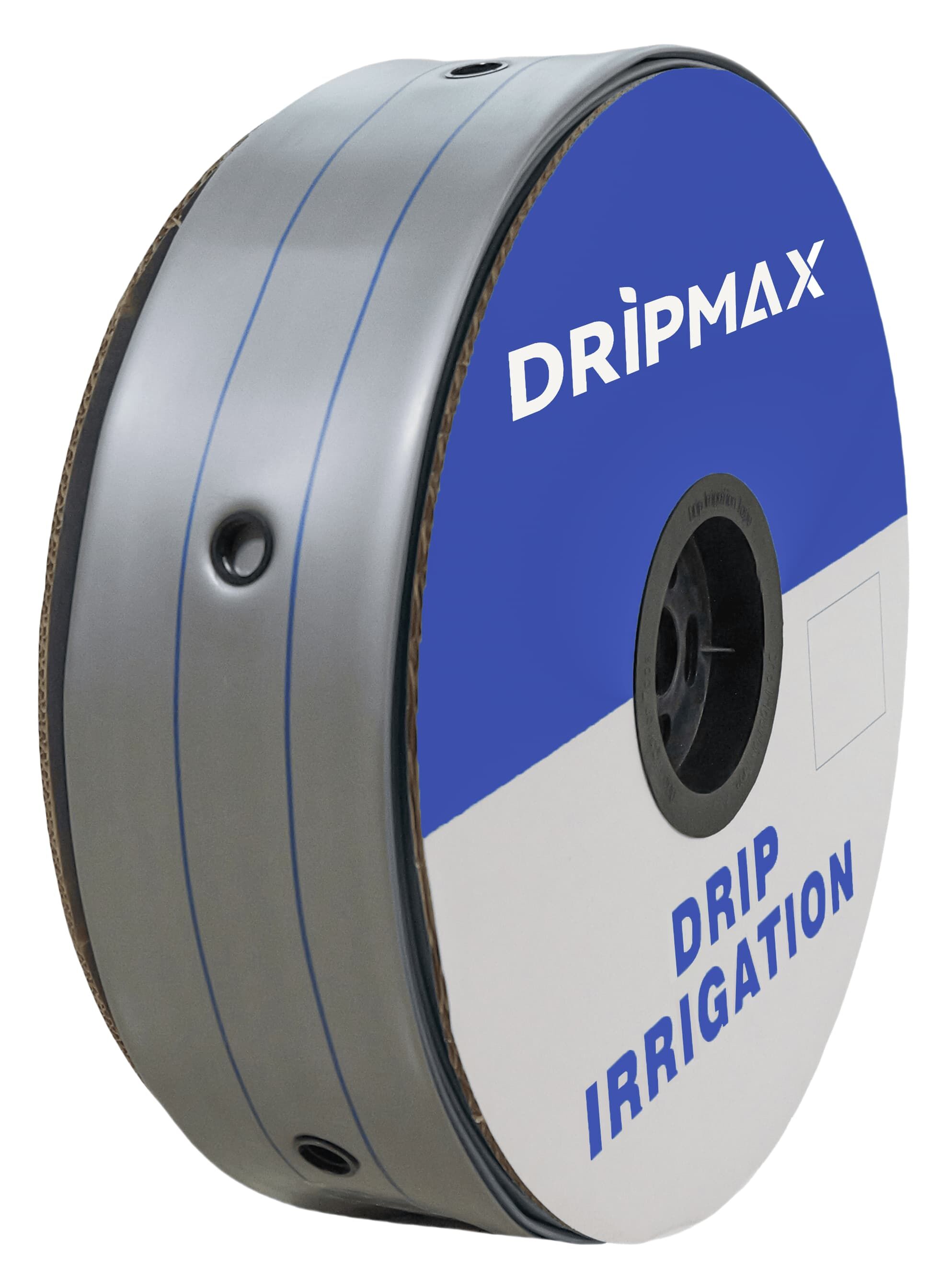
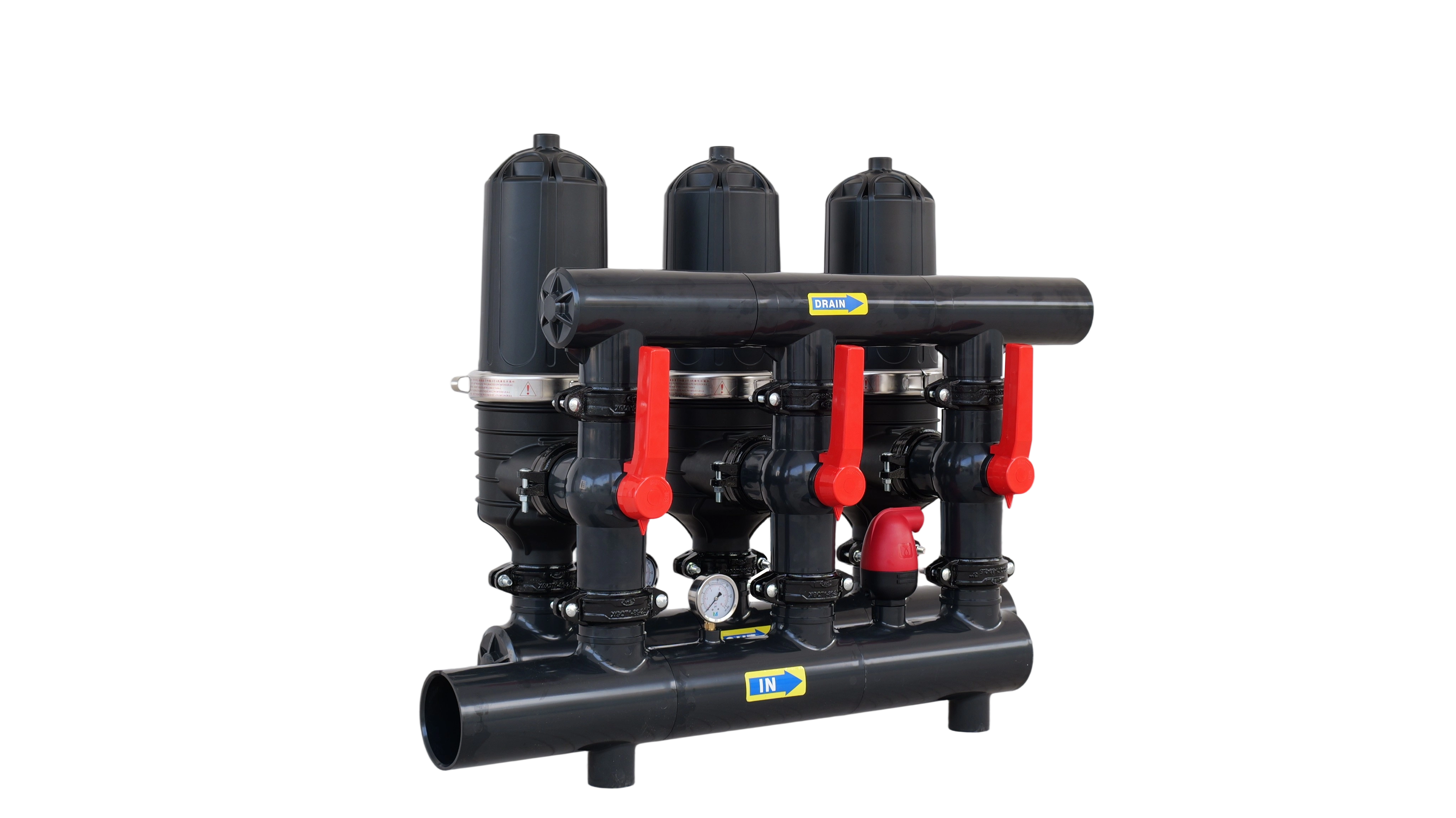
Modern farming and irrigation systems represent the cornerstone of sustainable agricultural development, combining cutting-edge technology with time-tested agricultural principles to maximize crop yields while conserving precious water resources. These comprehensive solutions integrate sophisticated water management techniques with precision agriculture methodologies, enabling farmers to optimize their production capabilities regardless of climate conditions or geographical constraints. The primary functions of advanced farming and irrigation encompass water distribution control, soil moisture monitoring, nutrient delivery management, and crop health surveillance through automated systems that respond to real-time environmental data. Contemporary irrigation technology features smart sensors that continuously monitor soil conditions, weather patterns, and plant requirements, automatically adjusting water flow rates and distribution schedules to ensure optimal growing conditions. These systems incorporate drip irrigation networks, sprinkler systems, pivot irrigation mechanisms, and subsurface watering solutions that can be customized according to specific crop requirements and field topography. The technological framework includes GPS-guided equipment, satellite imagery analysis, mobile application interfaces, and cloud-based data management platforms that provide farmers with comprehensive insights into their operations. Applications span across diverse agricultural sectors including row crop production, orchard management, greenhouse cultivation, livestock operations, and specialty crop farming. The integration of farming and irrigation solutions enables precision water application, reducing waste while maintaining consistent moisture levels throughout growing seasons. Advanced filtration systems ensure water quality standards, while automated scheduling reduces labor costs and human error. These systems adapt to various water sources including wells, surface water, recycled water, and municipal supplies, making them versatile solutions for different operational scales from small family farms to large commercial agricultural enterprises.


Popular Products

The implementation of modern farming and irrigation systems delivers substantial economic benefits by reducing operational costs through automated water management and optimized resource utilization. These systems significantly decrease labor requirements by eliminating manual watering schedules and constant field monitoring, allowing farmers to allocate human resources to other critical farm activities. Water conservation stands as a primary advantage, with precision irrigation reducing water consumption by up to 50% compared to traditional methods while maintaining or increasing crop yields. The consistent moisture delivery provided by automated farming and irrigation systems creates optimal growing conditions that promote healthier plant development, resulting in higher quality produce with improved market value. Risk mitigation becomes achievable through weather-responsive technology that protects crops from both drought stress and overwatering damage, ensuring stable production regardless of seasonal variations. Energy efficiency improvements occur through smart scheduling that operates pumps and distribution systems during off-peak hours, reducing electricity costs while maintaining system effectiveness. Soil health benefits emerge from controlled water application that prevents erosion, nutrient leaching, and salt accumulation, preserving long-term agricultural productivity. The scalability of modern farming and irrigation solutions allows operations to expand without proportional increases in management complexity or labor costs. Data collection capabilities provide valuable insights into crop performance, water usage patterns, and system efficiency, enabling continuous improvement and optimization strategies. Remote monitoring features allow farmers to manage multiple locations or travel without compromising crop care, increasing operational flexibility and personal freedom. Fertilizer and chemical application accuracy improves through integrated delivery systems that ensure proper nutrient distribution while minimizing environmental impact. Return on investment typically occurs within 3-5 years through reduced operating expenses, increased yields, and improved crop quality. Environmental sustainability becomes achievable through reduced water waste, decreased chemical runoff, and improved carbon footprint management, supporting both regulatory compliance and corporate responsibility goals.

Practical Tips

How Layflat Hose Enhances Water Distribution in Modern Farming

10

Jun

How Layflat Hose Enhances Water Distribution in Modern Farming

Explore the fundamentals of layflat hose for agricultural water distribution, focusing on design principles, material composition, and advantages over traditional irrigation methods. Learn how layflat hose technology optimizes water distribution, reduces labor, and increases efficiency in modern farming operations.
View More
What Are the Main Benefits of Agricultural Irrigation Systems?

29

Aug

What Are the Main Benefits of Agricultural Irrigation Systems?

View More
How Does Agricultural Irrigation Improve Crop Yields?

29

Aug

How Does Agricultural Irrigation Improve Crop Yields?

View More
Why Is Drip Irrigation Ideal for Water Conservation?

29

Aug

Why Is Drip Irrigation Ideal for Water Conservation?

View More

Get a Free Quote

Our representative will contact you soon.
Email
Name
Company Name
Message
0/1000

farming and irrigation

Smart Water Management Technology

Smart Water Management Technology

Revolutionary smart water management technology transforms traditional farming practices by implementing intelligent control systems that respond dynamically to environmental conditions and crop requirements. This sophisticated farming and irrigation approach utilizes an extensive network of soil moisture sensors, weather stations, and plant monitoring devices that continuously collect real-time data about field conditions. The system processes this information through advanced algorithms that calculate precise water requirements for different crop zones, automatically adjusting irrigation schedules to deliver optimal moisture levels at the most beneficial times. Farmers benefit from reduced water waste, as the technology prevents both underwatering and overwatering scenarios that can damage crops and waste valuable resources. The integration of mobile applications allows remote monitoring and control capabilities, enabling farmers to manage their irrigation systems from anywhere with internet connectivity. Weather forecasting integration enables proactive adjustments to irrigation schedules, accounting for predicted rainfall and temperature changes to optimize water application timing. The technology supports multiple irrigation methods including drip systems, sprinklers, and micro-irrigation, adapting to different crop types and field configurations. Energy optimization features schedule pumping operations during off-peak hours, reducing electricity costs while maintaining system performance. Data analytics provide detailed reports on water usage patterns, system efficiency, and crop response metrics, enabling continuous improvement and optimization strategies. The scalable architecture supports expansion from small plots to large commercial operations without requiring complete system replacement. Customizable programming allows farmers to set specific parameters for different crop varieties, growth stages, and seasonal requirements, ensuring tailored care for diverse agricultural operations.
Enhanced Crop Yield Optimization

Enhanced Crop Yield Optimization

Advanced farming and irrigation systems deliver exceptional crop yield optimization through precision agriculture techniques that maximize plant health and productivity while minimizing resource waste. These comprehensive solutions create ideal growing environments by maintaining consistent soil moisture levels, delivering targeted nutrition, and monitoring plant stress indicators throughout the growing season. The systematic approach to water and nutrient delivery ensures that crops receive exactly what they need when they need it, eliminating the guesswork associated with traditional farming methods. Yield improvements typically range from 20% to 40% compared to conventional irrigation practices, directly translating to increased revenue and profitability for agricultural operations. The technology prevents common yield-reducing factors such as drought stress, nutrient deficiencies, and irregular watering patterns that can significantly impact crop quality and quantity. Soil health improvements result from controlled water application that maintains optimal moisture levels without causing compaction or erosion, preserving the growing medium for sustained productivity. The integration of fertility management systems enables precise nutrient delivery through irrigation lines, ensuring uniform distribution and reducing fertilizer waste. Plant health monitoring capabilities detect early signs of stress, disease, or pest issues, allowing for timely intervention before problems affect overall yields. Harvest timing optimization becomes possible through consistent growing conditions that promote uniform crop maturation, reducing labor costs and improving harvest efficiency. Quality improvements in produce result from stress-free growing conditions, leading to better color, size, flavor, and nutritional content that commands premium market prices. The reduced variability in growing conditions creates predictable harvest schedules, enabling better planning for marketing and distribution activities. Long-term soil fertility benefits emerge from balanced water and nutrient management practices that prevent depletion and maintain productive growing conditions for future seasons.
Sustainable Environmental Impact

Sustainable Environmental Impact

Modern farming and irrigation systems champion environmental sustainability by dramatically reducing water consumption, minimizing chemical runoff, and promoting responsible land stewardship practices that benefit both agricultural productivity and ecological preservation. These environmentally conscious solutions address growing concerns about water scarcity, soil degradation, and agricultural pollution through innovative technology that optimizes resource utilization while maintaining high production standards. Water conservation achievements reach up to 50% reduction in usage compared to traditional irrigation methods, contributing to regional water security and reducing pressure on local water sources. The precise application techniques prevent overwatering that leads to nutrient leaching and groundwater contamination, protecting local watersheds and aquatic ecosystems from agricultural pollutants. Soil erosion prevention occurs through controlled water delivery that maintains proper moisture levels without creating runoff or surface flooding, preserving valuable topsoil and preventing sedimentation in waterways. Carbon footprint reduction results from decreased fuel consumption for water pumping, reduced fertilizer requirements through precise application, and improved soil carbon sequestration from healthier growing conditions. Biodiversity support emerges from reduced chemical usage and improved habitat conditions around agricultural areas, promoting beneficial insect populations and wildlife conservation. Energy efficiency improvements through smart scheduling and optimized pump operations contribute to reduced greenhouse gas emissions and lower environmental impact from farming operations. Waste reduction benefits include decreased packaging from fertilizers and chemicals due to precision application, as well as reduced crop loss from improved growing conditions. The circular economy principles integrate through water recycling capabilities and nutrient recovery systems that minimize waste streams. Regulatory compliance becomes easier to achieve and maintain through documented water usage, chemical application records, and environmental impact monitoring. Long-term sustainability benefits include preserved soil health, maintained water quality, and reduced dependency on external inputs, ensuring agricultural viability for future generations while meeting current production demands.

Get a Free Quote

Our representative will contact you soon.
Email
Name
Company Name
Message
0/1000