agriculture and irrigation
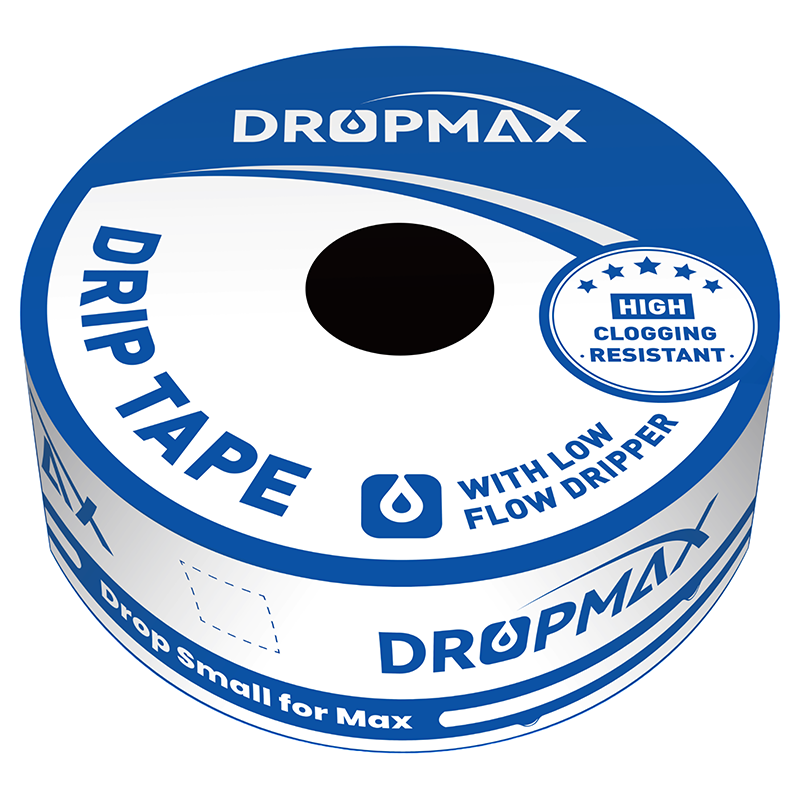

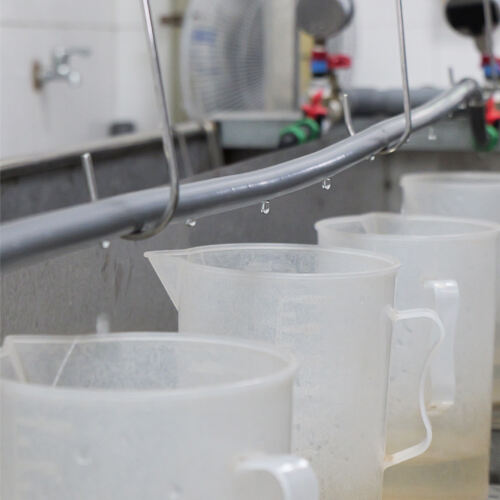
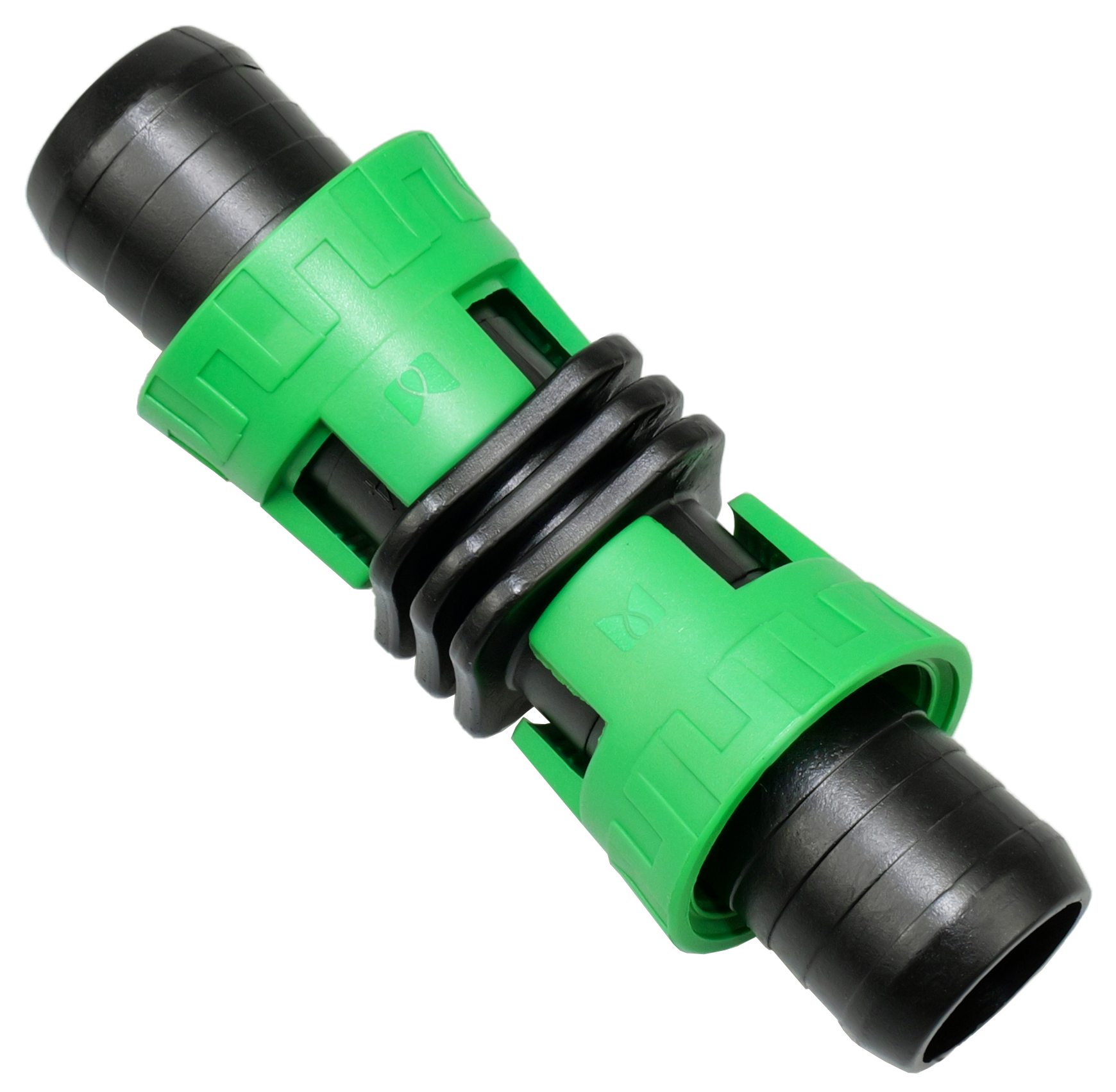
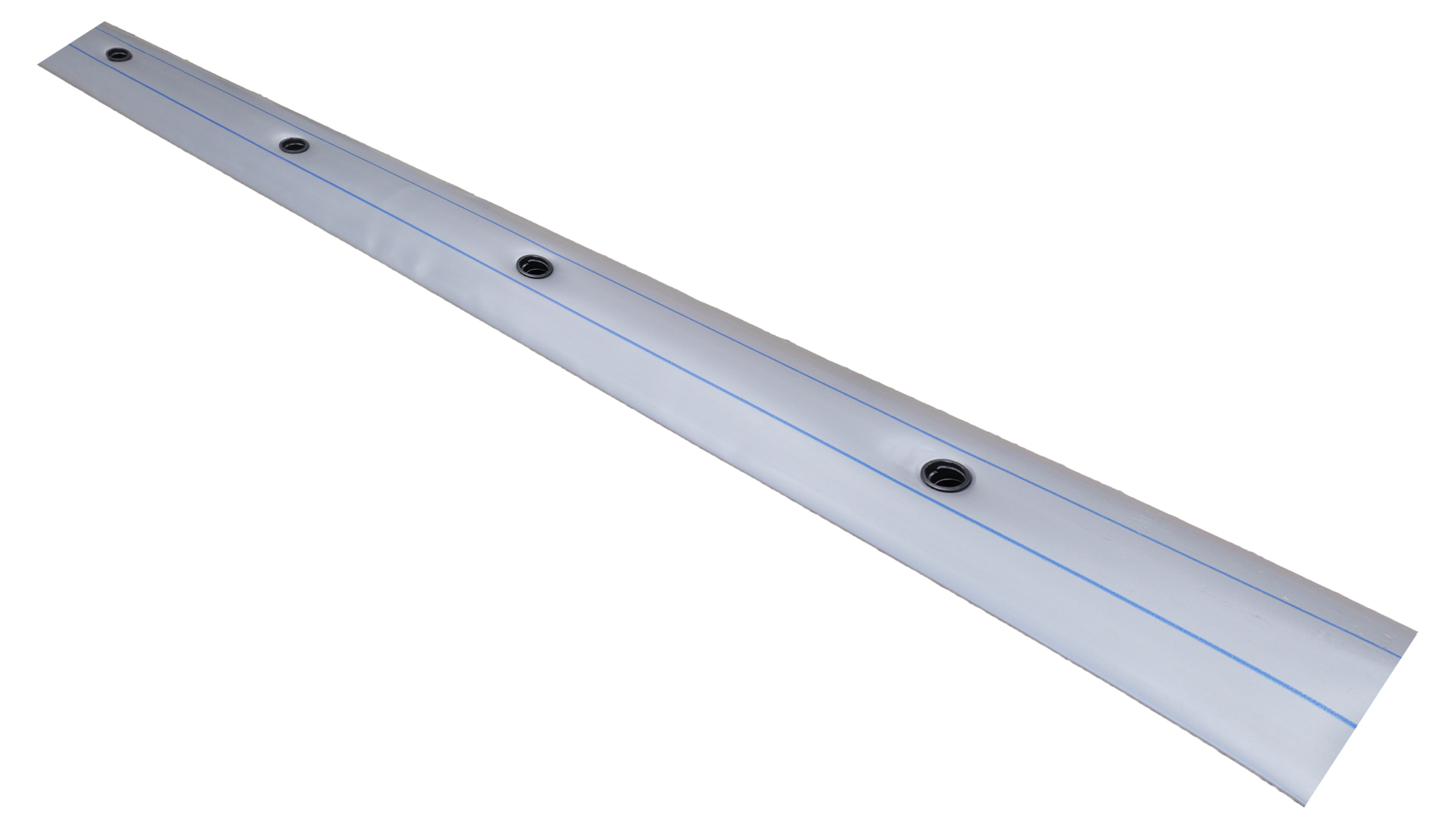
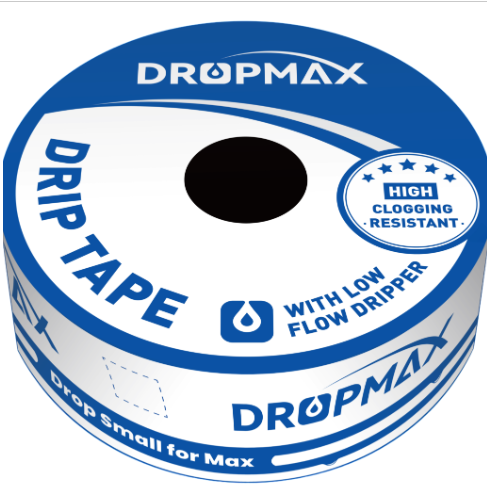
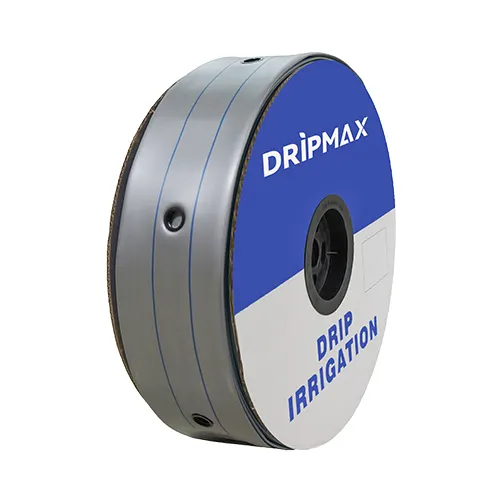
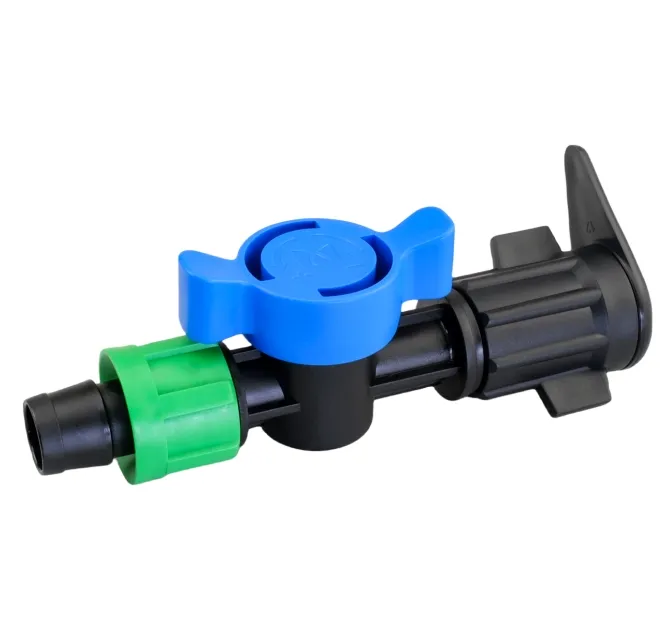
Agriculture and irrigation represent the cornerstone of modern food production systems, combining traditional farming methods with cutting-edge water management technologies to maximize crop yields while optimizing resource utilization. This integrated approach encompasses the strategic application of water resources to agricultural lands through sophisticated delivery systems, sensors, and automated controls that ensure precise nutrient and moisture distribution. The primary functions of agriculture and irrigation systems include water conservation, soil fertility enhancement, crop protection, and yield optimization across diverse farming environments. These systems leverage advanced technological features such as drip irrigation networks, smart controllers, weather monitoring stations, and soil moisture sensors that work together to create efficient growing conditions. The integration of GPS-guided equipment, variable rate application technology, and data analytics platforms enables farmers to make informed decisions about when, where, and how much water to apply to their crops. Modern agriculture and irrigation systems support a wide range of applications including field crops, greenhouse cultivation, orchard management, landscape maintenance, and specialty crop production. The technology adapts to various soil types, climate conditions, and crop requirements, making it suitable for small-scale farms, commercial operations, and large agricultural enterprises. Water delivery methods range from surface flooding and sprinkler systems to precision micro-irrigation and hydroponic setups, each designed to meet specific agricultural needs while minimizing waste and environmental impact. The integration of renewable energy sources, such as solar-powered pumps and wind-driven systems, further enhances the sustainability of agriculture and irrigation operations, reducing operational costs and carbon footprint while maintaining reliable water supply for optimal plant growth.

 EN
EN